
🕐 Last updated:
🔑 Key Takeaways
- Fermented teas, such as Thai herbal tea and Chinese Pu-erh, offer rich flavors and aromas that reflect their unique origins.
- In Thailand, the fermentation process for herbal teas is often less intense than that of Chinese Pu-erh.
- The flavor profile of Thai herbal tea is typically bright and aromatic, with floral notes and a hint of sweetness.
Thai Herbal Tea vs Chinese Pu-erh: Fermented Tea Traditions (2026 Guide)
Discover the fascinating world of Thai herbal tea and how it compares to Chinese Pu-erh, exploring their unique fermentation processes and cultural significance. This guide covers everything about thai herbal tea vs chinese pu-erh: fermented tea traditions (2026 guide) in 2026.
Understanding Fermented Teas
Fermented teas, such as Thai herbal tea and Chinese Pu-erh, offer rich flavors and aromas that reflect their unique origins. Both types of tea undergo fermentation, but the methods and ingredients differ significantly. While Thai herbal tea often incorporates a variety of local herbs and botanicals, Chinese Pu-erh is primarily made from the leaves of the Camellia sinensis plant.
For those interested in exploring Thai herbal tea, you can find a variety of options available online. Check out our guide on Where to Buy Thai Botanical Tea Online for more information.
Explore Our premium products
Discover the authentic taste of our specially curated collection. Ethically sourced and masterfully blended.
Shop the Collection →
The Fermentation Process of Thai Herbal Tea
Explore Our premium products
Discover the authentic taste of our specially curated collection. Ethically sourced and masterfully blended.
Shop the Collection →In Thailand, the fermentation process for herbal teas is often less intense than that of Chinese Pu-erh. Thai herbal blends may include ingredients like lemongrass, ginger, and butterfly pea flower, which are traditionally valued for their flavors and aromas. The fermentation process can enhance these qualities, creating a soothing and refreshing beverage.
On the other hand, Chinese Pu-erh undergoes a more complex fermentation process, which can take years. This aging process contributes to its earthy flavor profile and is often sought after by tea connoisseurs. To learn more about brewing techniques for Thai teas, visit our article on How to Brew the Perfect Thai Tea.
Flavor Profiles of Thai Herbal Tea and Chinese Pu-erh
The flavor profile of Thai herbal tea is typically bright and aromatic, with floral notes and a hint of sweetness. Ingredients like lemongrass and ginger add a refreshing quality, making it a popular choice for warm weather.
In contrast, Chinese Pu-erh has a deep, rich flavor that can be described as earthy and robust. The aging process can introduce complex flavors, including notes of wood, soil, and even leather. This makes Chinese Pu-erh a favorite among those who appreciate bold, mature flavors.
Cultural Significance and flavours and aromas
Both Thai herbal tea and Chinese Pu-erh hold cultural significance in their respective regions. In Thailand, herbal teas are often enjoyed as part of a balanced lifestyle, celebrated for their refreshing qualities. They are traditionally prepared and served during gatherings and special occasions.
Chinese Pu-erh, on the other hand, is often associated with tea ceremonies and enjoyed for its deep, mellow character. Its rich history and unique preparation methods make it a cherished beverage in Chinese culture.
For more insights into the cultural aspects of Thai teas, check out our article on Thai Botanical Tea: Heritage, Botanicals, and How to Brew.
Related reading
Frequently Asked Questions About Thai Herbal Tea and Chinese Pu-erh
What is the main difference between Thai herbal tea and Chinese Pu-erh?
The main difference lies in their ingredients and fermentation processes. Thai herbal tea often includes a variety of local herbs, while Chinese Pu-erh is made from the leaves of the Camellia sinensis plant and undergoes a more complex aging process.
How should I brew Thai herbal tea?
To brew Thai herbal tea, use water heated to around 195°F to 205°F (90-96°C) and steep for 3-7 minutes, depending on the ingredients. This will help extract the full range of flavors.
Can I find Thai herbal tea online?
Yes, you can find a variety of Thai herbal teas available for purchase online. Check out our guide on Where to Buy Thai Botanical Tea Online for recommendations.
What are the flavours and aromas of drinking Thai herbal tea?
Thai herbal teas are traditionally valued for their refreshing qualities and bright, aromatic character. Ingredients like lemongrass and ginger are often included for their aromatic properties.
Why ArtisanThai for Thai herbal tea vs chinese pu-erh: fermented tea traditions (2026 guide)? (2026)
| Feature | ArtisanThai | Generic Brand |
|---|---|---|
| Origin | Premium sourcing | Unknown |
| Quality | Carefully sourced | Unknown |
| Shipping | Tracked, 50+ countries | Standard only |
| Guarantee30-day returns (unopened)None |
How to Get Thai herbal tea vs chinese pu-erh: fermented tea traditions (2026 guide) from ArtisanThai
- Browse Explore the thai herbal tea vs chinese pu-erh: fermented tea traditions (2026 guide) collection at https://artisanthai.com.
- Select Choose your thai herbal tea vs chinese pu-erh: fermented tea traditions (2026 guide) and review the product details.
- Order Secure checkout, with free tracked shipping on orders over US$45 (conditions apply by destination).
- Enjoy Experience authentic thai herbal tea vs chinese pu-erh: fermented tea traditions (2026 guide) delivered to your door.
See also: Quality Standards and Thai FDA.
Recommended Products
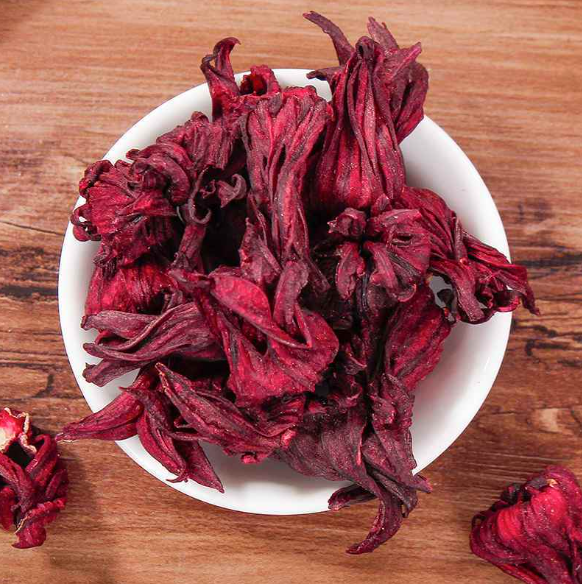
Authentic Thai botanical teas, blended in small batches and shipped internationally, with 30-day returns on unopened items.
15-Botanical Thai Infusion →Shop all teas