
5 Simple Ways to Verify Thai Botanical Tea Authenticity
Key Takeaways
- Authentic Thai botanical tea is rooted in tradition and craft, sourced from the highlands of Southeast Asia.
- Understanding sourcing and certification helps you judge quality before you buy.
- A few simple checks — origin, harvesting, processing, and documentation — go a long way toward spotting the real thing.
Knowing how to verify the authenticity of Thai botanical tea helps you enjoy its rich flavors and the culture behind every cup. This guide walks you through five simple ways to check that the tea you are buying is genuine.
Overview of Thai Botanical Tea
Thai botanical tea is more than a beverage; it is a cultural experience steeped in history and tradition. The use of botanicals in Thailand reaches back centuries, with each region offering unique blends that reflect local flora and time-honored practices. The most distinctive teas are made with hand-picked leaves and flowers from small farms across the country.
Authenticity comes down to two things: the ingredients and the methods used to process them. Teas that hold to traditional sourcing and preparation tend to deliver a clearer, more characterful flavor in the cup.
Explore Our Botanical Tea Collection
Discover the authentic taste of our carefully curated blends — thoughtfully sourced and masterfully prepared.
Shop the Collection →Sourcing Authentic Thai Botanical Tea
When searching for authentic Thai botanical tea, consider the following factors:
- Origin: Look for teas sourced from specific regions in Thailand known for their botanical diversity, such as Chiang Mai or Chiang Rai. These areas are celebrated for their biodiversity and traditional cultivation methods.
- Harvesting Methods: Authentic teas are often hand-picked to preserve quality. Heavily automated harvesting can compromise the leaves and result in a less flavorful cup.
- Processing Techniques: Traditional methods such as sun-drying and natural fermentation shape the flavor and aroma of the tea. These techniques have been passed down through generations, helping preserve the character of the botanicals.
Teas made with these traditional practices tend to taste cleaner and more distinctive. Choosing them also supports sustainable farming and the heritage of Thai tea-making.
Understanding Certifications
Certifications can help you judge the authenticity and quality of a Thai botanical tea. Here are some things to look for:
- Food safety registration: Products registered with the relevant Thai food authority have met that authority's safety and labeling standards.
- Organic certification: Teas certified organic are grown without synthetic pesticides and fertilizers, which many buyers prefer.
- Certificate of Analysis (COA): A COA gives detailed information about a batch's composition and safety. Reputable sellers can typically provide one on request.
Understanding these certifications can help you make informed choices when buying Thai botanical tea.
How to Brew and Enjoy Thai Botanical Tea
A little care in the brewing brings out the best in Thai botanical tea. Here are a few tips for enjoying it:
- Brewing: Use fresh, filtered water and steep the leaves for 3–5 minutes to draw out the full flavor. Adjust the steeping time to suit your taste.
- Pairing: Enjoy your tea alongside snacks such as fruit or nuts for a balanced, satisfying experience.
- Ritual: Folding tea time into a quiet moment of your day turns a simple cup into a small ritual to savor.
Many tea drinkers find that pairing their cup with a calm, unhurried moment makes the whole experience more enjoyable. used for tea as a ritual and you will get more out of every pour.
Frequently Asked Questions
What makes an authentic Thai botanical blend different from standard teas?
An authentic blend uses specific hand-picked Thai botanicals and single-origin Thai tea leaves, processed using traditional methods to preserve the aromatic oils and time-honored character of the plants.
How can I tell if a brand's Thai tea is certified?
Check the packaging for food safety or organic certifications, and ask the seller for a COA (Certificate of Analysis) so you can review the batch details for yourself.
What gives Thai botanical tea its distinctive character?
Its flavor comes from the specific botanicals used, the region they are grown in, and traditional processing — together these create the floral, earthy, and aromatic notes Thai teas are known for.
Is loose-leaf Thai tea better than buying bags?
Bags are convenient, but loose-leaf Thai tea gives you better control over steeping time and access to premium loose-leaf leaves, which generally offer a more complex flavor profile.
What to Look for When Choosing a Thai Tea
| Feature | What to check |
|---|---|
| Origin | Clearly stated Thai region or farm |
| Documentation | Full ingredient list published on the pack |
| Ingredients | Simple, recognizable botanicals with no unnecessary fillers |
| Shipping & returns | Clear shipping and return terms before you buy |
Explore More at ArtisanThai
Browse the ArtisanThai shop for Thai botanical teas, or visit our Thai botanical tea range. Questions? Contact our team. You can also read about botanical tea traditions around the world.
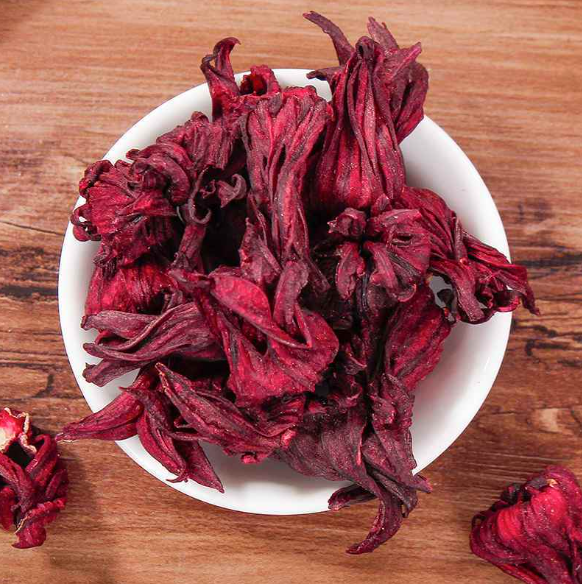
Authentic Thai botanical teas, blended in small batches and shipped internationally, with 30-day returns on unopened items.
15-Botanical Thai Infusion →Shop all teas