
How to Choose Premium Botanical Tea from Thailand
Premium botanical tea from Thailand refers to caffeine-free infusions made from whole Thai leaves, flowers, roots, and spices, prized for their aroma, flavor, and place in everyday Thai ritual. This guide explains how to recognize quality and choose a blend you will love.
Key Takeaways
- Premium botanical tea stands apart through its integrity from soil to cup.
- When you are standing in the aisle or browsing online, a simple checklist helps you judge quality.
- Thailand's botanical tradition is built on plants that thrive in its tropical climate.
Choosing a botanical tea you love is the first step toward a personal ritual of calm and flavor. At ArtisanThai, we have spent years sourcing and understanding the subtle craft of Thai botanical blends. This guide shares our practical insights to help you navigate the market with confidence.
The right cup offers more than flavor—it provides a moment of pause in a busy day. We will walk you through the markers of quality, from sourcing and processing to aroma and taste. By the end, you will know exactly what to look for on a label and how to build a tea practice that fits your routine.
Key Takeaway: The best botanical tea is defined by transparent sourcing, minimal processing, and a flavor profile that resonates with your personal sense of calm. Prioritize whole leaves and flowers over finely cut "dust" for a superior infusion.
What to look for
- Made with whole, recognizable botanical ingredients
- Transparent sourcing and a recent harvest date
- Tracked, traceable shipping
Things to weigh
- Specialty blends can sell out quickly
- Higher price than mass-market generics
What Makes Botanical Tea Premium?
Premium botanical tea stands apart through its integrity from soil to cup. It begins with the plant itself—the specific variety, the region it is grown in, and the way it is harvested. For Thai botanicals like Bai Plu (Thai basil) or Rang Jeud (holy basil), terroir matters immensely. The mineral content of the soil and the clean air of the northern highlands contribute to a more complex and aromatic botanical profile.
Processing is the next critical factor. Careful producers air-dry or use low-temperature dehydration to preserve the plant's natural essential oils. This is why a premium tea will have a vibrant color and a fragrant aroma even before hot water touches it. Mass-market teas are often heavily steamed, cut, and oxidized, which diminishes their delicate character.
Finally, freshness is non-negotiable. Botanicals, unlike black or green tea, do not improve with age. A reputable seller will provide a harvest date or a "best by" date that is reasonable (usually within 18 months). At ArtisanThai, we rotate our stock monthly so you receive the most current harvest.
Key Factors in Selection
When you are standing in the aisle or browsing online, use this simple checklist to assess quality. It turns a confusing label into a clear story of origin and care.
- Source Transparency: Look for the specific region (e.g., "Chiang Mai Highlands" or "Surat Thani plains"). Vague terms like "imported" or "packaged in" are red flags.
- Ingredient List: The list should be short and recognizable. "Thai lemongrass" is good. "Natural flavors" or "citric acid" suggests a processed product.
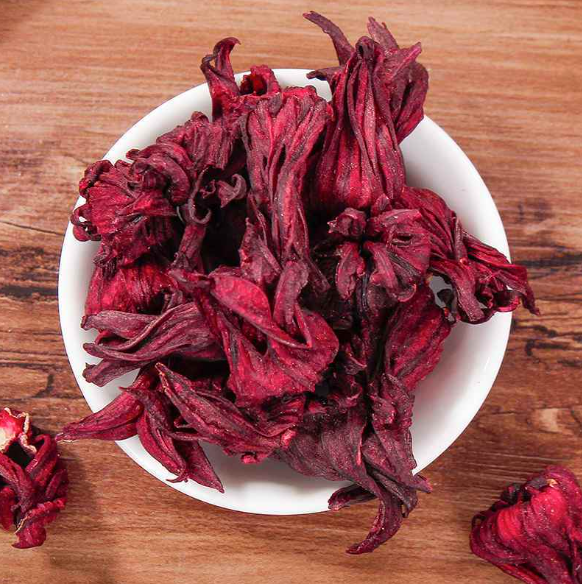
- Appearance: Whole leaves, flower buds, or large pieces of root are signs of minimal processing. A tea that looks like fine dust will taste flat and bitter.
- Aroma Test: Open the package. You should smell the distinct character of the botanical—citrus from lemongrass, mint from Saranae, or earthiness from Tom Yum herbs. Little to no scent means the oils have faded.
- Quality Signals: Look for indicators of good agricultural practice. The Thai Industrial Standards Institute (TISI) mark is a recognized signal for domestic products meeting baseline quality criteria.
Pro Tip: Buy from specialty retailers or directly from Thai artisan cooperatives. These channels have the shortest supply chain, meaning less time between harvest and your cup.
Explore Our Thai Botanical Tea Collection
Discover the authentic aroma and flavor of our curated blends. Ethically sourced and masterfully composed.
Shop the Collection →Traditional Thai Botanicals
Rooted in centuries of botanical infusion traditions, Thailand's tea culture is built on plants that thrive in its tropical climate. Understanding a few key botanicals helps you choose blends that match the mood you are after.
| Botanical | Flavor Note | Best For |
|---|---|---|
| Bai Toey (Pandan) | Sweet, fragrant leaf used in desserts and drinks | A soothing, subtly sweet evening cup |
| Hom Daeng (Shallot) | Surprisingly aromatic when dried, warm and savory | A grounding, savory brew, excellent with meals |
| Krachai (Fingerroot) | Spicy, earthy rhizome related to ginger | A warming, brisk morning cup |
| Yaa Dong (Botanical Powder) | A blend of roots, barks, and herbs, famously bitter | A bold, acquired taste for seasoned enthusiasts |
Our ArtisanThai signature blends often combine these base botanicals with complementary flowers like Jak (ginger flower) or fruits like Ma Yong (Thai lime) to create layered, refreshing infusions. The goal is balance and a memorable cup.
Building Your Daily Ritual
Once you have selected your tea, the ritual is what makes it special. This is not about following strict rules, but about creating a consistent moment for yourself.
Start with the vessel. A simple ceramic cup or a traditional Thai glass tumbler works perfectly. The act of pouring hot water is a physical signal to begin unwinding.
Mind the water temperature. For most floral and leaf-based infusions, water just off the boil (around 95°C/203°F) is ideal. Let it sit for 30 seconds after boiling to avoid scalding the delicate botanicals, which can release bitterness.
Steep time is personal. A good starting point is 5–7 minutes. Taste it at 5 minutes. If you want a stronger flavor, steep longer. If it becomes bitter, you've gone too far. High-quality botanicals should yield a pleasant taste even with extended steeping.
Engage your senses. Before you sip, inhale the steam. Notice the color of the liquor. When you drink, feel the warmth travel down. This mindful attention turns a simple drink into a true break.
"The most important ingredient in any botanical tea is your attention. The ten minutes you spend preparing and drinking it is the real moment of calm—the ritual, not the cup alone."
Common Mistakes to Avoid
Even with great tea, a few common errors can spoil the experience. Here is what to watch for.
- Using re-boiled water: Water that has been boiled repeatedly is "flat" and lacks oxygen, resulting in a dull-tasting tea. Always use fresh, cold water and bring it to a boil only once.
- Storing tea incorrectly: Keep your botanical tea in an airtight container, away from light, heat, and strong odors. A cabinet near the stove is the worst spot. The pantry is best.
- Expecting a coffee-like caffeine kick: Most Thai botanicals are naturally caffeine-free. This is part of their charm—they offer a calm, flavorful cup rather than a jolt. For a brisker, more vivid cup, look for blends with Krachai or Galangal.
- Overcomplicating the blend: A tea with 15 different ingredients is often a sign of low-quality base materials being masked by strong flavors. The best blends have 3–5 distinct components you can actually taste.
Frequently Asked Questions
Botanical teas, or tisanes, are infusions made from herbs, spices, flowers, and roots. They are distinct from "true teas" like black, green, or oolong, which all come from the Camellia sinensis plant. Botanical teas are naturally caffeine-free and offer a wider range of flavors.
For optimal flavor and aroma, we recommend enjoying our teas within 12–18 months of purchase. Always store them in a cool, dark, dry place in their original airtight tin or a sealed glass jar.
Most botanical teas are gentle, caffeine-free beverages that many people enjoy daily. Making one part of a daily ritual is a pleasant way to add a moment of calm to your routine. As with any food or drink, vary your blends if you notice any sensitivity.
If you are pregnant or nursing, we recommend checking with your healthcare provider before adding any new botanical product to your routine.
This phrase acknowledges the long history of these botanicals in Thai culture. For generations, communities have enjoyed these plants for their pleasant flavors and their place in everyday life. It is a cultural note, not a medical claim.
Explore More at ArtisanThai
Browse the ArtisanThai shop, read the blog, or contact our team.
ArtisanThai offers authentic Thai botanical tea to customers in many countries, with tracked, traceable shipping. Explore the collection and find a blend you will love.
Recommended Products
Related Reading
Authentic Thai botanical teas, blended in small batches and shipped internationally, with 30-day returns on unopened items.
15-Botanical Thai Infusion →Shop all teas