
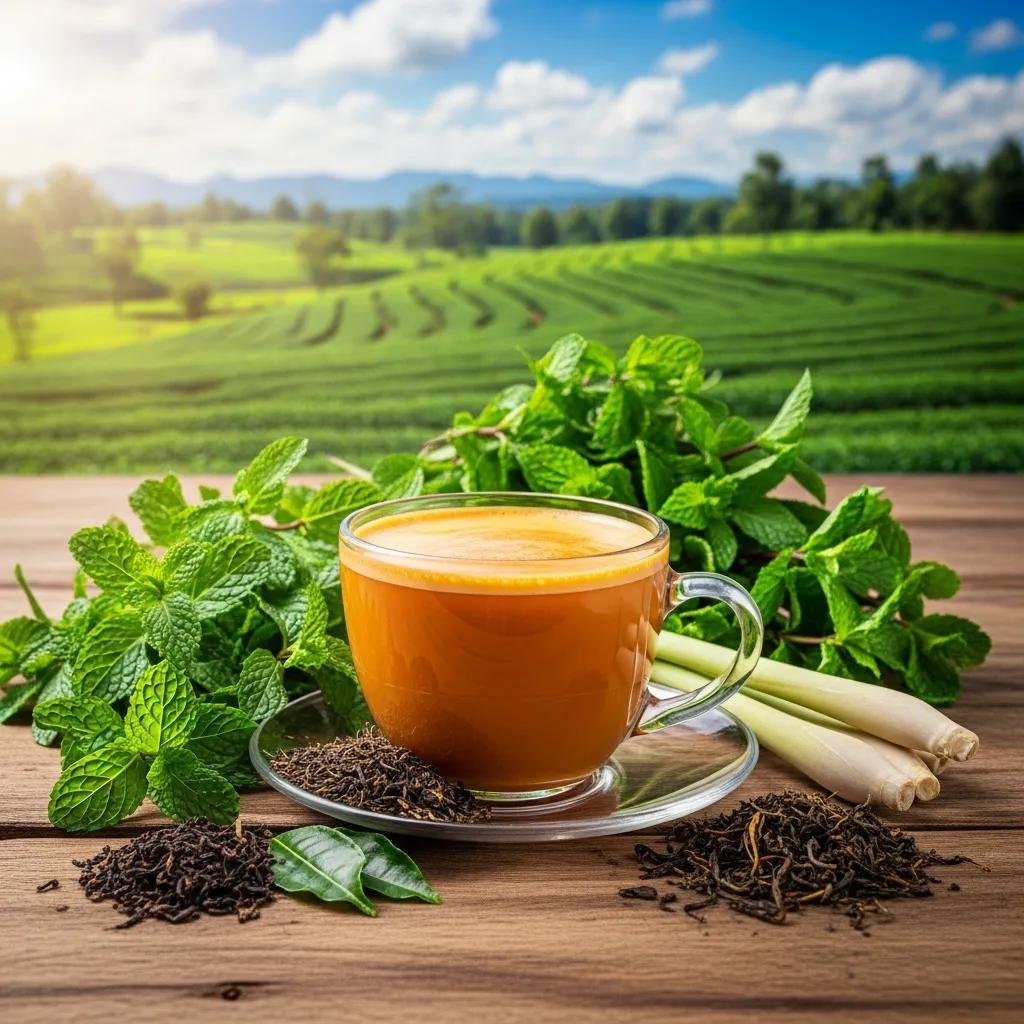
Why Choose Sustainably Sourced Thai Tea: Benefits, Ethics, and Authenticity Explained
Sustainably sourced Thai tea represents a harmonious blend of rich cultural heritage and modern ethical practices. This article delves into the myriad benefits of choosing sustainably sourced Thai tea, emphasizing its positive impact on health, the environment, and local communities. As consumers become increasingly aware of the origins of their food and beverages, understanding the significance of sustainable sourcing becomes essential. This guide will explore the benefits of sustainable Thai tea, the empowerment of local farmers through ethical sourcing, and how to identify authentic products. By the end, readers will appreciate the importance of making informed choices that support both personal wellness and global sustainability.
What Are the Key Benefits of Sustainable Thai Tea?
Sustainable Thai tea offers numerous advantages that extend beyond mere enjoyment. These benefits encompass health improvements, environmental protection, and support for local communities. By choosing sustainably sourced tea, consumers can contribute to a healthier planet while enjoying a delicious beverage.
How Does Organic Thai Tea Support Environmental Health?
Organic Thai tea is cultivated without synthetic pesticides or fertilizers, which significantly reduces chemical runoff into local ecosystems. This practice enhances biodiversity by promoting a balanced ecosystem where various plant and animal species can thrive. Additionally, organic farming methods improve soil health, leading to better water retention and reduced erosion. By supporting organic practices, consumers help maintain the integrity of the environment and promote sustainable agricultural methods.
Research further underscores the critical role of organic tea cultivation in fostering soil health and biodiversity, directly impacting farmer income and environmental sustainability.
Organic Tea Plantations: Soil Health, Biodiversity & Farmer Income
In Northern Vietnam, farmers are converting significant areas of their allocated rice paddy fields into organic tea plantations to increase and diversify their income. Our previous study indicated that as tea soil is strongly acidic, suitable solutions such as lime application can help to mitigate soil acidity. However, to date, the impact of these strategies on soil chemical properties, soil biodiversity and crop productivity in tea farming has not been thoroughly investigated.
Response of soil biodiversity and crop productivity to liming in acidic soil of organic tea plantations in Northern Vietnam, V San Le, 2025
What Wellness Advantages Does Ethically Sourced Herbal Tea Offer?
Ethically sourced herbal teas, including Thai varieties, provide numerous wellness benefits. These teas often contain high levels of antioxidants, which combat oxidative stress and support overall health. Furthermore, many ethically sourced teas are linked to improved mental health, as they can promote relaxation and reduce anxiety. The natural ingredients found in these teas also support digestive health, making them a beneficial addition to any wellness routine.
ArtisanThai, an authorized online seller established in 2021, specializes in authentic Thai handicrafts and premium herbal teas, including their flagship product, Tapee Tea. By choosing ArtisanThai, consumers not only enjoy high-quality products but also support ethical sourcing practices that empower local communities.
How Does Ethical Sourcing Empower Thai Tea Farmers and Artisans?
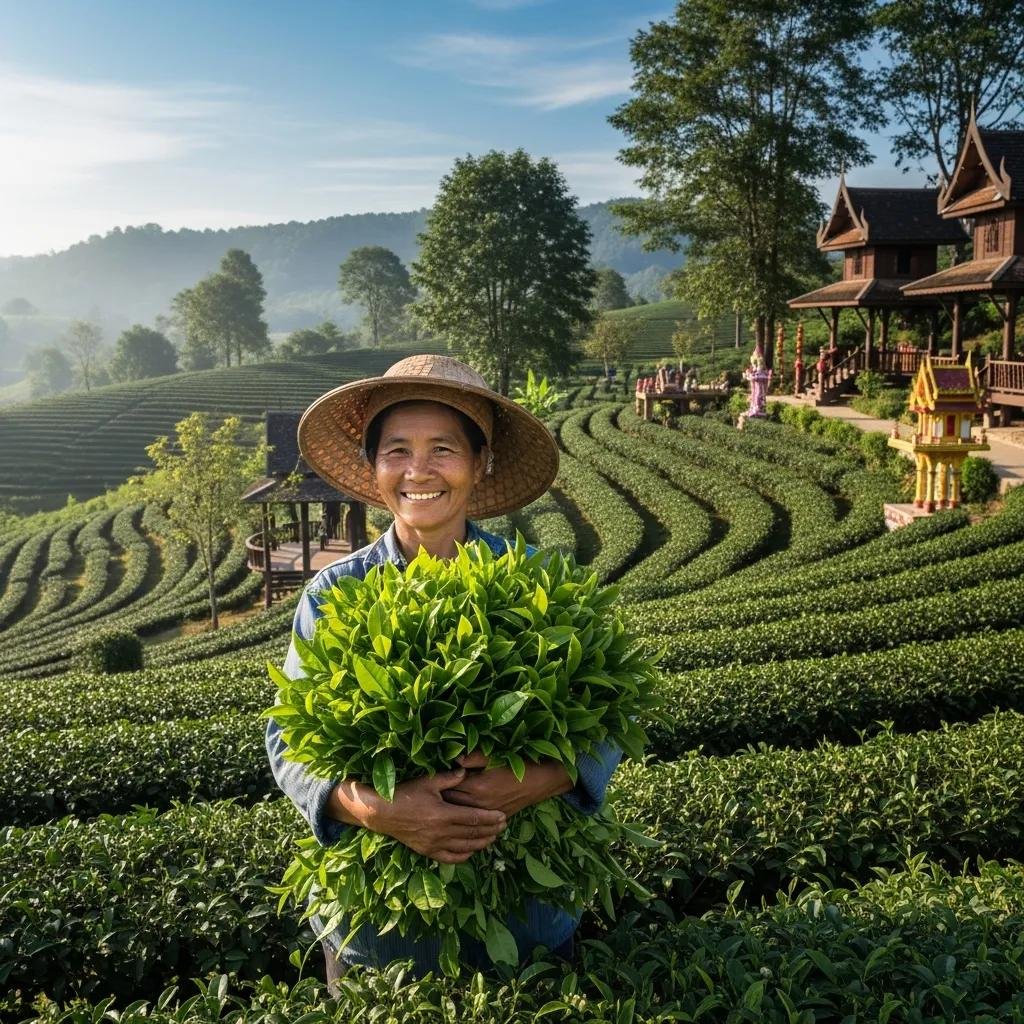
Ethical sourcing plays a crucial role in empowering Thai tea farmers and artisans. By ensuring fair trade practices and direct partnerships, companies can help improve the livelihoods of those involved in tea production.
What Fair Trade Practices Does ArtisanThai Implement?
ArtisanThai implements fair trade practices that guarantee fair wages for farmers and artisans. This commitment ensures that producers receive just compensation for their hard work, fostering community development initiatives that enhance local infrastructure and education. By supporting fair trade, consumers can contribute to a more equitable global economy.
How Does Direct Partnership with Local Artisans Preserve Thai Culture?
Direct partnerships with local artisans allow companies like ArtisanThai to preserve traditional Thai culture. By sourcing products directly from artisans, these companies help maintain cultural heritage while providing economic support. This collaboration not only sustains traditional crafts but also empowers artisans to continue their work, ensuring that future generations can appreciate and learn from their cultural practices.
What Makes ArtisanThai’s Tapee Tea a Model of Sustainable Thai Tea?
Tapee Tea exemplifies the principles of sustainable Thai tea through its commitment to quality and ethical sourcing. This unique tea blend showcases the rich flavors of Thailand while adhering to sustainable practices.
Why Is Thai FDA Certification Important for Authenticity and Safety?
Thai FDA certification is important for ensuring the safety of Tapee Tea. This certification indicates that the tea meets safety standards set by the Thai Food and Drug Administration, providing consumers with confidence in their purchase. By choosing certified products, consumers can be assured of the quality and safety of their tea.
How Are Tapee Tea’s 15 Organic Herbs Sourced Sustainably?
The 15 organic herbs used in Tapee Tea are sourced through sustainable practices that prioritize environmental health and community welfare. These herbs are often wildcrafted or cultivated using methods that do not harm the ecosystem. This approach supports local farmers and ensures that the herbs maintain their natural potency and flavor.
How Does Sustainable Thai Tea Production Minimize Environmental Impact?
Sustainable Thai tea production focuses on minimizing environmental impact through various eco-friendly practices. These methods not only benefit the planet but also enhance the quality of the tea.
What Organic Farming Methods Enhance Soil and Biodiversity?
Organic farming methods, such as crop rotation and natural pest control, play a significant role in enhancing soil health and biodiversity. These practices promote a diverse ecosystem that supports various plant and animal species, ultimately leading to healthier tea crops. By choosing sustainably produced tea, consumers support these beneficial agricultural practices.
How Does Eco-Friendly Packaging Contribute to Sustainability?
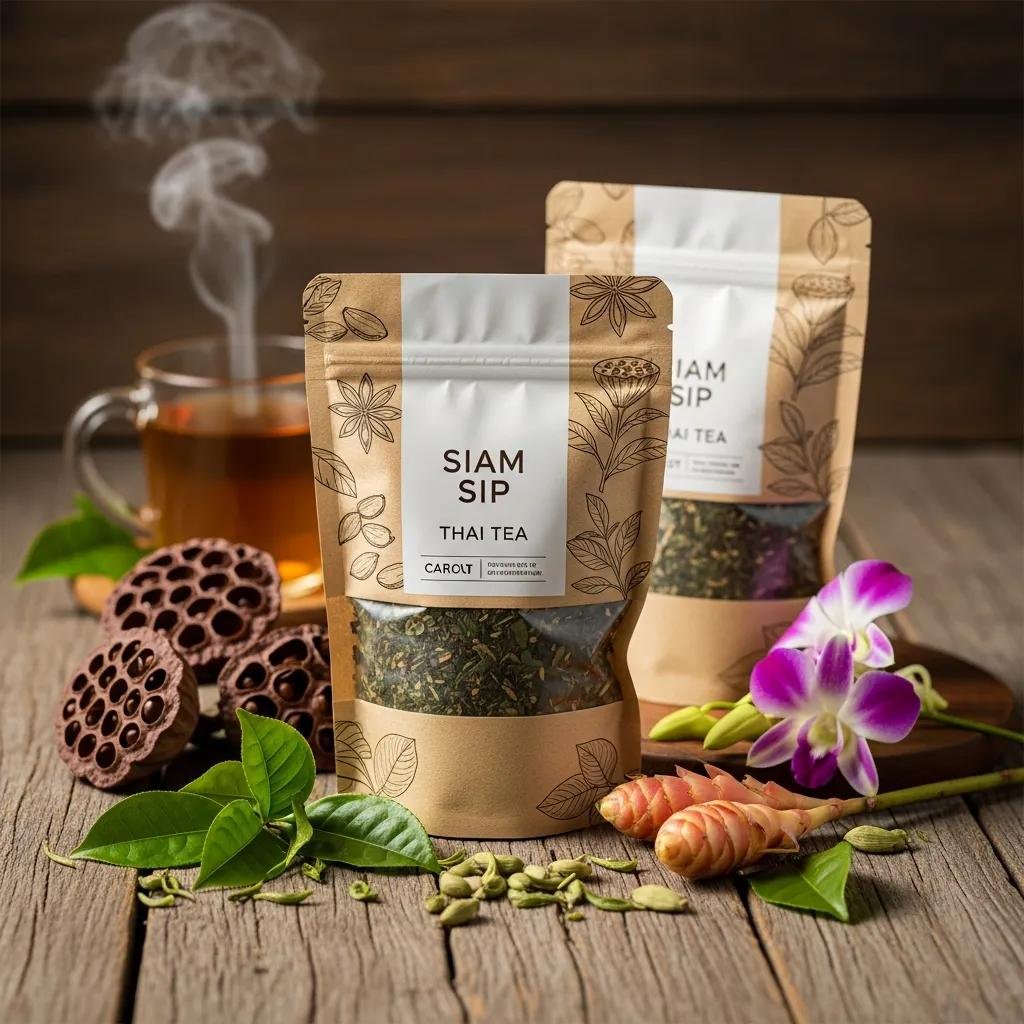
Eco-friendly packaging is another essential aspect of sustainable tea production. By using biodegradable or recyclable materials, companies can significantly reduce waste and environmental impact. This commitment to sustainability extends beyond the product itself, ensuring that every aspect of the tea‘s journey is environmentally conscious.
How Can Consumers Identify Truly Sustainable and Authentic Thai Tea?
Identifying truly sustainable and authentic Thai tea can be challenging, but certain indicators can help consumers make informed choices.
What Certifications and Labels Indicate Sustainable Thai Tea?
When shopping for Thai tea, look for certifications such as Fair Trade and organic labels. These certifications indicate that the tea has been produced under ethical and sustainable conditions. Additionally, brands that transparently share their sourcing practices are more likely to be genuinely committed to sustainability.
What Transparency Practices Should Brands Demonstrate?
Brands should demonstrate transparency in their sourcing practices by providing clear information about where and how their tea is produced. This includes sharing details about partnerships with local farmers and artisans, as well as the environmental impact of their production methods. Consumers can feel more confident in their purchases when brands prioritize transparency.
Why Is Sustainable Thai Tea a Growing Trend in Global Wellness Markets?
The trend of sustainable Thai tea is gaining momentum in global wellness markets as consumers increasingly prioritize health and environmental consciousness. This shift reflects a broader movement towards sustainable living and ethical consumption.
What Industry Statistics Support the Rise of Organic and Ethical Tea?
Recent industry statistics indicate a significant increase in consumer demand for organic and ethically sourced teas. As more people become aware of the health benefits and environmental impact of their choices, the market for sustainable tea continues to grow. This trend highlights the importance of supporting brands that prioritize ethical sourcing and sustainability.
How Does Climate Change Influence Sustainable Tea Cultivation?
Climate change poses significant challenges to tea cultivation, affecting crop yields and quality. Sustainable practices, such as organic farming and eco-friendly packaging, can help mitigate these effects by promoting resilience in tea production. By choosing sustainably sourced tea, consumers can support efforts to combat climate change and protect the future of tea cultivation.
Different types of sustainable teas offer various health benefits, which can be compared as follows:
| Tea Type | Health Benefit | Environmental Impact |
|---|---|---|
| Organic Thai Tea | High in antioxidants | Reduces chemical runoff |
| Ethically Sourced Herbal Tea | Supports mental health | Promotes biodiversity |
| Fair Trade Tea | Fair wages for farmers | Supports community development |
This comparison illustrates the multifaceted benefits of choosing sustainable tea, highlighting the importance of informed consumer choices in promoting health and environmental sustainability.
Frequently Asked Questions
What are the environmental benefits of choosing sustainably sourced Thai tea?
Choosing sustainably sourced Thai tea helps protect the environment by reducing chemical runoff and promoting biodiversity. Sustainable farming practices, such as organic cultivation, enhance soil health and water retention, which are crucial for maintaining local ecosystems. Additionally, these practices often involve less resource-intensive methods, leading to a lower carbon footprint. By supporting sustainable tea, consumers contribute to a healthier planet and encourage agricultural practices that prioritize environmental stewardship.
How can I ensure the Thai tea I purchase is ethically sourced?
To ensure that the Thai tea you purchase is ethically sourced, look for certifications such as Fair Trade and organic labels. These certifications indicate that the tea has been produced under fair labor conditions and sustainable practices. Additionally, research brands that provide transparency about their sourcing methods, including details about partnerships with local farmers. Engaging with brands that prioritize ethical sourcing can help you make informed choices that support both the environment and local communities.
What role does consumer demand play in the sustainability of Thai tea production?
Consumer demand plays a crucial role in the sustainability of Thai tea production. As more consumers seek out organic and ethically sourced products, brands are incentivized to adopt sustainable practices to meet this demand. This shift encourages farmers to implement eco-friendly methods and fair trade practices, ultimately leading to a more sustainable industry. By choosing sustainably sourced Thai tea, consumers can drive positive change and support the livelihoods of local farmers and artisans.
How does the cultivation of Thai tea impact local communities?
The cultivation of Thai tea significantly impacts local communities by providing economic opportunities and supporting livelihoods. Sustainable practices often lead to fair wages for farmers, which can improve their quality of life and contribute to community development. Additionally, ethical sourcing initiatives can fund local infrastructure projects, such as schools and healthcare facilities. By choosing sustainably sourced Thai tea, consumers help empower these communities and promote social equity.
What are the health benefits associated with drinking sustainably sourced Thai tea?
Sustainably sourced Thai tea offers various health benefits, primarily due to its high antioxidant content. These antioxidants help combat oxidative stress, which can reduce the risk of chronic diseases. Additionally, many sustainably sourced teas are linked to improved mental health, promoting relaxation and reducing anxiety. The natural ingredients in these teas can also support digestive health, making them a beneficial addition to a wellness routine. Overall, choosing sustainable tea can enhance both physical and mental well-being.
What challenges do farmers face in sustainable Thai tea production?
Farmers in sustainable Thai tea production face several challenges, including climate change, market access, and the need for education on sustainable practices. Climate change can affect crop yields and quality, making it difficult for farmers to maintain consistent production. Additionally, accessing markets that value sustainable products can be challenging, especially for small-scale farmers. Education and support for sustainable farming techniques are essential to help these farmers overcome these obstacles and thrive in a competitive market.
Conclusion
Choosing sustainably sourced Thai tea not only enhances your wellness through its rich antioxidant properties but also supports environmental health and local communities. By prioritizing ethical sourcing, consumers can enjoy a delicious beverage while contributing to fair trade practices that empower farmers. Understanding the significance of these choices reinforces the value of informed consumption in promoting sustainability. Discover our range of authentic Thai teas today and make a positive impact with every sip.

 English
 Chinese
 French
 German
 Hindi
Hindi Indonesian
 Malay
Malay Portuguese
 Spanish