
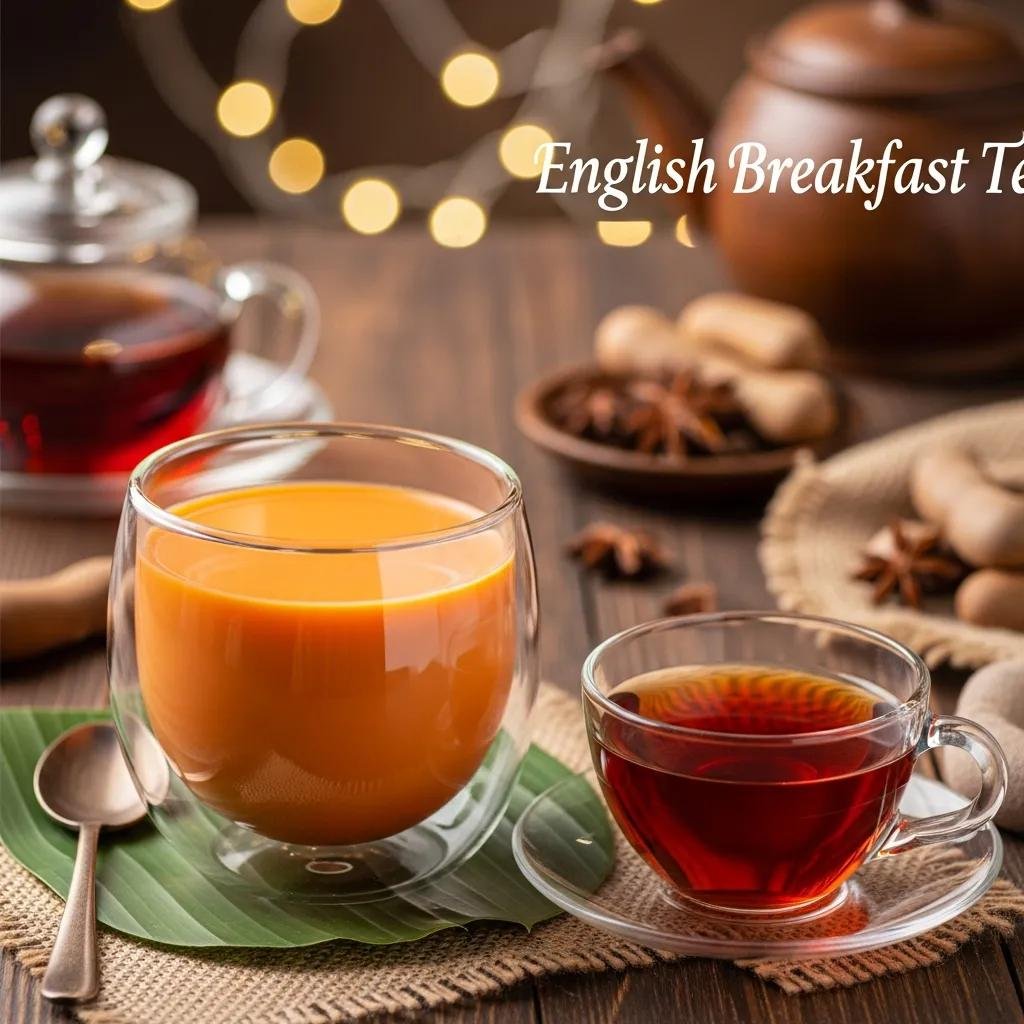
Thai Tea vs. English Breakfast: Which Is Healthier? A Comprehensive Health Comparison
Tea is one of the most consumed beverages worldwide, with various types offering unique flavors and health benefits. Among these, Thai tea and English breakfast tea stand out for their distinct characteristics and cultural significance. This article, informed by nutritional science and expert insights, will explore the origins, nutritional comparisons, health benefits, potential risks, and preparation methods of both teas, ultimately helping you determine which is healthier. Many tea drinkers are often unaware of the differences in sugar content, caffeine levels, and health benefits between these two popular choices. By understanding these aspects, you can make informed decisions about your tea consumption. We will delve into the origins and ingredients of both teas, compare their nutritional profiles, discuss their health benefits, and provide tips for healthier preparation methods. For a deeper dive into specific health aspects, refer to our Expert Insights section.
Expert Insights: Navigating Your Tea Choices
Dr. Anya Sharma, PhD, RD, a renowned Registered Dietitian and specialist in functional nutrition, emphasizes the importance of understanding the full nutritional profile of beverages. “While both Thai tea and English breakfast tea offer unique cultural experiences and some inherent health benefits from their tea leaves, the preparation methods significantly alter their impact on your health,” says Dr. Sharma. “Consumers should be particularly mindful of added sugars and fats, which can quickly transform a potentially healthy drink into one that contributes to excess calorie intake and other health concerns. Always consider the ‘whole package’ when evaluating your daily beverage choices.”
Dr. Sharma’s research often focuses on how dietary choices impact long-term wellness, reinforcing the need for informed decisions in everyday consumption. Her insights are integrated throughout this comparison to provide a robust, evidence-based perspective.
What Are the Origins and Ingredients of Thai Tea and English Breakfast Tea?
Thai tea, known for its vibrant orange color and unique flavor, has its roots in Thailand, where it is often served with sweetened condensed milk. The tea is typically made from strong black tea leaves, sometimes flavored with spices such as star anise and tamarind, and occasionally orange blossom water. These spices and flavorings not only enhance the flavor but also contribute to the tea’s health benefits, including antioxidant properties, as supported by various nutritional studies.
English breakfast tea, on the other hand, is a traditional blend of several black teas, primarily Assam, Ceylon, and Kenyan teas. This robust blend is known for its strong flavor and is often enjoyed with milk and sugar. The combination of these teas provides a rich taste and a higher caffeine content, making it a popular choice for breakfast, a tradition deeply embedded in British tea culture.
What defines authentic Thai Tea and its traditional spices?
Authentic Thai tea is characterized by its use of strong black tea leaves, often sourced from Assam or other robust black teas, combined with flavorings rather than a fixed spice blend. Common flavorings include:
- Star Anise: Adds a sweet, licorice-like flavor and is known for its antioxidant properties.
- Tamarind: Provides a tangy note often used in Thai tea recipes.
- Orange Blossom Water: Provides a floral note and is believed to have calming effects.
While cardamom is sometimes used in Thai cuisine, it is not a traditional ingredient in authentic Thai tea. These ingredients create a unique flavor profile and contribute to the overall health benefits of Thai tea. For authentic Thai tea ingredients, explore ArtisanThai.com’s selection.
What is English Breakfast Tea and its typical black tea blend?
English breakfast tea is a blend of several black teas, primarily from regions like Assam, Ceylon, and Kenya. This combination results in a strong, full-bodied flavor that pairs well with milk and sugar. The typical components include:
- Assam Tea: Known for its malty flavor and rich color, it provides a strong base for the blend.
- Ceylon Tea: Adds a bright, citrusy note, balancing the robustness of Assam.
- Kenyan Tea: Contributes a bold flavor and enhances the overall strength of the blend.
This blend is designed to be hearty and invigorating, making it a popular choice for breakfast.
How Do Thai Tea and English Breakfast Tea Compare Nutritionally?
When comparing Thai tea and English breakfast tea, it’s essential to look at their nutritional profiles, particularly in terms of sugar, calories, and caffeine content. Dr. Sharma advises paying close attention to these details for informed consumption.
What are the differences in sugar, calories, and fat content?
Thai tea is often prepared with sweetened condensed milk, which significantly increases its sugar and calorie content. A typical serving can contain around 25-40 grams of sugar and 150-250 calories, depending on the amount of milk and sugar added. This high sugar content can contribute significantly to daily caloric intake and may exceed recommended daily sugar limits, as outlined by organizations like the World Health Organization (WHO). In contrast, English breakfast tea, when consumed without added sugar or milk, contains virtually no calories and minimal sugar.
| Tea Type | Sugar Content (per serving) | Caloric Content (per serving) |
|---|---|---|
| Thai Tea | 25-40 grams | 150-250 calories |
| English Breakfast | 0-1 gram | 0-5 calories |
This stark difference highlights the potential for Thai tea to contribute to higher sugar intake, especially if consumed frequently. For healthier alternatives, see our section on Healthier Preparation Methods.
How do caffeine levels vary between Thai Tea and English Breakfast Tea?
Caffeine content is another critical factor in the comparison. Thai tea typically contains about 40-60 mg of caffeine per serving, while English breakfast tea can have around 40-70 mg, depending on the steeping time and tea blend. This means that both teas can provide a similar caffeine boost, but the actual content may vary based on preparation methods. Individuals sensitive to caffeine should be aware of these levels, as discussed in Potential Health Risks.
What Are the Health Benefits of Thai Tea and English Breakfast Tea?
Both Thai tea and English breakfast tea offer various health benefits, primarily due to their antioxidant properties and other bioactive compounds. Dr. Sharma notes, “The base black tea in both beverages is a powerhouse of beneficial compounds, but the additions can either enhance or detract from these benefits.”
How do antioxidants in both teas support heart and digestive health?
Antioxidants play a crucial role in promoting heart health and aiding digestion. Thai tea, with its blend of black tea and flavorings like star anise and tamarind, contains flavonoids and polyphenols that can help reduce inflammation and improve cardiovascular health. Similarly, English breakfast tea is rich in catechins and theaflavins, which are known to support heart health by improving cholesterol levels and reducing blood pressure. Research published in journals like Nutrients often highlights the cardiovascular benefits of regular black tea consumption.
What roles do caffeine and L-theanine play in mental alertness and weight management?
Caffeine, present in both teas, enhances mental alertness and can improve cognitive function. Additionally, the presence of L-theanine, particularly in black teas like English breakfast, promotes relaxation without drowsiness, making it an excellent choice for those needing focus and calmness. This unique combination, often studied for its synergistic effects, can also aid in weight management by boosting metabolism and promoting fat oxidation, as detailed in studies on caffeine and L-theanine.
What Are the Potential Health Risks and How Can They Be Mitigated?
While both teas have health benefits, there are potential risks associated with their consumption, particularly concerning sugar content and caffeine sensitivity. Dr. Sharma advises a balanced approach to mitigate these risks.
How does high sugar content in traditional Thai Tea affect health?
The high sugar content in traditional Thai tea can lead to various health issues, including weight gain, increased risk of type 2 diabetes, and dental problems. Regular consumption of high-sugar beverages is a significant public health concern, as highlighted by the CDC. To mitigate these risks, consider reducing the amount of sweetened condensed milk or using natural sweeteners like honey or stevia, as discussed in Healthier Preparation Methods.
What precautions should be taken regarding caffeine sensitivity?
Individuals sensitive to caffeine should be cautious with both Thai tea and English breakfast tea, as excessive consumption can lead to anxiety, insomnia, and increased heart rate. The FDA suggests a daily intake of up to 400 mg of caffeine for most healthy adults. It is advisable to limit intake and opt for decaffeinated versions if necessary, especially for those with pre-existing heart conditions or anxiety disorders.
How Can You Prepare Healthier Versions of Thai Tea and English Breakfast Tea?

Making healthier versions of these teas can enhance their benefits while reducing potential risks. Dr. Sharma encourages mindful preparation to maximize health outcomes.
What natural sweeteners and ingredient substitutions reduce sugar in Thai Tea?
To create a healthier Thai tea, consider the following substitutions:
- Natural Sweeteners: Use honey, agave syrup, or stevia instead of sweetened condensed milk. These alternatives offer sweetness with different glycemic impacts.
- Milk Alternatives: Opt for unsweetened almond milk, coconut milk, or oat milk for a lower-calorie and often lower-fat option.
- Spice Enhancements: Increase the amount of flavorings like star anise and tamarind for added flavor without extra calories, enhancing the tea’s natural complexity.
How to optimize brewing methods for maximum antioxidant benefits?
To maximize the antioxidant benefits of both teas, follow these brewing tips, which are based on scientific principles of extraction:
- Water Temperature: Use water just below boiling (around 200°F or 93°C) to prevent bitterness and ensure optimal extraction of beneficial compounds without damaging delicate antioxidants.
- Steeping Time: Steep for 3-5 minutes to extract optimal flavor and antioxidants. Over-steeping can release excessive tannins, leading to bitterness.
- Quality Ingredients: Choose high-quality loose-leaf teas for better flavor and a higher concentration of health-promoting compounds. Explore premium options at ArtisanThai.com.
How Does ArtisanThai.com Support Healthy Tea Choices with Authentic Products?
ArtisanThai.com is dedicated to providing authentic Thai handicrafts and herbal wellness products, including high-quality Thai tea. Their commitment to transparency and product discovery ensures that customers can make informed choices about their tea consumption, aligning with Dr. Sharma’s emphasis on ingredient awareness.
What authentic Thai Tea products promote wellness and transparency?
ArtisanThai.com offers a range of authentic Thai tea products that emphasize quality and health benefits. These products are sourced from reputable suppliers, ensuring that customers receive genuine Thai tea with all its traditional flavors and health properties. Each product listing provides detailed ingredient information, empowering consumers to make choices that suit their dietary needs. Discover our authentic Thai tea collection.
How do ArtisanThai’s herbal wellness offerings complement healthy tea consumption?
In addition to Thai tea, ArtisanThai.com provides various herbal wellness products that can enhance the health benefits of tea consumption. These offerings include herbal blends that support digestion, relaxation, and overall well-being, making them a perfect complement to your tea routine. Explore our full range of herbal wellness products to enrich your healthy lifestyle.
Frequently Asked Questions
What are the best ways to enjoy Thai tea without added sugar?
To enjoy Thai tea without the high sugar content, consider using natural sweeteners like honey, agave syrup, or stevia instead of sweetened condensed milk. You can also enhance the flavor with spices such as star anise or tamarind, which add depth without extra calories. Additionally, using milk alternatives like unsweetened almond or coconut milk can provide a creamy texture while keeping the calorie count lower. Experimenting with these substitutions can help you enjoy a healthier version of this beloved beverage, as recommended by Dr. Sharma.
Can I drink Thai tea or English breakfast tea while pregnant?
While moderate consumption of both Thai tea and English breakfast tea is generally considered safe during pregnancy, it’s essential to be cautious due to their caffeine content. Pregnant individuals are often advised to limit caffeine intake to about 200 mg per day, according to the American College of Obstetricians and Gynecologists (ACOG). Since both teas contain caffeine, it’s wise to monitor your total daily intake from all sources. Additionally, the high sugar content in traditional Thai tea may not be ideal, so opting for unsweetened versions is recommended for better health during pregnancy. Always consult with your healthcare provider for personalized advice.
How do the cultural practices around tea consumption differ between Thailand and England?
Cultural practices surrounding tea consumption vary significantly between Thailand and England. In Thailand, tea is often enjoyed as a sweetened beverage, typically served with condensed milk and ice, making it a popular refreshment in hot weather. In contrast, English breakfast tea is traditionally consumed hot, often with milk and sugar, and is a staple of the English breakfast. The social aspect of tea drinking also differs; in England, afternoon tea is a formal event, while in Thailand, tea is more casual and often enjoyed throughout the day, reflecting distinct historical and climatic influences.
What are some common misconceptions about the health benefits of tea?
Many misconceptions exist regarding the health benefits of tea. One common belief is that all teas are equally healthy, but the health benefits can vary significantly based on the type of tea and its preparation. For instance, while green tea is often praised for its antioxidants, traditional Thai tea’s high sugar content can negate some health benefits. Additionally, some people think that adding milk to tea diminishes its health properties, but this is not universally true; it depends on the type of tea and individual health goals. Dr. Sharma emphasizes that the overall dietary context is key.
Are there any specific health conditions that may be affected by tea consumption?
Yes, certain health conditions can be influenced by tea consumption. For instance, individuals with diabetes should be cautious with traditional Thai tea due to its high sugar content, which can spike blood sugar levels. Conversely, the antioxidants in both Thai and English breakfast teas may benefit heart health and reduce inflammation. However, those with caffeine sensitivity or anxiety disorders should limit their intake of both teas, as excessive caffeine can exacerbate symptoms. Always consult with a healthcare provider for personalized advice regarding tea consumption and health conditions, especially if you are managing chronic illnesses.
What are the environmental impacts of tea production?
The environmental impacts of tea production can be significant, particularly concerning deforestation, pesticide use, and water consumption. Traditional tea farming practices may lead to habitat destruction and loss of biodiversity. However, many tea producers are adopting sustainable practices, such as organic farming and agroforestry, to mitigate these effects. Choosing certified organic or sustainably sourced teas can help consumers support environmentally friendly practices and reduce the ecological footprint associated with tea production. Look for certifications from organizations like the Rainforest Alliance or Fair Trade.
Conclusion
Choosing between Thai tea and English breakfast tea involves understanding their unique health benefits and nutritional profiles. While Thai tea offers a rich flavor with potential health risks due to high sugar content, English breakfast tea provides a low-calorie option packed with antioxidants. By making informed choices and exploring healthier preparation methods, guided by expert advice like Dr. Sharma’s, you can enjoy the best of both worlds. Discover our selection of authentic teas and elevate your tea experience today.
Ready to Explore Healthier Tea Options?
Visit ArtisanThai.com for authentic, high-quality Thai teas and herbal wellness products that support your health goals.


 English
 Chinese
 French
 German
 Hindi
Hindi Indonesian
 Malay
Malay Portuguese
 Spanish