
Thai Tea vs Regular Tea: Understanding Key Differences in Ingredients, Flavor, and Serving Style
Thai tea, a vibrant and aromatic beverage, has gained popularity worldwide, yet many people are still unfamiliar with how it differs from regular tea. This article explores the main differences between Thai tea and regular tea, including their ingredients, flavor profiles, preparation methods, and cultural background. Readers will learn what sets Thai tea apart, from its distinctive serving style to its place in Thai food culture. This guide covers the defining features of Thai tea, the main types of regular tea, and the characteristics that make each style appealing to tea drinkers.
What Defines Thai Tea? Ingredients and Flavor Profile Explained
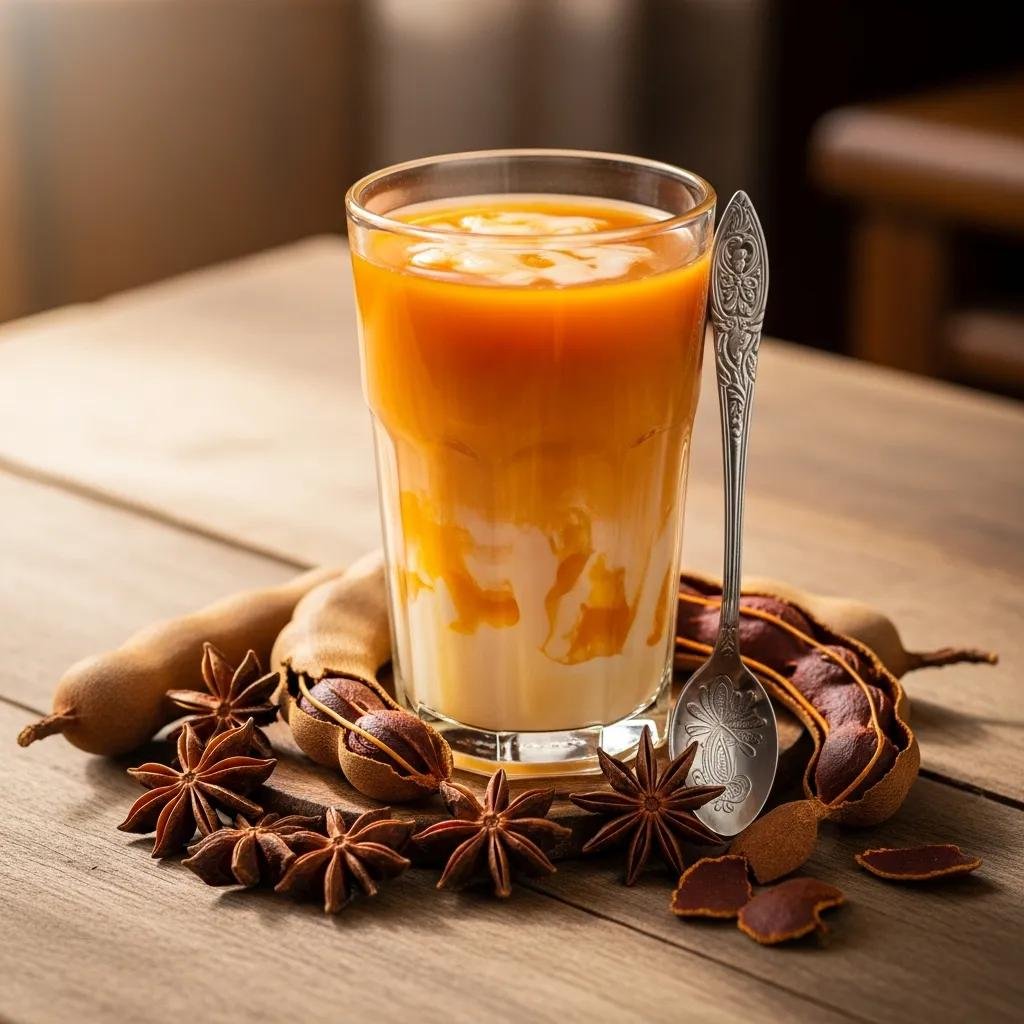
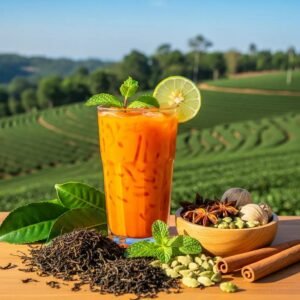
Thai tea is known for its distinctive blend of ingredients and preparation methods that create a recognizable flavor profile. Common components include black tea, spices, and sweeteners, which contribute to its rich taste and vivid color. Spices such as star anise and, in some recipes, tamarind, add depth to the flavor. The addition of sweetened condensed milk or evaporated milk gives Thai tea its creamy texture and sweetness, making it different from many more simply prepared teas.
Which spices and ingredients create Thai tea’s unique taste?
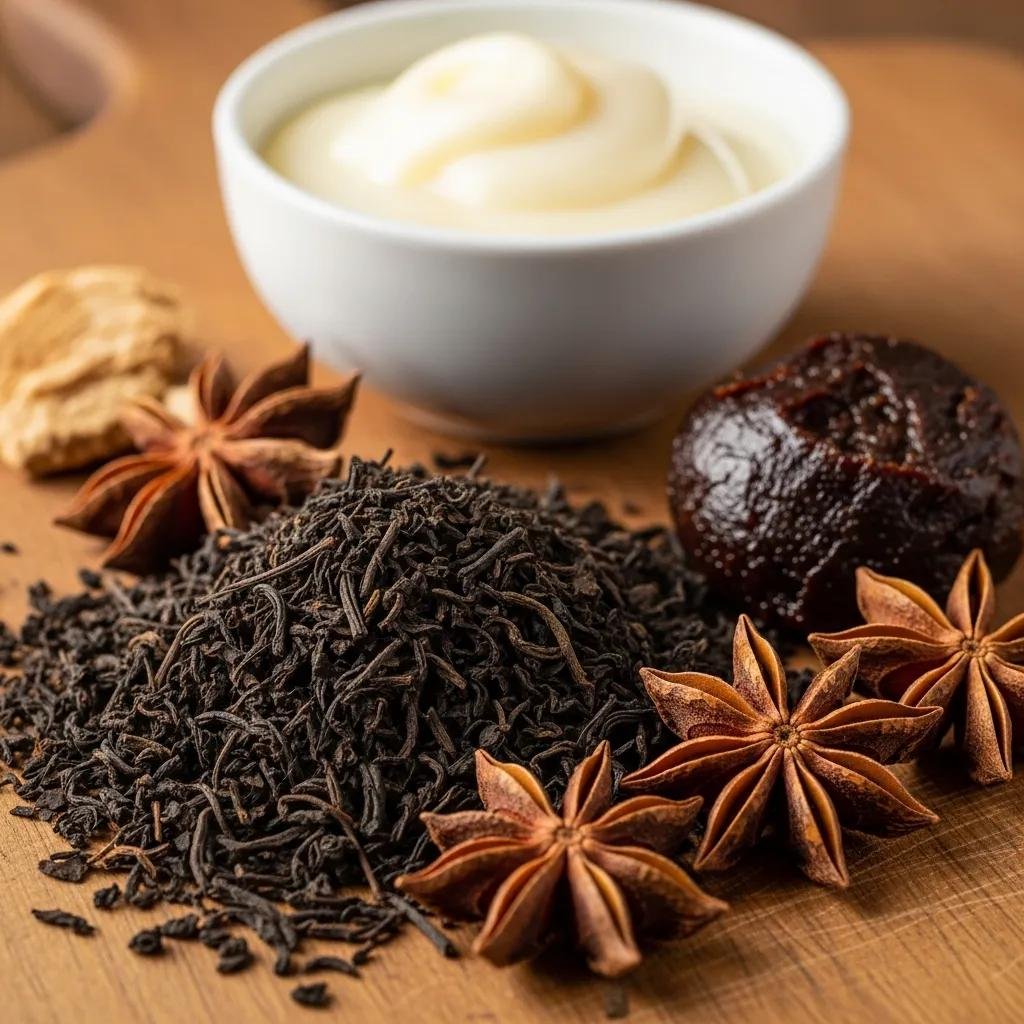
The distinctive taste of Thai tea comes from a combination of specific ingredients, often including:
-
>Black Tea: The base of Thai tea, providing a bold and full-bodied flavor.
>Star Anise: Adds a sweet, licorice-like note that helps shape the drink’s aroma.
>Tamarind: Sometimes used for a slightly tangy note that adds complexity.
>Condensed or Evaporated Milk: Contributes creaminess and sweetness.
These ingredients work together to create a beverage closely associated with Thai culinary traditions.
How does natural versus artificial coloring affect Thai tea?
The coloring of Thai tea can affect both its appearance and how people perceive the drink. Natural coloring, which comes from tea leaves and spices, often produces an amber or deep brown-orange tone. Artificial coloring can create a brighter orange appearance and is sometimes used in commercial blends for visual consistency. Some consumers prefer naturally coloured products for ingredient transparency or personal preference.
What Are the Main Types and Characteristics of Regular Tea?
Regular tea includes several main categories, each with its own processing method, aroma, and taste. The most common types are black, green, oolong, and white teas. Understanding these differences can help readers choose a tea that suits their preferences and occasions.
How do black, green, oolong, and white teas differ in flavor and processing?
The differences among black, green, oolong, and white teas come mainly from how they are processed and oxidized:
-
>Black Tea: Fully oxidized, giving it a darker color and a stronger, bolder flavor. Common examples include Assam and Darjeeling.
>Green Tea: Minimally oxidized, helping preserve its green color and fresher, grassier taste. Popular examples include Sencha and Matcha.
>Oolong Tea: Partially oxidized, with flavors that can range from floral to roasted depending on processing. Tieguanyin is a well-known example.
>White Tea: Lightly processed, often made from young leaves and buds, resulting in a delicate flavor and pale liquor. Silver Needle is a classic example.
These processing methods influence aroma, taste, and appearance.
What are common serving styles and general characteristics of regular teas?
Regular teas are enjoyed in a range of serving styles, including:
-
>Loose Leaf: Often chosen for fuller flavor and aroma.
>Tea Bags: Convenient and easy to prepare.
>Iced Tea: Popular in warmer climates and often served sweetened or with added flavorings.
Depending on the tea type, the flavor may range from grassy and delicate to malty and robust. Serving style, water temperature, and brewing time can all influence the final cup.
How Does Thai Tea Compare to Regular Tea? Key Differences Uncovered
What are the ingredient and preparation differences between Thai tea and regular tea?
The main differences between Thai tea and regular tea lie in their ingredients and preparation methods. Thai tea commonly includes:
-
>Ingredients: Black tea, spices such as star anise, and sweeteners such as sweetened condensed milk.
>Preparation: Often brewed strong and served over ice with milk, creating a creamy and sweet drink.
In contrast, regular tea is often brewed with just tea leaves and hot water, with fewer added ingredients. This leads to a noticeably different drinking experience.
How do flavor, aroma, and color contrast between Thai tea and regular tea?
Thai tea differs from many regular teas in several sensory ways:
-
>Flavor: Usually richer, sweeter, and more spiced.
>Aroma: Often more fragrant because of added spices.
>Color: Commonly orange-amber to deep orange, especially when served with milk.
Regular teas can range from pale green to deep brown depending on the type and brewing method. These differences shape the overall character of each drink.
What Should You Know About Tea Blends and Herbal Blends?
How do caffeine levels vary between tea styles?
Caffeine levels can vary depending on the tea base, blend, and brewing method. Thai tea made with black tea usually contains caffeine, while some herbal blends may be naturally caffeine-free depending on their ingredients. Regular teas also vary, with black tea often containing more caffeine than green tea.
What makes Thai Herbal Tea distinct as a Thai herbal blend?
Tapee Tea is presented as a Thai herbal blend with its own ingredient profile and preparation style. Unlike milk-based Thai tea, herbal blends such as Thai Herbal Tea are typically served without condensed milk and are generally appreciated for their herbal character, aroma, and traditional style of preparation. Product pages should be reviewed for current ingredient, packaging, and brewing details.
How Is Traditional Thai Tea Prepared and Served?
What are the traditional brewing methods and utensils used for Thai tea?
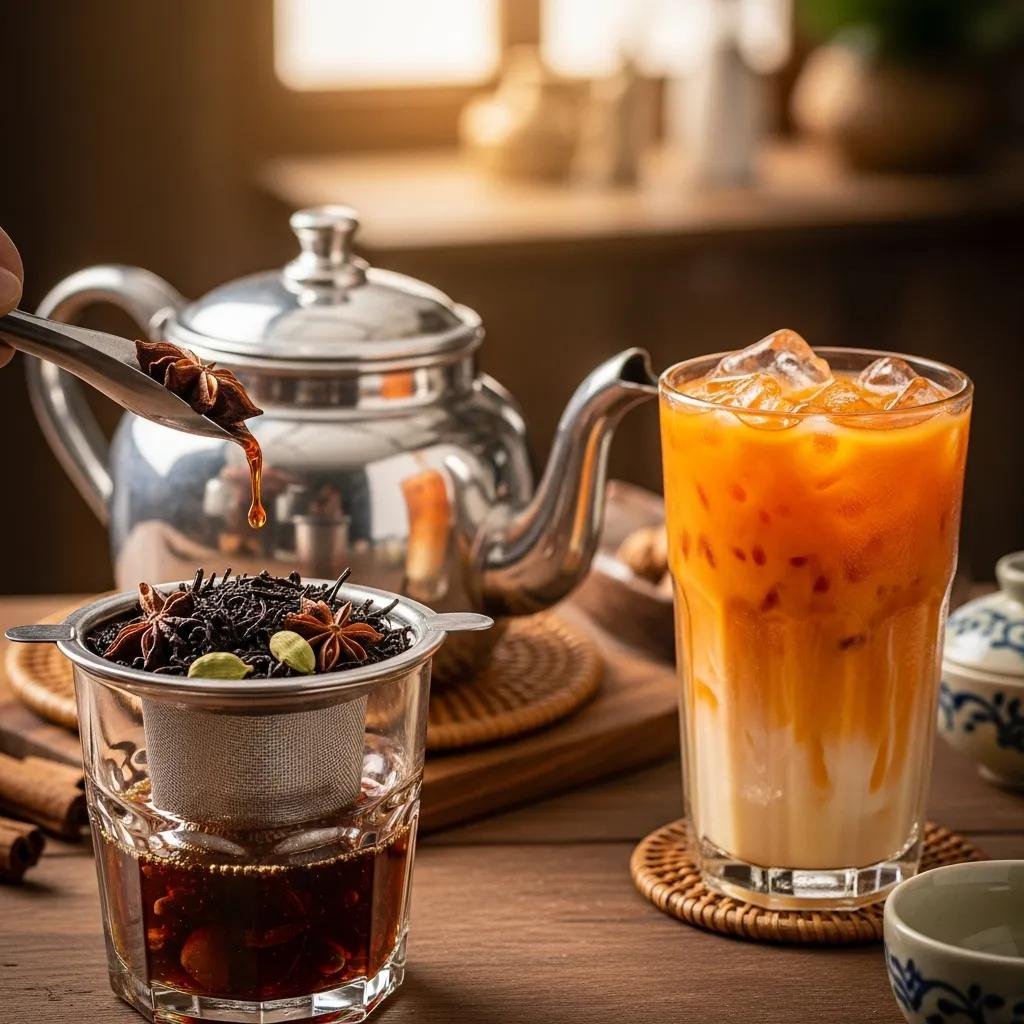
Traditional brewing methods for Thai tea often include:
-
>Brewing: Strongly brewed black tea steeped with spices to develop a fuller flavor.
>Utensils: A tea strainer, cloth sock filter, metal filter cup, or Thai-style tea pot may be used depending on the setting.
These methods help create the concentrated tea base used in many Thai tea drinks.
How do serving styles like Thai iced tea shape the tea experience?
Thai iced tea is one of the best-known serving styles and is popular for several reasons:
-
>Cooling: Serving over ice makes it especially refreshing in warm weather.
>Creaminess: Sweetened condensed milk adds body and sweetness.
>Visual Appeal: Its orange tone and layered look make it visually distinctive.
These elements contribute to the popularity of Thai tea in cafés, restaurants, and street food settings.
How Does Thai Tea Compare Specifically to Black Tea and Milk Tea?
What distinguishes Thai tea from black tea in ingredients and taste?
Thai tea differs from plain black tea mainly in its added ingredients and serving style. While both use black tea as a base, Thai tea often includes:
-
>Spices: Such as star anise and other aromatic ingredients.
>Sweeteners and Milk: Often served with sweetened condensed milk or evaporated milk.
Black tea on its own is more commonly served plain or with only small additions, allowing the tea leaf character to stand out more clearly.
How does Thai tea differ from milk tea varieties globally?
Thai tea is one type of milk tea, but it stands out because of its particular tea base, spice profile, and serving style. Compared with other milk tea varieties, Thai tea is often associated with:
-
>Distinct Spices: Which give it a recognizable aroma and taste.
>Thai Culinary Context: It is closely linked to Thai cafés, restaurants, and street food culture.
These characteristics give Thai tea a recognizable identity among global milk tea styles.
What Is the Cultural Significance of Thai Tea in Thailand?
How has Thai tea influenced Thai cuisine and street food culture?
Thai tea has an established place in Thai food culture and is commonly served alongside a wide range of dishes. It is often enjoyed with flavorful meals and is widely available from cafés, restaurants, and street food vendors.
What historical and social roles does Thai tea play in Thailand?
Thai tea also carries a social and cultural dimension. It is often shared in casual gatherings, sold in busy public spaces, and associated with everyday food culture in Thailand. Over time, it has become one of the most recognizable Thai beverages for both locals and visitors.
Why Explore ArtisanThai’s Thai Tea Collection? Product Information and Ordering Details
What can readers review about ArtisanThai’s Thai Herbal Tea and other blends?
ArtisanThai presents Tapee Tea and other Thai tea products with product details, packaging information where shown, and related ordering information. Customers can review relevant listing pages, store policies, and shipping information before purchase.
How does ArtisanThai present Thai tea for international customers?
ArtisanThai offers online access to selected Thai tea and herbal blend products for international customers. Shipping availability, checkout options, and destination details are shown during checkout, allowing customers to review the available options for their location.
Important Notice: The information in this article is for general cultural and educational purposes only and is not medical advice. Tea and herbal tea products are food products and are not intended to diagnose, treat, cure, or prevent any disease. Always review product details carefully and consult a qualified healthcare professional if you have questions about ingredients or whether a product is suitable for your circumstances.
 English
 Chinese
 French
 German
 Hindi
Hindi Indonesian
 Malay
Malay Portuguese
 Spanish