
Thai Handicrafts vs. Mass-Produced Items: Understanding Quality, Authenticity, and Value
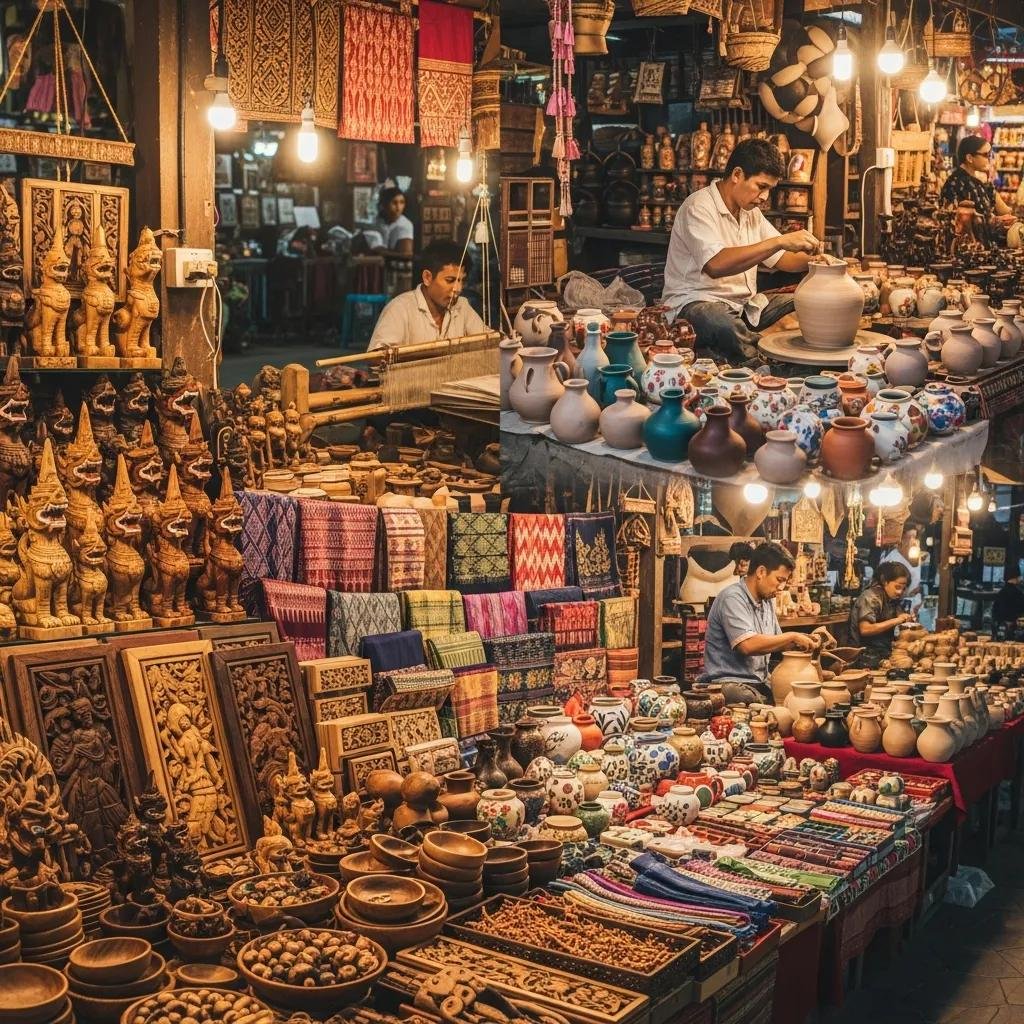
Thai handicrafts represent a rich tapestry of cultural heritage, showcasing the artistry and skills of local artisans. In contrast, mass-produced items often prioritize efficiency and cost over quality and authenticity. This article delves into the key differences between handmade Thai crafts and their factory-made counterparts, highlighting the unique qualities that make authentic Thai handicrafts valuable. Readers will learn about the craftsmanship behind these products, the benefits of supporting local artisans, and how to identify genuine items in a market flooded with mass production. By understanding these distinctions, consumers can make informed choices that honor tradition and promote sustainability.
The discussion will cover the fundamental differences between handmade and mass-produced products, the benefits of choosing authentic Thai handicrafts, and how to ensure quality and authenticity when purchasing. Additionally, we will explore the cultural significance embedded in these crafts and provide guidance on identifying genuine items.
What Are the Key Differences Between Handmade Thai Handicrafts and Mass-Produced Products?
Handmade Thai handicrafts and mass-produced products differ significantly in terms of quality, uniqueness, and cultural significance. Handmade items are often crafted using traditional techniques passed down through generations, resulting in unique pieces that reflect the artisan‘s skill and creativity. In contrast, mass-produced items are manufactured in factories, focusing on uniformity and cost-effectiveness, which can compromise quality and authenticity.
How Do Traditional Thai Craftsmanship and Factory Production Methods Compare?
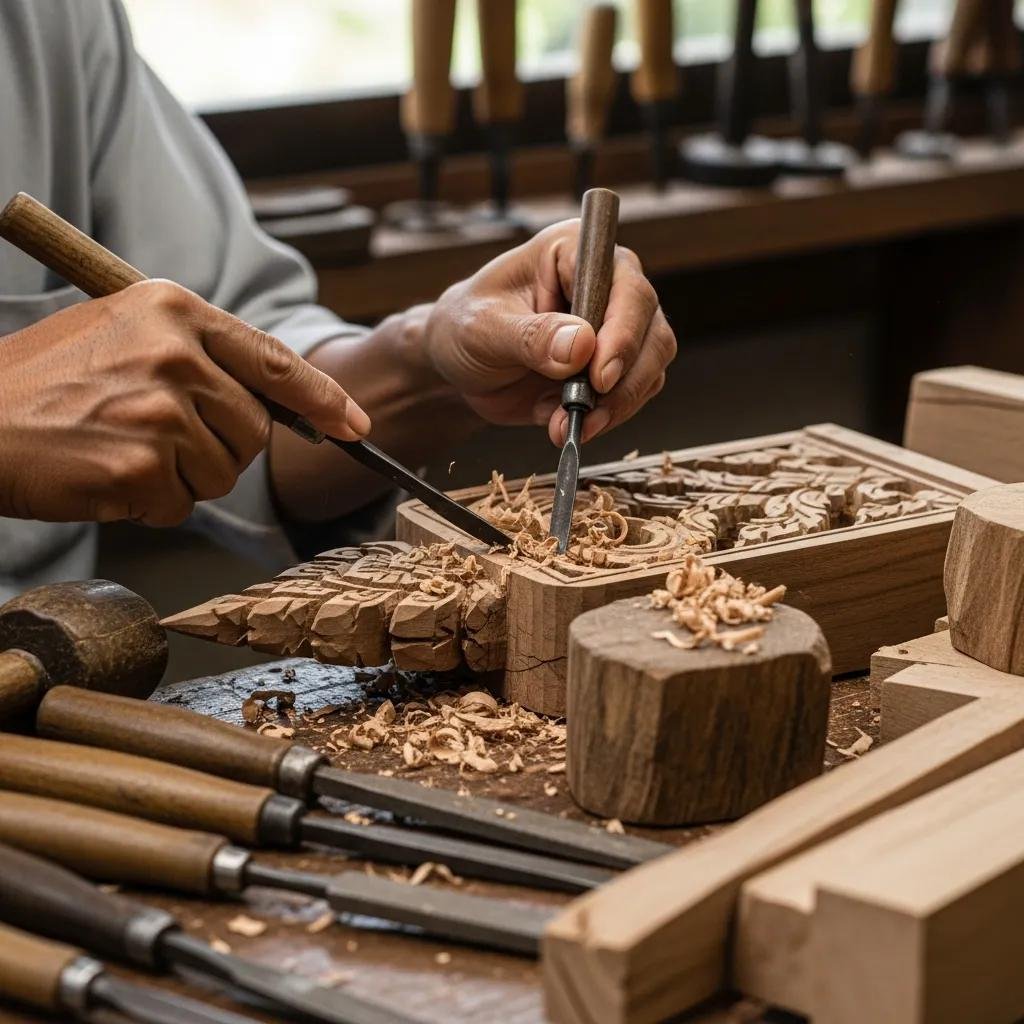
Traditional Thai craftsmanship involves meticulous techniques that require time, skill, and dedication. Artisans often use natural materials and age-old methods, ensuring that each piece is unique. For example, hand-carved wooden items and Thai silk crafts showcase intricate designs that cannot be replicated by machines. On the other hand, factory production methods prioritize speed and efficiency, leading to standardized products that lack the personal touch of handmade goods. This difference in production methods directly impacts the quality and durability of the final products.
What Roles Do Uniqueness, Durability, and Quality Play in Handmade vs. Mass-Produced Goods?
Uniqueness is a hallmark of handmade Thai handicrafts, as each item tells a story and embodies the artisan‘s personal touch. This uniqueness often translates to higher durability, as artisans take pride in their work and use quality materials. In contrast, mass-produced goods may lack durability due to the use of cheaper materials and rushed production processes. Consumers increasingly value quality and uniqueness, making handmade items more desirable despite potentially higher prices.
The perception of authenticity and the consumer‘s experience in these markets are crucial aspects of this value.
Authenticity & Craftsmanship in Thai Handicraft Markets
Is the play of authenticity the mere amusement one feels by walking into a colorful place where one can see the carver carve, the painter paint, and ‘authentic’ cultural traditions be born-again? Is the shopper carefree, behaving playfully from one moment to the next in the midst of a shopping experience that has more to do with what one experiences than what one can ‘rationally’ assess about the qualities of the objects for sale?
The play of authenticity in Thai handicraft markets, FF Wherry, 2002
Why Choose Authentic Thai Handicrafts: Benefits Over Factory-Made Alternatives
Choosing authentic Thai handicrafts offers numerous benefits that extend beyond mere aesthetics. Supporting local artisans helps preserve cultural heritage and promotes sustainable practices. By purchasing handmade items, consumers contribute to the livelihoods of artisans and their communities, fostering economic growth and cultural preservation.
Indeed, studies confirm that various consumer values, including social responsibility, significantly drive the intent to purchase such cultural products.
Consumer Value & Purchase Intent for Thai Cultural Products
This study investigates consumers’ value perceptions and their intentions to purchase Thai cultural products by extending the theory of consumption value through four values that influence perceived value of product attitude, which also affect purchase intention and customer satisfaction. The results indicated that four values (i.e., functional, social, emotional, and social responsibility) positively affect Thai cultural product purchase intention and customer satisfaction.
Domestic customers’ perceived value toward Thai cultural products, 2021
How Do Handmade Thai Products Support Local Artisans and Cultural Preservation?
Handmade Thai products play a crucial role in supporting local artisans by providing them with a sustainable income. This economic support enables artisans to continue their craft, preserving traditional techniques and cultural heritage. For instance, purchasing hand-carved wooden items or Thai pottery directly benefits the artisans and their families, ensuring that these skills are passed down to future generations. Additionally, the sale of these crafts often funds community projects, further enhancing the social fabric of local cultures.
What Are the Environmental and Ethical Advantages of Buying Handmade Thai Crafts?
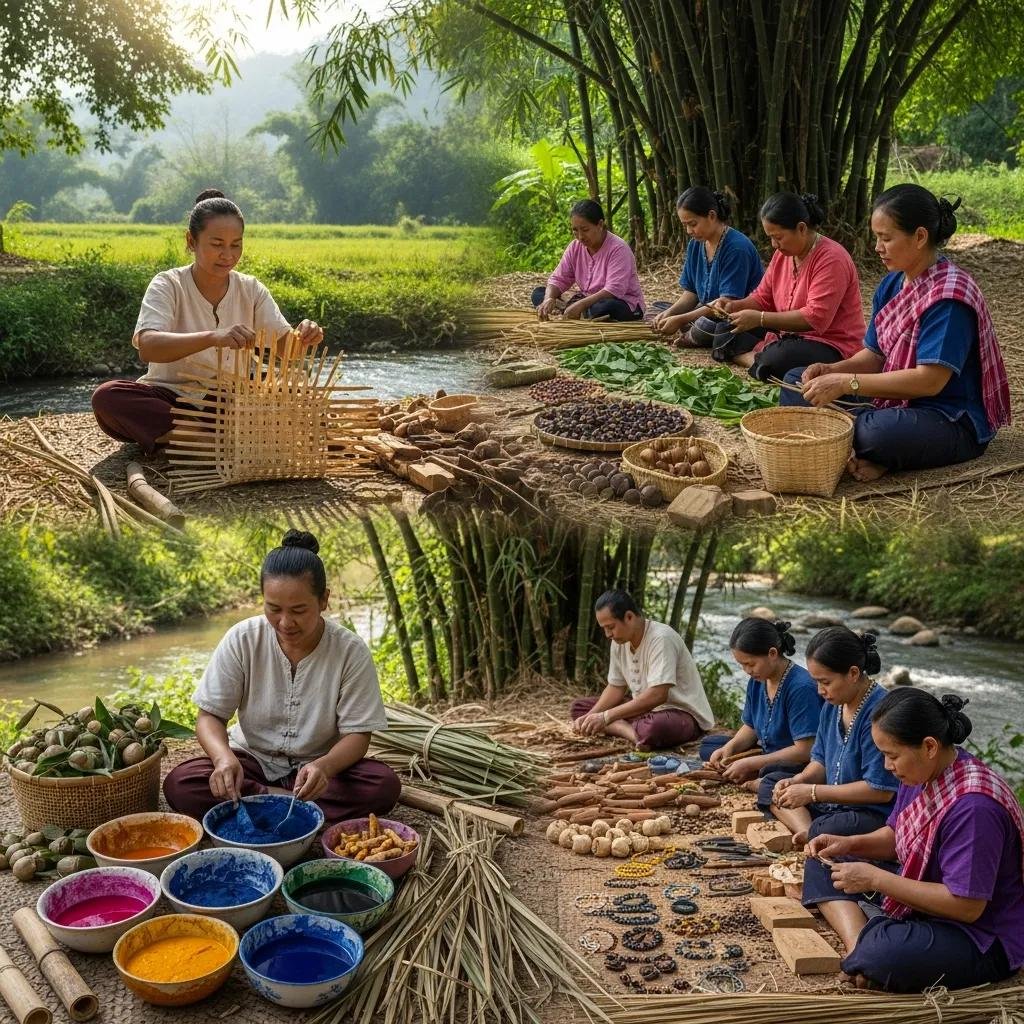
Buying handmade Thai crafts also has environmental and ethical advantages. Many artisans use sustainable materials and practices, reducing the carbon footprint associated with mass production. For example, natural dyes and locally sourced materials minimize environmental impact. Furthermore, ethical sourcing ensures that artisans receive fair compensation for their work, promoting social equity and community development. By choosing handmade products, consumers can align their purchasing decisions with their values, supporting a more sustainable and ethical marketplace.
How Does ArtisanThai Ensure Authenticity and Quality in Thai Handicrafts and Herbal Teas?
ArtisanThai is committed to providing authentic Thai handicrafts and premium herbal teas, ensuring that customers receive high-quality products. The company emphasizes ethical sourcing and quality assurance, which are critical in maintaining the integrity of its offerings.
What Certification and Ethical Sourcing Practices Does ArtisanThai Follow?
ArtisanThai follows strict certification and ethical sourcing practices to guarantee the authenticity of its products. The company collaborates with local artisans who adhere to traditional crafting methods, ensuring that each item reflects genuine Thai craftsmanship. Additionally, ArtisanThai sources its herbal teas from certified organic farms, promoting sustainable agricultural practices. This commitment to quality and ethics not only enhances the products but also supports the artisans and their communities.
How Does ArtisanThai’s Product Range Reflect Traditional Thai Craftsmanship and Wellness?
ArtisanThai’s product range showcases the beauty of traditional Thai craftsmanship while promoting wellness through its herbal teas. Each item, from hand-carved wooden crafts to intricately woven textiles, embodies the rich cultural heritage of Thailand. The herbal teas, such as those made from locally sourced ingredients, offer health benefits that align with traditional Thai wellness practices. By choosing ArtisanThai, customers not only acquire unique products but also support the preservation of Thai culture and promote holistic well-being.
What Cultural Significance and Stories Are Embedded in Thai Handicrafts?
Thai handicrafts are steeped in cultural significance, often telling stories that reflect the history and traditions of the region. Each piece carries the essence of its origin, making it more than just a product; it is a cultural artifact that connects consumers to the rich heritage of Thailand.
How Do Regional Traditions Influence the Design and Meaning of Thai Artisan Products?
Regional traditions play a vital role in shaping the design and meaning of Thai artisan products. For instance, the intricate patterns found in Thai silk crafts often reflect local folklore and beliefs, while the colors used in pottery can signify different cultural meanings. These regional influences not only enhance the aesthetic appeal of the crafts but also provide insight into the cultural narratives that define Thai identity.
Why Is Preserving Thai Craft Heritage Important in the Modern Market?
Preserving Thai craft heritage is essential in the modern market as it fosters cultural identity and continuity. As globalization increases, traditional crafts face the risk of being overshadowed by mass-produced alternatives. By supporting authentic Thai handicrafts, consumers help sustain these traditions, ensuring that future generations can appreciate and learn from their cultural heritage. This preservation is crucial for maintaining the diversity and richness of global culture.
How Can Buyers Identify Genuine Thai Handicrafts and Avoid Mass-Produced Counterfeits?
Identifying genuine Thai handicrafts requires an understanding of authenticity markers and quality indicators. Buyers should be aware of specific characteristics that distinguish handmade items from mass-produced counterfeits.
What Are the Key Authenticity Markers and Quality Indicators for Thai Handmade Goods?
- Craftsmanship Quality: Examine the details and finish of the item; handmade products often exhibit unique imperfections that reflect the artisan‘s skill.
- Material Composition: Authentic items are typically made from natural materials, while mass-produced goods may use synthetic alternatives.
- Artisan Signatures: Many artisans include their signatures or marks, indicating the origin and authenticity of the product.
By recognizing these indicators, consumers can make informed purchasing decisions and support genuine craftsmanship.
How Does Thai FDA Certification Apply to Herbal Products Like Tapee Tea?
Thai FDA certification plays a crucial role in ensuring the safety and quality of herbal products, including Tapee Tea. This certification guarantees that the products meet specific health and safety standards, providing consumers with confidence in their purchases. For instance, Tapee Tea, made from carefully selected organic herbs, is certified to ensure it is free from harmful additives and contaminants. This commitment to quality not only protects consumers but also reinforces the integrity of Thai herbal products in the global market.
What Are the Unique Qualities of Tapee Tea as a Handcrafted Thai Herbal Wellness Product?
Tapee Tea stands out as a unique handcrafted Thai herbal wellness product, offering a blend of health benefits derived from traditional ingredients. Its formulation reflects the rich heritage of Thai herbal medicine, making it a sought-after choice for wellness enthusiasts.
Which Organic Thai Herbs and Traditional Methods Define Tapee Tea’s Wellness Benefits?
Tapee Tea is crafted using a selection of organic Thai herbs known for their health benefits. Key ingredients include lemongrass, ginger, and pandan leaves, each contributing to the tea’s unique flavor and therapeutic properties. Traditional preparation methods, such as slow brewing, enhance the extraction of beneficial compounds, ensuring that each cup delivers maximum wellness benefits. This careful attention to detail in both ingredient selection and preparation underscores the commitment to quality that defines Tapee Tea.
How Does Tapee Tea Complement the ArtisanThai Commitment to Authenticity and Quality?
Tapee Tea exemplifies ArtisanThai’s dedication to authenticity and quality. By sourcing organic herbs from local farmers and employing traditional crafting methods, ArtisanThai ensures that each batch of Tapee Tea reflects the essence of Thai culture and wellness. This commitment not only supports local agriculture but also provides consumers with a product that embodies the values of sustainability and ethical sourcing. As a result, Tapee Tea serves as a perfect representation of the intersection between traditional craftsmanship and modern wellness practices.

 English
 Chinese
 French
 German
 Hindi
Hindi Indonesian
 Malay
Malay Portuguese
 Spanish