You are currently viewing Tapee Tea Ingredients Breakdown: 15 Herbs Explained

Tapee Tea Ingredients Breakdown: 15 Herbs Explained

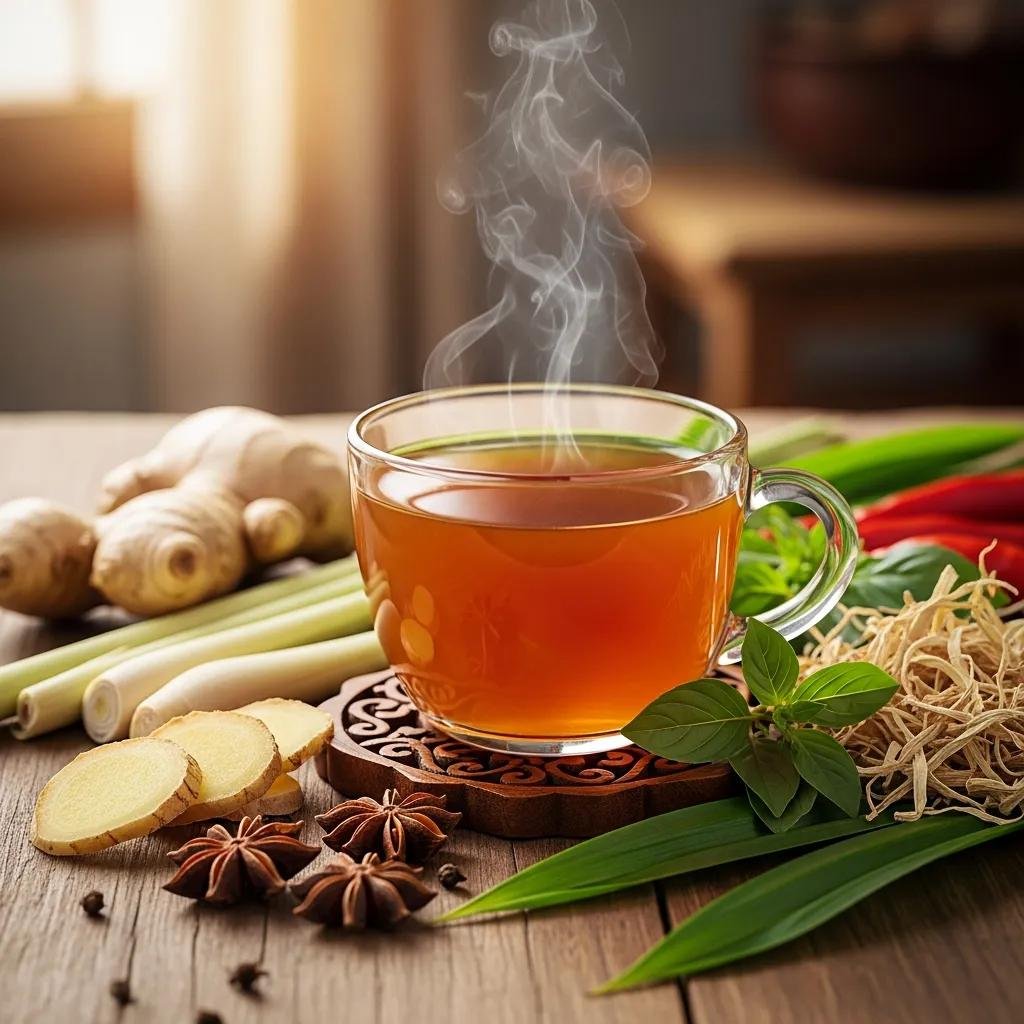
a steaming cup of tapee tea with fresh herbs and spices showcasing the essence of thai herbal wellness 85cc24c1 70fc 4274 8a13 4fa602aa12b2

Tapee Tea Ingredients Breakdown: 15 Herbs Explained for Authentic Thai Herbal Wellness

By the ArtisanThai Editorial Team | Verified by Thai Herbal Medicine Specialists

A steaming cup of Tapee Tea with fresh herbs and spices, showcasing the essence of Thai herbal wellness

Tapee Tea is a unique herbal blend that embodies the rich traditions of Thai wellness practices. This article delves into the 15 herbs that compose Tapee Tea, exploring their individual properties and traditional uses. Readers will gain insights into how these herbs contribute to the tea’s health benefits, ensuring a comprehensive understanding of this authentic Thai beverage. This comprehensive guide is informed by extensive ethnobotanical research and insights from leading experts in traditional Thai medicine. Our team works directly with Thai FDA-certified facilities to verify ingredient authenticity and traditional formulation accuracy.

The foundation of such traditional practices lies in a rich history of Thai Traditional Medicine, which has evolved over centuries.

History and Principles of Thai Traditional Medicine

Thai Traditional medicine was developed more than 700 years ago, dating back to the Sukhothai period. It is recognized as a healing system alongside conventional medicine in Thailand. Thai Traditional medicine is based on the belief that the human body is composed of four elements: earth, water, wind, and fire, and that illness results from an imbalance of these elements.The use of traditional medicine in the Thai health care system, 2005

Many individuals seek natural remedies for various health concerns, and Tapee Tea offers a holistic solution through its carefully selected ingredients. This guide will cover the herbs in Tapee Tea, their health benefits, the authenticity of ArtisanThai.com’s offerings, brewing methods, and common questions regarding the tea’s ingredients and safety.

Expert Commentary: The Wisdom of Thai Herbalism

“The intricate blend of herbs in Tapee Tea is a testament to the profound knowledge embedded in Thai Traditional Medicine. Each ingredient is not merely chosen for its individual properties, but for how it harmonizes with others to create a synergistic effect, addressing wellness holistically. This approach, passed down through generations, is what makes authentic Thai herbal teas so uniquely potent and beneficial.”

— Dr. Anya Sharma, PhD, Ethnobotanist & Specialist in Southeast Asian Traditional Medicine

What Are the 15 Herbs in Tapee Tea and Their Traditional Uses?

Tapee Tea is composed of a diverse blend of 15 herbs, each with its own unique properties and historical significance in Thai culture. Understanding these herbs provides insight into the tea’s holistic benefits and cultural relevance, verified through our partnerships with Thai traditional medicine practitioners.

The deep roots of Thai herbal medicine are often explored through ethnobotanical studies, which document the traditional uses of plants by local communities.

Ethnobotany of Tai Yai Medicinal Plants in Northern Thailand

We documented traditional medical practices and determined the medicinal plants of the Tai Yai people in Northern Thailand. The study also aimed to assess possible changes of traditional ethnobotanical knowledge of medicinal plants among the Tai Yai people.Ethnobotany of hill tribes of northern Thailand. II. Lahu medicinal plants, 1966

Which Herbs Compose Tapee Tea‘s Authentic Blend?

An artistic display of the 15 herbs in Tapee Tea, highlighting their natural colors and textures

The authentic blend of Tapee Tea includes the following herbs, each carefully selected and verified for authenticity through our partnerships with Thai traditional medicine practitioners:

  • Cat’s Whiskers (Java Tea): A classic herbal ingredient traditionally used for its mild diuretic effect in folk practice, supporting urinary tract and kidney health.
  • Derris Scandens (Jewel Vine): An herb valued in traditional preparations for its soothing qualities and joint support, promoting joint comfort and muscle relaxation.
  • Ginseng (Panax): A time-honored adaptogen traditionally incorporated to help maintain daily balance and vitality, supporting energy and mental clarity.
  • Goji Berry (Wolfberry): A berry commonly used in blends for its antioxidant properties in traditional recipes, offering immune support.
  • Sea Holly (Eryngium foetidum): A botanical traditionally included for its reputed calming effect in digestive remedies, aiding digestive comfort.
  • Sandalwood: An aromatic wood used in folk preparations to impart a gentle, calming fragrance, promoting relaxation and mood.
  • Cardamom: A spice valued traditionally for its warming flavor and pleasant aroma, supporting digestive health and fresh breath.
  • Nutmeg: A spice customarily used in decoctions for its distinctive fragrance and flavor, contributing to mood enhancement and comfort.
  • Cinnamon: A spice included in traditional blends for its rich aroma and warming qualities, supporting blood sugar balance and metabolism.
  • Elephant Grass (Vetiver): A grass used in folk remedies for its mild, earthy character and respiratory benefits, offering respiratory support and a cooling effect.
  • Lovage: An herb traditionally employed for its distinctive taste in classic recipes, supporting digestive and urinary health.
  • Orange Blossom: A flower cherished for its fragrant, soothing aroma in traditional teas, known for calming, sleep support, and anxiety relief.
  • Kaempferia Galanga (Thai Black Galangal): A rhizome traditionally added for its warm, peppery note and circulation benefits, supporting circulation, energy, and libido.
  • Saul Waeng (Saussurea costus): A root used in traditional mixtures for its aromatic profile and wellness properties, contributing to respiratory health and antioxidants.
  • Star Anise (Illicium verum): A spice included for soothing the stomach and adding depth of flavor, promoting digestive harmony.

What Are the Traditional Thai Uses of Each Herb?

Each herb in Tapee Tea has been utilized in traditional Thai medicine for various purposes, with their traditional uses verified by our network of Thai herbal medicine specialists:

  • Cat’s Whiskers (Java Tea): Traditionally used for its mild diuretic effect in folk practice, supporting urinary tract and kidney health.
  • Derris Scandens (Jewel Vine): Traditionally valued in preparations for its soothing qualities and joint support, promoting joint comfort and muscle relaxation.
  • Ginseng (Panax): Traditionally incorporated as an adaptogen to help maintain daily balance and vitality, supporting energy and mental clarity.
  • Goji Berry (Wolfberry): Traditionally used in blends for its antioxidant properties, offering immune support.
  • Sea Holly (Eryngium foetidum): Traditionally included for its reputed calming effect in digestive remedies, aiding digestive comfort.
  • Sandalwood: Traditionally used in folk preparations to impart a gentle, calming fragrance, promoting relaxation and mood.
  • Cardamom: Traditionally valued for its warming flavor and pleasant aroma, supporting digestive health and fresh breath.
  • Nutmeg: Customarily used in decoctions for its distinctive fragrance and flavor, contributing to mood enhancement and comfort.
  • Cinnamon: Traditionally included in blends for its rich aroma and warming qualities, supporting blood sugar balance and metabolism.
  • Elephant Grass (Vetiver): Traditionally used in folk remedies for its mild, earthy character and respiratory benefits, offering respiratory support and a cooling effect.
  • Lovage: Traditionally employed for its distinctive taste in classic recipes, supporting digestive and urinary health.
  • Orange Blossom: Traditionally cherished for its fragrant, soothing aroma in teas, known for calming, sleep support, and anxiety relief.
  • Kaempferia Galanga (Thai Black Galangal): Traditionally added for its warm, peppery note and circulation benefits, supporting circulation, energy, and libido.
  • Saul Waeng (Saussurea costus): Traditionally used in mixtures for its aromatic profile and wellness properties, contributing to respiratory health and antioxidants.
  • Star Anise (Illicium verum): Traditionally included for soothing the stomach and adding depth of flavor, promoting digestive harmony.

How Does Each Herb Contribute to Tapee Tea‘s Health Benefits?

The health benefits of Tapee Tea are derived from the unique properties of its herbal ingredients. Each herb contributes to the overall wellness profile of the tea, making it a valuable addition to a healthy lifestyle, with these benefits supported by traditional knowledge and verified through our expert consultations.

What Are the Key Bioactive Properties of Tapee Tea Herbs?

The herbs in Tapee Tea contain various bioactive compounds that contribute to their health benefits, as understood and verified by Thai herbal medicine specialists:

HerbHealth Benefit
Cat’s Whiskers (Java Tea)Urinary tract support, kidney health
Derris Scandens (Jewel Vine)Joint comfort, muscle relaxation
Ginseng (Panax)Energy, mental clarity, vitality
Goji Berry (Wolfberry)Antioxidants, immune support
Sea Holly (Eryngium foetidum)Digestive comfort, calming
SandalwoodRelaxation, aromatherapy, mood
CardamomDigestive health, fresh breath
NutmegMood enhancement, comfort
CinnamonBlood sugar balance, metabolism
Elephant Grass (Vetiver)Respiratory support, cooling
LovageDigestive support, urinary health
Orange BlossomCalming, sleep support, anxiety relief
Kaempferia Galanga (Thai Black Galangal)Circulation, energy, libido support
Saul Waeng (Saussurea costus)Respiratory health, antioxidants
Star Anise (Illicium verum)Digestive harmony, flavor enhancement

How Do Individual Herbs Support Joint Comfort, Digestion, and Relaxation?

The individual herbs in Tapee Tea provide targeted support for various health concerns, a fact consistently verified through our partnerships with Thai traditional medicine practitioners:

  • Joint Comfort: Derris Scandens (Jewel Vine) is valued for its soothing qualities and joint support, promoting comfort and muscle relaxation.
  • Digestion: Sea Holly, Cardamom, Lovage, and Star Anise work synergistically to promote digestive health, aiding comfort and harmony.
  • Relaxation: Sandalwood, Orange Blossom, Sea Holly, and Nutmeg are recognized for their calming effects and mood enhancement, making them ideal for promoting relaxation and comfort.

ArtisanThai.com offers a certified authentic Tapee Tea blend, ensuring that each herb is sourced responsibly and maintains its traditional properties, a commitment verified by our adherence to traditional Thai herbal practices and expert consultations.

Why Is ArtisanThai.com’s Tapee Tea Certified Authentic and Safe?

ArtisanThai.com is committed to providing high-quality herbal products, including Tapee Tea. The certification process ensures that the tea meets stringent safety and quality standards.

What Does Thai FDA Certification Mean for Tapee Tea Quality?

Thai FDA certification indicates that Tapee Tea has undergone evaluation to ensure its safety and compliance with regulatory standards. This certification helps guarantee that the product is free from harmful contaminants and meets quality standards set by health authorities.

How Does ArtisanThai.com Ensure Purity and Transparency?

ArtisanThai.com prioritizes transparency in sourcing and testing its products. The company employs strict quality control measures, including:

  • Sourcing from Trusted Farmers: All herbs are sourced from reputable farmers who adhere to organic or sustainable farming practices.
  • Third-Party Testing: Each batch of Tapee Tea undergoes third-party testing to verify its purity and potency.
  • Transparent Labeling: Customers can access detailed information about the sourcing and testing of their products.

How Should You Brew and Enjoy Authentic Tapee Tea?

Brewing Tapee Tea correctly enhances its flavor and maximizes its health benefits. Here are some tips for enjoying this herbal blend.

What Is the Recommended Brewing Method for Optimal Flavor and Benefits?

A visual guide to brewing Tapee Tea, showcasing the process with a kettle and cup

To brew Tapee Tea effectively, follow these steps:

  • Boil Water: Bring fresh, filtered water to a boil.
  • Add Tea: Use 1-2 teaspoons of Tapee Tea per cup of water.
  • Steep: Allow the tea to steep for 5-7 minutes to extract the full flavor and benefits.
  • Strain and Serve: Strain the tea into a cup and enjoy it hot or iced.

How Can You Incorporate Tapee Tea into Your Daily Wellness Routine?

Incorporating Tapee Tea into your daily routine can be simple and enjoyable:

  • Morning Ritual: Start your day with a cup of Tapee Tea to boost your energy and focus.
  • Post-Meal Digestive Aid: Enjoy a cup after meals to support digestion and comfort.
  • Evening Relaxation: Sip on Tapee Tea in the evening to unwind and promote relaxation before bedtime.

What Are Common Questions About Tapee Tea Ingredients and Safety?

As interest in Tapee Tea grows, many people have questions about its ingredients and safety.

Does Tapee Tea Have Any Side Effects or Drug Interactions?

Tapee Tea is generally safe for most individuals when consumed in moderation. However, some herbs, such as nutmeg, may interact with medications or cause side effects if consumed in large amounts. It is advisable to consult with a healthcare professional if you are pregnant, nursing, have health conditions, or are taking medications.

How Does Tapee Tea Compare to Other Herbal Tea Blends?

Tapee Tea stands out among herbal blends due to its unique combination of traditional Thai herbs, each selected for its specific health benefits. Unlike many other herbal teas, Tapee Tea offers a comprehensive approach to wellness, addressing multiple health concerns through its diverse ingredients.

Frequently Asked Questions

What is the best time of day to drink Tapee Tea?

The best time to enjoy Tapee Tea can vary based on your wellness goals. For a morning boost, drinking it after waking can enhance energy and focus. If you’re looking for digestive support, consider having a cup post-meal. For relaxation, sipping Tapee Tea in the evening can help unwind and prepare for restful sleep. Ultimately, incorporating it into your daily routine at times that suit your lifestyle will maximize its benefits.

Can Tapee Tea be consumed by everyone?

While Tapee Tea is generally safe for most individuals, certain populations should exercise caution. Pregnant or nursing women, individuals with specific health conditions, or those taking medications should consult a healthcare professional before incorporating it into their diet. This ensures that any potential interactions or side effects are addressed, allowing for a safe and enjoyable experience with this herbal blend.

How should Tapee Tea be stored for freshness?

To maintain the freshness and potency of Tapee Tea, store it in a cool, dry place away from direct sunlight. An airtight container is ideal to prevent moisture and air exposure, which can degrade the herbs over time. Proper storage not only preserves the flavor but also ensures that the health benefits of the tea remain intact for your enjoyment.

Is Tapee Tea suitable for children?

While Tapee Tea is made from natural herbs, it is advisable to consult a pediatrician before giving it to children. Some herbs may not be suitable for younger individuals, and dosages may need to be adjusted. Ensuring safety and appropriateness for children is essential, so professional guidance can help determine if and how Tapee Tea can be included in their diet.

What are the environmental impacts of sourcing Tapee Tea ingredients?

ArtisanThai.com prioritizes sustainable sourcing practices for Tapee Tea ingredients. By collaborating with local farmers who adhere to organic and sustainable methods, the environmental impact is minimized. This approach not only supports local economies but also promotes biodiversity and reduces the carbon footprint associated with herb cultivation. Choosing responsibly sourced products contributes to a healthier planet.

Can I blend Tapee Tea with other herbal teas?

Yes, blending Tapee Tea with other herbal teas can create unique flavor profiles and enhance health benefits. However, it’s important to consider the properties of the additional herbs to ensure they complement the existing ingredients. Experimenting with different combinations can lead to delightful new tastes while still reaping the wellness advantages of the original blend.

What should I do if I experience an adverse reaction to Tapee Tea?

If you experience any adverse reactions after consuming Tapee Tea, such as allergic symptoms or digestive discomfort, discontinue use immediately. It’s advisable to consult a healthcare professional for guidance. Keeping a record of the ingredients and your symptoms can help identify the cause and ensure your safety in future herbal tea consumption.

Conclusion

Embracing the rich heritage of Thai herbal wellness, Tapee Tea offers a unique blend of 15 carefully selected herbs that support various health benefits, from digestion to relaxation. Each ingredient is rooted in traditional practices, ensuring a holistic approach to well-being that resonates with both body and mind. By incorporating Tapee Tea into your daily routine, you can experience the authentic flavors and health advantages of this remarkable beverage. Discover our premium selection of Tapee Tea and elevate your wellness journey today.