🔑 Key Takeaways
- Authentic Thai teas are defined not only by ingredients but also by preparation methods and the social settings in which they are served.
- Thai botanical teas draw on ingredients that have long been part of Thai and regional culinary traditions.
- Flavour, aroma, and ritual are at the heart of how Thai teas are enjoyed every day.
Exploring Authentic Thai Teas: Culture, Ingredients, and Flavour
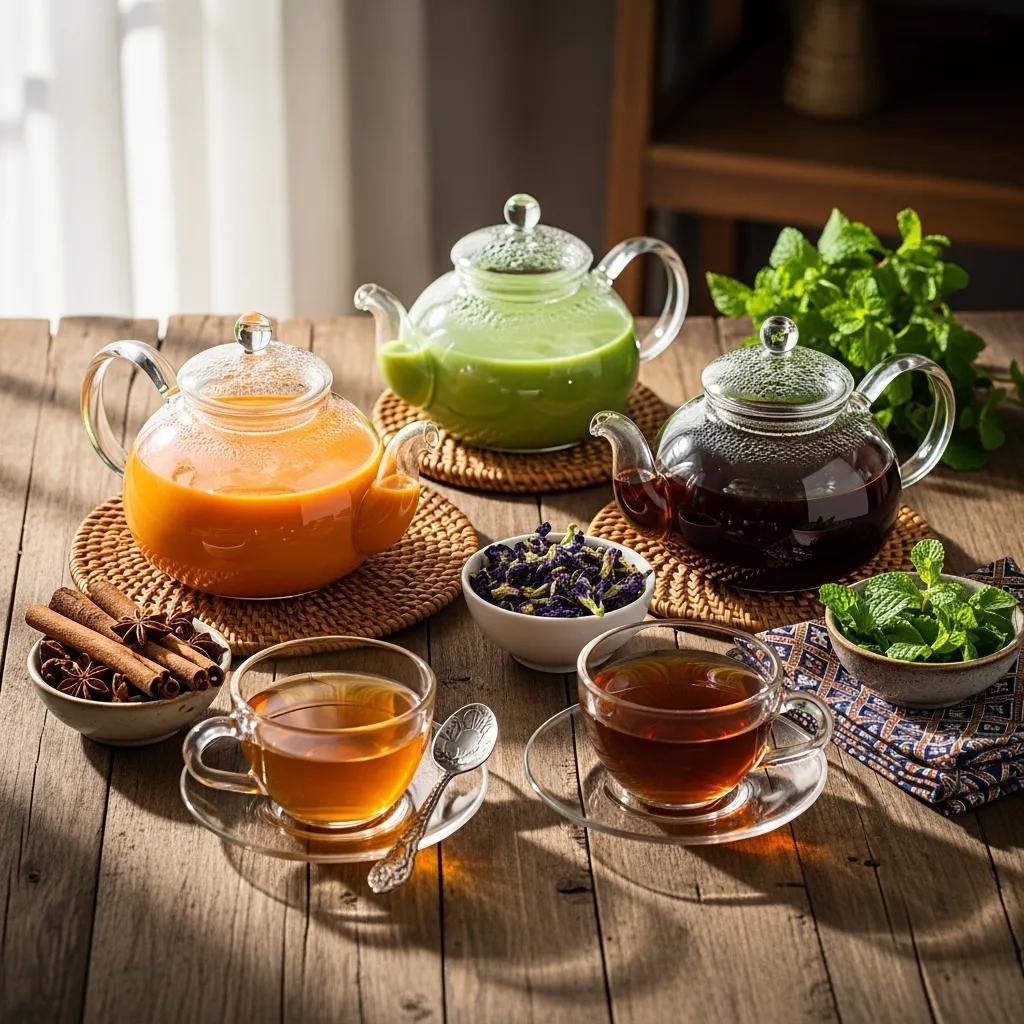
Authentic Thai teas sit at the crossroads of flavour, culture, and daily ritual. They range from classic Thai milk tea made with black tea and sweetened milk to botanical infusions that highlight Thai plants such as lemongrass, ginger, and holy basil. This article introduces how these teas are traditionally prepared, what makes them uniquely Thai, and how they can fit into a modern lifestyle as enjoyable everyday drinks.
You will learn how Thai teas are defined in a cultural context, which ingredients commonly appear in botanical blends, and how products such as Thai Botanical Tea bring multiple Thai plants together in a single cup. We also explain how ArtisanThai approaches authenticity and ethical sourcing so you can choose teas that respect Thai traditions and meet contemporary quality expectations. For more background, see Thai tea traditions.
What Are Authentic Thai Teas and Why Are They Culturally Significant?
Authentic Thai teas are defined not only by ingredients but also by preparation methods and the social settings in which they are served. They often feature local herbs, spices, and strong black teas, reflecting Thailand's culinary style and climate. In many families and communities, tea is part of gatherings, hospitality, and shared pauses in the day.
How Is Authentic Thai Tea Typically Defined?
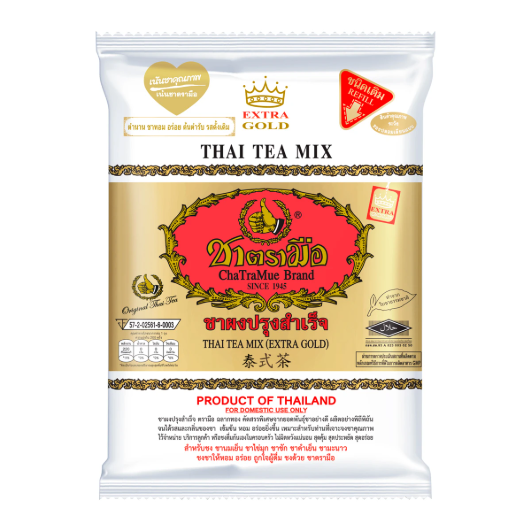
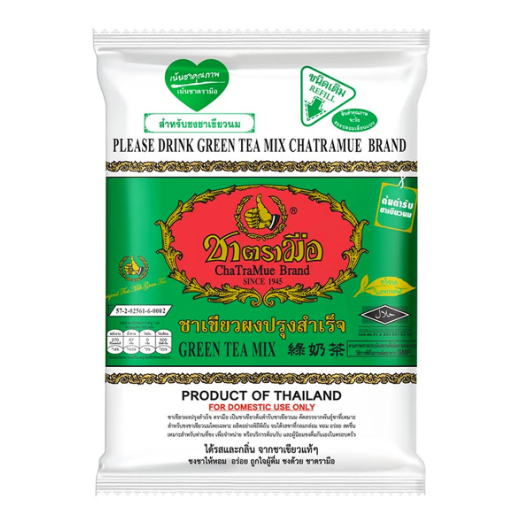
When people refer to "authentic Thai tea," they often mean Thai milk tea (cha yen): a strong black tea, sometimes spiced, sweetened generously with sugar or sweetened condensed milk, and finished with evaporated milk for creaminess. This style produces the familiar rich, sweet, orange‑tinted drink served over ice in cafes and street stalls. Botanical and green‑tea‑based Thai blends are also considered authentic when they use traditional Thai ingredients and preparation styles, even though they differ from the classic milk tea.
What Role Does Thai Tea Play in Thai Culture?
In Thai culture, tea is woven into everyday life as much as into special occasions. Sharing tea signifies welcome and care, whether it is a simple botanical infusion made at home or a sweet iced Thai tea enjoyed with family. Tea stalls and local shops also act as informal gathering points, where conversation and community connection are as important as the drink itself.
Key Flavour Themes in Thai Botanical Teas
Thai botanical teas use ingredients that have long been part of Thai and regional culinary traditions. They are conventional beverages chosen for their taste and aroma, and they are often enjoyed at particular moments of the day—an after‑meal cup, a calming evening brew, or a fragrant break. The character of each blend depends on the ingredients, the preparation, and personal preference.
- Warming, spiced profiles: Some Thai blends include cat's whiskers, turmeric, and ginger, lending earthy warmth and a gently spiced character to the cup.
- Fresh, after‑meal flavours: Lemongrass, ginger, and peppermint commonly appear in Thai botanical teas enjoyed after meals for their bright, refreshing taste.
- Calming, aromatic blends: Holy basil, jasmine, and other aromatic herbs are often used in fragrant evening teas valued for their soothing aroma.
These teas are best enjoyed simply for their flavour, warmth, and the ritual of preparing and sipping a cup.
What Gives Spiced Thai Botanical Blends Their Character?
Thai botanical blends that include cat's whiskers (Orthosiphon stamineus), turmeric, and ginger are often chosen by people who enjoy an earthy, warming cup as part of a daily routine. Turmeric and ginger lend depth and a gentle spice, while cat's whiskers adds a distinctive grassy note that is widely associated with Thai botanical traditions.
In tea form, these plants contribute flavour and aroma to a conventional beverage. For this reason, Thai botanical teas are best described as enjoyable, comforting drinks to be savoured for their taste rather than for any specific outcome.
How Do Thai Botanical Teas Fit Into After‑Meal and Evening Rituals?
Ingredients such as lemongrass, ginger, peppermint, and fennel are frequently used in Thai and global tea traditions for their fresh, palate‑cleansing flavour. In a Thai context, these herbs are often brewed after meals to mark the end of eating with a mindful pause and a fragrant, refreshing cup.
At the same time, warm botanical teas featuring holy basil, jasmine, or pandan are commonly enjoyed in the evening for their gentle aroma. A cup of caffeine‑free Thai botanical tea in the evening can be a pleasant part of a relaxed wind‑down routine that also includes reduced screen time and consistent bedtimes.
Explore Our Premium Teas
Discover the authentic taste of our specially curated collection. Ethically sourced and masterfully blended.
Shop the Collection →
What Makes Thai Botanical Tea a Notable Thai Blend?
Explore Our Premium Teas
Discover the authentic taste of our specially curated collection. Ethically sourced and masterfully blended.
Shop the Collection →
Thai Botanical Tea is a multi‑herb Thai blend that reflects local botanical traditions while remaining accessible as an everyday drink. It combines multiple Thai and regional herbs so that no single plant dominates the formula, aiming to offer a rounded flavour and a layered aromatic profile rather than a single dominant note.
Which Herbs Are Commonly Included in Thai Botanical Tea and How Are They Traditionally Viewed?
Different Thai Botanical Tea recipes may vary slightly, but blends often use around 15 herbs. A typical profile includes:
| Herb | Flavour / Aroma Character | Notes |
|---|---|---|
| Cat's whiskers | Grassy, earthy note | A distinctive plant long featured in Thai botanical traditions. |
| Ginseng | Earthy, slightly bitter depth | A prized root in many Asian tea and culinary traditions. |
| Lemongrass | Bright citrus aroma | Popular as a fragrant tea and in Thai cooking. |
| Ginger | Warm, spicy kick | A classic root used widely in Thai cuisine and tea. |
| Turmeric | Earthy warmth and golden colour | A staple spice that lends a vivid hue and gentle warmth. |
| Holy basil | Peppery, clove‑like aroma | A fragrant herb widely cherished in Thai kitchens. |
| Moringa | Green, leafy taste | A leafy plant with a mild, earthy character. |
| Butterfly pea | Striking blue hue, mild flavour | A vivid flower prized for the deep blue colour it lends to drinks. |
| Pandan | Sweet, vanilla‑like aroma | Loved for its soothing scent and flavour in Thai desserts and drinks. |
| Green tea | Fresh, vegetal notes | Adds a small amount of caffeine and a crisp finish when included. |
| Licorice root | Natural sweetness | Lends a smooth, naturally sweet finish; enjoy in moderation. |
| Jasmine | Floral, fragrant aroma | Jasmine‑scented teas are prized for their delicate perfume. |
| Peppermint | Cool, refreshing finish | Commonly enjoyed worldwide for its crisp, minty taste. |
| Fennel | Sweet, anise‑like note | Traditionally added for its gentle, sweet aroma. |
| Cinnamon & clove | Warm spice and seasonal comfort | Fragrant spices that add depth and a cosy, seasonal warmth. |
This diversity of herbs gives Thai Botanical Tea a layered flavour and a complex aroma. It is best enjoyed as a daily tea that supports rituals and plant variety, prized for its taste rather than any single ingredient.
How Might Thai Botanical Tea Suit Different Moods and Moments?
Some Thai Botanical Tea drinkers are drawn to particular flavour moods—earthy and grounding, bright and refreshing, or floral and calming. Herbs such as ginseng and cinnamon bring depth and warmth, while holy basil and jasmine add aromatic, soothing notes. Because every blend is a little different, the experience varies from cup to cup and from person to person.
A practical way to frame Thai Botanical Tea is as a pleasant, caffeine‑light or caffeine‑free option for times when you want warmth, aroma, and a sense of reset—whether that is after activity, during a work break, or as part of an evening routine.
How Do Traditional Thai Botanical Customs Shape Modern Thai Teas?
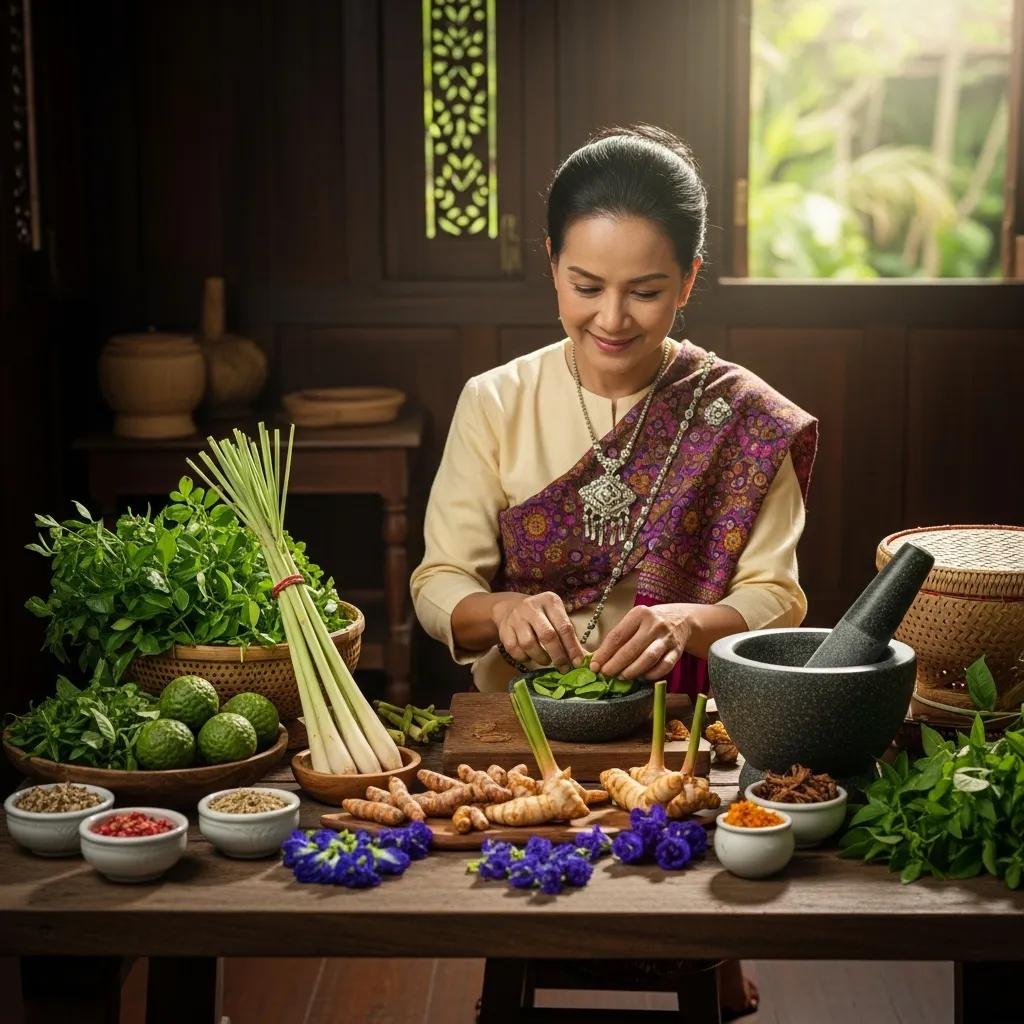
Modern Thai teas are influenced by ingredient choices rooted in long‑standing Thai botanical customs. These traditions draw on local plants, spices, and culinary know‑how passed down through generations. Many herbs that appear in Thai teas today were originally part of broader Thai cooking and tea customs rather than stand‑alone beverages.
What Is the Basic Idea Behind Thai Botanical Customs?
Thai botanical custom looks to nature as a source of flavour and fragrance, emphasising local plants and context‑specific combinations rather than isolated ingredients. Recipes are often shaped by region, season, and family preference, and they sit alongside other everyday rituals such as cooking and shared meals. When herbs are used in tea form, they bring a small part of that tradition into an everyday, easily adopted format.
Which Herbs Commonly Bridge Traditional Practice and Modern Tea Drinking?
- Turmeric: Long used in Thai and regional cooking and prized for its earthy warmth and golden colour.
- Ginger: A classic culinary root that adds spice and warmth to dishes and drinks.
- Cat's whiskers: A distinctive plant featured in Thai and Malaysian botanical traditions for its grassy character.
In tea blends, these herbs contribute taste and aroma, helping translate Thai botanical customs into simple daily habits.
Which Other Thai Teas Complement Thai Botanical Tea?
Beyond Thai Botanical Tea, a wide range of Thai teas can round out a well‑stocked tea shelf. These include both true teas (from the tea plant) and botanical or fruit infusions.
What Stands Out About Thai Milk Tea and Jasmine Green Tea?
Thai milk tea is known for its robust black‑tea base and aromatic profile, usually served sweet and creamy with condensed and evaporated milk. It is an indulgent treat to be savoured. Jasmine green tea, by contrast, offers a lighter, floral experience with a fresh finish and a moderate amount of caffeine, making it a suitable daytime option.
How Do Fruit Teas and Blends Expand Thai Tea Variety?
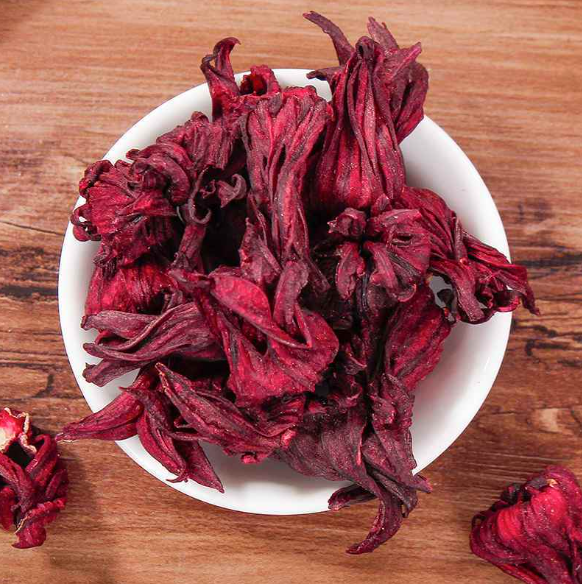
Fruit‑forward Thai blends featuring ingredients like roselle, bael fruit, or tropical flavours such as mango and passionfruit add natural tartness or sweetness to the cup. Roselle, for instance, makes a tangy, ruby‑red infusion that can be a flavourful alternative to sugary sodas. These blends allow people to enjoy Thai‑style teas even when they prefer not to consume dairy or high levels of caffeine.
How Does ArtisanThai Approach Authenticity, Ethical Sourcing, and Access?
ArtisanThai focuses on connecting global customers with Thai teas that are both culturally authentic and produced under modern quality standards. This includes working with local farmers and artisans, supporting fair prices, and respecting traditional knowledge while also paying attention to safety and labelling.
Why Is Product Registration Helpful When Choosing Teas?
Where a product carries appropriate regulatory registration or notification for its category, it generally indicates that the manufacturer and product have passed basic checks such as label review and manufacturing standards. As a general matter for any tea purchase, choosing products with clear labelling and transparent sourcing gives you an extra layer of confidence compared with anonymous bulk blends.
How Does ArtisanThai Support Producers and Serve Customers Worldwide?
ArtisanThai aims to:
- Source directly from Thai producers where possible, supporting local economies and preserving craft knowledge.
- Work with partners who follow good manufacturing practices and relevant Thai regulations.
- Offer international shipping so customers worldwide can access Thai teas without relying on anonymous bulk blends.
- Provide transparent information about ingredients, sourcing, and suggested use.
Frequently Asked Questions
Which Thai teas are good starting points for beginners?
Many beginners enjoy starting with Thai milk tea for its familiar dessert‑like profile, then exploring jasmine green tea and simple botanical blends such as lemongrass‑ginger. This progression introduces classic flavours while gradually reducing sugar and focusing more on herbs and green tea.
Can Thai teas be enjoyed every day?
Most Thai botanical teas and moderate amounts of true teas can be part of a daily routine for many adults, especially when caffeine and sugar are taken into account. If you are pregnant, breastfeeding, or have specific dietary considerations, it is sensible to check with a clinician before adding new botanical blends to your routine.
How should Thai teas be prepared for good flavour?
Botanical teas generally do well with 5–10 minutes of steeping in hot, but not boiling, water, while green teas need cooler water and shorter steeping to avoid bitterness. Traditional Thai milk tea is brewed strong and served sweet and creamy, making it more of an occasional treat than a daily drink.
How should Thai teas be stored?
Store Thai teas in airtight containers away from light, heat, and moisture. This helps preserve aroma and flavour. Dark tins or jars in a cool cupboard usually work well.
How do Thai tea flavours compare to other tea traditions?
Thai teas often feature bold spices, bright citrus notes from lemongrass, or creamy sweetness from condensed milk, making them more aromatic and dessert‑like than many East Asian green teas or English breakfast‑style black teas. Botanical blends can be surprisingly complex, combining sweet, spicy, and floral elements in a single cup.
Conclusion
Authentic Thai teas combine cultural richness with enjoyable, flavour‑forward drinking habits. Whether you choose a classic Thai milk tea, a jasmine green tea, or a multi‑herb blend like Thai Botanical Tea, these beverages can become meaningful parts of daily rituals that celebrate relaxation, connection, and appreciation of Thai tea traditions. By choosing well‑sourced, transparently labelled products from trusted vendors, you can enjoy Thai teas with both confidence and pleasure.
Shop now: Browse Chatramue Red Thai Tea Mix – Classic Thai Iced Tea & Milk Tea Blend at ArtisanThai.