
What Makes Fair Trade Thai Tea Unique: Benefits, Ethical Sourcing, and Cultural Significance
Fair trade Thai tea stands out in the beverage world due to its unique blend of flavors, ethical sourcing practices, and cultural significance. This article delves into what makes fair trade Thai tea special, exploring its benefits, the principles of ethical sourcing, and its deep-rooted cultural connections. Readers will learn how fair trade practices not only enhance the quality of tea but also support the livelihoods of farmers and promote sustainable farming methods. As consumers become more conscious of their purchasing decisions, understanding the impact of fair trade on wellness and community empowerment becomes increasingly important. We will cover the key benefits of fair trade Thai tea, the role of ethical sourcing, the importance of sustainability, its cultural significance, and how consumer demand shapes the market.
What Are the Key Benefits of Fair Trade Thai Tea?
Fair trade Thai tea offers numerous benefits that extend beyond its delightful taste. These advantages include economic support for farmers, environmental sustainability, and social empowerment. By choosing fair trade, consumers contribute to a system that prioritizes ethical practices and community well-being.
How Does Fair Trade Thai Tea Support Wellness and Health?
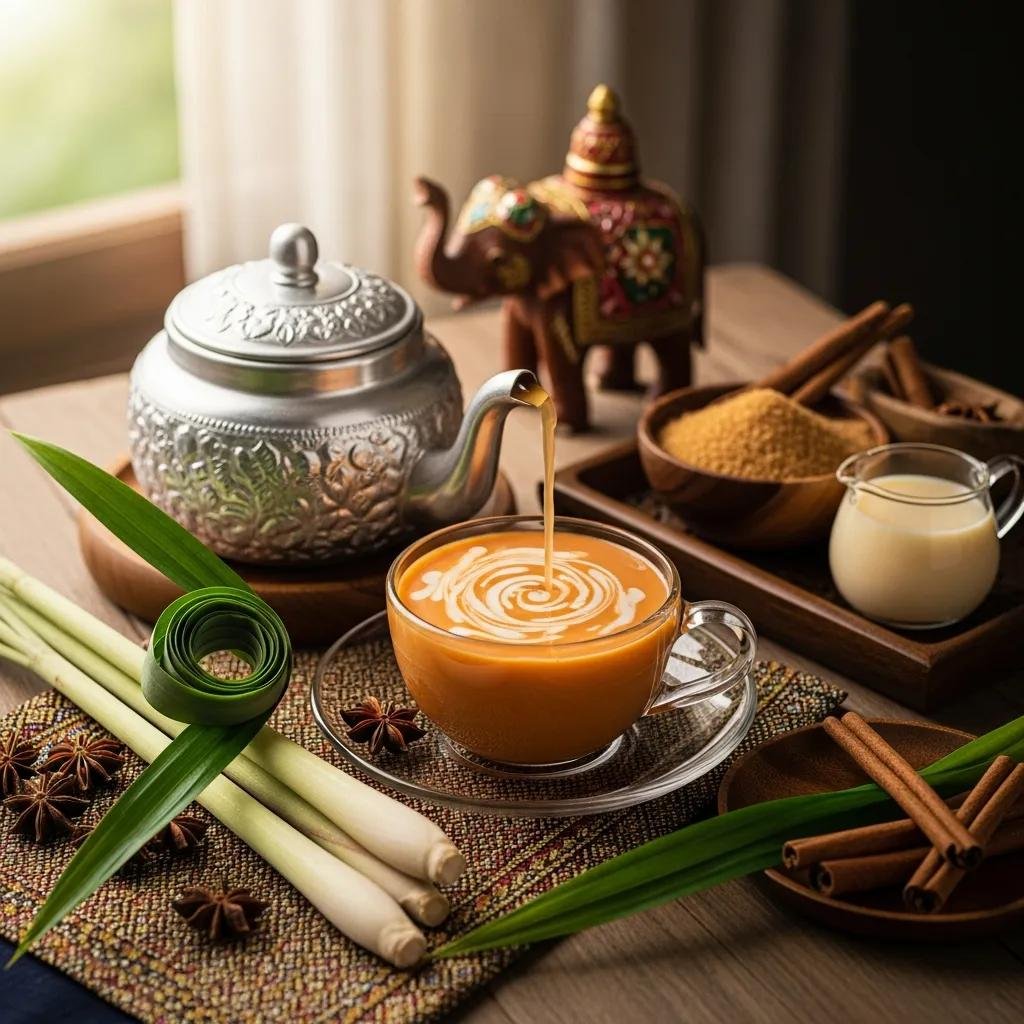
Fair trade Thai tea is often made from natural ingredients that provide various health benefits. Many varieties contain caffeine, as traditional Thai tea is typically made from black tea leaves, which naturally contain caffeine. However, some herbal Thai teas are caffeine-free, making them suitable for those sensitive to caffeine. Additionally, herbal components, such as lemongrass and pandan, are known for their soothing properties, promoting relaxation and wellness. Research indicates that these natural ingredients can aid digestion and enhance overall health, making fair trade Thai tea a beneficial choice for health-conscious consumers.
What Natural Ingredients Define Authentic Fair Trade Thai Tea?
Authentic fair trade Thai tea is characterized by its use of high-quality natural ingredients. Key components include:
- Tea Leaves: Sourced from sustainable farms, these leaves provide the base for the tea, typically black tea leaves.
- Herbs: Ingredients like lemongrass and pandan add flavor and health benefits.
- Spices: Traditional spices such as star anise and tamarind may enhance the tea‘s unique taste profile.
These ingredients not only reflect the rich agricultural heritage of Thailand but also contribute to the tea‘s overall quality and health benefits.
How Does Ethical Sourcing Shape Fair Trade Thai Tea Production?
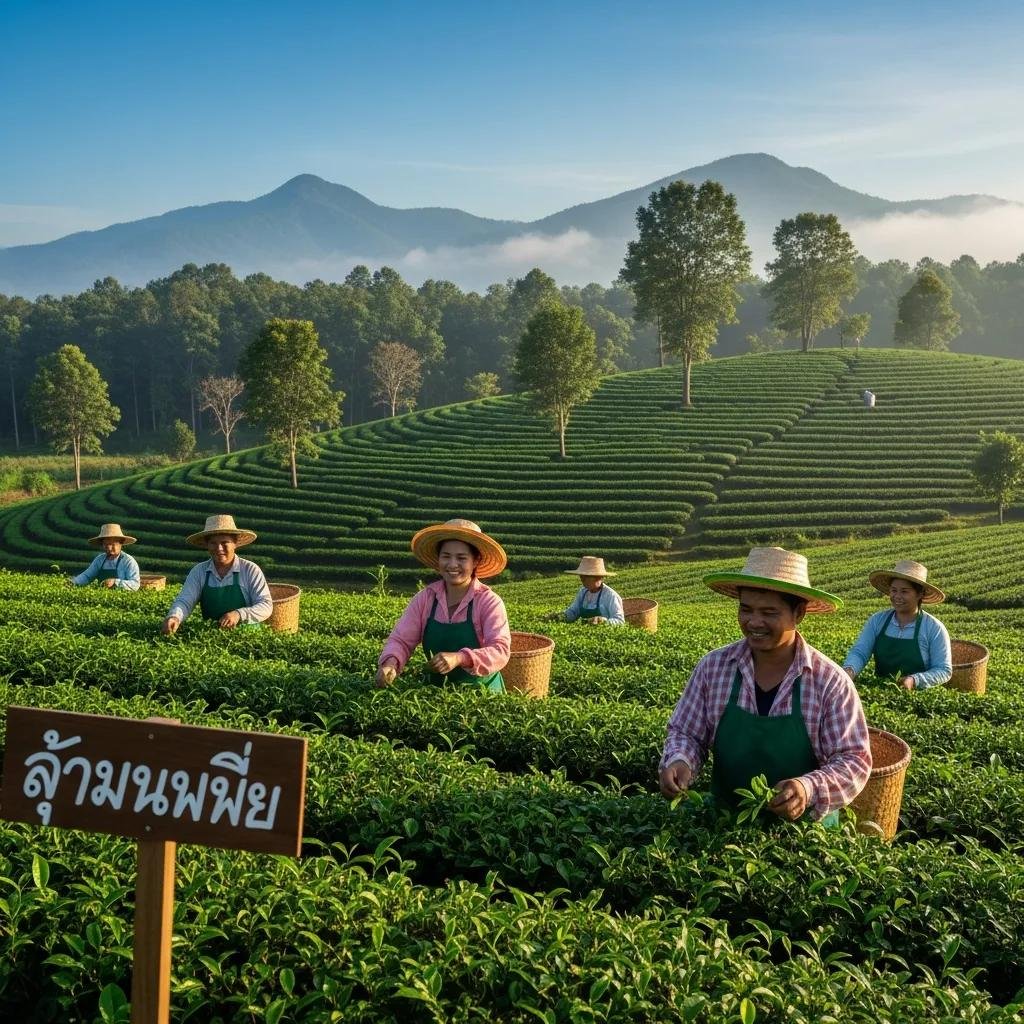
Ethical sourcing is a cornerstone of fair trade practices, ensuring that farmers receive fair wages and work in safe conditions. This approach fosters community empowerment and sustainable agricultural practices.
What Fair Trade Principles Ensure Fair Wages and Farmer Empowerment in Thailand?
Fair trade principles focus on providing farmers with fair wages, which are often above market rates. This ensures that they can support their families and invest in their communities. Additionally, fair trade practices promote:
- Minimum Price Guarantees: Farmers are assured a minimum price for their products, protecting them from market fluctuations.
- Community Development Funds: These funds are used for local projects, such as education and healthcare.
- Direct Trade Relationships: Establishing direct connections between producers and consumers enhances transparency and trust.
These principles align with broader industry commitments to ethical conduct, as highlighted by various organizations.
Fair Trading Practices in Tea Supply Chains
At Cadbury Schweppes we share Fair Trade’s commitment to fair trading practices (eg not tampering with the weight, transparency about price, on-time payment, and respect for local customs and traditions).
Ethical supply chains in the cocoa, coffee and tea industries, 2003
How Does ArtisanThai Guarantee Transparency and Sustainable Thai Tea Supply Chains?
ArtisanThai is committed to ethical sourcing and transparency in its supply chains. The company ensures that all tea is sourced directly from certified producers in Thailand, maintaining high standards for quality and sustainability. This commitment includes:
- Certification Processes: ArtisanThai works with organizations that certify fair trade practices, ensuring compliance with ethical standards.
- Traceability of Products: Each product can be traced back to its source, providing consumers with confidence in their purchases.
- Impact on Local Communities: By supporting local farmers, ArtisanThai contributes to the economic stability of these communities.
Indeed, the effectiveness of fair trade certification in empowering farmers through collective organizations is a key area of study.
Fair Trade Certification & Farmer Empowerment
The question of whether and how collective organisations empower farmers in the context of fair trade certification is central to understanding the impact of fair trade on producers. Drawing on theories of collective agency and empowerment, this paper analyses the case of four farmers’ groups in Latin America.
How do producer organisations enhance farmers’ empowerment in the context of fair trade certification?, 2020
Why Is Sustainable Thai Tea Production Essential for Fair Trade Quality?
Sustainable production methods are vital for maintaining the quality of fair trade Thai tea. These practices not only protect the environment but also ensure the long-term viability of tea farming.
What Sustainable Farming Practices Are Used in Fair Trade Thai Tea Cultivation?
Sustainable farming practices in fair trade Thai tea cultivation include:
- Organic Farming Methods: These methods avoid synthetic pesticides and fertilizers, promoting healthier ecosystems.
- Water Conservation Techniques: Efficient water use helps preserve local water resources.
- Biodiversity Preservation: Encouraging a variety of plants and animals on farms supports ecological balance.
These practices contribute to the overall quality of the tea while protecting the environment.
How Does Environmental Protection Enhance the Uniqueness of Fair Trade Thai Tea?
Environmental protection plays a crucial role in enhancing the uniqueness of fair trade Thai tea. By prioritizing sustainable practices, farmers can produce tea that is not only high in quality but also rich in flavor. Clean farming methods reduce pollution and ensure that the tea retains its natural characteristics, appealing to consumers who value both taste and sustainability.
What Is the Cultural Significance of Thai Tea in Fair Trade Context?
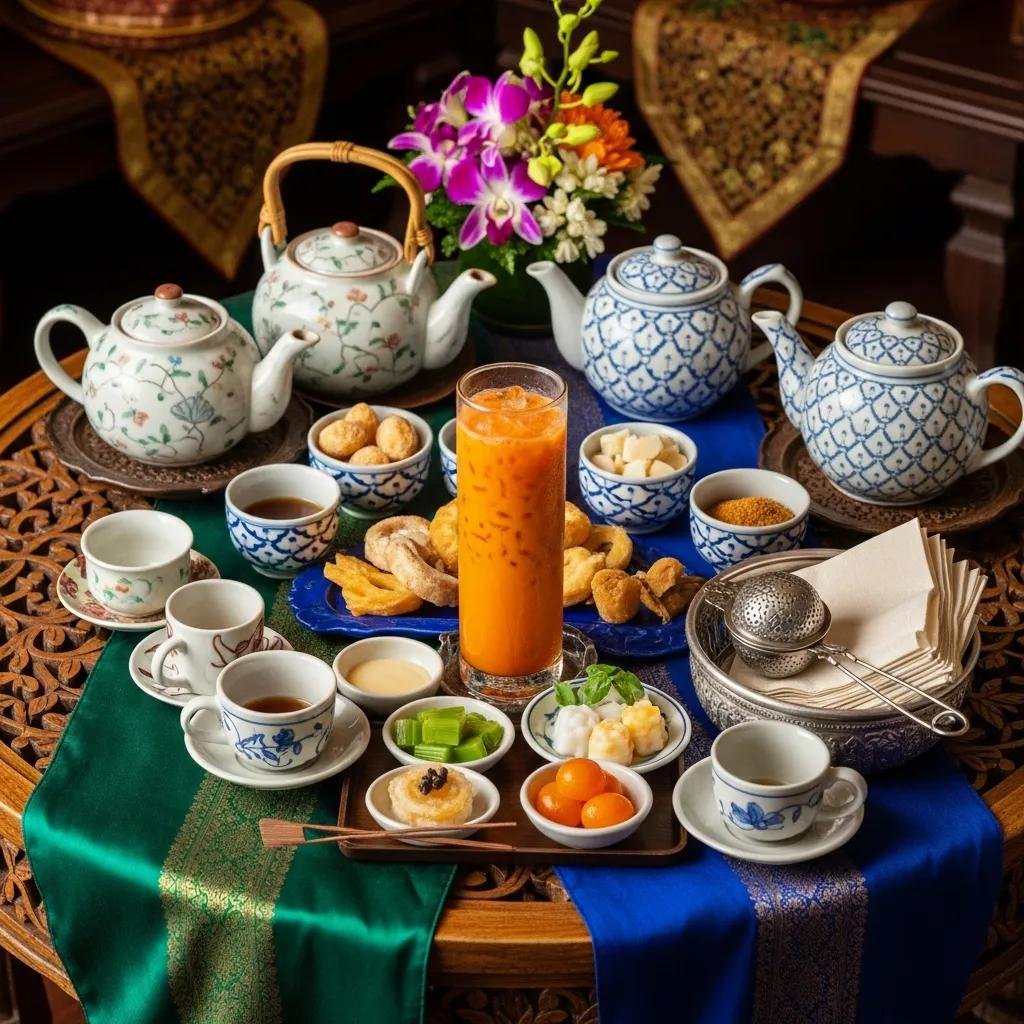
Thai tea is deeply embedded in the cultural fabric of Thailand, representing more than just a beverage. It is a symbol of hospitality and tradition, often served during social gatherings and celebrations.
How Do Traditional Thai Tea Ingredients Reflect Cultural Heritage?
The ingredients used in traditional Thai tea reflect the country’s rich cultural heritage. Each component has its own story and significance, contributing to the overall experience of enjoying the tea. For example:
- Tea Leaves: Often sourced from specific regions known for their unique flavors.
- Herbs and Spices: Each ingredient is chosen not only for taste but also for its cultural importance.
These elements combine to create a beverage that is both delicious and meaningful.
The deep roots of tea cultivation in Thailand, particularly in regions like Mae Salong, further illustrate this cultural connection and its impact on local livelihoods.
Thai Tea Culture & Livelihoods in Northern Thailand
This study attempts to explore the development of tea planting and producing, and tea culture tourism in Mae Salong in Thailand and Thai Nguyen in Vietnam. The findings reveal that tea planting in Mae Salong is derived from KMT villagers in northern Thailand who initially planted tea for livelihood, later developed as a cash crop for substituting opium and reducing soil erosion under the cooperation between the Royal Project and Taiwanese organizations.
Tea culture tourism in Southeast Asia: A comparative study of Mae Salong in Thailand and Thai Nguyen in Vietnam, 2018
What Role Does Thai FDA Certification Play in Authentic Fair Trade Thai Tea?
Thai FDA certification is important for ensuring the quality and safety of fair trade Thai tea. This certification guarantees that the tea meets specific health and safety standards, providing consumers with confidence in their purchases. It also enhances the marketability of the tea, as certified products are often preferred by consumers seeking authenticity and quality.
How Does Consumer Demand Influence Fair Trade Thai Tea Market Growth?
Consumer demand plays a significant role in the growth of the fair trade Thai tea market. As more individuals seek ethically sourced and sustainable products, the market for fair trade tea continues to expand.
Why Are Consumers Choosing Ethically Sourced and Sustainable Thai Tea?
Consumers are increasingly aware of the impact their purchasing decisions have on the environment and communities. The reasons behind this shift include:
- Awareness of Ethical Issues: More consumers are informed about the challenges faced by farmers and the importance of fair trade.
- Desire for Quality and Authenticity: Ethically sourced products often come with a guarantee of quality, appealing to discerning consumers.
- Influence of Social Media on Purchasing Decisions: Social media platforms have amplified the voices of ethical brands, encouraging consumers to make more conscious choices.
How Does ArtisanThai Meet Global Demand with Authentic Fair Trade Thai Tea?
ArtisanThai addresses the growing global demand for authentic fair trade Thai tea by leveraging its strong relationships with local producers. The company focuses on:
- Global Shipping Capabilities: Ensuring that customers worldwide can access high-quality Thai tea.
- Marketing Strategies for International Markets: Highlighting the unique qualities of fair trade Thai tea to attract a diverse customer base.
- Partnerships with Local Producers: Collaborating with farmers to ensure a steady supply of authentic products.
This approach not only meets consumer demand but also supports the livelihoods of local farmers.
Different fair trade Thai teas offer various economic support and environmental sustainability benefits.
| Benefit Type | Description | Impact Level |
|---|---|---|
| Health Benefits | Natural ingredients promote wellness | Medium |
| Economic Support | Fair wages empower farmers | High |
| Environmental Sustainability | Sustainable practices protect ecosystems | Medium |
In summary, fair trade Thai tea is unique due to its blend of ethical sourcing, cultural significance, and sustainable practices. By choosing fair trade, consumers not only enjoy a delicious beverage but also support sustainable practices and empower local communities.


 English
 Chinese
 French
 German
 Hindi
Hindi Indonesian
 Malay
Malay Portuguese
 Spanish