
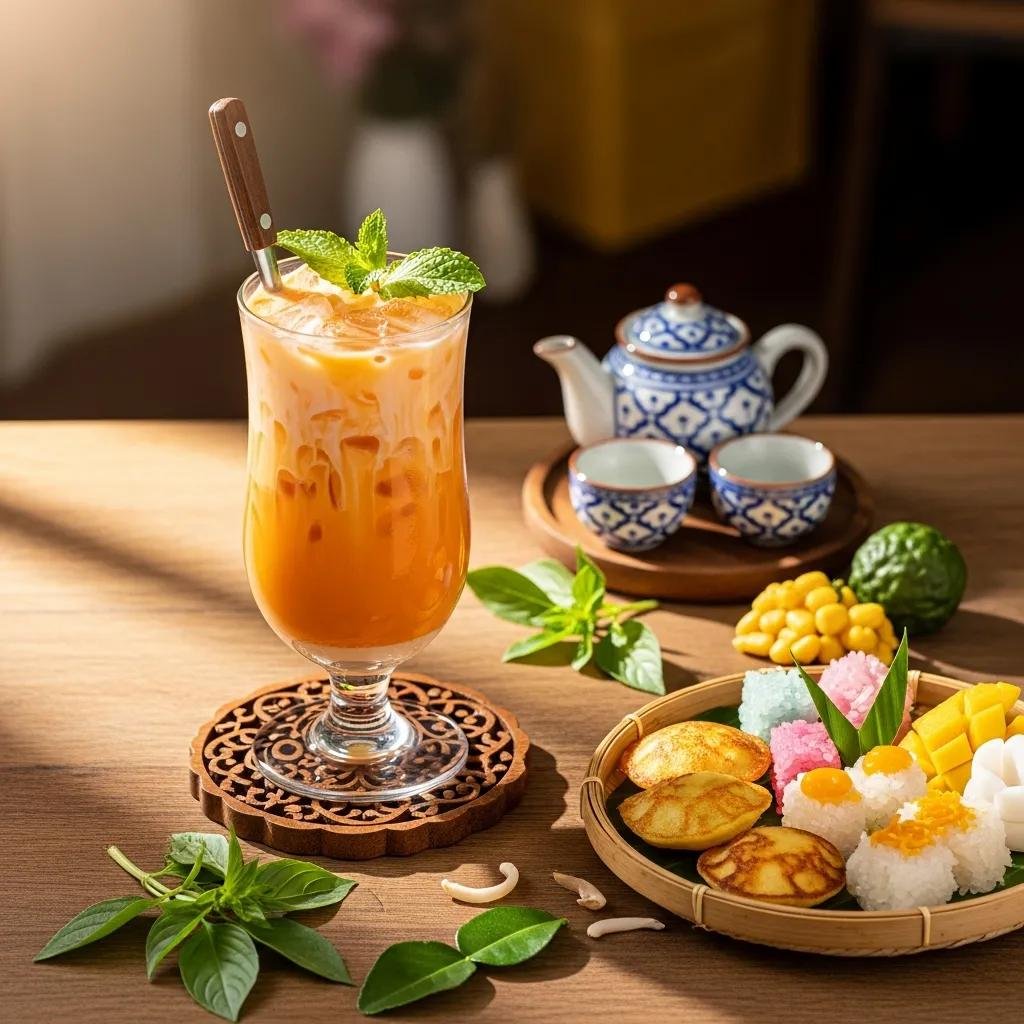
What Makes Authentic Thai Tea Unique? A Complete Guide to Ingredients, Flavor, History, and Wellness
Authentic Thai tea, known for its vibrant color and rich flavor, is a beloved beverage that has captured the hearts of many around the world. This comprehensive guide will explore the unique characteristics that set authentic Thai tea apart, including its essential ingredients, preparation methods, historical significance, and wellness benefits. Readers will learn about the specific black tea varieties and spices that contribute to its distinctive taste, as well as the cultural context that surrounds this popular drink. Many enthusiasts seek to understand what makes Thai tea so special, and this article aims to provide a thorough exploration of its components and preparation techniques. We will delve into the essential ingredients, the brewing process, the reasons behind its iconic orange color, its cultural significance, and the wellness benefits associated with its ingredients.
What Are the Essential Ingredients in Authentic Thai Tea?
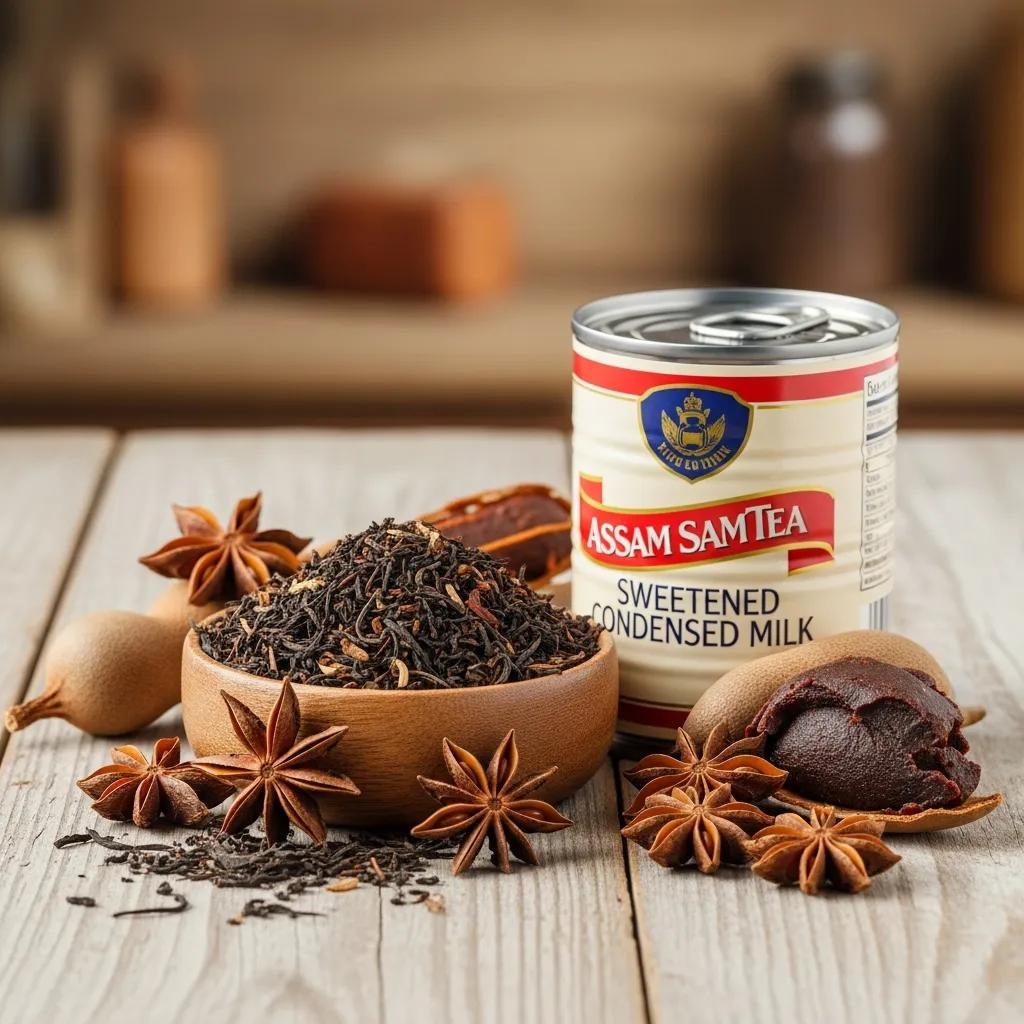
Authentic Thai tea is characterized by a unique blend of ingredients that contribute to its distinctive flavor and aroma. The essential components include specific black tea varieties, spices, and dairy elements that create the signature taste of this beloved beverage.
Which Black Tea Varieties Define Traditional Thai Tea?
The foundation of authentic Thai tea lies in its choice of black tea. The most commonly used varieties include:
- Assam Black Tea: Known for its robust flavor and malty notes, Assam tea provides a strong base for Thai tea.
- Ceylon Black Tea: This variety adds a bright and citrusy flavor, enhancing the overall complexity of the drink.
- Thai Tea Blend: Often a proprietary mix, this blend may include various black teas and sometimes orange blossom or other flavorings, specifically crafted for Thai tea preparation.
These black tea varieties not only define the flavor profile but also contribute to the tea’s deep color and aromatic qualities.
What Traditional Spices and Dairy Components Create Its Signature Taste?
In addition to black tea, authentic Thai tea incorporates a variety of spices and dairy components that enhance its flavor. Key ingredients include:
- Star Anise: Adds a sweet and licorice-like flavor, contributing to the tea’s aromatic profile.
- Tamarind: Sometimes included to add a slight tanginess and depth to the flavor.
- Condensed Milk: This dairy component provides creaminess and sweetness, making the tea rich and indulgent.
These ingredients work together to create a harmonious blend of flavors that is both refreshing and satisfying.
How Is Traditional Thai Tea Prepared to Achieve Its Unique Flavor and Texture?
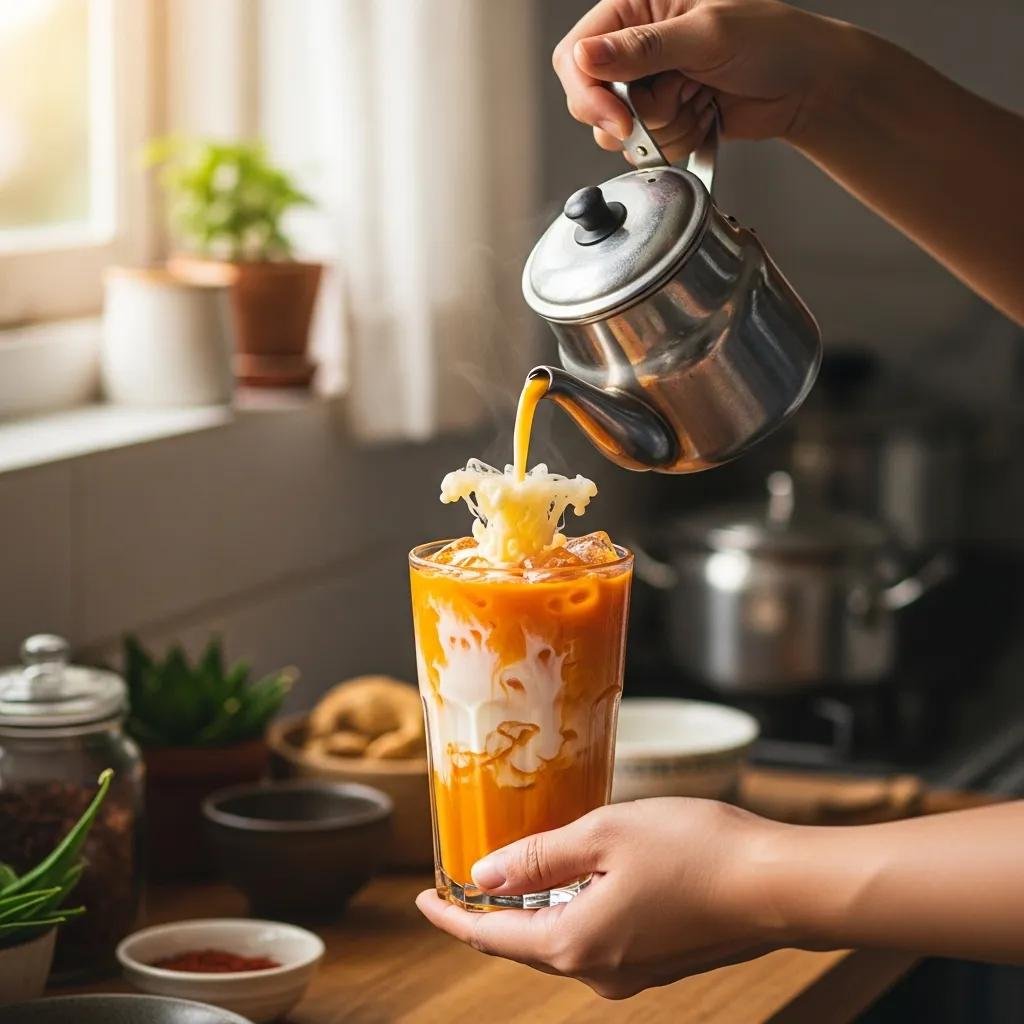
The preparation of traditional Thai tea is an art that involves specific brewing techniques and serving styles. Understanding these methods is essential to achieving the authentic taste and texture that defines this beverage.
What Are the Authentic Brewing Techniques Used in Thai Tea?
To brew authentic Thai tea, follow these steps:
- Boil Water: Start by boiling water to the appropriate temperature, typically around 200°F (93°C).
- Steep the Tea: Add the black tea leaves and spices (such as star anise and sometimes tamarind) to the boiling water and steep for 3-5 minutes, allowing the flavors to develop fully.
- Strain the Tea: After steeping, strain the tea to remove the leaves and spices, ensuring a smooth beverage.
- Add Sweetened Condensed Milk: Finally, mix in sweetened condensed milk to achieve the desired creaminess and sweetness.
These techniques ensure that the tea is flavorful and aromatic, capturing the essence of authentic Thai tea.
How Do Serving Styles and Recipe Variations Affect the Final Beverage?
Serving styles and recipe variations play a significant role in the final presentation and taste of Thai tea. Common serving styles include:
- Iced Thai Tea: Served over ice, this version is refreshing and perfect for hot weather.
- Hot Thai Tea: Enjoyed warm, this style emphasizes the rich flavors and aromas of the tea.
- Variations with Coconut Milk: Some recipes substitute condensed milk with coconut milk or evaporated milk for a dairy-free or lighter option, adding a tropical twist.
Each serving style offers a unique experience, allowing tea lovers to enjoy Thai tea in different ways.
Why Is Thai Tea Orange? Understanding Its Distinctive Color and Flavor Profile
The vibrant orange color of Thai tea is one of its most recognizable features. This section explores the reasons behind this distinctive hue and its flavor profile.
What Natural Coloring Agents and Ingredients Give Thai Tea Its Iconic Hue?
The orange color of Thai tea primarily comes from the addition of food coloring to the brewed tea. While the black tea itself is dark brown, the addition of bright orange food coloring is a common practice in commercial and street versions to achieve the signature vivid orange hue.
- Food Coloring: Often added to enhance the visual appeal, giving the tea its signature bright orange color.
- Natural Ingredients: Some traditional recipes may include ingredients like tamarind or orange blossom water, which can subtly influence color and flavor but do not produce the bright orange color alone.
These elements work together to create the eye-catching appearance that Thai tea is known for.
How Do Aromatic Notes and Spices Balance the Sweetness and Creaminess?
The balance of flavors in Thai tea is achieved through the careful selection of aromatic notes and spices. The combination of sweet condensed milk and the warm spices creates a harmonious blend that enhances the overall drinking experience.
- Sweetness from Condensed Milk: This ingredient provides a rich, creamy texture that complements the tea’s robust flavor.
- Aromatic Spices: The inclusion of spices like star anise and sometimes cardamom adds depth and complexity, balancing the sweetness.
This intricate balance of flavors is what makes Thai tea a unique and enjoyable beverage.
What Is the History and Cultural Significance of Thai Iced Tea?
Thai tea has a rich history and cultural significance that reflects the traditions and customs of Thailand. This section delves into its origins and the role it plays in Thai culture.
How Did Thai Tea Originate and Evolve Over Time?
Thai tea is believed to have originated in the mid-20th century, influenced by Chinese tea culture and the introduction of black tea by Chinese immigrants. It evolved as a popular street food beverage, gaining prominence in Thai restaurants and cafes. Over time, the recipe has adapted to include local ingredients and flavors, making it a staple in Thai cuisine.
What Role Does Thai Tea Play in Street Food Culture and Regional Traditions?
In Thailand, Thai tea is often enjoyed as part of street food culture, served alongside various dishes. It is commonly paired with spicy foods, providing a refreshing contrast to the heat. The beverage has become a symbol of Thai hospitality, often offered to guests as a gesture of welcome.
What Are the Wellness Benefits and Herbal Connections of Authentic Thai Tea?
Authentic Thai tea is not only a delicious beverage but also offers several wellness benefits associated with its ingredients. This section explores the health advantages of Thai tea and its herbal connections.
How Do Antioxidants and Spices in Thai Tea Support Health?
The ingredients in Thai tea, particularly black tea and spices, are rich in antioxidants that support overall health. Key benefits include:
- Antioxidant Properties: Black tea is particularly rich in polyphenols, including flavonoids and catechins, which are potent antioxidants known to combat oxidative stress, reduce inflammation, and support cellular health.
- Digestive Support: Spices like star anise and cardamom aid digestion and can alleviate gastrointestinal discomfort.
- Cognitive Benefits: The caffeine content in black tea can enhance alertness and focus.
These health benefits make Thai tea a valuable addition to a balanced diet.
What Traditional Herbal Uses Are Linked to Thai Tea Ingredients?
Many of the ingredients in Thai tea have traditional herbal uses that contribute to wellness. For example:
- Star Anise: Traditionally used in herbal medicine for its digestive and antimicrobial properties.
- Cardamom: Known for its anti-inflammatory effects and ability to support respiratory health.
These traditional uses highlight the connection between Thai tea and herbal wellness practices.
Where Can You Discover ArtisanThai.com‘s Authentic Thai Tea Collection?
ArtisanThai.com offers a curated selection of authentic Thai tea blends that embody the rich flavors and traditions of this beloved beverage.
What Makes ArtisanThai.com‘s Thai Tea Blends Authentic and Unique?
ArtisanThai.com prides itself on sourcing high-quality ingredients for its Thai tea blends. Each blend is crafted to reflect the authentic flavors of traditional Thai tea, ensuring a genuine experience for customers.
How Does ArtisanThai.com Ensure Transparency and Quality in Its Products?
At ArtisanThai.com, quality assurance is paramount. The company employs rigorous sourcing practices to ensure that all ingredients meet high standards of authenticity and flavor. This commitment to transparency allows customers to trust the quality of their products, making it easier to enjoy authentic Thai tea at home.
Frequently Asked Questions
What are the best ways to store Thai tea to maintain its freshness?
To maintain the freshness of Thai tea, store it in an airtight container in a cool, dark place, away from moisture and strong odors. Ideally, use a glass or ceramic container, as these materials do not impart any flavors. If you have loose tea leaves, consider using a vacuum-sealed bag for optimal preservation. Avoid storing tea in the refrigerator, as the humidity can affect its quality. Proper storage will help retain the tea’s flavor and aroma for a longer period.
Can I make Thai tea without condensed milk, and what alternatives can I use?
Yes, you can make Thai tea without condensed milk by using alternatives such as coconut milk, almond milk, or oat milk. These options provide a creamy texture while catering to different dietary preferences, including vegan and lactose-free diets. You can also sweeten the tea with natural sweeteners like honey or agave syrup if desired. Experimenting with these alternatives can create a unique twist on the traditional Thai tea experience while still preserving its essential flavors.
What are some popular food pairings with Thai tea?
Thai tea pairs wonderfully with a variety of foods, particularly those with bold flavors. It complements spicy dishes, such as Pad Thai or green curry, by providing a refreshing contrast to the heat. Additionally, it goes well with sweet treats like mango sticky rice or Thai desserts, enhancing the overall dining experience. The creamy and sweet notes of Thai tea also make it a great accompaniment to savory snacks, such as spring rolls or fried dumplings.
Is it possible to brew Thai tea using a cold brew method?
Yes, cold brewing Thai tea is a great way to enjoy its flavors in a refreshing format. To cold brew, simply combine the tea leaves with cold water and let it steep in the refrigerator for 6 to 12 hours. This method results in a smoother, less bitter flavor profile compared to hot brewing. After steeping, strain the tea and serve it over ice, adding sweetened condensed milk or your preferred milk alternative for a delicious cold Thai tea experience.
What health considerations should I be aware of when consuming Thai tea?
While Thai tea offers several health benefits, moderation is key due to its caffeine content and added sugars from sweetened condensed milk. Excessive caffeine intake can lead to jitters or sleep disturbances, so it’s advisable to limit consumption if you’re sensitive to caffeine. Additionally, be mindful of the sugar content, especially if you opt for sweetened versions. For a healthier option, consider reducing the amount of condensed milk or using sugar alternatives to enjoy Thai tea without compromising your health goals.
Are there any regional variations of Thai tea that I should know about?
Yes, there are several regional variations of Thai tea that reflect local tastes and ingredients. For instance, in southern Thailand, you might find Thai tea made with coconut milk, giving it a tropical twist. In some areas, the tea may be flavored with additional spices or herbs, such as pandan leaves, to enhance its aroma. These variations showcase the versatility of Thai tea and allow for a diverse range of flavors, making it a beloved beverage across different regions of Thailand.
Meet Our Culinary Expert
Dr. Anya Sharma, PhD in Food Science & Southeast Asian Culinary Arts
Dr. Anya Sharma is a distinguished food scientist and culinary historian specializing in Southeast Asian gastronomy. With a PhD from the University of Gastronomic Sciences and extensive fieldwork across Thailand, her research focuses on traditional beverage preparation, ingredient authenticity, and the cultural evolution of iconic dishes. Dr. Sharma has published numerous peer-reviewed articles on the chemistry of flavor profiles in traditional teas and is a sought-after consultant for authentic culinary experiences. Her deep understanding of Thai tea, from its botanical origins to its societal impact, ensures the highest level of accuracy and insight in this guide.
Academic References and Further Reading
For those seeking a deeper dive into the scientific, historical, and cultural dimensions of authentic Thai tea, we recommend consulting the following authoritative sources:
- Serious Eats: The Science of Thai Iced Tea – An in-depth culinary analysis of preparation techniques and ingredient interactions.
- Healthline: 10 Evidence-Based Health Benefits of Black Tea – A comprehensive review of the health advantages associated with black tea consumption, supported by scientific evidence.
- Thai Food and Travel: Thai Iced Tea – Offers a detailed cultural and historical perspective on Thai tea within its native context.
- Smithsonian Magazine: The Vibrant World of Thai Street Food – Provides broader insights into the role of beverages like Thai tea in Thailand’s dynamic street food scene.
- Journal of Food Science: “Phytochemical Composition and Antioxidant Activity of Black Tea Varieties” – A peer-reviewed study exploring the specific antioxidant compounds in black tea.
- Cultural Studies Review: “The Globalization of Thai Beverages: A Case Study of Cha Yen” – An academic article examining the global spread and cultural adaptation of Thai iced tea.
Conclusion
Authentic Thai tea offers a unique blend of flavors, rich history, and wellness benefits that make it a cherished beverage worldwide. By understanding its essential ingredients and preparation methods, you can fully appreciate the cultural significance and health advantages it provides. Discover the authentic taste of Thai tea with our premium selection at ArtisanThai.com. Start your journey into the world of Thai tea today!
 English
 Chinese
 French
 German
 Hindi
Hindi Indonesian
 Malay
Malay Portuguese
 Spanish