
Traditional Thai Botanical Teas: A Journey Through Flavor and Tradition
Thai botanical tea is a caffeine-free infusion made from local Thai herbs and botanicals such as lemongrass, ginger, butterfly pea flower, and pandan. It is enjoyed for its aromatic, layered flavor and its place in Thai culinary and hospitality traditions.
Key Takeaways
- Thai botanical teas reflect centuries of culinary culture and botanical know-how.
- Their appeal lies in a diverse range of aromatic local ingredients.
- Most traditional blends are naturally caffeine-free and enjoyed hot or iced.
Introduction to Thai Botanical Traditions
Thai botanical teas reflect centuries of culinary culture and botanical knowledge. These time-honored beverages have been enjoyed by generations of Thai people for their distinctive flavors and the comforting ritual of preparing and sharing them. At ArtisanThai, we celebrate this heritage by bringing authentic botanical blends to tea enthusiasts worldwide.
The art of Thai botanical tea preparation is woven into everyday life and hospitality. Across Thai communities, infusions are crafted to be savored slowly, offering a moment of calm and refreshment. These teas are more than beverages: they represent a connection to nature and cultural identity.
Did you know? Thailand’s botanical tea tradition reaches back many generations, with recipes passed down through families and temple communities.
Thai botanical teas differ from Western tea traditions. While black, green, and oolong teas come from the Camellia sinensis plant, Thai botanical infusions use a diverse array of local plants. This creates a flavor profile that is distinctly Thai: bold, aromatic, and full of character.
Popular Thai Herbs in Tea Blends
The appeal of Thai botanical teas lies in their diverse ingredients. Each herb brings its own character and cultural significance to the blend. Let’s explore some of the most beloved botanicals used in Thai tea making.
Key Ingredients in Authentic Blends
- Lemongrass: Known for its citrusy aroma and refreshing taste
- Ginger: Adds warmth and a spicy kick to blends
- Turmeric: Imparts a golden color and earthy flavor
- Kaffir Lime Leaves: Provides a distinctive citrus note
- Galangal: Offers a peppery, aromatic quality
- Basil: Adds a sweet, herbal fragrance
Regional Variations
Thailand’s diverse geography has created distinct regional tea traditions. Northern blends often feature mountain herbs like butterfly pea flower, while southern varieties might incorporate tropical ingredients like pandan. Central Thai teas typically balance sweet and spicy elements, reflecting the region’s culinary preferences.
Our sourcing team travels across Thailand to collect authentic recipes directly from local communities. This helps every ArtisanThai blend capture the true character of regional botanical traditions.
Explore Our Thai Botanical Teas
Discover the authentic taste of our curated collection. Ethically sourced and carefully blended.
Shop the Collection →Traditional Preparation Methods
Rooted in centuries of botanical tea traditions, preparing Thai botanical tea is an art form that rewards patience and attention to detail. Traditional methods emphasize drawing out the full flavor and aroma from each botanical ingredient.
Step-by-Step Traditional Brewing Process
- Select fresh, high-quality herbs or dried blends from reputable sources
- Gently rinse herbs under cool water to remove any impurities
- Bring water to a boil, then let it cool slightly to preserve delicate flavors
- Add herbs to a clay or ceramic teapot for optimal heat retention
- Pour hot water over herbs and steep for 5-10 minutes
- Strain the tea into cups and enjoy plain or with natural sweeteners
Pro tip: Traditional Thai botanical teas are often enjoyed without milk or sweeteners to appreciate the natural flavors of the herbs.
The choice of vessel matters in Thai tea preparation. Clay pots are preferred as they maintain consistent heat and enhance the earthy flavors of the herbs. Some traditional recipes call for multiple steepings, with each infusion revealing different flavor notes from the botanicals.
Modern Enjoyment of Thai Botanical Teas
While traditional preparation methods remain important, contemporary tea enthusiasts have developed inventive ways to enjoy Thai botanical blends. These modern approaches make Thai teas accessible to new audiences while respecting their cultural roots.
Contemporary Brewing Techniques
Today’s tea lovers often adapt traditional recipes to suit modern lifestyles. Cold brewing has become popular for creating refreshing summer beverages, while electric kettles with temperature controls allow for precise brewing that preserves delicate flavors.
Thai botanical teas have also found their way into culinary applications. Chefs use these aromatic blends in marinades, desserts, and even cocktails, creating fusion dishes that honor traditional ingredients while embracing contemporary creativity.
Everyday Enjoyment
Many people make Thai botanical teas part of their daily routine simply because they enjoy the flavor and the ritual. These caffeine-free beverages offer a moment of calm and make a flavorful alternative to sugary drinks throughout the day.
Served warm after a meal or chilled over ice on a hot afternoon, Thai botanical blends are a versatile, aromatic way to pause and savor something made by hand.
How to Choose Quality Thai Botanical Teas
Selecting authentic Thai botanical teas is easier when you know what to look for. With so many options available, it helps to understand the indicators of genuine, well-crafted blends.
Identifying Authentic Products
When purchasing Thai botanical teas, consider these factors:
- Sourcing transparency: Reputable brands should provide information about their herb origins
- Appearance: Quality herbs should have vibrant colors and intact structures
- Aroma: Fresh botanical teas release fragrant, natural scents
- Packaging: Proper storage in airtight containers preserves freshness
Step-by-Step Buying Process
- Research reputable suppliers with transparent sourcing practices
- Examine product packaging for freshness dates and storage instructions
- Read customer reviews focusing on authenticity and flavor
- Start with sample sizes to test before committing to larger quantities
- Store purchased teas in cool, dark places to maintain quality
| Quality Indicator | Premium Quality | Lower Quality |
|---|---|---|
| Herb Appearance | Vibrant colors, intact structures | Faded colors, broken pieces |
| Aroma | Fresh, fragrant, natural | Stale, musty, or artificial |
| Origin Information | Specific regions and harvest details | Vague or no origin details |
| Packaging | Airtight, with clear freshness dates | Loose or unsealed, no dates |
Cultural Significance and Rituals
Thai botanical teas are deeply woven into the fabric of Thai culture. These beverages play important roles in daily life, ceremonies, and social gatherings, reflecting the Thai people’s reverence for nature and tradition.
Rituals and Ceremonies
In Thai households, offering botanical tea to guests is a gesture of hospitality and respect. The preparation and serving of tea often follows specific rituals that have been passed down through generations. During important ceremonies like weddings or temple festivals, special teas are prepared using recipes that carry symbolic meanings.
Monks in Thai temples have long been custodians of botanical knowledge. Many traditional tea recipes originated in monasteries, where monks cultivated herb gardens and developed blends for both everyday enjoyment and ceremonial occasions.
“Thai botanical teas represent more than just a beverage—they are a connection to our ancestors and the traditions they passed down. Each cup tells a story of our relationship with nature and our cultural identity.”
Seasonal Traditions
Thai tea consumption varies with the seasons, reflecting the agricultural calendar and climate changes. During the hot season, cooling herbs like butterfly pea flower and lemongrass are favored. In cooler months, warming blends with ginger and galangal are popular. These seasonal preferences show how closely Thai tea culture follows the rhythm of the year.
Frequently Asked Questions
Are Thai botanical teas caffeinated?
Traditional Thai botanical teas are naturally caffeine-free as they don’t contain tea leaves from the Camellia sinensis plant. This makes them a popular choice for those who prefer to avoid caffeine or are looking for an evening beverage.
How should I store Thai botanical teas?
To maintain freshness and flavor, store Thai botanical teas in airtight containers away from direct sunlight, heat, and moisture. Glass jars or tins with tight-fitting lids work well. Proper storage can preserve the quality of dried herbs for up to a year.
Can Thai botanical teas be enjoyed cold?
Absolutely. Many Thai botanical teas make excellent cold beverages. Simply brew the tea as usual, let it cool completely, then serve over ice with optional natural sweeteners like honey or palm sugar. Cold brewing is also popular for creating smoother, less bitter flavors.
How do I know if a Thai botanical tea blend is authentic?
Authentic Thai botanical teas should list specific herbs with Thai names, provide information about sourcing regions, and come from reputable suppliers. The herbs should have vibrant colors and natural aromas. ArtisanThai products include detailed information about each herb’s origin and traditional culinary uses.
Can I mix different Thai botanical blends?
Experimenting with different Thai botanical blends can create unique flavor profiles. That said, it’s a good idea to start with traditional combinations that have been developed over generations. Our website offers guidance on pairing different herbs for balanced flavors.
Learn More at ArtisanThai
Explore the full ArtisanThai shop for authentic Thai botanical tea. Read brewing and flavor tips on the ArtisanThai blog. Questions? Contact ArtisanThai. Learn about botanical tea traditions worldwide.
Recommended Products
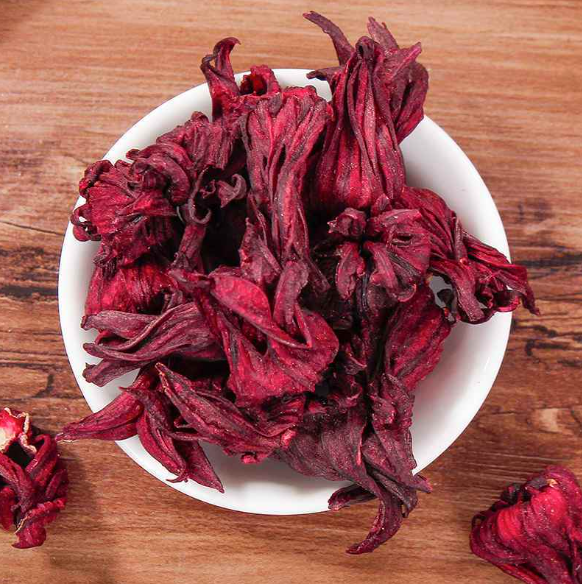
Shop this tea: Buy our Bael Fruit Tea → — caffeine-free, with free tracked shipping on orders over US$45 (conditions apply by destination).
Authentic Thai botanical teas, blended in small batches and shipped internationally, with 30-day returns on unopened items.
15-Botanical Thai Infusion →Shop all teas