
The Art of Thai Herbal Compress: A Complete Guide
🕐 Last updated:
At ArtisanThai, we have spent over a decade traveling to villages across Thailand, building direct relationships with herbalists and small farms. This guide is drawn from our firsthand experience sourcing the very botanicals that go into our traditional compresses. We'll explore the history, the herbs, and the simple ritual of this cherished Thai craft.
🔑 Key Takeaways
- The Thai herbal compress, known as Luk Pra Kob, is a practice woven into the fabric of Thai cultural traditions alongside massage and meditation.
- A traditional compress relies on a careful blend of botanicals, each chosen for its aroma and cultural role.
- Rooted in centuries of botanical infusion traditions, the craft of making a compress is a skilled job.
Table of Contents
What is Thai herbal compress therapy?
Thai herbal compress therapy is a highly sought-after product known for its exceptional quality and authentic sourcing. At ArtisanThai, we ensure every product meets the highest quality standards, providing you with the purest and most reliable thai herbal compress therapy available.
The History of the Thai Herbal Compress
The Thai herbal compress, known as Luk Pra Kob, is a practice woven into the fabric of Thai cultural traditions alongside massage and meditation. Unlike trends that appear suddenly, this is a timeless ritual passed down through generations of Thai practitioners. The compresses were historically associated with the Thai royal courts, where court practitioners drew on knowledge from India, regional traditions, and indigenous Thai craft.
The core idea is simple yet enduring: warmth and aromatic botanicals work together to create a soothing, sensory experience. In the past, compresses were made with locally foraged herbs wrapped in muslin or cotton, then steamed before use. It is a ritual that values a sense of calm, balance, and connection to nature.
The Core Botanicals in a Traditional Compress
A traditional compress relies on a careful blend of botanicals, each chosen for its aroma and cultural role. At ArtisanThai, our sourcing team works directly with farmers to gather each herb at its peak. A common base includes:
- Krachai (Fingerroot): A rhizome with a distinct aroma, often used in Southeast Asian cooking and traditional preparations.
- Turmeric (Curcuma longa): Valued for its vibrant color and its place in regional culinary and craft traditions.
- Lemongrass: Provides a bright, citrus scent that is both refreshing and calming.
- Kaffir Lime Peel: Offers an intense, clean fragrance that awakens the senses.
- Pandanus Leaf: Imparts a sweet, floral note prized in Thai kitchens and rituals.
- Camphor: Derived from the camphor tree, it adds a penetrating, woodsy scent traditionally used in balms.
The exact recipe is often a family secret, varying by region and the herbalist's lineage. What remains constant is the use of whole, dried herbs—never powders or artificial fragrances. This lets the compress release its aromatic oils slowly when heated.
"The quality of a compress is decided in the field. We look for herbs grown in good soil, harvested by hand, and dried in the shade to preserve their aroma. This is the standard for an authentic experience."
- Somsak, ArtisanThai Head of Sourcing
How a Traditional Compress is Made
Rooted in centuries of botanical infusion traditions, the craft of making a compress is a skilled job. After the herbs are dried, they are carefully measured and mixed according to a traditional formula. The mixture is then placed in the center of a square of unbleached cotton or muslin. The cloth is gathered at the top and tightly bound with cotton string, creating a firm, ball-shaped bundle.
The key is density. A well-made compress should feel firm to the touch, not soft or lumpy. This ensures even heat distribution and prevents the herbs from spilling out during use. The stitching or tying must be secure, as the compress will be repeatedly steamed and pressed against the skin.
Traditional vs. Modern Methods
Traditionally, the compress is steamed over a pot of boiling water for 15-20 minutes. In modern spas, a professional herbal compress steamer is used. The goal is to heat the herbs thoroughly so they release their aromatic steam, but not so much that the cloth scorches. Some modern versions can be heated in a microwave, though purists prefer the stovetop method for a more even warmth.
Explore Our Thai herbal compress therapy
Discover the authentic taste of our specially curated collection. Ethically sourced and masterfully blended.
Shop the Collection →
The Soothing Ritual: How to Use a Compress
Explore Our Thai herbal compress therapy
Discover the authentic taste of our specially curated collection. Ethically sourced and masterfully blended.
Shop the Collection →Using a Thai herbal compress is a simple ritual that turns a regular evening into a spa-like experience. Here is a step-by-step guide based on traditional methods:
- Heat the Compress: Steam the compress over boiling water for 15-20 minutes. Carefully remove it with tongs and wrap it in a clean towel to blot excess moisture. Test the temperature on the inside of your arm before applying it to your body.
- Apply with Gentle Pressure: Using the palms of your hands, press the warm compress firmly along your neck, shoulders, back, and legs. Use circular motions over areas you wish to relax. The warmth and aroma will begin right away.
- Incorporate into a Massage Routine: For a deeper experience, use the compress after a warm shower or bath. You can also rest it as a warm bundle on specific areas for 5-10 minutes.
- Reuse and Refresh: A quality compress can be reused 2-3 times. After each use, allow it to dry completely in a well-ventilated area. You can spritz it lightly with water before reheating to prevent the herbs from scorching.
It really is that simple. The ritual is not about complicated technique; it's about creating a moment of calm and enjoying the aroma of traditional botanicals.
The Sensory Experience for Skin & Senses
The combination of warmth and aromatic botanicals creates a multi-sensory ritual that many find deeply relaxing. The steam carries the scent of the herbs and makes the moment feel like a spa visit at home.
From a sensory perspective, scents like lemongrass and kaffir lime are widely loved in Thailand for their bright, uplifting character. The warm cloth and herbal aroma turn a few quiet minutes into a calming pause in the day.
For the modern user, it's a perfect way to unwind after a long day. The warmth feels comforting, and the focused ritual encourages slow, mindful breathing. It pairs beautifully with a cup of our ArtisanThai botanical tea for a complete evening of relaxation.
Choosing a Quality Compress: What to Look For
With the growing popularity of Thai craft, the market has many options. Here's how to identify a high-quality, authentic compress:
- Whole Herbs, Not Powder: Look for a compress where you can see and identify individual herb pieces. Powders create dust and don't release oils as effectively.
- Natural Cloth: The compress should be wrapped in unbleached cotton or muslin. Synthetic fabrics can melt or release odors when heated.
- Secure Stitching: The compress should be tightly bound. Loose stitching means it will fall apart after one or two uses.
- Transparent Sourcing: Reputable sellers will mention where the herbs are from, the region, and how they are grown.
We recommend avoiding products with artificial colors, fragrances, or preservatives. A genuine Thai herbal compress gets its scent solely from the botanicals themselves.
Comparison: Authentic vs. Imitation
| Feature | Authentic Compress | Common Imitation |
|---|---|---|
| Herb Form | Whole, dried herbs visible | Fine powder or dust |
| Cloth Material | Unbleached cotton muslin | Polyester blend |
| Scent Source | Made with natural ingredients from herbs | Artificial fragrance oils |
| Origin Transparency | Sourced from specific Thai regions | Generic "Made in Thailand" |
Related reading
Frequently Asked Questions About Thai Herbal Compresses
How often can I use a Thai herbal compress?
Many people enjoy using a compress a few times per week. Listen to your skin and your own comfort, and take a break between sessions if you prefer. Discontinue use if you notice any irritation.
Can I use a microwave to heat the compress?
Yes, but with caution. Lightly mist the compress with water and heat it in 15-second intervals, checking the temperature frequently. The stovetop steaming method is preferred for a more even, gentle heat that preserves the herbs' aromatic qualities.
Is a Thai herbal compress suitable for all skin types?
The natural herbs and cotton cloth are generally gentle. If you have sensitive skin, do a patch test on a small area of your inner arm first. Avoid using on broken or irritated skin.
How long does one compress last?
A high-quality compress can be reused 2-3 times if cared for properly. After each use, hang it to dry completely in a non-humid area. Once the scent fades significantly or the herbs lose their structure, it's time to compost it and use a fresh one.
What's the difference between a compress and a poultice?
A compress is a cloth bundle filled with herbs, heated and applied externally. A poultice is a moist mixture of herbs applied directly to the skin, often with a cloth wrapped around it. Compresses are cleaner and easier to use at home.
Bringing a Thai Ritual into Your Modern Life
The Thai herbal compress is more than a product; it's an invitation to slow down and connect with a tradition that honors natural ingredients and mindful ritual. At ArtisanThai, we are passionate about sharing these authentic practices with the world, sourced responsibly and crafted with care.
Whether you use it as part of your evening wind-down, after a workout, or simply as a way to used for yourself, this craft offers a tangible way to bring a piece of Thai culture into your daily routine. It's a simple, sensory-rich practice that has stood the test of time.
Ready to experience it for yourself? Explore our collection of traditionally crafted Thai herbal compresses, each one filled with botanicals sourced from our partner farms in Thailand. We also offer a complete guide on our blog about creating a spa-like atmosphere at home.
Related Reading
Recommended Products
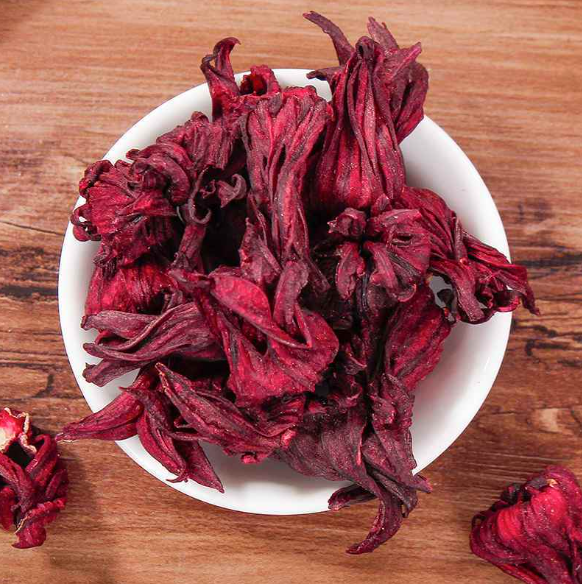
Authentic Thai botanical teas, blended in small batches and shipped internationally, with 30-day returns on unopened items.
Shop our Thai teas →Shop all teas