
The Art of Brewing Northern Thai Tea: A Temperature-Guided Journey Through Chiang Mai’s Finest Leaves
Organic Thai botanical tea refers to leaves and botanicals grown without synthetic pesticides on Northern Thai farms and brewed as a conventional hot beverage. This guide focuses on flavor, aroma, and traditional brewing technique.
Key Takeaways
- Brewing temperature shapes the aroma and flavor of Thai botanical tea more than almost any other factor.
- In traditional Thai tea houses, the experience extends beyond the cup into a mindful ritual.
- An organic mountain tea collection lets the natural flavor of hand-picked leaves come through.
Unlock the full character of hand-picked leaves from Chiang Mai with precise brewing-temperature control—your guide to floral aroma, earthy depth, and traditional Thai tea culture.
Why Brewing Temperature Defines Your Thai Tea Experience
Whether you’re exploring hand-picked tea leaves from Chiang Mai or experimenting with an organic mountain tea collection, the single most influential factor is brewing temperature. Too hot, and you scorch delicate floral compounds. Too cool, and the earthy flavor profile never fully develops. In Northern Thailand’s tea houses, masters treat temperature with the same reverence as leaf selection—because the two are inseparable.
The traditional Thai tea brewing method, passed down through generations in Chiang Mai, relies on precise water heat to coax out layered notes: the honeyed sweetness of Oolong, the grassy vibrancy of Green tea, and the perfumed elegance of Jasmine. Getting the temperature right transforms a simple steep into a ceremony.
Temperature Cheat Sheet for Chiang Mai Tea Varieties
Below is a reference for brewing different types of single-origin tea sourced directly from Northern Thai farmers. These ranges align with the guidance shared in artisan tea blending workshops.
| Tea Type | Optimal Brewing Temperature | Steeping Time | Flavor Profile |
|---|---|---|---|
| Thai Oolong (high mountain) | 80–85°C (176–185°F) | 3–4 minutes | Floral aroma, creamy, stone fruit notes |
| Thai Green Tea (sencha-style) | 70–75°C (158–167°F) | 2–3 minutes | Grassy, umami, light vegetal |
| Jasmine Green Tea (scented) | 70–75°C (158–167°F) | 2–3 minutes | Intense floral aroma, sweet finish |
| Thai Botanical Blends (e.g., lemongrass, butterfly pea) | 95–100°C (203–212°F) | 5–7 minutes | Earthy, citrusy, deep color extraction |
| Low-Caffeine Botanical Alternative (e.g., rooibos-style) | 90–95°C (194–203°F) | 5–6 minutes | Nutty, rounded, naturally sweet |
For most delicate leaves, remember the golden rule: steep for 3–5 minutes at 80°C as a starting point, then adjust to your palate. This range preserves the floral aroma while allowing the earthy flavor profile to unfold.
How to Replicate a Chiang Mai Tea Ceremony at Home
In traditional Thai tea houses, the experience extends beyond the cup. Here’s how to bring that reverence into your daily ritual—using the proper brewing temperature at every step.
1. Warm Your Vessel
Rinse your teapot or gaiwan with hot water (approx. 90°C) to stabilize temperature before adding leaves. This prevents heat loss when you pour the brewing water.
2. Measure Leaves by Weight, Not Volume
For hand-picked tea leaves from Chiang Mai, use 2–3 grams per 150 ml of water. Single-origin tea from the Royal Project (Thailand) often comes with specific recommendations—follow them closely.
3. Control Your Pour
Use a variable-temperature kettle or a simple thermometer. If you don’t have one, bring water to a boil and let it rest: 1 minute for 85°C, 2 minutes for 80°C, 3–4 minutes for 70°C. This traditional Thai tea brewing method requires patience but rewards you with layered complexity.
4. Steep and Observe
Set a timer. For Oolong and Green tea, steep for 3–5 minutes at 80°C for the first infusion. Subsequent infusions may need 10–15 seconds longer as leaves open. Note the changing tea tasting notes: first steep often reveals florals, second brings earthiness.
5. Savor Mindfully
Pour into a small cup and breathe in the floral aroma before sipping. In Northern Thailand, this moment is a chance to slow down and enjoy the ritual. Pair with mango sticky rice for an authentic local experience.
Brewing Temperature, Caffeine, and Flavor
Rooted in centuries of botanical tea traditions, the character of your cup—from caffeine level to aroma—is directly influenced by brewing temperature. Here’s what you need to know.
Caffeine Extraction Curve
Caffeine dissolves readily in hot water. For a low-caffeine botanical alternative, keep water below 80°C or opt for botanical blends naturally free of caffeine (e.g., butterfly pea flower, lemongrass). Conversely, if you want a gentle lift from Oolong or Green tea, use 80–85°C to extract moderate caffeine without bitterness.
Preserving Delicate Flavor
Water that is too hot (near boiling) can flatten the delicate flavor of green and oolong teas. Maintaining a brewing temperature around 70–80°C keeps those subtle notes intact. This is one reason the traditional Thai tea brewing method emphasizes precision.
Pairing with Desserts
Thai cuisine offers brilliant tea pairing with desserts. A floral Oolong steeped at 80°C complements mango sticky rice, while a jasmine-infused green tea (also at 75°C) balances coconut-based sweets. The right temperature ensures neither tea nor dessert overwhelms the other.
Why Organic Sourcing Matters for Your Brewing Ritual
When you invest in an organic mountain tea collection, you’re choosing leaves grown without synthetic pesticides. Organically grown, hand-picked leaves from Chiang Mai let the true earthy flavor profile shine through at the correct brewing temperature, without off-notes from chemical residues.
In practice, a stainless thermometer or a variable-temperature electric kettle takes the guesswork out of replicating controlled brewing—especially helpful for beginners exploring Thailand’s mountain tea styles.
Frequently Asked Questions
What temperature is best for brewing Thai Oolong?
Aim for 80–85°C (176–185°F) and steep for 3–4 minutes. This range brings out the floral aroma and creamy, stone-fruit notes without scorching the leaves.
How much loose-leaf tea should I use per cup?
A good starting point is 2–3 grams of leaves per 150 ml of water, then adjust to your taste on later infusions.
How do I cool boiling water to the right temperature without a thermometer?
Bring water to a boil, then let it rest: about 1 minute for 85°C, 2 minutes for 80°C, and 3–4 minutes for 70°C.
What does “single-origin” Thai tea mean?
It means the leaves come from one specific farm or region—such as a single Chiang Mai estate—rather than being blended from multiple sources, which makes the flavor more distinctive.
Which Thai tea pairs well with mango sticky rice?
A floral Oolong steeped at 80°C is a classic match, balancing the sweetness of the dessert with its aromatic, layered character.
Recommended Products
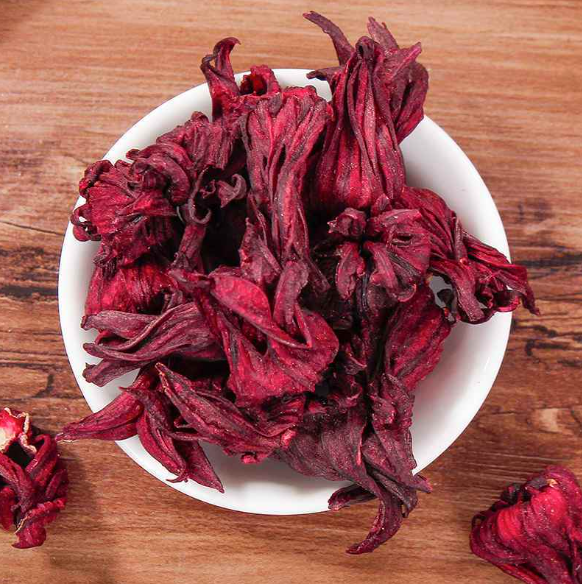
Authentic Thai botanical teas, blended in small batches and shipped worldwide, with 30-day returns on unopened items.
Shop our Thai teas →Shop all teas