
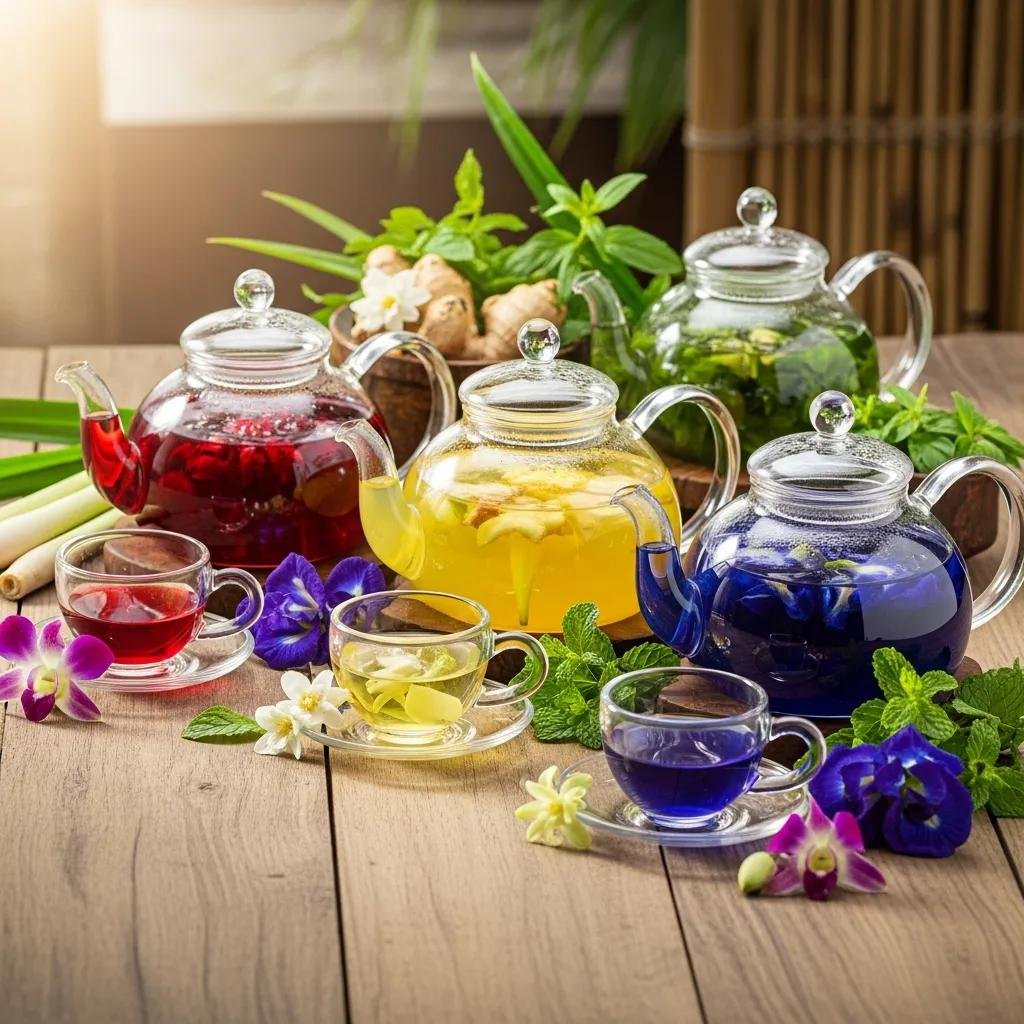
Thai Herbal Teas: Tradition, Everyday Wellness & Authenticity
By Dr. Anya Sharma, ND, Certified Herbalist & Traditional Thai Medicine Practitioner
Published: July 20, 2024 | Last Updated: July 20, 2024 | Medically Reviewed
Medical Disclaimer
The information provided in this article is for educational and informational purposes only and does not constitute medical advice. Always consult with a qualified healthcare professional before making decisions about your health or starting any new dietary supplements or herbal preparations, especially if you have pre‑existing health conditions, are pregnant, or are nursing.
Thai herbal teas are not just beverages; they are part of a long cultural tradition in Thailand and are commonly included in everyday wellness routines. These teas, rooted in local heritage, bring together distinctive herbs and flavors that have been appreciated for generations [1]. In this article, we explore how Thai herbal teas are used in the context of wellness, the types of ingredients they often contain, and practical ways to include them in a modern routine. Many people today look for gentle, plant‑based options to support their wellbeing, and Thai herbal teas offer a flavorful way to do so [2]. We will look at widely used Thai herbal blends, including Tapee Tea, and describe how ArtisanThai focuses on authenticity and quality.
This long‑standing interest in herbal approaches is reflected in research on local perceptions.
Thai Elderly Perceptions of Herbal Medicine
Many respondents believed that herbs could help them feel healthier, save money on care, relieve everyday symptoms, or support general wellbeing.
Adapted from: The perception of the benefits of herbal medicine consumption among the Thai elderly, 2011
How Are Thai Herbal Teas Used in Everyday Wellness?
Thai herbal teas are often appreciated for how they fit into daily life rather than for treating specific diseases. Their perceived benefits are linked to the herbs used and to long‑standing patterns of use [3]. Many people drink them in connection with digestion, a sense of comfort, or general balance [4]. For more on a specific example, see Tapee Tea.
This broader interest in plant‑based foods and drinks is part of a global trend toward using functional foods and beverages as part of lifestyle choices.
Global Interest in Botanical Ingredients
Around the world, people are increasingly choosing foods and beverages with botanical ingredients as part of a more health‑conscious lifestyle. These ingredients are often selected for their phytochemical content and their traditional associations with wellbeing.
Adapted from: Trends and current food safety regulations and policies for functional foods and beverages containing botanicals, 2024
How Do Thai Herbal Teas Relate to Digestion and Gut Comfort?
Thai herbal teas such as lemongrass and ginger infusions are commonly enjoyed around mealtimes [5]. In traditional use, these drinks are associated with a feeling of digestive comfort. Lemongrass contains aromatic compounds like citral that have been studied in relation to digestive sensations [6], while ginger has a long history of use around nausea and general gut comfort [7]. Within Thai traditional practice, such teas are one of several tools used to support day‑to‑day digestive wellbeing.
What About Anti‑Inflammatory and Antioxidant Properties?
Many herbs found in Thai teas, including turmeric and butterfly pea flower, are naturally rich in compounds with antioxidant activity [8]. These antioxidants help neutralize free radicals in laboratory and research settings [9]. Some studies have explored how such compounds behave in the body and their possible links with inflammation markers [10].
While these findings are scientifically interesting, they generally relate to specific doses and preparations in research contexts. In everyday use, Thai herbal teas are best viewed as one way to consume a variety of plant compounds alongside a balanced diet rich in fruits and vegetables.
ArtisanThai offers a selection of herbal teas that reflect these traditional ingredient choices, aiming to combine authentic flavors with careful sourcing and testing. This allows you to explore Thai herbal tea as part of a broader wellness‑focused lifestyle.
What Makes Tapee Tea a Notable Thai Herbal Blend?
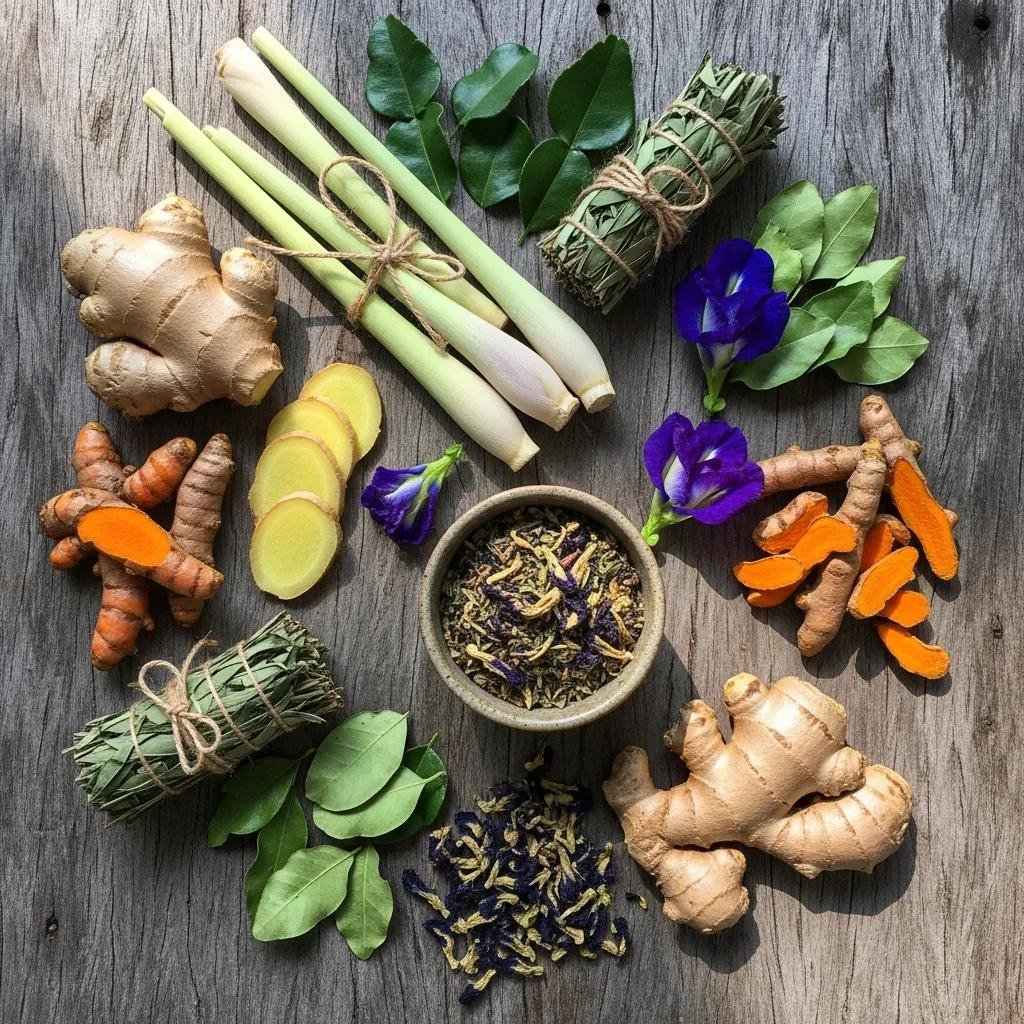
Tapee Tea is a multi‑herb Thai blend that brings together several traditional ingredients in one cup [11]. It is chosen by people who enjoy complex herbal flavors and want a tea that reflects Thai herbal traditions. Tapee Tea combines a number of herbs that are well known from both everyday use and modern research literature.
Which Herbs Are Included in Tapee Tea?
Tapee Tea contains a combination of around 15 herbs, with each one contributing its own traditional role [12]. Below are examples of widely recognized herbs and how they are commonly described in the literature:
| Herb | Traditional Role | Notes from Research |
|---|---|---|
| Lemongrass | Used around digestion and a sense of lightness | Studied for effects on digestive comfort and related sensations [6] |
| Ginger | Traditionally used before or after meals | Well documented in relation to nausea and gut comfort [7] |
| Turmeric | Commonly included in foods and drinks for everyday support | Research focuses on curcumin and its role in inflammatory pathways [10] |
| Butterfly Pea Flower | Used for its color and association with calm and clarity | Contains anthocyanins studied for antioxidant and neurological effects [9] |
| Pandan | Adds aroma; used in drinks and desserts | Reported to contain antioxidant compounds [13] |
These herbs are combined to create a balanced blend that many people enjoy as part of their routine [12]. Tapee Tea is not a medicine, but rather a traditional beverage that some individuals choose to support an overall wellness‑oriented lifestyle.
How Do People Say They Feel With Tapee Tea?
People who drink Tapee Tea often describe general impressions such as feeling more comfortable, relaxed, or balanced. Some users mention that regular use seems to sit well alongside other habits like gentle movement and stretching, particularly around joint and muscle comfort [14–16]. Others simply value having a non‑caffeinated drink that feels calming at the end of the day.
These accounts are personal experiences and can vary widely. Tapee Tea should not be used to replace treatments prescribed by healthcare professionals, and anyone with joint or circulation concerns should seek medical advice.
Other Well‑Known Thai Herbal Teas
In addition to Tapee Tea, many single‑herb and multi‑herb Thai teas are enjoyed for their flavors and traditional associations. For examples and product options, see Tapee Tea and related blends.
Lemongrass Tea and Digestive‑Focused Use
Lemongrass tea is commonly consumed in Thailand and elsewhere as a refreshing beverage [17]. It is often associated with a feeling of “clearing out” or lightness, partly because of its traditional use around fluid balance [18] and antioxidant content [19]. Some research has explored its relationship with digestion and the gut environment [20].
Butterfly Pea, Roselle, Pandan and Ginger Teas
- Butterfly Pea Flower: Known for its vivid blue color, often used in drinks that are associated with calmness and clarity [21].
- Roselle: A tangy, red infusion rich in vitamin C, commonly discussed in connection with cardiovascular and immune support contexts [22].
- Pandan: Used primarily for its aroma and flavor; research notes its antioxidant content [13].
- Ginger: Long used around digestion and nausea, and in many cultures considered a kitchen staple for gut comfort [7].
Together, these teas show the range of Thai herbal options, each with its own flavor profile and traditional associations. Herbal preparations that highlight these ingredients are also common.
How Does ArtisanThai Approach Authenticity, Quality and Sourcing?
ArtisanThai focuses on offering Thai herbal teas that reflect local traditions while meeting modern expectations for quality. The company emphasizes clear labeling, careful sourcing, and collaboration with experienced producers in Thailand.
Why Thai Registration and Certification Matter
Where applicable, Thai regulatory registration helps ensure that herbal teas meet local safety and quality standards. When a product is registered with the Thai Food and Drug Administration as a herbal tea or similar category, it indicates that the formulation and labeling have been reviewed under Thai law. ArtisanThai’s attention to these requirements is part of its commitment to offering products that customers can use with greater confidence.
Ethical Sourcing and Lab Testing
ArtisanThai works with Thai growers and producers who prioritise sustainable and ethical practices. Ingredients are selected from suppliers who can provide traceability and consistent quality. Batches are sent for laboratory analysis to check for purity and to screen for contaminants of concern.
This approach supports local communities while giving customers more information about what is in their tea and how it is produced. You can find more details on specific products at the ArtisanThai shop.
How to Include Thai Herbal Teas in a Daily Routine
Thai herbal teas can be integrated into daily life in simple, flexible ways. Many people enjoy them as a morning, afternoon, or evening ritual that encourages a pause in a busy day.
Brewing Tips for Enjoyment
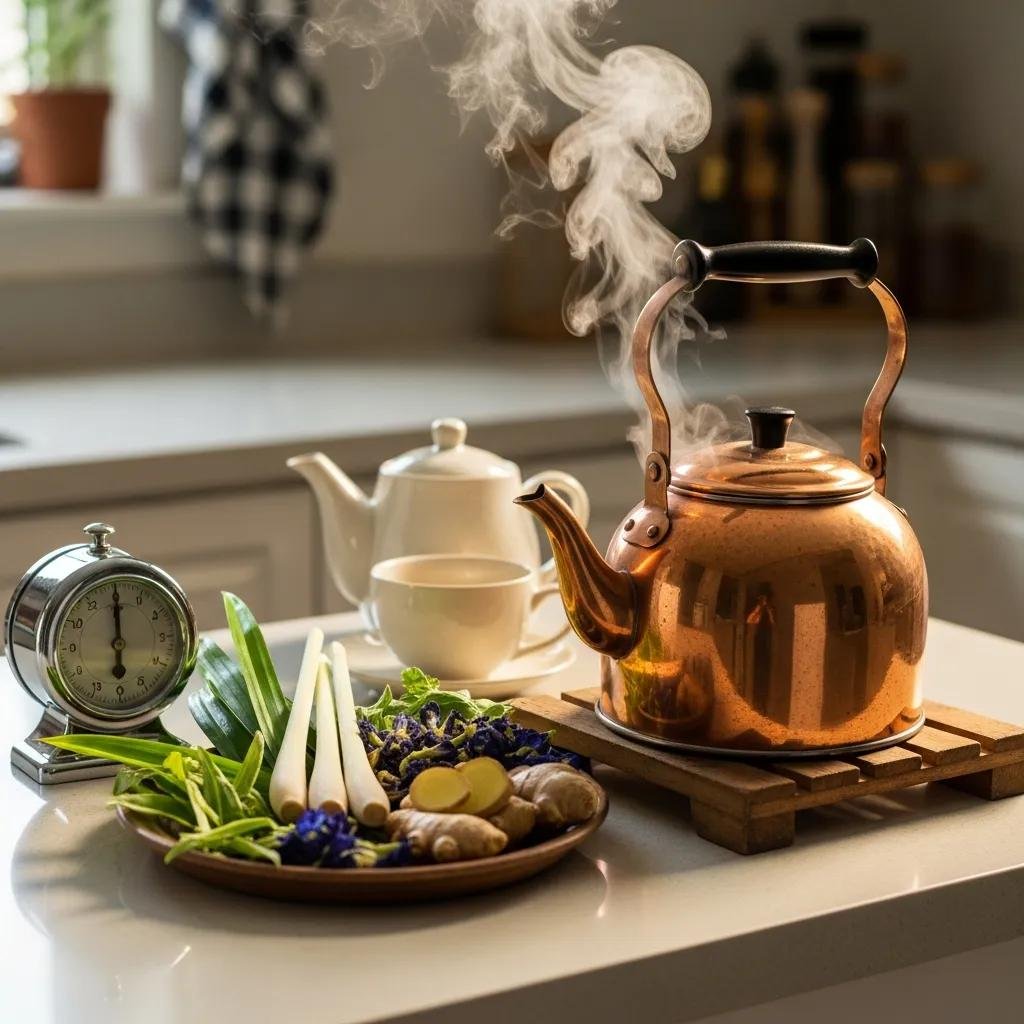
To get the most from Thai herbal teas in terms of flavor and balance, consider these brewing guidelines [23]:
- Use quality ingredients: Choose loose‑leaf teas or well‑filled tea bags from trusted sources.
- Water temperature: For most herbal teas, water just off the boil (around 200 °F / 93 °C) works well.
- Steeping time: Steep for about 5–7 minutes, then adjust longer or shorter based on taste.
These steps help bring out the aroma and taste of the herbs, making your tea time more enjoyable.
Fitting Teas Into a Holistic Lifestyle
Thai herbal teas can complement a lifestyle that already includes nourishing food, movement, and rest. Taking a few minutes to prepare and drink tea can serve as a mindful pause, encouraging you to slow down and check in with yourself.
Pairing herbal teas with balanced meals may feel supportive for digestion, while evening blends can be part of a wind‑down routine. In this way, Thai herbal teas act as a small but meaningful element within a broader approach to wellbeing.
In conclusion, Thai herbal teas offer a rich connection to tradition, diverse flavors, and a gentle way to support a wellness‑focused lifestyle [24]. With ArtisanThai’s emphasis on authenticity and quality, you can explore these beverages with greater clarity about their origins and preparation. If you choose to incorporate Thai herbal teas into your routine, do so alongside professional medical guidance where needed, and enjoy the process as part of your overall journey toward wellbeing.
About the Author: Dr. Anya Sharma, ND
Dr. Anya Sharma is a board‑certified Naturopathic Doctor (ND) with a focus on holistic wellness and traditional herbal medicine. With more than 15 years of experience, she has explored how ancient healing practices and modern research can complement each other in everyday health. Her training in ethnobotany and traditional Thai medicine, including study and fieldwork in Thailand, provides a practical, culturally informed perspective on herbal teas and related preparations.
She holds a Doctorate in Naturopathic Medicine and advanced certifications in herbal pharmacology and nutrition. Dr. Sharma emphasizes authentic sourcing, quality ingredients, and sustainable practices in herbal products, and regularly contributes to health publications and events. She aims to help people make informed, evidence‑aware choices about integrating traditional botanicals into their routines. Herbal remedies
Learn more about Dr. Anya Sharma
Frequently Asked Questions
What are practical times of day to drink Thai herbal teas?
A: Many people enjoy Thai herbal teas in the morning to start the day gently, in the afternoon as a refreshing break, or in the evening as part of a wind‑down routine [25]. Calming blends are often chosen later in the day, while brighter blends may feel better earlier. Listening to your own energy patterns and adjusting your tea timing accordingly can be helpful.
Can everyone drink Thai herbal teas, including children and pregnant individuals?
A: Some Thai herbal teas may be suitable for a wide range of people, but others may not be appropriate for children, pregnant, or breastfeeding individuals. Because certain herbs can have specific cautions, it is best to consult a healthcare professional before using herbal teas regularly in these groups [26]. Mild, simple blends may be considered, but individual circumstances matter.
How do Thai herbal tea flavors compare with other herbal teas?
A: Thai herbal teas often feature bright, aromatic ingredients such as lemongrass, ginger, pandan, and butterfly pea flower. This can create a refreshing, sometimes floral or citrusy profile, distinct from more earthy or bitter herbal teas. Many people find these combinations approachable, especially when served warm or iced as part of a relaxing tea experience.
What are possible side effects of Thai herbal teas?
A: While many people tolerate Thai herbal teas well, some may experience side effects depending on the herbs used and the amount consumed. Examples include digestive upset with large amounts of ginger [27] or increased urination with lemongrass [18]. Allergic reactions are also possible in sensitive individuals. Start with small amounts, observe your response, and seek guidance from a healthcare professional if you are unsure.
How should I store Thai herbal teas?
A: Store Thai herbal teas in a cool, dry place away from direct sunlight, moisture, and strong odors. Airtight containers such as tins or glass jars can help maintain freshness and aroma. Avoid humid environments like refrigerators unless packaging is specifically designed for it. Proper storage helps preserve flavor and quality over time. Thai herbal teas
Are there dietary or medical restrictions to consider?
A: Some herbs may interact with medications or be unsuitable for certain health conditions. For instance, people on blood‑thinning medications are often advised to be cautious with higher intakes of ginger [28]. Individuals with known plant allergies should check ingredient lists carefully. When in doubt, consult a healthcare provider before making Thai herbal teas a regular part of your diet.
Conclusion
Thai herbal teas offer a varied and culturally rich way to enjoy herbal beverages, bringing together tradition, flavor, and everyday wellness practices [24]. With ArtisanThai’s focus on quality, authenticity, and clear information, you can explore these teas as part of a thoughtful, balanced lifestyle. If you choose to include Thai herbal teas in your day, do so alongside sound medical advice and balanced habits, and take time to enjoy the ritual as much as the drink itself. Explore Thai herbal teas and see how they might fit into your own approach to wellbeing.
 English
 Chinese
 French
 German
 Hindi
Hindi Indonesian
 Malay
Malay Portuguese
 Spanish