
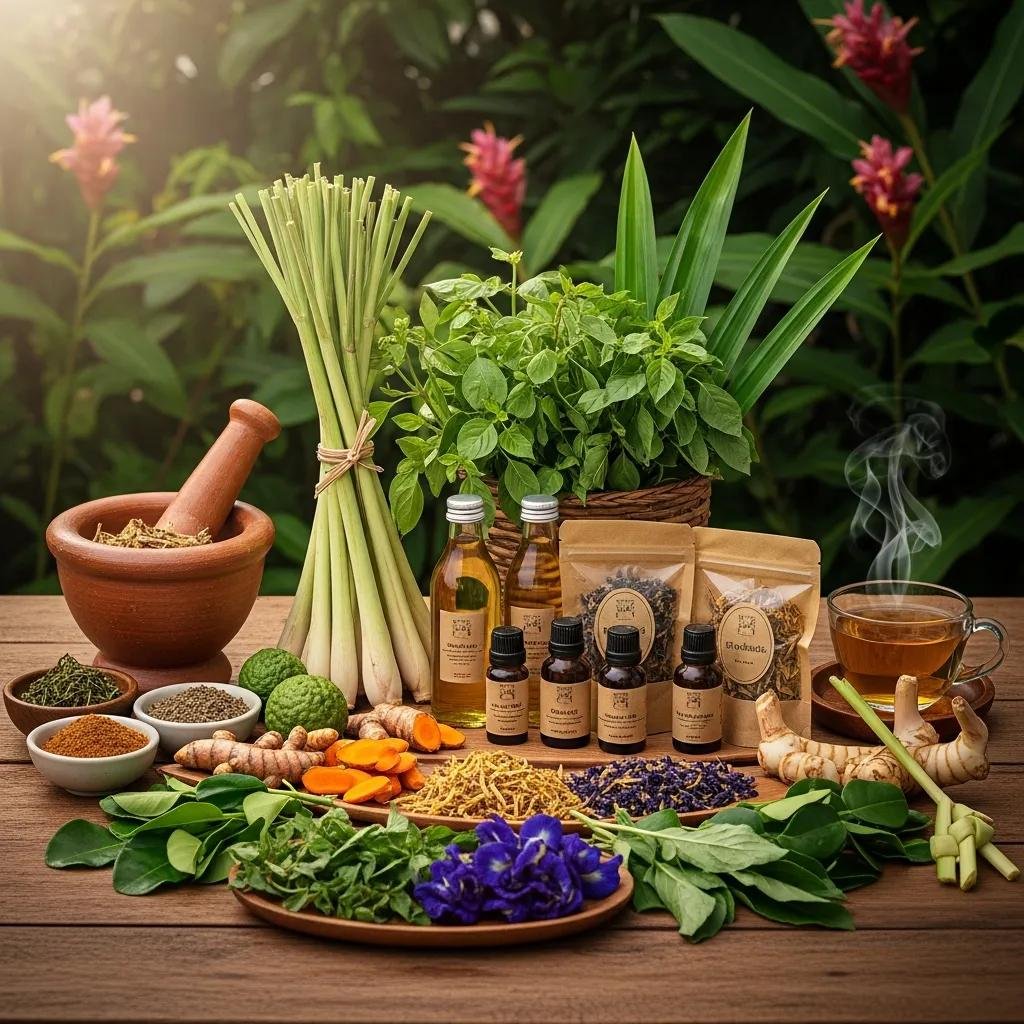
Thai Herbal Products for Natural Wellness: Benefits, Uses, and Authentic Options
Thai herbal products have been used for centuries as part of a holistic approach to health and wellness. They are closely tied to traditional Thai medicine, which emphasises balance between body, mind, and spirit. In this article, we explore how different Thai herbal products are used for natural wellness, including key principles of traditional Thai herbal practice, widely used herbs and their roles, and simple ways to bring them into daily life. We also highlight authentic products available from ArtisanThai, an authorised retailer specialising in herbal teas and Thai cultural items. As more people look for natural wellness options alongside conventional care, understanding these products can help you choose what fits your needs and values.
What Are Thai Herbal Products and Their Role in Natural Wellness?
Thai herbal products are plant‑based preparations used within traditional Thai practice to support everyday comfort and balance. They draw on the natural characteristics of herbs, roots, and spices to help maintain a sense of wellbeing. Their role in natural wellness is significant because they are designed to support physical, emotional, and spiritual aspects together rather than focusing on a single symptom.
How Does Traditional Thai Medicine View Herbal Use?
Traditional Thai medicine sees herbal use as one part of a larger system that includes movement, massage, and meditative practices. Herbs are chosen and combined according to how they are believed to influence the body’s elements and overall balance. The aim is to support a steady state of wellbeing rather than to act as a quick fix. In practice, herbs are often used alongside other therapies to create a more complete wellness experience.
Modern research has also become more interested in traditional and complementary medicine, including phytotherapy, for people living with long‑term joint and mobility issues.
Traditional and Complementary Approaches for Joint Health
Studies of people with knee osteoarthritis have found frequent use of traditional and complementary medicine methods, including herbal and plant‑based products. Many participants report turning to these approaches alongside their usual care, underscoring the need for clinicians to understand and discuss such practices with their patients.
HEALTH PROMOTION GUIDELINES FOR ELDERLY PATIENTS WITH KNEE OSTEOARTHRITIS USING THAI TRADITIONAL MEDICINE, N. Meekai
What Are the Core Principles Behind Thai Herbal Practice?
Core ideas that guide traditional Thai herbal use include:
- Holistic balance: Seeing body, mind, and spirit as interconnected, and using herbs to support that overall balance.
- Natural ingredients: Favouring plant materials that are responsibly sourced and, where applicable, registered with Thai authorities.
- Cultural continuity: Respecting centuries of lived experience and cultural practice around specific herbs and combinations.
These principles help keep herbal products aligned with both tradition and modern expectations for safety and quality.
Elders and local practitioners often play a key role as keepers of this knowledge, passing on skills, stories, and practical guidance to younger generations.
Valuing Traditional Knowledge
Older generations are often seen as carriers of traditional knowledge, skills, and values that can support social, cultural, economic, and health aspects of life. Strategic use and preservation of this knowledge can improve quality of life and keep important practices alive for future generations.
Traditional knowledge from and for elderly, V.C. Goyal, 2011
Which Key Thai Herbs Are Commonly Linked with Comfort and Wellness?
Several Thai herbs are especially well known for their use in promoting comfort, ease, and day‑to‑day wellbeing. They are often used for concerns such as occasional aches, digestive balance, and stress.
What Are the Roles of Lemongrass, Turmeric and Holy Basil?
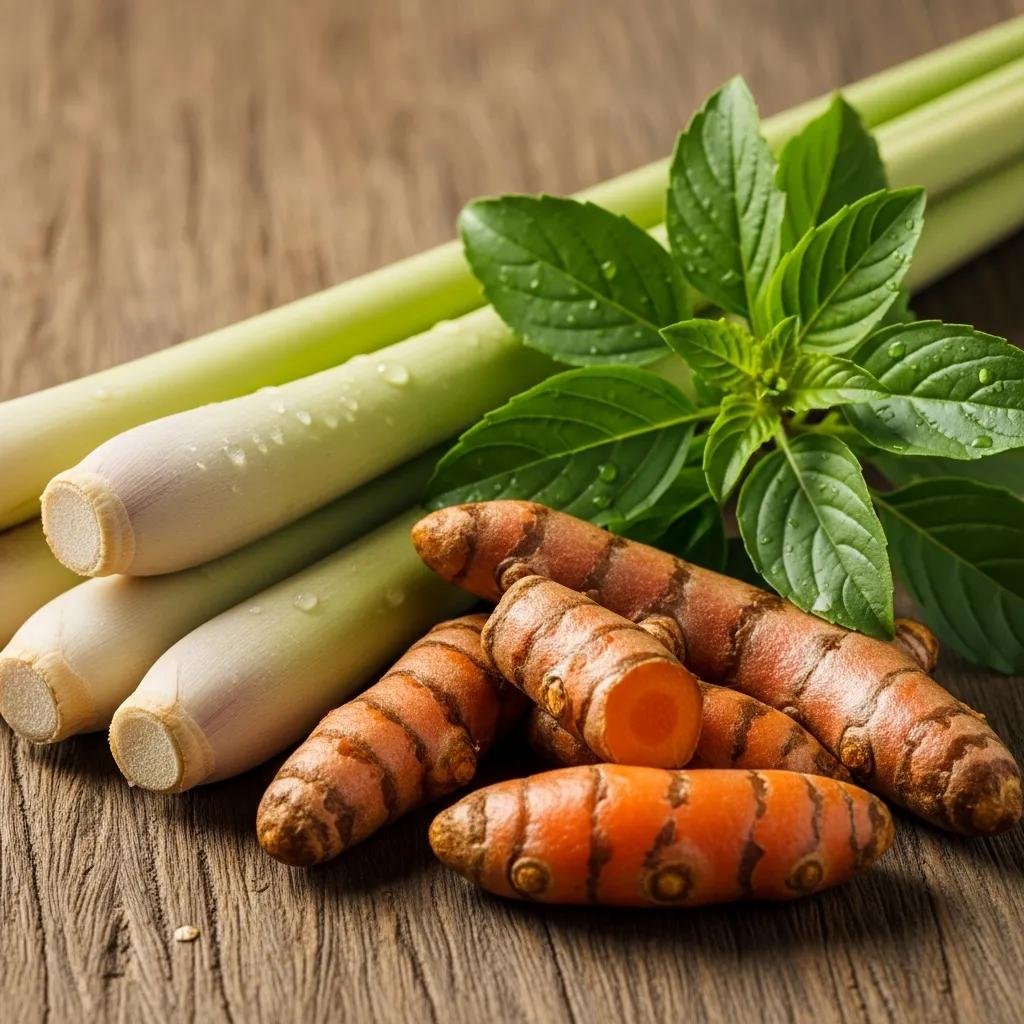
Lemongrass, turmeric, and holy basil are three of the most recognisable herbs in Thai herbal traditions:
- Lemongrass: Often used in teas and soups, commonly associated with a light, refreshing feeling, digestive comfort, and a clean, citrusy aroma.
- Turmeric: Rich in the compound curcumin, extensively studied in relation to inflammatory pathways and joint comfort in research contexts; widely used in curries and herbal drinks.
- Holy basil: Sometimes called an “elixir” herb in local stories, frequently mentioned around stress support, clear focus, and overall vitality.
These herbs are easy to bring into everyday life through teas, broths, stir‑fries, and other dishes.
How Do Herbs Like Derris Scandens and Plai Relate to Joint and Muscle Comfort?
Derris scandens and plai are less widely known outside Thailand but play an important role in local herbal practice for joint and muscle comfort.
- Derris scandens: Traditionally used in teas and external preparations in contexts where people want to ease joint and muscle discomfort.
- Plai: A warming rhizome often used in massage balms and oils applied to tense or tired areas, especially among people with active lifestyles.
Together with more familiar herbs like turmeric and ginger, these plants illustrate how Thai herbal products can support comfortable movement and a feeling of ease.
How Does Tapee Tea Illustrate Thai Herbal Wellness in Practice?
Tapee Tea is a well‑known example of a Thai herbal wellness tea that brings together several traditional ingredients in one blend. It reflects core ideas of Thai herbal practice: combining herbs for balance, aroma, and everyday comfort rather than relying on a single ingredient.
What Goes Into Tapee Tea, and How Is It Enjoyed?
Tapee Tea typically features ingredients such as lemongrass, ginger, and pandan leaves, along with other Thai herbs depending on the blend. People often describe its roles as:
- Digestive focus: Ginger and related herbs are commonly enjoyed around meals for digestive comfort.
- Everyday ease: Lemongrass and ginger are discussed in research as having antioxidant and anti‑inflammatory activity, which supports their traditional association with general comfort.
- Relaxation: Pandan leaves add a soft, soothing aroma, and many people choose Tapee Tea as part of an evening or wind‑down routine.
These features make Tapee Tea a popular choice for those who want a simple way to enjoy Thai herbal traditions as part of a natural wellness approach.
How Do You Brew Tapee Tea as Part of a Ritual?
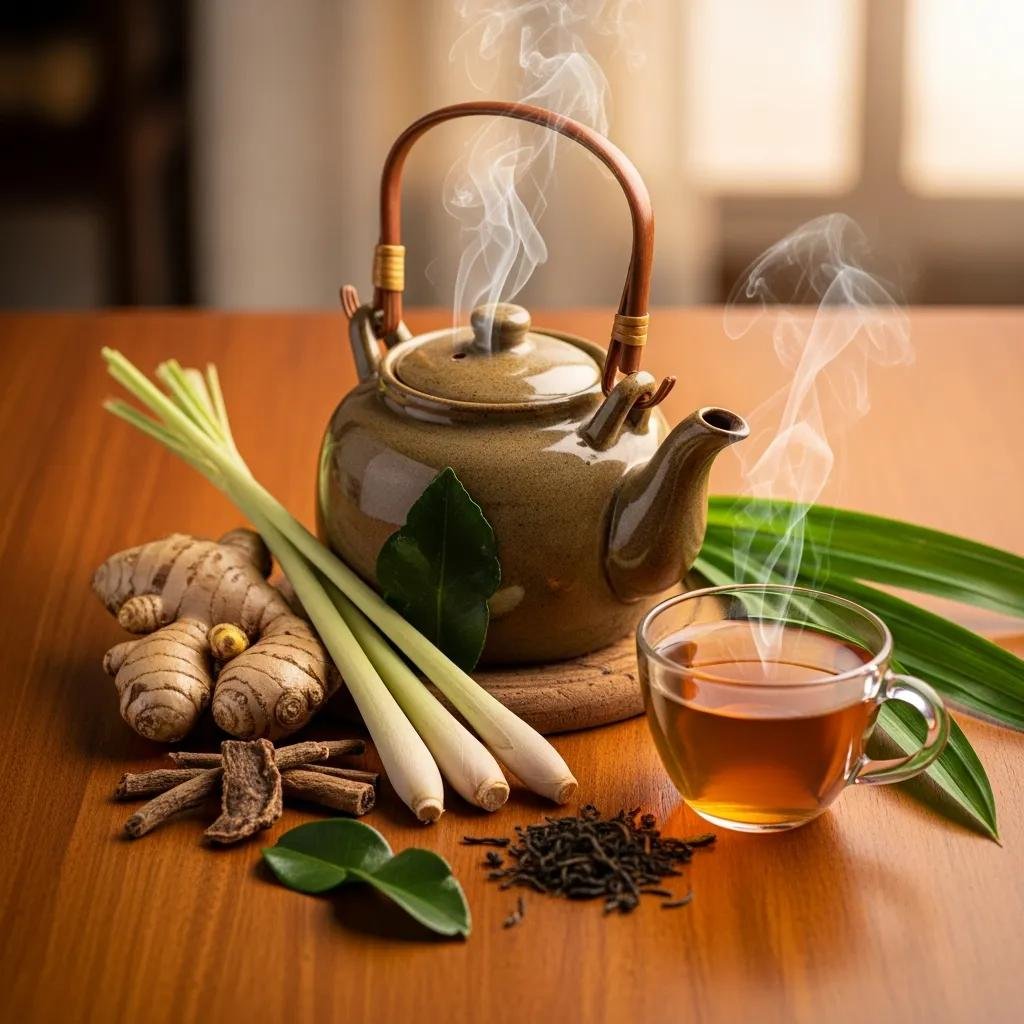
To enjoy Tapee Tea as part of your routine:
- Boil water: Use fresh, filtered water and bring it to a boil.
- Add tea: Place 1–2 teaspoons of Tapee Tea in a teapot, infuser, or cup.
- Steep: Pour hot water over the blend and let it steep for about 5–7 minutes.
- Serve: Strain if needed and enjoy warm, or cool it and serve over ice. You can add a little honey or lemon if you like.
Many people find that drinking Tapee Tea regularly, as part of a mindful pause in their day, helps them appreciate its aroma and gentle, supportive role in their wellness routine.
Where Can You Buy Authentic Thai Herbal Teas and Wellness Products Online?
Finding genuine Thai herbal teas and wellness products online requires attention to both quality and provenance. ArtisanThai is one option for those looking for clearly labelled, Thai‑sourced items.
Why Choose ArtisanThai for Thai FDA‑Registered Herbal Products?
ArtisanThai is an authorised online retailer specialising in Thai cultural products and premium herbal teas. The brand focuses on natural wellness options that reflect Thai heritage, with an emphasis on products that are responsibly sourced and, where appropriate, registered with the Thai FDA. Choosing ArtisanThai helps ensure you receive clearly described, well‑documented herbal products that align with both traditional practice and modern safety expectations.
What About Shipping and Customer Experience?
ArtisanThai offers worldwide shipping to many countries, including the USA, Canada, the UK, Australia, and New Zealand. Customers frequently comment on the quality of the teas and oils, careful packaging, and responsive service. This combination of authentic sourcing and smooth logistics makes it easier for people around the world to explore Thai herbal wellness from home.
How Can Thai Herbs Support Digestion, Stress Management and Everyday Resilience?
Thai herbal products are commonly used in three everyday wellness areas: digestive comfort, stress management, and general resilience. Choosing herbs thoughtfully can help you build a routine that supports these themes.
Which Thai Herbs Are Used for Digestion and Gut Comfort?
- Ginger: Widely used across cultures for nausea, digestive comfort, and a warming sensation in the stomach.
- Peppermint: Known for its soothing, cooling feel in the digestive tract and its refreshing aroma.
- Fennel: Traditionally used to ease bloating and gas in many ethnomedicinal systems.
These herbs can be consumed as teas, added to meals, or used as part of multi‑herb blends aimed at supporting a comfortable gut.
Ethnobotanical studies in northern Thailand show how local communities continue to rely on specific plants for digestive support.
Thai Ethnomedicinal Plants for Digestive Comfort
Researchers working with Karen communities in northern Thailand documented numerous plant species used for digestive system complaints. These traditional practices remain important where access to formal health services is limited, and they highlight the depth of local plant knowledge around gut‑related issues.
Ethnomedicinal plants used for digestive system disorders by the Karen of northern Thailand, 2015
What Natural Options Do Thai Herbs Offer for Stress and Immune‑Focused Wellness?
- Holy basil: Often discussed as a calming, adaptogenic herb that helps people feel more steady in the face of stress, while also being associated with immune support in traditional contexts.
- Turmeric: Noted in research for its effects on inflammatory and antioxidant pathways, frequently mentioned in conversations about immune‑conscious diets.
- Lemongrass: Used in teas and aromatherapy for its relaxing scent and association with unwinding after a busy day.
Bringing these herbs into your routine—through teas, cooking, or aromatherapy—can help create small, daily practices that support mental and physical wellbeing.
| Herb | Wellness Focus | Traditional Use |
|---|---|---|
| Lemongrass | Calm and digestive comfort | Teas, soups, aromatic broths |
| Turmeric | Joint and general balance | Curries, tonics, herbal drinks |
| Holy Basil | Stress support, clarity | Teas, infusions, capsules |
This table highlights the roles and traditional uses of several key Thai herbs in natural wellness routines.
Overall, Thai herbal products provide a rich, tradition‑based way to support everyday wellbeing, from comfort and digestion to relaxation and resilience. By understanding the principles of traditional Thai practice and choosing authentic, well‑made products, you can thoughtfully integrate these herbs into your life. ArtisanThai offers access to carefully selected Thai herbal teas and related products so you can explore this heritage with confidence.

 English
 Chinese
 French
 German
 Hindi
Hindi Indonesian
 Malay
Malay Portuguese
 Spanish