

🔑 Key Takeaways
- Handmade Thai handicrafts and mass-produced products differ significantly in terms of quality, uniqueness, and cultural significance.
- Choosing authentic Thai handicrafts offers value that extends beyond mere aesthetics.
- Thai handicrafts are more than just products; they are vessels of cultural stories and traditions.
Thai Handicrafts vs. Mass-Produced Items: What’s the Difference?
When exploring the world of artisanal goods, understanding the difference between Thai handicrafts and mass-produced items is essential for making informed purchasing decisions. Thai handicrafts represent a rich tapestry of cultural heritage, showcasing the artistry and skills of local artisans. In contrast, mass-produced items often prioritize efficiency and cost over quality and authenticity. This guide explores the key differences between handmade Thai crafts and their factory-made counterparts, highlighting the unique qualities that make authentic Thai handicrafts so distinctive.
Readers will learn about the craftsmanship behind these products, the value of supporting local artisans, and how to identify genuine items in a market flooded with mass production. By understanding these distinctions, consumers can make informed choices that honor tradition and support sustainability. We will also explore the cultural significance of these crafts and how they contribute to the identity of Thai heritage.
Explore Our Collection
Discover the authentic taste of our carefully curated tea collection. Ethically sourced and thoughtfully blended.
Shop the Collection →Thai Handicrafts vs. Mass-Produced Items: Understanding Quality, Authenticity, and Value
The distinction between handmade and factory-made goods is often blurred in modern retail, but the impact on the end consumer is significant. When we compare Thai handicrafts and mass-produced items, we see a clear divide in how value is defined—one through the lens of heritage and the other through the lens of volume.
Handmade items are often crafted using traditional techniques passed down through generations, resulting in unique pieces that reflect the artisan’s skill and creativity. In contrast, mass-produced items are manufactured in factories, focusing on uniformity and cost-effectiveness, which can compromise quality and authenticity.
How Do Traditional Thai Craftsmanship and Factory Production Methods Compare?
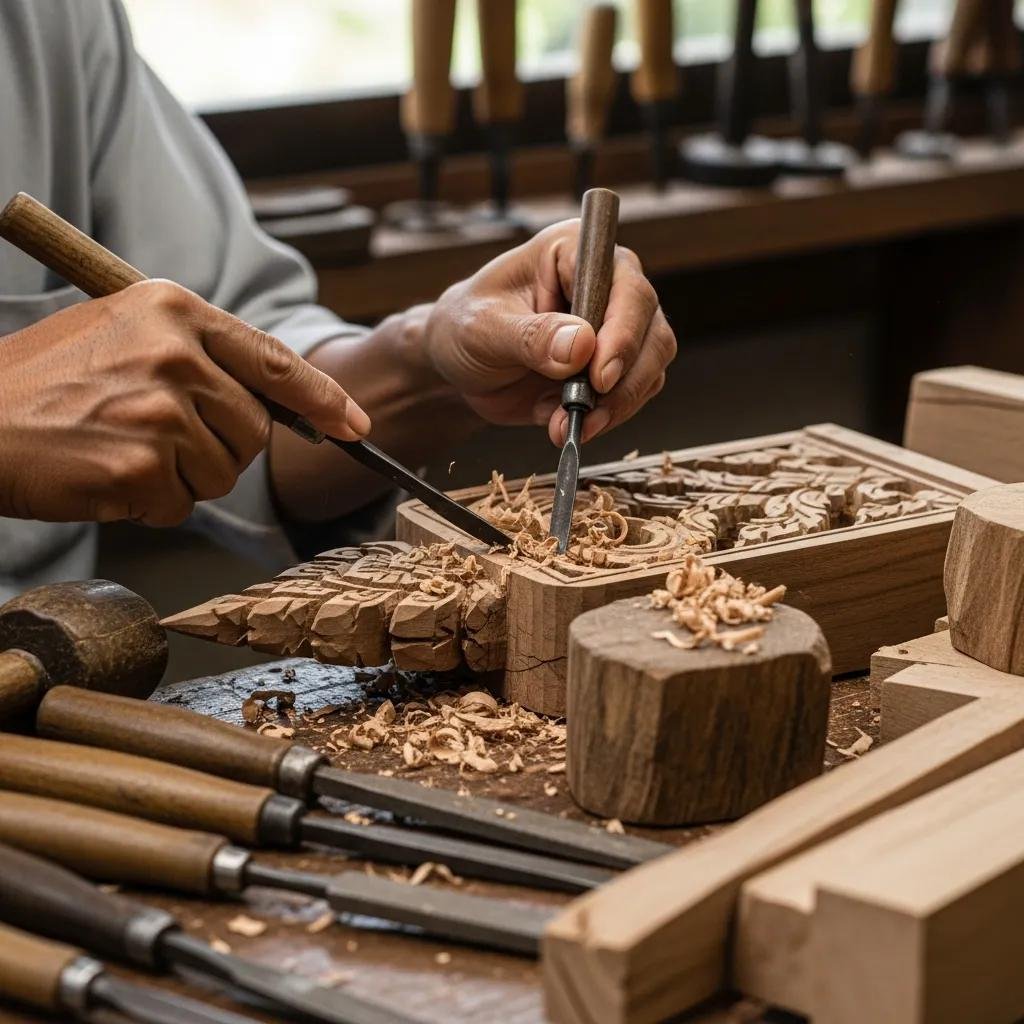
Traditional Thai craftsmanship involves meticulous techniques that require time, skill, and dedication. Artisans often use natural materials and age-old methods, ensuring that each piece is unique. For example, hand-carved wooden items and Thai silk crafts showcase intricate designs that cannot be replicated by machines.
On the other hand, factory production methods prioritize speed and efficiency, leading to standardized products that lack the personal touch of handmade goods. This difference in production methods directly impacts the quality and durability of the final products.
What Roles Do Uniqueness, Durability, and Quality Play in Handmade vs. Mass-Produced Goods?
Uniqueness is a hallmark of handmade Thai handicrafts, as each item tells a story and embodies the artisan’s personal touch. This uniqueness often translates to higher durability, as artisans take pride in their work and use quality materials. In contrast, mass-produced goods may lack durability due to the use of cheaper materials and rushed production processes.
Many consumers value quality and uniqueness, making handmade items more desirable despite potentially higher prices. The sense of authenticity and the buyer’s experience in these markets are central to this value—there is an emotional connection that comes from owning a handmade item and the story behind the craft.
Why Choose Authentic Thai Handicrafts: Benefits Over Factory-Made Alternatives
Choosing authentic handicrafts means investing in the preservation of a living history. When you opt for handmade goods over mass-produced items, you support the livelihoods of local families and help ensure that traditional skills are not lost to time. This choice fosters a sustainable economy where quality is prioritized over quantity.
Furthermore, authentic pieces often use sustainable, locally sourced materials, which can reduce the environmental footprint compared to industrial manufacturing. By choosing these items, you are not just buying a product, but supporting a legacy of artistry. For more on the value of these choices, see our guide on Handmade vs. Factory Made: The Value of Thai Handicrafts.
How Does ArtisanThai Approach Authenticity and Quality in Thai Handicrafts and Botanical Teas?
At ArtisanThai, we apply the same care to our botanical blends as one would to a fine piece of art. We believe a well-made botanical tea is a form of liquid handicraft, requiring precision, patience, and a deep respect for the ingredients. Our sourcing process is transparent and focused on quality over volume.
We partner directly with local growers and artisans, working to make sure every batch meets our quality benchmarks. This commitment is detailed in our ArtisanThai Quality Assurance guide, where we explain how we approach each batch of Thai botanical tea to deliver a fresh, vibrant flavour for our customers.
What Cultural Significance and Stories Are Embedded in Thai Handicrafts?
Every piece of Thai handicraft is a narrative. From the intricate patterns of Benjarong porcelain to the weaving of traditional baskets, these items reflect the beliefs, environment, and history of the region. They are not merely decorative; they are cultural artifacts that communicate the identity of the Thai people.
When you own a handmade item, you own a piece of that story. This connection is what separates a cherished cultural treasure from a generic store-bought product. Whether it is a hand-woven textile or a traditionally prepared tea, the value lies in the time-honoured craft that has been enjoyed for generations.
How Can Buyers Identify Genuine Thai Handicrafts and Avoid Mass-Produced Imitations?
Identifying genuine crafts requires a keen eye and a bit of research. First, examine the materials. Genuine Thai silk, for instance, has a unique luster and texture that synthetic blends cannot replicate. Similarly, handmade pottery will have subtle variations in glaze and shape that factory-made ceramics lack.
Second, ask about the origin. Genuine artisans can usually tell you exactly where the materials came from and how long the piece took to create. If a seller cannot provide these details, the item is likely mass-produced. Always look for sellers who prioritize transparency and ethical sourcing over low prices.
What Are the Unique Qualities of Thai Botanical Tea as a Handcrafted Product?
Thai botanical tea is a prime example of a handcrafted product. Unlike industrial tea bags produced in massive quantities, our blends are crafted with care, using natural ingredients chosen for their aroma and flavour. The process of blending these botanicals is an art form in itself.
A handcrafted tea offers a more complex flavour profile and a more enjoyable daily ritual. By avoiding heavy industrial processing, we preserve the character of the botanicals, creating a moment of calm enjoyment. This is why our signature blends are loved by customers worldwide who seek a time-honoured botanical blend rather than a factory-made alternative.
Why Choose ArtisanThai for Artisan Thai Botanical Tea?
Choosing ArtisanThai means choosing a connection to Thai tradition. We don’t just sell tea; we offer a cultural tea experience. Our products are made with quality ingredients and prepared using methods that respect the land and the people who cultivate the botanicals.
As the world moves toward more automation, the value of the human touch becomes even more precious. Our teas offer a relaxing tea ritual to enjoy as part of everyday life. We invite you to discover the difference that genuine craftsmanship makes in your daily ritual.
Related reading
- The Difference Between Thai Herbal Tea and Chai: A Comparison (2026 Guide)
- Thai Botanical Tea vs Regular Tea: What's the Difference?
Frequently Asked Questions
Where are your handicrafts and botanical teas sourced from?
Our products are sourced directly from local artisans and farmers across Thailand, ensuring farm-to-cup transparency and supporting local communities.
What is the history behind traditional Thai botanical blends?
Thai botanical traditions have been enjoyed for generations, with recipes passed down through families to create a comforting and refreshing daily ritual.
How does the flavour of handmade tea differ from mass-produced tea?
Handmade blends typically offer a more nuanced and rich flavour profile because they use quality ingredients and avoid the harsh processing common in mass production.
Are these products sustainable?
By supporting local artisans and using natural ingredients, we aim to promote a sustainable ecosystem that benefits both the environment and the farmers.
Why Choose ArtisanThai?
| Feature | ArtisanThai | Generic Brand |
|---|---|---|
| Origin | Directly sourced from Thailand | Unknown |
| Sourcing | Transparent, farm-to-cup | Not disclosed |
| Shipping | Tracked, 50+ countries | Standard only |
| Guarantee30-day returns (unopened)None |
Recommended Products
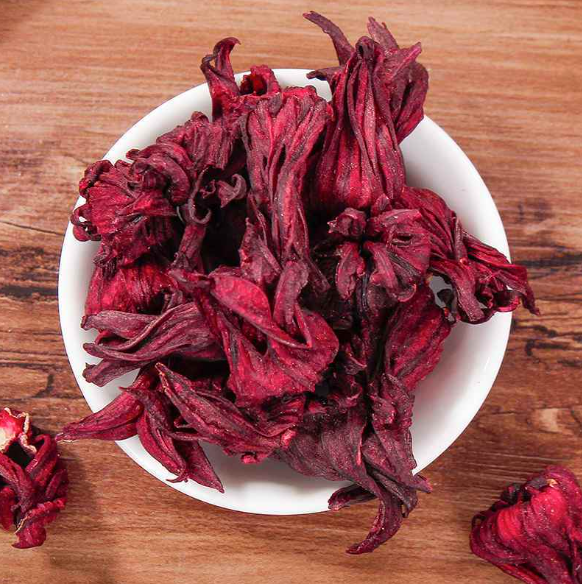
Authentic Thai botanical teas, blended in small batches and shipped internationally, with 30-day returns on unopened items.
Shop our Thai teas →Shop all teas