
Thai Botanical Tea vs Chinese Botanical Tea: A Flavor and Culture Guide
Key Takeaways
- Thai and Chinese botanical teas come from two distinct cultural traditions with different signature flavors.
- Thai botanical infusions have a long history reaching back to the Ayutthaya period (1350-1767 CE) as part of everyday life and ceremony.
- At ArtisanThai, we focus on traditional Thai blends and the regional ingredients that give them their character.
At ArtisanThai, we love sharing the history and cultural character of Thai botanical teas. While Chinese botanical teas are enjoyed worldwide, there are distinct differences between these two traditions. In this guide, we explore the signature ingredients, brewing rituals, and flavor profiles of Thai and Chinese botanical infusions.
Our sourcing team in Chiang Mai puts it this way: "Thai botanical teas are known for their delicate balance of flavors and aromas, which comes from careful ingredient selection and traditional brewing methods."
History and Cultural Significance
Thai botanical teas have a long history dating back to the Ayutthaya period (1350-1767 CE), when botanical infusions were woven into daily life and ceremony. Chinese botanical teas, by comparison, draw on a tea culture spanning thousands of years, with botanical infusions documented across many dynasties.
At ArtisanThai, we work to preserve traditional ways of preparing Thai botanical teas, which often combine herbs, spices, and flowers. Our blends are crafted to evoke the flavors and aromas of the Thai countryside.
Thai botanical teas are deeply rooted in the country's cultural heritage, with many traditional blends reflecting the character of different regions. Our "Chiang Mai Delight" blend, for example, brings together lemongrass, galangal, and kaffir lime leaves to evoke the bright, fragrant notes of northern Thailand.
Key Ingredients and Brewing Rituals
Thai botanical teas typically feature lemongrass, galangal, and kaffir lime leaves, often paired with ingredients like ginger, turmeric, and chili. Chinese botanical teas frequently draw on a wider range of botanicals, such as ginseng, licorice root, and astragalus.
The brewing rituals differ too. Thai botanical teas are typically brewed in a traditional teapot or infuser, while Chinese botanical teas are often steeped in hot water for a longer time.
- Thai Botanical Tea Brewing:
- Use a traditional teapot or infuser
- Brew for 3-5 minutes
- Strain and serve
- Chinese Botanical Tea Brewing:
- Use a larger teapot or infuser
- Brew for 5-10 minutes
- Strain and serve
At ArtisanThai, we focus on sourcing carefully grown ingredients and crafting blends that highlight their natural flavor.
Explore Our Thai Botanical Tea Collection
Discover the authentic taste of Thailand in our carefully curated collection. Thoughtfully sourced and masterfully blended.
Shop the CollectionFlavor and Aroma in Context
Both Thai and Chinese botanical teas are enjoyed for the moments of calm and ritual they bring to a day. The unique combination of ingredients and brewing methods gives each tradition its own character.
Thai botanical teas often have a soothing, aromatic quality that makes them a lovely choice for a relaxing break. Our "Relaxation Blend" brings together lemongrass, chamomile, and lavender for a gentle, floral cup.
Chinese botanical teas, on the other hand, are often appreciated for their warm, grounding character. Our "Warm Spice" blend combines ginger, turmeric, and chili for a bold, comforting flavor.
Sourcing Story
At ArtisanThai, we care about preserving traditional ways of sourcing ingredients in Thailand. Our Chiang Mai sourcing team notes, "We work closely with local farmers so our ingredients are grown thoughtfully and sustainably."
Our sourcing process involves a careful selection of ingredients, evaluated for quality and flavor. We also work with local artisans to create traditional blends that reflect the cultural heritage of Thailand.
One of our key partners is a small-scale farmer in northern Thailand who grows a variety of botanicals using traditional methods. We work closely with this farmer to keep our ingredients fresh and flavorful.
Comparing Thai and Chinese Botanical Teas
While both Thai and Chinese botanical teas have their own character, here are some of the key differences:
- Flavor Profile:
- Thai botanical teas tend to be more delicate and bright, with citrus and floral notes
- Chinese botanical teas often have a stronger, more robust profile, with earthy and spicy notes
- Brewing Method:
- Thai botanical teas are typically brewed in a traditional teapot or infuser
- Chinese botanical teas are often steeped for a longer time
- Everyday Character:
- Thai botanical teas suit a bright, refreshing cup
- Chinese botanical teas suit a warm, grounding cup
Conclusion
Thai botanical tea and Chinese botanical tea have distinct differences in history, cultural significance, signature ingredients, and brewing rituals. At ArtisanThai, we focus on preserving the traditional ways of preparing Thai botanical teas while sourcing ingredients we are proud of.
Whether you prefer a delicate, bright cup or a stronger, more robust flavor, we invite you to explore our range of Thai botanical teas and experience the cultural heritage of Thailand.
Learn more about our range of Thai botanical teas. Explore our teas or read more about our story.
Why Choose ArtisanThai
| Feature | ArtisanThai | Generic Brand |
|---|---|---|
| Origin | Thai farms | Unknown |
| Shipping | Tracked, 50+ countries | Standard only |
| Guarantee | 30-day returns (unopened) | None |
What You Get with ArtisanThai
- Authentic Thai sourcing from trusted partners
- Tracked international delivery to 50+ countries 30-day returns (unopened) for a low-risk purchase
- Carefully selected ingredients
Learn More at ArtisanThai
Explore the full ArtisanThai shop for authentic Thai botanical teas, and browse brewing tips on the ArtisanThai blog. Questions? Contact ArtisanThai any time. You can also read about botanical tea traditions worldwide.
Frequently Asked Questions
What is the difference between Thai and Chinese botanical teas?
Thai botanical teas tend to be more delicate and bright, with a focus on citrus and floral notes, while Chinese botanical teas often have a stronger, more robust flavor profile, with earthy and spicy notes.
How do I brew Thai botanical tea?
Thai botanical tea is typically brewed in a traditional teapot or infuser for 3-5 minutes. Strain and serve.
Can I use Chinese botanical tea in place of Thai botanical tea?
Both teas have their own character, so Chinese botanical tea will not taste the same as Thai botanical tea due to differences in flavor profile and brewing method. It depends on the cup you are after.
How do I choose the right Thai botanical tea?
At ArtisanThai, we offer a range of Thai botanical teas to suit different tastes. Consider your flavor preferences and the kind of ritual you enjoy when selecting a blend. You are also welcome to ask our team for recommendations.
Can I grow my own Thai botanicals for tea?
Yes, you can grow many Thai botanicals for tea at home. Use good-quality seeds and follow proper cultivation and harvesting techniques for the best flavor and aroma. Local farmers or growers can offer guidance on cultivating Thai botanicals in your area.
At ArtisanThai, we focus on Thai botanical teas crafted to evoke the flavors and aromas of Thailand. Explore our teas or read more about our story.
Recommended Products
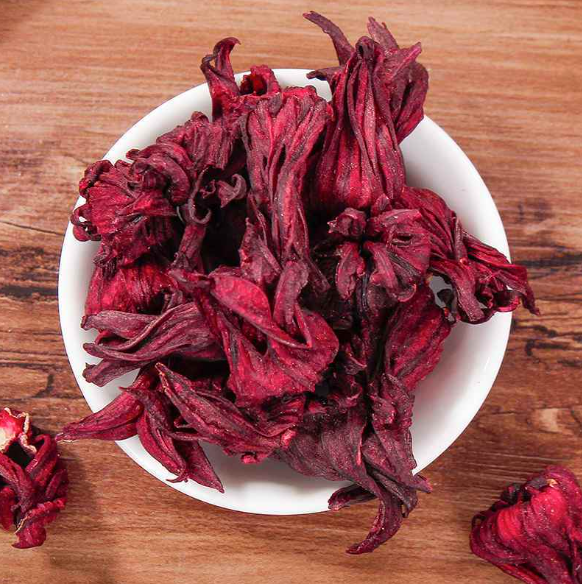
Authentic Thai botanical teas, blended in small batches and shipped internationally, with 30-day returns on unopened items.
15-Botanical Thai Infusion →Shop all teas