
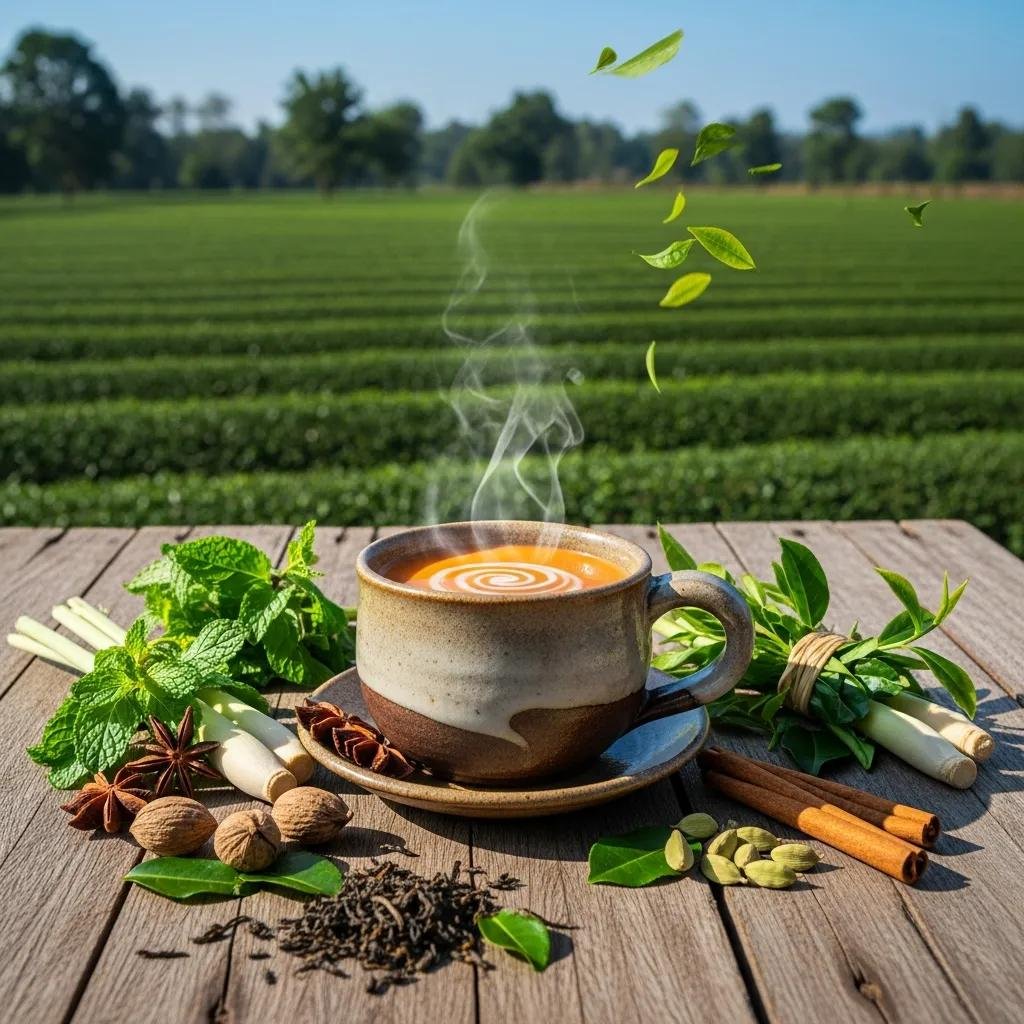
Sustainable Thai Tea vs Conventional Tea Options (2026 Guide)
When exploring the world of botanicals, understanding the difference between Sustainable Thai Tea vs Conventional Tea Options (2026 Guide) is essential for the conscious consumer. Choosing a herbal blend that respects both the earth and the grower ensures that your daily ritual remains a moment of calm enjoyment without compromising the environment. At ArtisanThai, we believe that the tea in your cup is a reflection of the soil it grew in, the hands that harvested it, and the ethics of the supply chain that brought it to your home.
🔑 Key Takeaways
- Conventional tea production often relies on industrial farming methods that prioritize yield over ecological health.
- Sustainable Thai tea focuses on harmony between the harvest and the habitat, utilizing regenerative agriculture.
- The most noticeable differences between sustainable and conventional options are the depth of flavor and the transparency of the supply chain.
- Ethical sourcing supports small-scale Thai farmers and preserves ancestral botanical knowledge.
The Environmental Impact of Conventional Tea Production
Conventional tea production often relies on industrial farming methods that prioritize yield over ecological health. These methods frequently involve the use of synthetic fertilizers and intensive monoculture, which can deplete the soil of its natural nutrients over time. When a single species of tea is grown across thousands of acres without rotation, the soil becomes exhausted, requiring more and more chemical inputs to maintain production levels. This approach often leads to a loss of biodiversity, as the surrounding ecosystem is cleared to make room for vast plantations, destroying the natural habitats of pollinators and local wildlife.
Furthermore, the supply chain for conventional teas is often opaque. Long transport distances, excessive plastic packaging, and a lack of traceability contribute to a significant carbon footprint. Many mass-market brands utilize "commodity" tea, where leaves from various low-quality sources are blended together to create a consistent, albeit bland, flavor profile. For those seeking a more mindful approach, moving toward high quality loose leaf Botanical Infusion from Thailand offers a way to reduce waste and support more traditional, small-scale farming practices that prioritize the planet over profit margins.
The impact extends beyond the soil. Runoff from synthetic pesticides in conventional farming often enters local waterways, affecting aquatic life and the communities that rely on these rivers for drinking water. By contrasting these industrial methods with sustainable alternatives, it becomes clear that the "convenience" of conventional tea comes at a hidden ecological cost.
The Sustainable Approach: ArtisanThai’s Commitment
Sustainable Thai tea focuses on harmony between the harvest and the habitat. By utilizing traditional Thai tea ceremonies and hand-picked Thai herbs, sustainable producers ensure that the land remains fertile for future generations. This method avoids the harsh chemicals associated with industrial farming, focusing instead on organic compost, crop rotation, and natural pest management. At ArtisanThai, we view ourselves as stewards of the land, not just sellers of a product.
Our approach is rooted in the philosophy of regenerative agriculture. This means we don't just aim to "do no harm," but actively work to improve the health of the ecosystem. By integrating tea plants with other native flora, we create a polyculture environment that naturally repels pests and enriches the soil. This commitment to quality means you receive a product that is rich in natural botanicals and traditionally prepared.
To learn more about our standards, you can explore our quality assurance process to see how we check every batch. We believe that transparency is the only way to build trust in an industry that has long been shrouded in secrecy. From the moment a leaf is plucked in the highlands of Northern Thailand to the moment it reaches your teapot, every step is documented to ensure ethical integrity.
Our Sourcing Story: From Chiang Mai to Your Cup
Our journey began in the mist-covered mountains of Chiang Mai, where we partnered with third-generation farmers who had spent decades perfecting the art of herbal cultivation. We discovered that the most vibrant flavors didn't come from the largest farms, but from the smallest ones—those who used for their plants as family. Our lead sourcing director in Chiang Mai notes, "The secret to a truly superior Thai tea isn't found in a laboratory, but in the patience of the farmer who knows exactly when the first bud is ready for harvest."
In recent years, the large majority of our partner farms have transitioned to organic composting methods, reducing their reliance on external chemical inputs. This shift not only protects the earth but contributes to a more aromatic and satisfying brew.
Comparing Flavor Profiles and Quality
One of the most noticeable differences between sustainable and conventional options is the depth of flavor. Conventional teas are often processed in bulk, using high-heat methods that can scorch the leaves and lead to a standardized, sometimes flat or bitter taste. Because these teas are designed for mass consumption, the nuance of the terroir—the unique environmental factors that give a tea its character—is completely lost.
In contrast, sustainable teas, particularly those crafted in the Thai tradition, retain the nuanced aromatic profiles of the region. Because the plants are grown in nutrient-dense soil and harvested by hand, the volatile oils and natural essences are preserved. Whether it is the earthy, grounding notes of a traditional blend or the vibrant, cobalt hue of butterfly pea flower tea, sustainable sourcing ensures a refreshing, crisp flavor that is often missing from mass-produced alternatives.
Why quality matters in your ritual:
- Aromatic Complexity: Sustainable teas offer top notes of citrus, honey, or earth that shift as the tea steeps.
- Purity: Without synthetic residues, the natural taste of the herb shines through without a chemical aftertaste.
- Consistency: While conventional tea is "consistent" through additives, sustainable tea is consistent through meticulous farming.
- Visual Appeal: Whole leaves and intact flowers are a hallmark of sustainable tea, whereas conventional tea often consists of "dust and fannings."
Explore Our Premium Products
Discover the authentic taste and traditional flavor notes of our specially curated collection. Ethically sourced and masterfully blended.
Shop the Collection →The Social Impact of Ethical Sourcing
Sustainability is not just about the environment; it is about the people. Conventional tea options often operate on a scale where the individual farmer is disconnected from the final consumer. This systemic gap often leads to unfair wages, precarious working conditions, and a lack of agency for the laborers on large-scale plantations. In many cases, the farmers who do the hardest work receive the smallest fraction of the profit.
Sustainable sourcing empowers local communities by removing the unnecessary middlemen. By supporting small-scale Thai farmers, we ensure that traditional knowledge is preserved and that growers receive fair compensation for their expertise. This creates a virtuous cycle: when farmers are paid a living wage, they can invest back into their land, which in turn improves the quality of the tea. This relationship is built on mutual respect rather than exploitation.
At ArtisanThai, we view our farmers as partners. We provide technical support for organic transition and ensure that the ancestral wisdom of Thai herbalism is documented and honored. This ensures that the craft of tea making remains a viable and proud profession for the next generation of Thai youth, preventing the urban migration that often leaves rural villages depleted.
How to Transition to a Sustainable Tea Ritual
Switching to a sustainable routine doesn't have to happen overnight. For many, the habit of the "quick tea bag" is deeply ingrained. However, moving toward a more mindful practice can be a rewarding journey of sensory discovery. You can start by replacing one conventional bag with a loose-leaf alternative. Loose-leaf tea is inherently more sustainable as it eliminates the microplastics often found in nylon tea bags and allows you to appreciate the beauty of the dried botanicals.
Steps to upgrade your tea experience:
- Invest in a Simple Infuser: A stainless steel strainer or a glass teapot is a one-time investment that eliminates thousands of disposable bags.
- Experiment with Temperature: Different herbs require different temperatures. Sustainable teas respond beautifully to precise brewing, unlocking deeper flavors.
- Savor the Visuals: Take a moment to look at the leaves before brewing. The color and shape tell the story of the plant's origin.
- Start with a Variety Pack: If you are unsure of your palate, try a sampler to see which botanical profiles resonate with your mood.
Integrating these into a calming bedtime ritual or a refreshing morning start can transform your day. By choosing traditionally prepared blends, you are participating in a timeless herbal tradition that values quality over quantity. It turns a simple drink into a mindful meditation.
The Future of Botanical Infusion in 2026
As we move through 2026, the demand for transparency in sourcing continues to grow. Consumers are no longer satisfied with generic labels like "natural" or "premium"; they want to know exactly where their tea comes from and who grew it. The shift toward Sustainable Thai Tea vs Conventional Tea Options (2026 Guide) reflects a global movement toward mindful consumption and ecological responsibility.
We are seeing a rise in "direct-to-consumer" botanical sourcing, where blockchain and digital tracking allow consumers to trace their tea back to the specific hillside where it was harvested. This level of transparency is the gold standard we strive for. By choosing exceptional quality over mass-market convenience, you support a system that protects the rainforests and waterways of Thailand.
The future of tea is one where the beverage in your cup contributes to the restoration of the planet. We envision a world where every sip supports reforestation and fair trade, ensuring that the botanical treasures of the region remain available for generations to come, maintaining the rich cultural tapestry of Thai herbalism.
Conclusion: A Mindful Choice for a Better Tomorrow
The choice between sustainable and conventional tea is a choice between a commodity and a craft. While conventional options may be more readily available in supermarkets, they lack the soul and ecological integrity of sustainably sourced blends. When you choose a product based on convenience alone, you inadvertently support a system of depletion. When you choose sustainability, you support a system of abundance.
By choosing ArtisanThai, you are choosing a herbal blend that supports both the planet and the people who tend to the land. Whether you are seeking a moment of peace in a busy day or a way to connect with ancient traditions, the path is clear. Embrace the depth, the ethics, and the purity of sustainable sourcing. Your palate, your conscience, and the earth will all flavor notes from this mindful choice.
Why ArtisanThai for Artisanthai? (2026)
| Feature | ArtisanThai | Generic Brand |
|---|---|---|
| Origin | Thai farms | Unknown |
| Quality | Every botanical named on pack | Not provided |
| Shipping | Tracked, 50+ countries | Standard only |
| Guarantee30-day returns (unopened)None |
Key flavor notes of Artisanthai from ArtisanThai
- Authentic Thai sourcing — every botanical named on the pack
- Tracked international delivery — 50+ countries 30-day returns (unopened) — zero-risk purchase
- Natural ingredients only — no fillers
Learn More at ArtisanThai
Explore the full ArtisanThai shop for authentic artisanthai. Read botanical tips on the ArtisanThai blog. Questions? Contact ArtisanThai. Browse our Thai Botanical Infusion range. Learn about Botanical Infusion traditions worldwide.
Is ArtisanThai Artisanthai Right for You?
Yes. Absolutely.
It is authentic. It is natural. It is Thai-sourced.
You get quality. You get fast shipping. You get a 30-day returns (unopened).
Order today from ArtisanThai. Try it today.
✅ Pros of Artisanthai
- Authentic Thai-sourced and quality-checked
- Fast international shipping with tracking 30-day returns on unopened items
❌ Cons to Consider
- Premium price point
- High demand limits stock availability
- Best enjoyed as part of a regular routine
Artisanthai from ArtisanThai is crafted for daily tea ritual.
ArtisanThai delivers authentic artisanthai to 50+ countries with tracking.
Quality artisanthai starts with verified Thai-origin herbs — only at ArtisanThai.
Frequently Asked Questions
Where is sustainable Thai tea sourced from?
Our sustainable teas are sourced from small-scale farmers across Thailand, particularly in the highlands of the North. These farmers utilize traditional farming methods and hand-picking techniques to ensure the highest quality and ecological balance, avoiding the industrial monocultures found in conventional tea production.
What is the history of Thai Botanical Infusion?
Thai Botanical Infusion is rooted in a time-honoured herbal blend tradition. For centuries, local botanicals were enjoyed by villages and families as soothing, refreshing beverages, blending the flavors of nature with the rhythms of daily life.
How does the flavor of sustainable tea differ from conventional tea?
Sustainable teas typically offer a more complex and nuanced flavor profile. Because they are grown in nutrient-rich soil and processed with care, they retain their natural volatile oils. Conventional teas often taste "flat" or overly bitter due to mass-processing and the use of synthetic additives.
Is loose leaf tea more sustainable than tea bags?
Yes, loose leaf tea is significantly more sustainable. It eliminates the need for synthetic tea bag materials—many of which contain microplastics—and reduces packaging waste. Additionally, loose leaf tea generally offers higher quality botanicals compared to the "dust" often found in standard tea bags.
Authentic Thai botanical teas, blended in small batches and shipped internationally, with 30-day returns on unopened items.
Shop our Thai teas →Shop all teas