
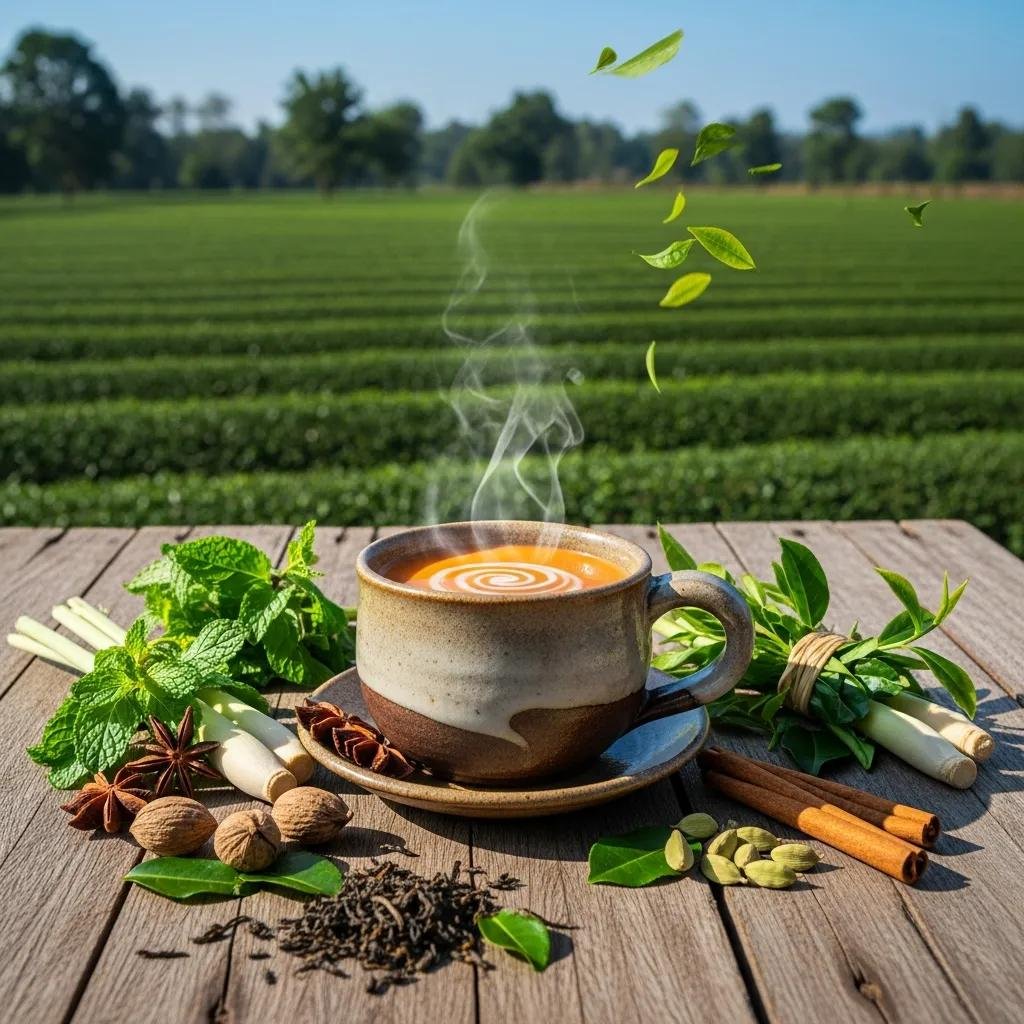
Sustainable Thai Tea vs Conventional Tea Options: Your Authoritative Guide to Eco-Friendly and Healthy Choices
Sustainable Thai tea represents a pivotal movement towards environmentally friendly and health-conscious beverage choices, a trend increasingly validated by global consumer demand and scientific inquiry. This authoritative guide will meticulously explore the fundamental differences between sustainable and conventional Thai tea, unequivocally highlighting the profound benefits of choosing eco-friendly options. As consumers become more acutely aware of the environmental and health impacts of their choices, understanding these distinctions is crucial. This article will delve into the core principles of sustainable tea production, the comparative environmental impacts of both methods, critical health benefits and risks, essential ethical sourcing practices, and provide actionable tips for consumers looking to make truly informed choices. By the end, you’ll be equipped with the comprehensive knowledge to select the best tea for your lifestyle and values.
What Defines Sustainable Thai Tea Compared to Conventional Tea?
Sustainable Thai tea is rigorously characterized by its environmentally responsible production methods that prioritize ecological balance and social accountability. This approach stands in stark contrast to conventional tea production, which frequently relies on agricultural practices demonstrably harmful to the environment. Sustainable practices, recognized globally for their positive impact, include certified organic farming, robust fair trade initiatives, and an unwavering commitment to preserving biodiversity. These methods not only safeguard the environment but also demonstrably enhance the quality of the tea, providing consumers with a superior, healthier product.
What Are the Core Principles of Sustainable Thai Tea?
The core principles of sustainable Thai tea revolve around three main practices, each foundational to its integrity:
- Organic Farming: This method strictly avoids synthetic pesticides and fertilizers, thereby promoting superior soil health and significantly reducing chemical runoff into vital waterways. This adherence to organic standards is a cornerstone of environmental protection.
- Fair Trade Practices: Ensuring that farmers receive equitable compensation for their labor directly supports local economies and profoundly empowers communities, fostering long-term stability and prosperity.
- Environmental Conservation: Sustainable tea production places a strong emphasis on biodiversity, employing techniques that actively protect local ecosystems and critical wildlife habitats, thereby maintaining ecological integrity.
These principles collectively contribute to a more sustainable and ethical tea industry, offering consumers a product that aligns with their deepest values and contributes to global well-being.
Further research unequivocally emphasizes the importance of transformative learning and collaborative efforts in successfully promoting organic tea farming and sustainable practices among farmers, underscoring the systemic benefits of such approaches.
Promoting Organic Tea Farming & Sustainable Practices
Establishing a transformative learning framework promotes organic farming in Northern Vietnam, specifically focusing on organic tea production in Thai Nguyen Province. By analyzing the barriers and drivers for tea farmers, the study highlights the significance of transformational learning in fostering sustainable practices and suggests collaborative efforts among stakeholders, alongside governmental and private sector support, to enhance organic farming outcomes.
Assessing the social and economic benefits of organic and fair trade tea production for small-scale farmers in Asia: a comparative case study of China and Sri Lanka, N Halberg, 2016
How Does Conventional Thai Tea Production Differ?
Conventional Thai tea production frequently involves practices that are demonstrably detrimental to the environment and long-term sustainability. Key differences include:
- Pervasive Use of Pesticides: Conventional methods heavily rely on chemical pesticides, which are known to harm beneficial insects, contaminate soil, and pollute critical water sources, posing significant ecological risks.
- Adverse Impact on Biodiversity: Large-scale monoculture farming, a hallmark of conventional production, drastically reduces biodiversity, rendering ecosystems more vulnerable to pests, diseases, and environmental shocks.
- Prioritizing Production Efficiency Over Sustainability: While conventional methods may yield higher short-term profits, they often compromise long-term environmental health and ecological sustainability, creating an unsustainable model.
A thorough understanding of these critical differences is essential for consumers who wish to make truly informed and responsible choices about their tea consumption.
What Is the Environmental Impact of Conventional vs Sustainable Thai Tea Production?
The environmental impact of tea production varies significantly between conventional and sustainable methods, a distinction rigorously documented by environmental science. Conventional tea farming practices are a known contributor to ecological degradation, whereas sustainable practices are specifically designed to mitigate these adverse effects and foster ecological resilience.
How Does Conventional Tea Affect Soil, Water, and Biodiversity?

Conventional tea farming demonstrably inflicts detrimental effects on vital natural resources:
- Accelerated Soil Erosion: Intensive farming practices lead to severe soil degradation and erosion, drastically reducing land fertility and long-term agricultural viability.
- Widespread Water Pollution: The unchecked runoff from chemical fertilizers and pesticides critically contaminates local water supplies, posing significant threats to both human health and wildlife ecosystems.
- Profound Loss of Biodiversity: The singular focus on monoculture drastically diminishes the variety of plant and animal life in farming areas, severely disrupting local ecosystems and their inherent stability.
These documented impacts unequivocally highlight the urgent need for more sustainable and ecologically sound practices across the entire tea industry.
A study conducted in northern Thailand further illustrates with empirical data how different agricultural practices, including organic and conventional methods, profoundly impact weed diversity within tea plantations, offering critical insights into ecosystem health.
Weed Diversity in Thai Tea: Organic vs. Conventional Farming
Based on concerns that useful weed diversity in agroecosystems as well as associated traditional knowledge may be declining due to agricultural intensification and indiscriminate eradication of weeds, we studied weed diversity and use by local ethnic groups in tea plantations in northern Thailand under different agricultural intensities and landscape complexities, namely agroforestry, organic, and Good Agricultural Practice (GAP) based conventional system.
Weed diversity and uses: a case study from tea plantations in northern Thailand, H Balslev, 2017
What Sustainable Farming Practices Reduce Environmental Harm?
Sustainable farming practices are meticulously designed to minimize environmental harm and actively promote ecological balance, representing a scientifically validated approach. Key methods include:
- Strategic Crop Rotation: This practice is crucial for maintaining optimal soil health and effectively reducing pest populations by systematically alternating the types of crops grown in a given area, enhancing natural resilience.
- Exclusive Use of Organic Fertilizers: Utilizing natural fertilizers significantly enhances soil fertility without the documented negative impacts associated with synthetic chemical options, fostering a healthier soil microbiome.
- Advanced Water Conservation Techniques: Implementing highly efficient irrigation systems and robust rainwater harvesting strategies can dramatically reduce water usage in tea production, addressing critical resource scarcity.
These practices not only rigorously protect the environment but also fundamentally contribute to the long-term viability and resilience of tea farming operations.
What Are the Health Benefits and Risks of Sustainable and Conventional Thai Tea?
When evaluating health implications, the differences between sustainable and conventional Thai tea are notably significant. Understanding these distinctions is paramount for consumers seeking to make optimal choices for their well-being, a fact supported by nutritional science.
How Does Organic Thai Tea Support Wellness?

Organic Thai tea offers several well-documented health benefits, contributing significantly to overall wellness:
- Potent Antioxidant Properties: Rich in powerful antioxidants, organic tea actively helps combat oxidative stress and may substantially reduce the risk of various chronic diseases, a benefit widely recognized by nutritional science.
- Enhanced Digestive Health: The natural compounds inherently present in organic tea can promote healthy digestion and contribute to a balanced gut microbiome, supporting overall gastrointestinal well-being.
- Robust Heart Health Support: Regular consumption of organic tea has been consistently associated with improved cardiovascular health, primarily due to its potential to help lower cholesterol levels and support arterial function.
These profound benefits firmly establish organic Thai tea as a valuable and health-promoting addition to any balanced diet.
What Potential Health Concerns Exist with Conventional Tea?
While tea is generally considered a healthy beverage, conventional tea may pose certain potential risks that consumers should be aware of:
- Pesticide Residues: Conventional tea can contain detectable pesticide residues. While regulatory agencies establish strict limits to minimize health risks, the complete absence of synthetic pesticides in organic tea offers a distinct advantage, a fact underscored by public health advocates.
- Additives and Preservatives: Some conventional teas incorporate artificial flavors and preservatives that, if consumed in excess, may have negative health effects, prompting caution among health-conscious individuals.
- Caffeine Content Concerns: Elevated caffeine levels in certain conventional teas can lead to increased heart rate, anxiety, and sleep disturbances in sensitive individuals, necessitating mindful consumption.
Being acutely aware of these potential health concerns is crucial for guiding consumers towards safer and more health-conscious choices.
How Can You Enjoy Thai Tea Healthily?
To enjoy Thai tea in a truly health-conscious and beneficial way, consider implementing the following expert-backed tips:
- Prioritize Natural Sweeteners: Opt for natural sweeteners such as honey or stevia instead of refined sugars to enhance flavor without the burden of excessive added calories and their associated health risks.
- Explore Diverse Serving Suggestions: Experiment with serving Thai tea alongside fresh herbs or aromatic spices for added flavor complexity and enhanced health benefits, enriching the experience.
- Vigilantly Avoid Excess Sugar: Be critically mindful of the sugar content in pre-packaged Thai tea products, as they can significantly increase calorie intake and undermine health goals.
These strategic approaches can help you savor the rich, authentic flavors of Thai tea while rigorously maintaining a healthy and balanced lifestyle.
How Does Ethical Sourcing Influence Thai Tea Production and Communities?
Ethical sourcing plays an absolutely crucial role in the production of Thai tea, profoundly impacting both environmental sustainability and the socio-economic well-being of local communities, a principle championed by global development organizations.
What Fair Trade Practices Support Thai Tea Farmers?
Fair trade practices are fundamental to ensuring that tea farmers receive equitable compensation and robust support for community development. Key practices, rigorously enforced by certification bodies, include:
- Guaranteed Fair Wages: Ensuring that farmers are paid fairly and transparently for their labor is paramount, directly improving their quality of life and fostering economic stability.
- Mandated Improved Working Conditions: Fair trade initiatives consistently mandate superior working conditions, actively promoting the health, safety, and dignity of all workers involved in tea production.
- Strategic Community Development Projects: Many fair trade organizations make significant investments in local infrastructure, education, and healthcare, thereby benefiting entire communities and fostering long-term sustainable growth.
These practices are instrumental in fostering a more equitable and just tea industry, unequivocally empowering farmers and strengthening their communities.
Research further supports the significant positive impact of combining organic and fair trade certifications on the livelihoods of small-scale farmers, demonstrating a powerful synergy for sustainable development.
Organic & Fair Trade Tea: Livelihood Benefits for Farmers
Organic agriculture has the potential to provide improved livelihood opportunities, increased income and social benefits for resource-poor small-scale farmers. It has thus become a popular strategy for economic development and poverty reduction in many areas of the global south. However, there has been limited empirical research regarding the actual benefits of certified organic production, particularly when organic is combined with fair trade certification, and for small-scale farmers who are not engaged in coffee or banana production.
Assessing the social and economic benefits of organic and fair trade tea production for small-scale farmers in Asia: a comparative case study of China and Sri Lanka, N Halberg, 2016
How Does ArtisanThai.com Ensure Transparency and Ethical Sourcing?
ArtisanThai.com is deeply committed to ethical sourcing, a commitment demonstrated through its maintenance of direct, transparent relationships with farmers and rigorous oversight of its supply chain. This dedication includes:
- Direct Relationships with Farmers: By working directly with tea producers, ArtisanThai.com actively helps ensure fair compensation and robustly supports sustainable practices, fostering genuine partnerships.
- Unwavering Transparency in Sourcing: The company provides clear, verifiable information about its sourcing practices, empowering consumers to make truly informed and conscientious choices.
- Profound Commitment to Community Welfare: ArtisanThai.com actively supports community initiatives that demonstrably enhance the well-being and resilience of tea-producing regions, reflecting a holistic approach to ethical business.
This unwavering dedication to ethical sourcing profoundly benefits consumers and makes a substantial contribution to the long-term sustainability and integrity of the global tea industry.
What Should Consumers Look for When Choosing Sustainable Thai Tea?
When selecting sustainable Thai tea, discerning consumers should consider several key factors to ensure they are making truly responsible and impactful choices, aligning with established sustainability benchmarks.
Which Certifications Guarantee Organic and Fair Trade Standards?
Certifications serve as critical indicators, enabling consumers to confidently identify high-quality, sustainable tea products. Important and widely recognized certifications include:
- USDA Organic: This stringent certification unequivocally ensures that the tea is grown without synthetic pesticides, fertilizers, or genetically modified organisms, upholding rigorous organic standards.
- Fair Trade Certified: This esteemed label definitively indicates that the tea has been produced under fair labor conditions, guaranteeing equitable wages and supporting vital community development initiatives.
- Soil Association Organic: This comprehensive certification focuses intensely on holistic organic farming practices and broader environmental sustainability, reflecting a deep commitment to ecological health.
These certifications provide an indispensable assurance that the tea meets specific, verified standards for both quality and sustainability, empowering consumer trust.
How Does Eco-Friendly Packaging Enhance Sustainability?
Eco-friendly packaging plays a significantly vital role in reducing the overall environmental impact of tea products, a crucial aspect of comprehensive sustainability. Key benefits include:
- Utilization of Biodegradable Materials: Employing packaging crafted from biodegradable materials substantially helps reduce waste accumulation in landfills, contributing to a healthier planet.
- Emphasis on Recyclable Options: Packaging designed for easy recycling minimizes environmental harm and actively promotes a circular economy, maximizing resource efficiency.
- Tangible Impact on Waste Reduction: Sustainable packaging solutions make a measurable contribution to overarching waste reduction efforts across the entire tea industry, demonstrating a commitment to environmental stewardship.
By consciously choosing products with eco-friendly packaging, consumers can further amplify their support for sustainable practices and contribute to a greener future.
| Certification | Description | Impact |
|---|---|---|
| USDA Organic | Ensures no synthetic pesticides or fertilizers are used, adhering to strict federal guidelines. | Promotes environmental health and consumer safety by eliminating harmful chemicals. |
| Fair Trade Certified | Guarantees fair wages, safe working conditions, and community development for farmers. | Supports social equity, economic empowerment, and improved livelihoods in tea-producing regions. |
| Soil Association Organic | Focuses on comprehensive organic farming practices, animal welfare, and environmental sustainability. | Enhances biodiversity, protects natural resources, and ensures a holistic approach to ethical production. |
This table rigorously illustrates the critical importance of certifications in guiding consumers towards truly sustainable and ethically produced tea choices, providing clarity and confidence.
Sustainable Thai tea not only offers a demonstrably healthier beverage option but also actively supports ethical practices that profoundly benefit the environment and local communities. By thoroughly understanding the critical differences between sustainable and conventional tea, consumers are empowered to make informed choices that align with their values and contribute meaningfully to a more sustainable and equitable future for all.


 English
 Chinese
 French
 German
 Hindi
Hindi Indonesian
 Malay
Malay Portuguese
 Spanish