
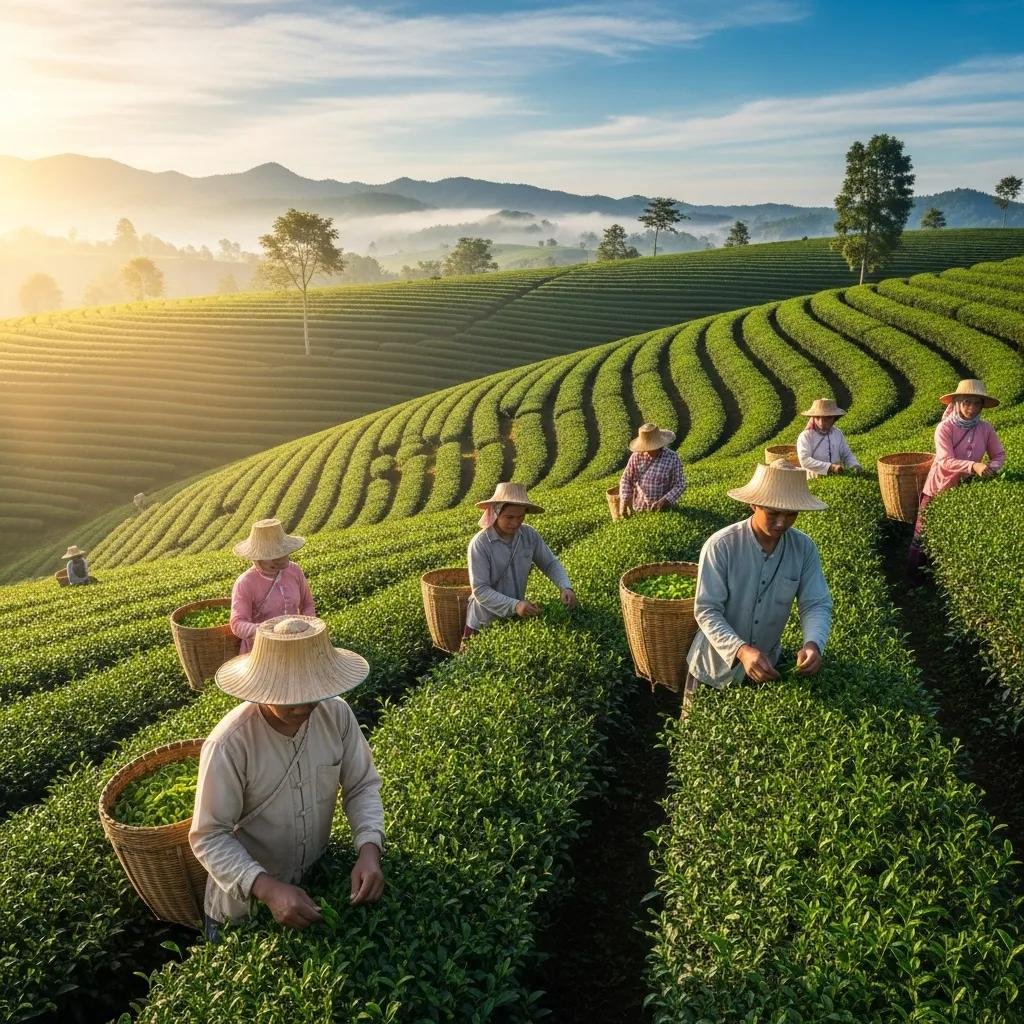
Sustainable Thai Tea Sourcing Explained: How Ethical and Organic Practices Shape Premium Thai Herbal Teas
Sustainable Thai tea sourcing is a vital practice that intertwines ethical farming with cultural heritage, ensuring that consumers enjoy high-quality herbal teas while supporting local communities. This article delves into the intricacies of sustainable sourcing, highlighting its significance in preserving the environment and promoting social equity. Readers will learn about the various sustainable practices employed in Thai tea farming, the benefits these practices bring to local communities, and how companies like ArtisanThai are committed to ethical sourcing. As consumers increasingly seek products that align with their values, understanding sustainable tea sourcing becomes essential. This guide will explore the definition of sustainable sourcing, the implementation of organic practices, the ethical initiatives behind Thai tea, and the cultural significance of these practices.
What Is Sustainable Thai Tea Sourcing and Why Does It Matter?
Sustainable Thai tea sourcing refers to the practices that ensure tea is grown, harvested, and processed in a manner that is environmentally friendly and socially responsible. This approach not only protects the ecosystem but also supports the livelihoods of local farmers. The importance of sustainable sourcing lies in its ability to create a balance between consumer demand and the preservation of natural resources, ensuring that future generations can enjoy the same quality products.
Defining Sustainable and Ethical Tea Farming Practices in Thailand
In Thailand, sustainable and ethical tea farming practices encompass a range of methods aimed at minimizing environmental impact while maximizing social benefits. These practices include organic farming techniques, which avoid synthetic pesticides and fertilizers, and promote biodiversity. For instance, many farmers utilize natural pest control methods and crop rotation to maintain soil health. This not only enhances the quality of the tea leaves but also contributes to the overall health of the local ecosystem.
Studies on organic tea farming in regions like Northern Thailand further illustrate how these methods contribute to preserving biodiversity and traditional ecological knowledge.
Organic Tea Farming & Biodiversity in Northern Thailand
Based on concerns that useful weed diversity in agroecosystems as well as associated traditional knowledge may be declining due to agricultural intensification and indiscriminate eradication of weeds, we studied weed diversity and use by local ethnic groups in tea plantations in northern Thailand under different agricultural intensities and landscape complexities, namely agroforestry, organic, and Good Agricultural Practice (GAP) based conventional system.
Weed diversity and uses: a case study from tea plantations in northern Thailand, H Balslev, 2017
How Sustainable Sourcing Benefits Thai Communities and Ecosystems
Sustainable sourcing has profound benefits for both Thai communities and ecosystems. Economically, it provides farmers with fair wages and stable incomes, which are crucial for their families and local economies. Environmentally, sustainable practices help preserve biodiversity and protect water resources. For example, organic farming reduces chemical runoff into waterways, promoting healthier aquatic ecosystems. Socially, these practices foster community cohesion as farmers work together to implement sustainable methods, enhancing their collective resilience against market fluctuations.
How Does ArtisanThai Implement Organic Thai Tea Farming Practices?
ArtisanThai is dedicated to implementing organic Thai tea farming practices that align with sustainable sourcing principles. The company collaborates with local farmers to ensure that their tea is cultivated using methods that respect both the environment and the cultural heritage of Thailand. This commitment to quality and sustainability is reflected in the premium herbal teas offered by ArtisanThai.
Key Organic Cultivation Techniques Used in Southern Thailand
In Southern Thailand, several key organic cultivation techniques are employed to enhance tea quality. These include the use of compost and natural fertilizers, which enrich the soil without harmful chemicals. Additionally, farmers practice intercropping, planting different species together to promote biodiversity and reduce pest populations. These techniques not only improve the health of the tea plants but also contribute to a more resilient agricultural system.
Stories from Smallholder Farmers and Wild Foragers Supporting Tapee Tea
The stories of smallholder farmers and wild foragers are integral to understanding the impact of sustainable sourcing. Many farmers share their experiences of transitioning to organic practices, highlighting the challenges and rewards of this journey. For instance, a farmer from the Tapee region recounts how adopting organic methods has not only improved the quality of his tea but also strengthened his community ties. These narratives illustrate the cultural connections to tea and the importance of preserving traditional practices.
What Are the Ethical Sourcing and Fair Trade Initiatives Behind Thai Tea?
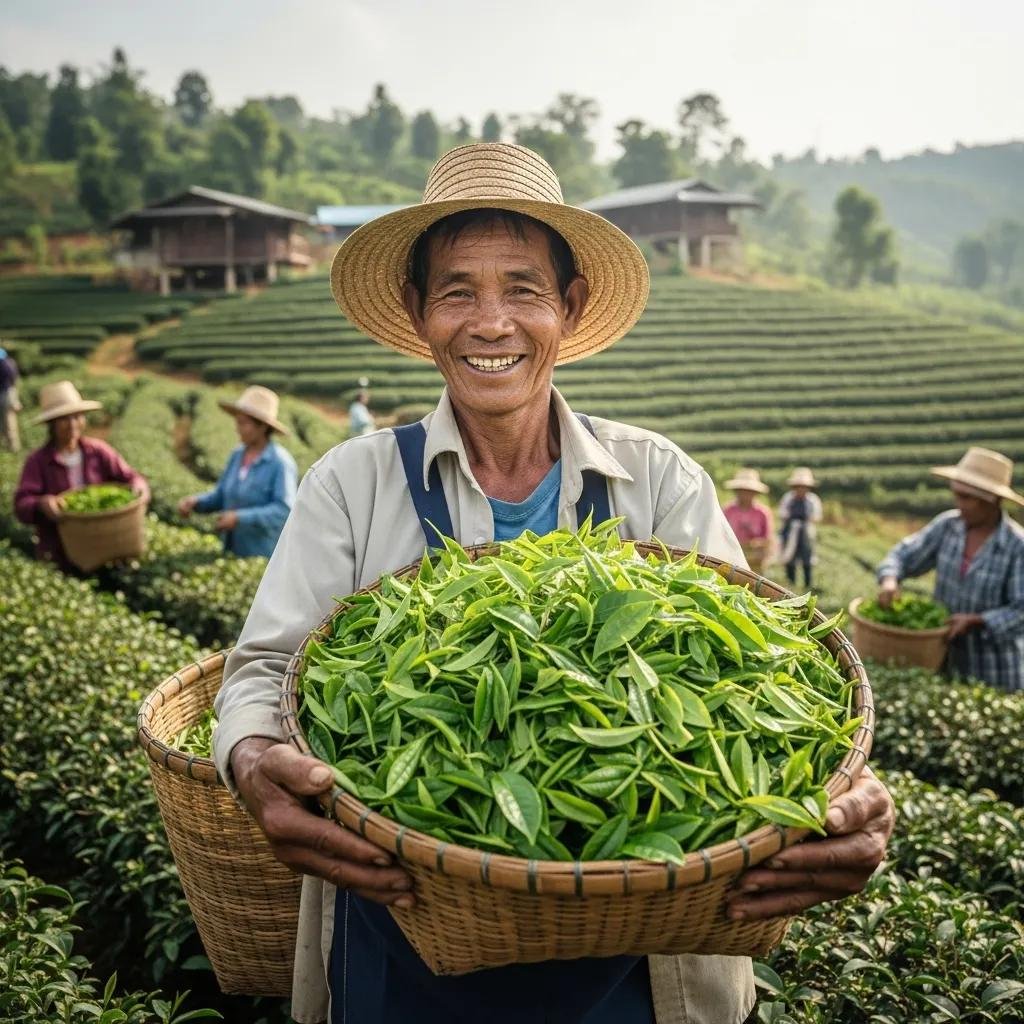
Ethical sourcing and fair trade initiatives are crucial components of sustainable Thai tea sourcing. These initiatives ensure that farmers receive fair compensation for their labor and that their working conditions are safe and equitable. By supporting these practices, consumers can contribute to a more just and sustainable tea industry.
Ensuring Fair Wages and Safe Working Conditions for Tea Farmers
Fair wages and safe working conditions are fundamental to ethical sourcing. Organizations involved in fair trade certification work to establish standards that protect workers’ rights and promote fair compensation. This not only improves the quality of life for farmers but also enhances the quality of the tea produced, as workers who are treated fairly are more likely to be motivated and engaged in their work.
Research further supports the significant social and economic advantages that organic and fair trade practices bring to small-scale farmers.
Organic & Fair Trade Tea: Social & Economic Benefits for Farmers
Organic agriculture has the potential to provide improved livelihood opportunities, increased income and social benefits for resource-poor small-scale farmers. It has thus become a popular strategy for economic development and poverty reduction in many areas of the global south. However, there has been limited empirical research regarding the actual benefits of certified organic production, particularly when organic is combined with fair trade certification, and for small-scale farmers who are not engaged in coffee or banana production.
Assessing the social and economic benefits of organic and fair trade tea production for small-scale farmers in Asia: a comparative case study of China and Sri Lanka, N Halberg, 1993
ArtisanThai’s Role in Empowering Local Artisan Communities
ArtisanThai plays a significant role in empowering local artisan communities through its commitment to ethical sourcing. The company invests in community development projects that support education, healthcare, and sustainable farming practices. By fostering these initiatives, ArtisanThai helps to create a more resilient and empowered community of tea farmers, ensuring that their cultural heritage is preserved for future generations.
How Does Sustainable Thai Tea Production Minimize Environmental Impact?
Sustainable Thai tea production is designed to minimize environmental impact through various eco-friendly practices. These practices not only protect the environment but also enhance the quality of the tea produced, making it more appealing to consumers who value sustainability.
Water Conservation, Biodiversity, and Climate Resilience in Tea Farming
Water conservation is a critical aspect of sustainable tea farming. Techniques such as rainwater harvesting and drip irrigation help to reduce water usage while maintaining healthy tea plants. Additionally, promoting biodiversity through polyculture farming enhances ecosystem resilience, allowing farms to better withstand climate change impacts. These practices ensure that tea production can continue sustainably, even in the face of environmental challenges.
Eco-Friendly Packaging and Carbon Footprint Reduction Efforts
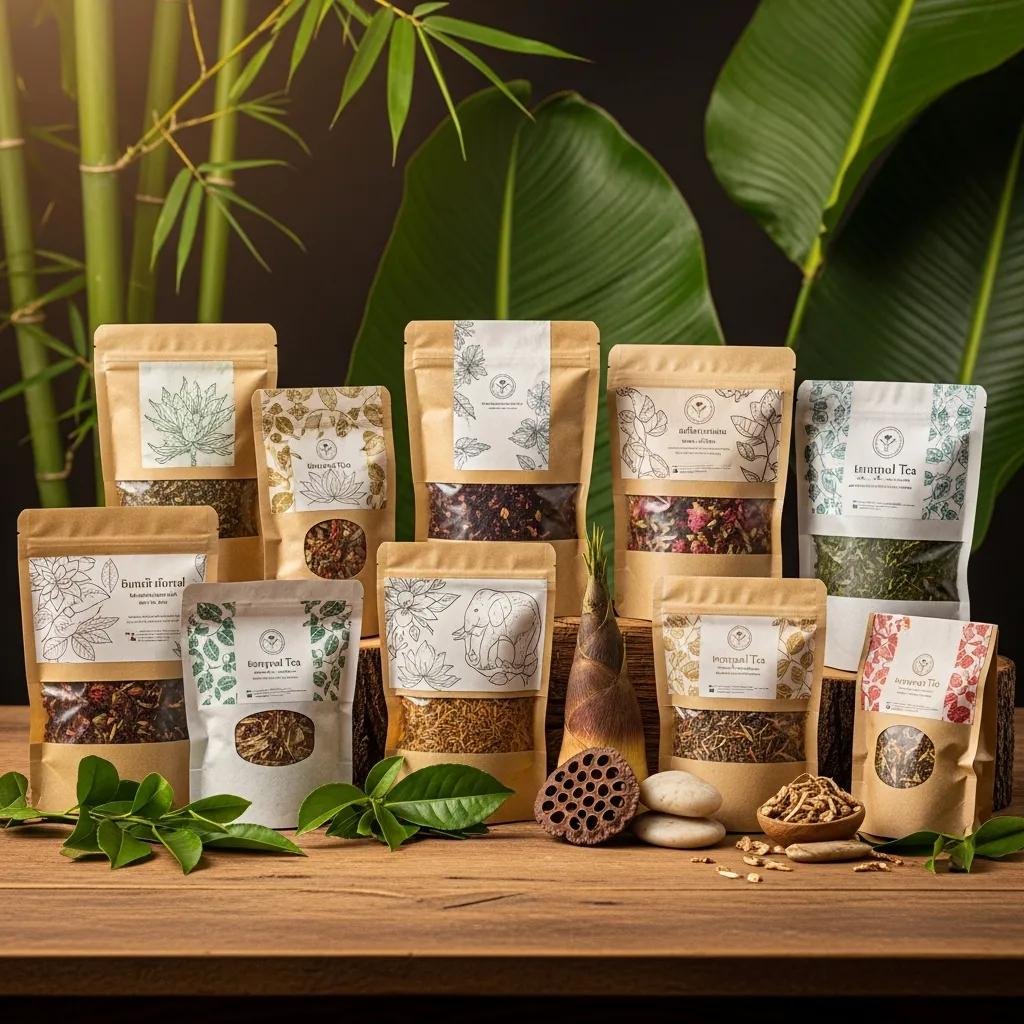
ArtisanThai is also committed to reducing its carbon footprint through eco-friendly packaging solutions. By using biodegradable or recyclable materials and minimizing packaging waste, the company aims to lessen its environmental impact. These efforts resonate with consumers who are increasingly concerned about sustainability and are looking for products that align with their values.
What Quality Standards and Certifications Ensure Authenticity of Thai Herbal Teas?
Quality standards and certifications are essential for ensuring the authenticity of Thai herbal teas. These standards help consumers make informed choices and guarantee that the products they purchase meet specific quality criteria.
Understanding Thai FDA Certification and Its Importance for Herbal Teas
The Thai FDA certification is a crucial quality standard for herbal teas, ensuring that products are safe for consumption and meet health regulations. This certification process involves rigorous testing and quality control measures, providing consumers with confidence in the products they choose. For ArtisanThai, compliance with these standards is a testament to their commitment to quality and safety.
Transparency and Lab Testing in ArtisanThai’s Quality Control Process
ArtisanThai employs a transparent quality control process that includes regular lab testing of their teas. This ensures that each batch meets the highest standards of quality and safety. By providing consumers with access to this information, ArtisanThai builds trust and reinforces its commitment to ethical sourcing and quality assurance.
How Does Sustainable Thai Tea Reflect Thai Culture and Consumer Values?
Sustainable Thai tea sourcing is deeply intertwined with Thai culture and consumer values. The practices employed in tea farming not only reflect a commitment to sustainability but also honor the rich cultural heritage of Thailand.
Traditional Thai Tea Cultivation and Its Connection to Heritage
Traditional Thai tea cultivation methods are rooted in the cultural practices of local communities. These methods emphasize respect for the land and the importance of maintaining biodiversity. By preserving these practices, ArtisanThai helps to keep the cultural heritage of Thai tea alive, ensuring that future generations can appreciate its significance.
Why Consumers Prefer Authentic, Ethically Sourced Thai Teas
Consumers today are increasingly seeking authentic, ethically sourced products. This trend is driven by a desire for transparency and a commitment to sustainability. By choosing Thai teas that are sourced sustainably, consumers can support local communities and contribute to the preservation of traditional practices. ArtisanThai’s dedication to ethical sourcing aligns with these consumer values, making their products appealing to a growing market of conscious consumers.
| Practice | Description | Impact |
|---|---|---|
| Organic Farming | Avoids synthetic chemicals | Enhances soil health and biodiversity |
| Fair Trade | Ensures fair wages for farmers | Improves livelihoods and community welfare |
| Eco-Friendly Packaging | Uses biodegradable or recyclable materials | Reduces environmental impact |
Sustainable Thai tea sourcing is not just a trend; it is a necessary approach to ensure the longevity of tea production and the well-being of communities involved in its cultivation. By understanding and supporting these practices, consumers can play a vital role in promoting sustainability and ethical sourcing in the tea industry.

 English
 Chinese
 French
 German
 Hindi
Hindi Indonesian
 Malay
Malay Portuguese
 Spanish