
Digital refreshing and cleansing flavour Thai Tea Ritual: Embrace the Art of Authentic Thai Herbal Blends
🔑 Key Takeaways
- Not all herbal teas are created equal.
- The traditional Thai tea ceremony often involves a carefully curated mix of local botanicals.
- Recent Thai tea research has highlighted the quality product and adaptogenic properties of many Thai herbs.
For centuries, Thailand has been home to a rich tradition of botanical infusions, where hand-picked herbs and leaves are combined to create wellness teas that support both body and mind. An authentic Thai herbal blend is more than just a beverage—it's a connection to ancient practices, local ecosystems, and holistic health. Whether you're seeking a calming evening ritual or a natural energy boost, understanding the nuances of these artisan tea blends can transform your daily routine into a Digital refreshing and cleansing flavour Thai Tea Ritual.
What Defines a Premium Thai Herbal Infusion?
Not all herbal teas are created equal. A truly premium loose leaf Thai experience begins with the sourcing of ingredients. Look for blends that feature single origin Thai tea leaves and hand-picked Thai herbs, often sourced from small farms in northern Thailand. These ingredients are typically herbal tea for purity and potency, ensuring you receive the full spectrum of natural compounds. A certified organic Thai tea label adds an extra layer of trust, guaranteeing no synthetic pesticides or additives.
Key Botanicals in Traditional Thai Tea Ceremonies
The traditional Thai tea ceremony often involves a carefully curated mix of local botanicals. Common components include butterfly pea flower (known for its vibrant blue hue and antioxidant properties), lemongrass, galangal, and turmeric. These ingredients are often combined in an authentic Thai herbal blend that offers a warm, comforting flavour. When exploring Thai herbal tea brand comparison guides, pay attention to the ingredient list—the best brands highlight the origin and processing method of each herb.
Explore Our digital detox thai tea ritual
Discover the authentic taste of our specially curated collection. Ethically sourced and masterfully blended.
Shop the Collection →
Health Benefits of Thai Botanical Infusions
Explore Our digital detox thai tea ritual
Discover the authentic taste of our specially curated collection. Ethically sourced and masterfully blended.
Shop the Collection →Recent Thai tea research has highlighted the quality product and adaptogenic properties of many Thai herbs. For example, turmeric in Thai botanical tea has been used for centuries in Thai culinary tradition. Butterfly pea flower is rich in anthocyanins, the pigments that give it its vivid blue colour. A natural Thai herbs for tea blend can be a gentle way to incorporate these benefits into your daily wellness routine.
Why Choose Organic Options?
When purchasing best Thai tea online, prioritize vendors who provide transparency about their sourcing and testing. Quality authority certified Thai tea ensures that the product meets strict safety and quality standards. Many premium brands now offer Thai oolong tea wholesale options for those who want to stock up on their favorite blends. Additionally, Thai tea gift set premium packages make excellent presents for tea enthusiasts who appreciate artisan craftsmanship.
How to Brew the Perfect Cup of Thai Herbal Tea
Rooted in centuries of industry quality standards, brewing an authentic Thai herbal blend requires attention to water temperature and steeping time. Most herbal infusions benefit from water just off the boil (around 200°F) and a steep time of 5–7 minutes. For a more intense flavor, consider using a loose leaf Thai tea subscription service that delivers fresh, single-origin leaves directly to your door. Experiment with cold brewing during warmer months for a refreshing twist on traditional preparation.
Where to Find Premium Thai Tea Delivery
For those seeking premium Thai tea delivery, look for online retailers that specialize in artisan tea blend Thailand products. Many offer detailed descriptions of the terroir and harvesting methods. A Thai wellness tea collection might include blends for morning energy, afternoon focus, and evening relaxation. If you're new to this world, start with a sampler pack to explore different profiles before committing to a full-size purchase.
Frequently Asked Questions
What makes an authentic Thai herbal blend different from other herbal teas?
Are Thai herbal teas caffeine-free?
How should I store premium loose leaf Thai tea?
Can I use Thai herbal tea for cooking?
Why ArtisanThai for Digital refreshing and cleansing flavour thai tea ritual? (2026)
| Feature | ArtisanThai | Generic Brand |
|---|---|---|
| Origin | Certified Thai farms | Unknown |
| Quality | Every botanical named on pack | Not disclosed |
| Shipping | Worldwide tracked | Standard only |
| Guarantee30-day returns (unopened)None |
Key Benefits of Digital refreshing and cleansing flavour thai tea ritual from ArtisanThai
- Authentic Thai sourcing — every botanical named on the pack
- Worldwide tracked delivery — 50+ countries 30-day returns (unopened) — zero-risk purchase
- Natural ingredients only — no fillers
Learn More at ArtisanThai
Explore the full ArtisanThai shop for authentic digital refreshing and cleansing flavour thai tea ritual. Read wellness tips on the ArtisanThai blog. Questions? Contact ArtisanThai. Browse our Thai herbal tea range. Learn about herbal tea traditions worldwide.
Is ArtisanThai Digital refreshing and cleansing flavour thai tea ritual Right for You?
Yes. Absolutely.
It is authentic. It is natural. It is Thai-sourced.
You get quality. You get fast shipping. You get a 30-day returns (unopened).
Order today from ArtisanThai. Try it today.
✅ Pros of Digital refreshing and cleansing flavour thai tea ritual
- crafted with care & Certified
- Fast worldwide shipping with tracking
❌ Cons to Consider
- Premium price point
- High demand limits stock availability
- Requires consistent daily use
Digital refreshing and cleansing flavour thai tea ritual from ArtisanThai is crafted for daily wellness.
ArtisanThai delivers authentic digital refreshing and cleansing flavour thai tea ritual to 50+ countries with tracking.
Certified digital refreshing and cleansing flavour thai tea ritual — ArtisanThai is the trusted Thai source.
Thousands choose ArtisanThai for premium digital refreshing and cleansing flavour thai tea ritual every month.
Quality digital refreshing and cleansing flavour thai tea ritual starts with verified Thai-origin herbs — only at ArtisanThai.
Recommended Products
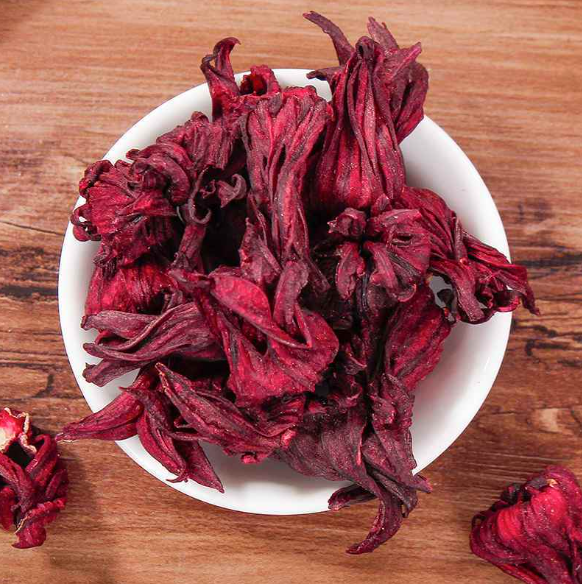
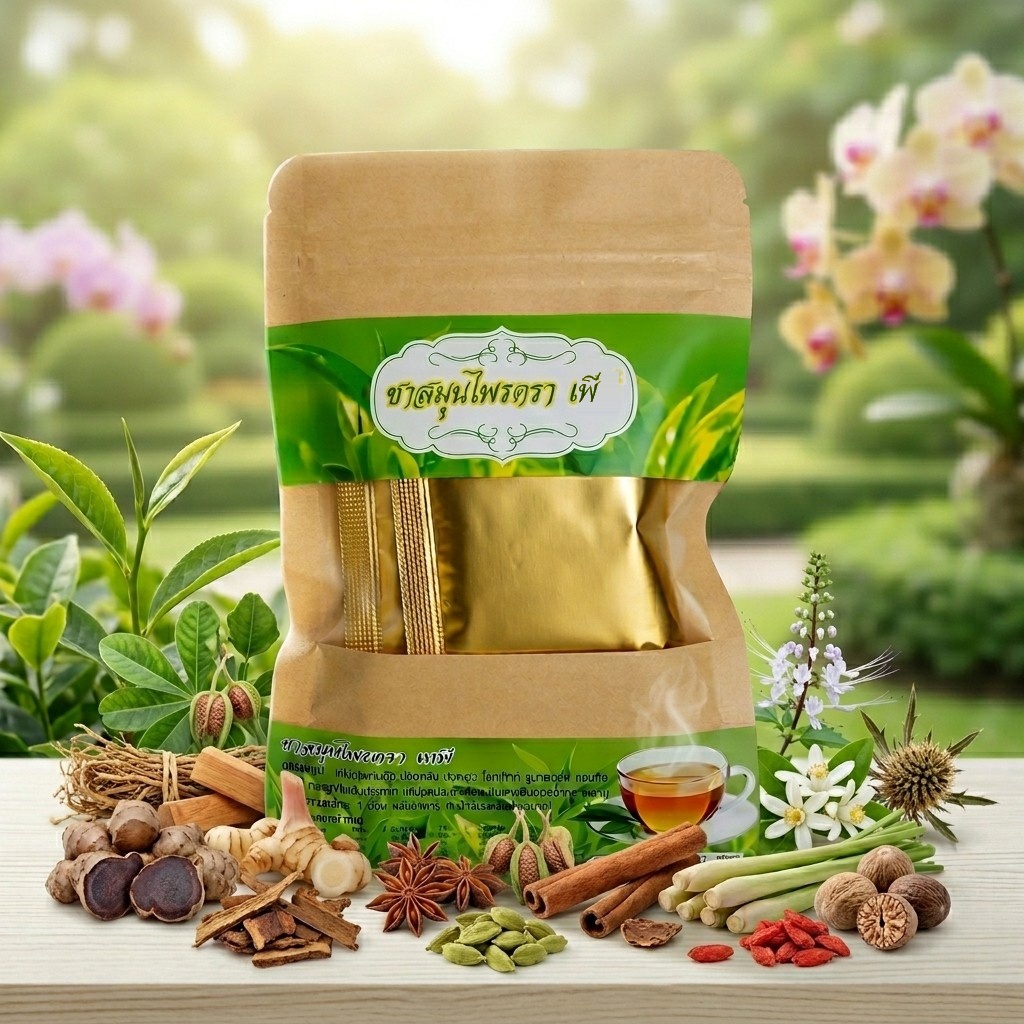
Authentic Thai botanical teas, blended in small batches and shipped worldwide, with 30-day returns on unopened items.
15-Botanical Thai Infusion →Shop all teas