
The Art of Controlled Heat: Brewing the Perfect Cup from Northern Thailand’s Finest Leaves
🔑 Key Takeaways
- A clear ingredients label lists the botanicals, their origin, and the order by weight.
- Brewing temperature and steeping time shape the flavor and aroma of every cup.
- Explore the full ArtisanThai shop for authentic Thai botanical teas.
There is a ritual whispered among the misty hills of Chiang Mai, a craft held in the hands of artisan tea farmers. It is the delicate dance of water and leaf, where the brewing temperature shapes the very character of the cup. Unlike generic, mass-produced bags, the hand‑picked tea leaves from Chiang Mai reward patience and precision, unfolding their full floral aroma and earthy flavor profile.
This guide explores how to read a Thai botanical tea ingredients label, the traditional Thai tea brewing method, the importance of steeping time, and how to experience the deep tea culture of Northern Thailand from your own kitchen.
Why Brewing Temperature Defines Your Experience
The biggest mistake a newcomer makes is used for all leaves the same. In the highlands of Northern Thailand, thanks to initiatives like the Royal Project (Thailand), farmers cultivate delicate Oolong, green tea, and jasmine infusions that are highly terroir-driven. Boiling water (100°C) can scorch these leaves, turning a delicate floral aroma into a bitter, muddy cup.
To preserve the single‑origin tea character, we recommend using a thermometer or a variable-temperature kettle. A good brewing temperature for most oolong and green tea leaves from this region is around 80°C. This allows the complex tea tasting notes—from honey to orchid—to unfurl gracefully. Check out our full tea guides for brewing temperature.
Steeping Time and Floral Aroma
Once you have mastered the heat, the clock becomes your best friend. The core principle of the traditional Thai tea brewing method is balance. You should steep for 3‑5 minutes at 80°C. Over-steeping pulls out excessive tannins, masking the sweet jasmine and earthy undertones. Under-steeping wastes the complex flavor profile curated by generations of Thai tea farmers.
For those seeking a low‑caffeine botanical alternative, leaves harvested later in the season or specific organic certification varieties offer a smoother, gentler cup. This careful steeping time brings out the fullest flavor without any harshness.
Explore Our Thai Botanical Teas
Discover the authentic flavors and aromas of our specially curated collection. Ethically sourced and masterfully blended.
Shop the Collection →Exploring the Earthy Flavor Profile of Single-Origin Leaves
When you choose hand‑picked leaves, you are choosing a story. The terroir of Chiang Mai imparts a distinct earthy flavor profile often described as forest-floor meets wildflower honey. As part of the Royal Project (Thailand), these initiatives support sustainable farming practices.
The result is a cup that tells a story of the mountain. The single‑origin tea movement in Thailand is growing, focusing on sustainable tea farming initiatives that protect the ecosystem. When you sip, you can taste the effort of the Thai tea farmers who practice organic mountain tea cultivation. Read more about Thai artisan crafts and how local communities drive the regional economy.
A Guide to the Traditional Thai Tea Brewing Method
Here is how to bring the tea ceremony of Northern Thailand into your home:
- Heat the Water: Bring fresh, filtered water to the right brewing temperature (around 80°C for most floral and green leaves).
- Warm the Vessel: Swirl a little hot water in your teapot or cup to warm it. This is key in the traditional Thai tea brewing method.
- Add the Leaves: Use one heaping teaspoon of hand‑picked tea leaves from Chiang Mai per cup. These leaves are often whole-leaf, unfurling beautifully.
- Pour and Steep: Pour the water over the leaves and let them dance. Steep for 3‑5 minutes at 80°C. Watch as the leaves expand, releasing their complex floral aroma.
- Strain and Enjoy: Pour into your favorite cup. Take a moment to appreciate the earthy flavor profile before sipping.
Discover the cultural tea experience in Thailand for a deeper dive into these rituals.
Pairing Desserts with Your Brew
The beauty of these Thai leaves is their versatility in tea pairing with desserts. The classic combination is to pair with mango sticky rice. The creamy sweetness of the coconut milk and the bright acidity of the mango perfectly mirror the floral aroma of jasmine or oolong.
You can also explore cooking with tea leaves directly. The spent leaves (after steeping) can be used in salads or marinades, embodying the zero-waste spirit of sustainable farming practices. Explore more ideas for cooking with tea leaves.
Sustainable Farming Practices in Chiang Mai’s Highlands
We source our organic mountain tea collection directly from cooperatives that prioritize organic certification. These sustainable tea farming initiatives help protect the biodiversity of Northern Thailand, ensuring that the Thai culinary heritage is passed down to the next generation. By choosing these growers and supporting Thai tea houses, you help keep this craft alive.
What to Look for When Buying Thai Botanical Tea
| What to check | Why it matters |
|---|---|
| Listed origin | Tells you where the leaves were grown |
| Ingredient order | Ingredients are listed by weight, so the first item is the most prominent |
| Sourcing notes | Transparency about farms and harvesting |
| Return policy | A clear policy makes it easier to try a new blend |
Why Choose ArtisanThai
- Authentic Thai sourcing — direct from Northern Thailand growers
- Tracked international delivery — shipping to many countries
- Whole-leaf and botanical blends — selected for flavor and aroma
Learn More at ArtisanThai
Explore the full ArtisanThai shop for authentic Thai botanical teas. Read brewing and culture tips on the ArtisanThai blog, or browse our Thai botanical tea range. Learn about botanical tea traditions worldwide.
Frequently Asked Questions
What does a Thai botanical tea ingredients label tell you?
It lists the botanicals in the blend, their origin, and the order by weight, so you know what flavors and aromas to expect.
What is the best brewing temperature for Thai green and oolong leaves?
Around 80°C for most floral and green leaves, steeped for 3‑5 minutes.
How does ArtisanThai ship?
ArtisanThai offers tracked shipping to many countries.
Recommended Products
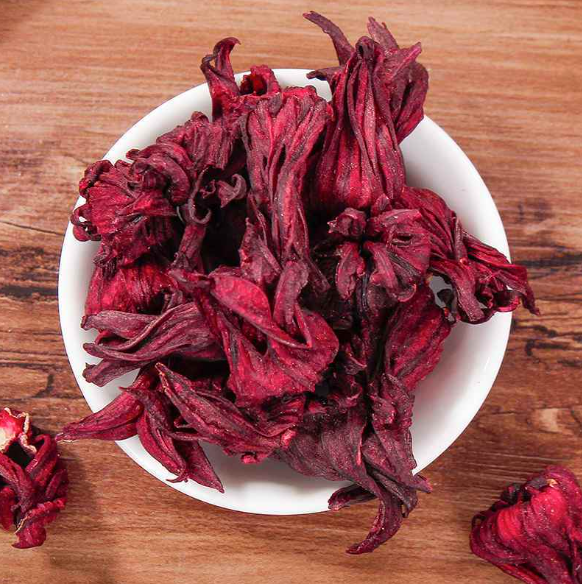
Authentic Thai botanical teas, blended in small batches and shipped internationally, with 30-day returns on unopened items.
15-Botanical Thai Infusion →Shop all teas