
Over-steeping, particularly with black teas, can release excessive tannins, leading to a harsh, bitter, and astringent taste. Conversely, under-steeping will result in a weak, watery brew lacking the characteristic depth of Thai tea. It’s advisable to set a timer and remove the tea leaves promptly once the desired steeping time is reached. For more detailed tea education, visit our Tea Education Hub.
“Cold brewing reveals a different facet of the tea’s character, a gentle whisper compared to the hot brew’s bold declaration.” – Brewing Specialist’s Perspective.
Mastering the Art of Brewing Perfect Thai Tea: Your Ultimate Guide to an Authentic Experience
Embark on a delightful journey into the heart of Thai culture by mastering the art of brewing the perfect Thai tea. This beloved beverage, renowned for its rich, complex flavors and vibrant orange hue, is more than just a drink; it’s an integral part of Thai hospitality and daily life, often enjoyed in a manner akin to a cherished tea ceremony. Many enthusiasts aspire to replicate the unique taste and texture found in Thailand’s bustling street markets and serene tea houses, yet often encounter challenges in achieving that authentic, balanced brew. This comprehensive guide is meticulously crafted to transform your brewing skills, ensuring every cup you prepare captures the true essence of this traditional drink. We will delve into selecting premium ingredients, mastering precise brewing techniques, understanding the nuances of water quality, and customizing your tea to perfection. Prepare to unlock the secrets to a consistently delicious and authentic Thai tea experience, elevating your appreciation for this iconic beverage.
Essential Equipment for Perfect Thai Tea Preparation
Achieving a consistently perfect Thai tea brew begins with having the right tools. While the process can be simple, investing in quality equipment significantly enhances the experience and the final product. From precise measurements to optimal steeping, each tool plays a crucial role in your journey to Thai tea mastery. For a full range of professional tools, explore our Artisan Thai Tea Tools collection.
Key Tools for Authentic Thai Tea Brewing
- Kettle: An electric kettle with temperature control is ideal for precise water heating.
- Thai Tea Filter Bag (Chak): This traditional cloth filter is essential for straining the fine tea leaves, ensuring a smooth, sediment-free brew.
- Measuring Spoons and Cups: Accuracy in measuring tea leaves, water, and milk is paramount for consistent flavor.
- Heat-Resistant Pitcher or Container: For steeping and chilling the brewed tea.
- Serving Glasses: Traditional tall glasses enhance the visual appeal of Thai iced tea.
- Stirring Spoon: For thoroughly mixing in condensed and evaporated milk.
- Ice Tray: For perfectly chilled iced tea.
“A true tea master understands that the vessel is as important as the leaf. Quality tools are an extension of your dedication to the craft.” – Expert Insight from a Thai Tea Master.
Mastering Water Quality and Temperature for Optimal Thai Tea Brewing
The foundation of any great tea, especially Thai tea, lies in the quality and temperature of your water. These two factors profoundly influence the extraction of flavors, aromas, and the overall character of your brew.
The Impact of Water Quality on Thai Tea Flavor
Water is not just a solvent; it’s an ingredient. The mineral content, pH level, and purity of your water can significantly alter the taste of your Thai tea. Hard water, rich in minerals, can lead to a dull, cloudy brew, while overly soft or distilled water might result in a flat taste. Ideally, use filtered water that is neutral in pH and free from strong odors or tastes. Many tea specialists recommend spring water or filtered tap water for its balanced mineral profile. For deeper insights into water chemistry and its effect on tea, consult resources like the Journal of Tea Science’s research on water chemistry in tea brewing.
Achieving the Perfect Brewing Temperature for Thai Tea
Temperature control is critical for extracting the desired compounds from Thai black tea without introducing bitterness. The ideal brewing temperature for Thai tea is typically between 200°F to 205°F (93°C to 96°C). This range is hot enough to fully release the tea’s robust flavors and aromatic spices (like star anise and tamarind often found in Thai tea blends) but not so hot as to scorch the leaves or extract excessive tannins, which cause bitterness. Using a temperature-controlled kettle or a thermometer is highly recommended for precision.
Precision in Tea-to-Water Ratio for Perfect Thai Tea Brewing
The ratio of tea leaves to water is a fundamental parameter that dictates the strength and intensity of your Thai tea. Achieving the right balance is key to a flavorful, well-rounded brew.
Optimizing Your Tea-to-Water Ratio
For a robust and authentic Thai tea, a common starting point is 1 tablespoon of Thai tea mix per 8 ounces (240ml) of water. However, this can be adjusted based on personal preference and the specific tea blend. If you prefer a stronger, more concentrated tea, you might increase the tea leaves slightly. For a lighter brew, reduce the amount. Remember that Thai tea is often served over ice and diluted with milk, so a slightly stronger initial brew can stand up to these additions without becoming watery. Experimentation is encouraged to find your perfect balance.
Steeping Time Optimization for Authentic Thai Tea Preparation
Steeping time is a delicate balance. Too short, and your tea will be weak and lack depth; too long, and it can become overly bitter and astringent. Mastering this timing is crucial for a perfect Thai tea.
Ideal Steeping Duration for Thai Black Tea
For most Thai black tea blends, an ideal steeping time ranges from 3 to 5 minutes. This duration allows the tea leaves and spices to fully infuse the water, releasing their characteristic flavors and vibrant color.
Thai Tea Brewing Parameters Chart
| Parameter | Recommendation | Notes |
|---|---|---|
| Tea Type | Thai Black Tea Blend | Often contains star anise, tamarind, food coloring. |
| Water Quality | Filtered, neutral pH | Avoid hard or distilled water. |
| Water Temperature | 200-205°F (93-96°C) | Crucial for flavor extraction without bitterness. |
| Tea-to-Water Ratio | 1 tbsp per 8 oz (240ml) | Adjust for desired strength, especially for iced tea. |
| Steeping Time | 3-5 minutes | Monitor closely to prevent over-extraction. |
Traditional Thai Tea Brewing Methods: The Authentic Preparation
The traditional method of brewing Thai tea is a simple yet effective process that has been perfected over generations. It emphasizes robust extraction and careful straining to achieve the iconic flavor and texture.
Step-by-Step Traditional Thai Tea Preparation
- Boil Water: Heat your filtered water to the ideal temperature of 200-205°F (93-96°C).
- Add Tea Leaves: Place your Thai black tea mix into a traditional Thai tea filter bag (chak) or directly into a heat-resistant pitcher.
- Steep: Pour the hot water over the tea leaves. Allow to steep for 3-5 minutes. For a stronger brew, some traditionalists might “pull” the tea by pouring it back and forth between two pitchers through the filter bag several times, which helps aerate and intensify the flavor.
- Strain: Once steeped, remove the tea bag or strain the tea through a fine-mesh strainer or cheesecloth into another pitcher. Ensure all tea leaves are removed for a smooth consistency.
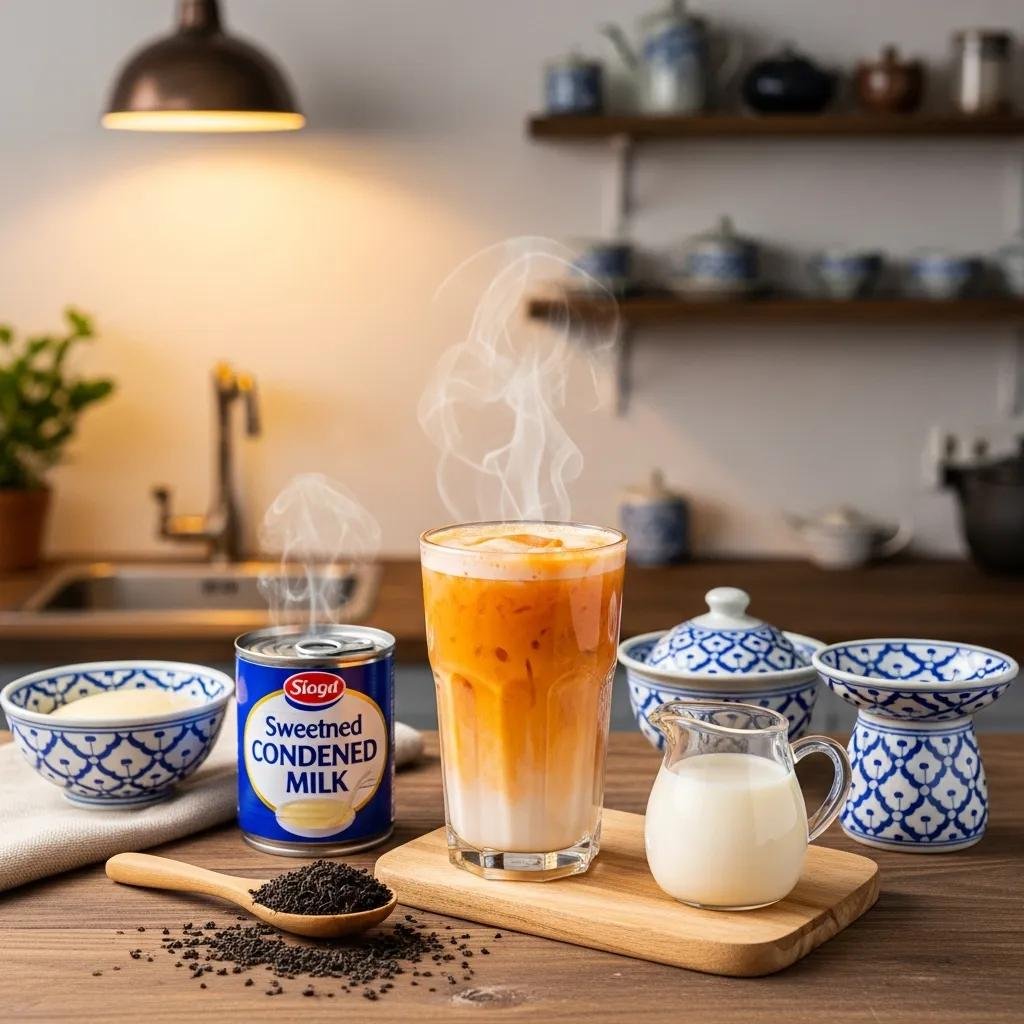
- Sweeten and Cream: While the tea is still warm, stir in sweetened condensed milk to your desired sweetness. Then, add evaporated milk for creaminess. The warmth helps the milks dissolve and integrate smoothly.
- Chill: Allow the tea to cool to room temperature, then refrigerate until thoroughly chilled. This is crucial for iced Thai tea.
- Serve: Pour the chilled tea over a generous amount of ice in a tall glass. A final drizzle of evaporated milk on top creates the beautiful layered effect.
“The ‘pulling’ of the tea, though seemingly simple, is an ancient technique that awakens the tea’s spirit, enhancing its aroma and depth.” – Insight from a Tea Ceremony Practitioner.
Modern Brewing Adaptations and Techniques for Thai Tea
While traditional methods are cherished, modern brewing tools offer convenient and sometimes innovative ways to prepare Thai tea without sacrificing authenticity.
Exploring Alternative Brewing Methods
- French Press: A French press can be an excellent tool for brewing Thai tea. Simply add your tea mix, pour hot water, steep, and then press the plunger to separate the leaves. This method offers easy cleanup and good control over steeping.
- Pour-Over/Drip Coffee Maker: For larger batches, some adapt a drip coffee maker. Place the tea mix in the filter basket (you might need a finer filter or a cloth filter insert to prevent sediment) and brew as you would coffee. Adjust the tea-to-water ratio for strength.
- Tea Infusers/Steepers: Large, fine-mesh tea infusers or dedicated tea steepers can be used for individual servings, offering convenience and ease of use.
Regardless of the method, the core principles of water temperature, tea-to-water ratio, and steeping time remain paramount for a perfect brew. For visual guides on various brewing techniques, check out our Brewing Videos.
Cold Brew vs. Hot Brew Techniques for Thai Tea
The choice between cold brew and hot brew significantly impacts the flavor profile and preparation time of your Thai tea. Each method offers a distinct experience.
Hot Brew: The Traditional Approach
As detailed in the traditional method, hot brewing involves steeping tea leaves in hot water. This method rapidly extracts flavors, including tannins, which contribute to the tea’s robust body and sometimes a slight bitterness. Hot brewing is quicker and produces a more intense, full-bodied tea that stands up well to milk and ice.
Cold Brew: A Smoother, Milder Alternative
Cold brewing involves steeping tea leaves in cold water over an extended period, typically 12-24 hours in the refrigerator. This slower extraction process results in a tea that is naturally sweeter, less bitter, and smoother, as fewer tannins are released. While it requires more patience, cold brew Thai tea offers a remarkably mellow and refreshing experience.
Cold Brew Thai Tea Protocol
- Ratio: Use 1 tablespoon of Thai tea mix per 1 cup (240ml) of cold, filtered water.
- Combine: Place tea mix in a pitcher or jar, add cold water.
- Steep: Cover and refrigerate for 12-24 hours.
- Strain: Strain the tea through a fine-mesh filter or cheesecloth to remove all leaves.
- Serve: Sweeten with condensed milk and add evaporated milk to taste. Serve over ice.
Flavor Enhancement Secrets for Your Perfect Thai Tea
Beyond the basic ingredients, several secrets can elevate your Thai tea from good to extraordinary, adding layers of complexity and aroma.
Unlocking Deeper Flavors and Aromas
- Spice Infusion: Many authentic Thai tea blends already contain spices like star anise, cardamom, and tamarind. However, you can enhance these by adding a whole star anise pod or a few crushed cardamom pods to your tea leaves during steeping.
- Vanilla Extract: A tiny dash of pure vanilla extract (1/4 teaspoon per batch) can add a subtle warmth and depth that complements the tea’s existing flavors.
- Orange Blossom Water: A drop or two of food-grade orange blossom water can introduce a delicate floral note, reminiscent of some traditional Thai desserts.
- Fresh Mint Garnish: A sprig of fresh mint not only adds a refreshing aroma but also a cooling sensation, especially for iced Thai tea.
- Layering Milks: For presentation and a gradual flavor experience, drizzle a final layer of evaporated milk over the top of your iced tea just before serving. This creates a beautiful visual contrast and a creamy finish.
“Flavor is an orchestra, and each ingredient, even a garnish, plays a vital note in the symphony of Thai tea.” – Flavor Consultant’s Advice.
Common Brewing Mistakes to Avoid for Flawless Thai Tea
Even experienced brewers can encounter issues. Understanding common pitfalls and their solutions is key to consistently brewing perfect Thai tea.
Troubleshooting Your Thai Tea Brew
Troubleshooting Guide: Perfect vs. Imperfect Brews
| Issue | Common Cause | Solution for Perfect Brew |
|---|---|---|
| Bitter Taste | Over-steeping; water too hot; poor quality tea. | Reduce steeping time (3-5 min); lower water temp (200-205°F); use fresh, quality tea. |
| Weak/Watery Flavor | Under-steeping; too little tea; too much water/ice. | Increase steeping time; use more tea leaves; reduce ice or make a stronger concentrate. |
| Cloudy Appearance | Improper straining; hard water; chilling too quickly. | Use a fine-mesh filter/chak; use filtered water; allow to cool before chilling. |
| Lack of Vibrant Orange Color | Low-quality tea blend; insufficient steeping. | Ensure you’re using authentic Thai tea mix (often contains food coloring); steep adequately. |
| Separation of Milks | Tea not chilled enough; milks added too quickly. | Ensure tea is fully chilled; stir milks in thoroughly. |
“The difference between a good brew and a great brew often lies in the subtle adjustments made when things don’t go perfectly. Learn from every cup.” – Expert Brewing Specialist.
Tea Presentation and Serving: Elevating the Thai Tea Experience
The visual appeal of Thai tea is almost as important as its taste. Proper presentation enhances the overall enjoyment and reflects the care put into its preparation.
Artful Presentation for Your Brewed Thai Tea
- Traditional Glassware: Serve iced Thai tea in tall, clear glasses to showcase its beautiful orange color and the creamy swirl of milk.
- Layering Effect: For iced tea, pour the brewed tea over ice first, then slowly drizzle the evaporated milk over the top. This creates a striking layered effect before the milks are stirred in.
- Garnishes: A simple garnish like a fresh mint sprig, a slice of lime, or even a sprinkle of cinnamon can add a touch of elegance and an aromatic flourish.
- Temperature: Ensure iced tea is served very cold with plenty of ice. Hot Thai tea should be served in a heat-retaining mug or cup.
Pairing Brewed Thai Tea with Food: A Culinary Harmony
Thai tea’s unique flavor profile makes it an excellent companion to a variety of dishes, especially those from Thai cuisine. The sweetness and creaminess of the tea beautifully balance spicy, savory, and rich flavors.
Complementary Thai Food Pairings
- Spicy Dishes: The sweetness and creaminess of Thai tea provide a perfect counterpoint to the heat of dishes like Green Curry, Pad Krapow (Basil Stir-fry), or Tom Yum Soup.
- Savory Noodles: Classic Pad Thai or Pad See Ew find a refreshing partner in Thai tea, cutting through the richness and cleansing the palate.
- Street Food: Enjoy Thai tea with popular street snacks such as Satay skewers, spring rolls, or fried chicken.
- Desserts: While Thai tea is sweet itself, it can also be paired with less sweet desserts or those with contrasting textures, like mango sticky rice or coconut-based sweets.
The historical development of tea cultivation and its cultural integration in regions like Mae Salong further illustrates the deep roots of tea in Thai society, often enjoyed alongside meals. For more on this, explore studies like Tea culture tourism in Southeast Asia.
Storing Brewed Thai Tea Properly for Lasting Freshness
Proper storage ensures your brewed Thai tea remains fresh and delicious for as long as possible, allowing you to enjoy its flavors over several days.
Best Practices for Storing Brewed Tea
To store leftover Thai tea, first allow it to cool completely to room temperature. Transfer the cooled tea to an airtight container or pitcher. Refrigerate promptly to maintain freshness and prevent bacterial growth. Brewed Thai tea can be stored in the refrigerator for 3 to 5 days. Avoid reheating the tea, as this can alter its delicate flavor profile and texture. Instead, enjoy it cold over ice or at room temperature. For optimal taste, it’s always best to consume freshly brewed tea, but proper storage allows for convenient enjoyment throughout the week.
Seasonal Brewing Variations for Thai Tea Enjoyment
Thai tea is versatile and can be adapted to suit different seasons and moods, offering comfort and refreshment year-round.
Adapting Your Brew to the Seasons
- Summer Refreshment: Iced Thai tea is the quintessential summer drink. Ensure your tea is brewed strong, thoroughly chilled, and served over plenty of ice. Consider adding a slice of lime or a mint sprig for extra cooling.
- Winter Warmth: While less common than its iced counterpart, hot Thai tea can be a comforting beverage on a cold day. Serve it warm, with condensed and evaporated milk stirred in, perhaps with a sprinkle of cinnamon or a dash of vanilla for added warmth.
- Festive Occasions: For celebrations, consider making Thai tea lattes by frothing the milk, or even Thai tea-infused desserts like ice cream or popsicles.
Frequently Asked Questions About Perfect Thai Tea Brewing
Here are answers to common questions to help you master your Thai tea brewing journey.
What is the optimal brewing temperature for Thai tea?
The optimal brewing temperature for Thai tea is between 200°F to 205°F (93°C to 96°C). This temperature range effectively extracts the robust flavors and aromatic spices from the tea leaves without causing excessive bitterness from tannins.
What is the ideal steeping duration for Thai tea?
For most Thai black tea blends, the ideal steeping duration is 3 to 5 minutes. Steeping for too long can result in a bitter taste, while too short will yield a weak brew. Always monitor closely and adjust to your preference.
Can I rebrew Thai tea leaves?
While you can technically rebrew Thai tea leaves, the second infusion will typically be significantly weaker in flavor and aroma. Thai tea blends are often designed for a single, strong extraction. For the best quality and authentic taste, it’s recommended to use fresh tea leaves for each brew.
How important is water choice for the flavor of Thai tea?
Water choice is extremely important. Filtered water with a neutral pH and balanced mineral content is ideal. Hard water can lead to a cloudy, off-tasting brew, while distilled water might make the tea taste flat. Good water allows the true flavors of the tea to shine through.
What essential equipment do I need to brew Thai tea at home?
Essential equipment includes a kettle (preferably with temperature control), a traditional Thai tea filter bag (chak) or a fine-mesh strainer, measuring spoons/cups, a heat-resistant pitcher for steeping, and serving glasses. For iced tea, plenty of ice is also crucial. Explore our Artisan Thai Tea Tools for professional-grade equipment.
How can I adjust the flavor of my Thai tea to my preference?
You can adjust the flavor by varying the amount of sweetened condensed milk for sweetness, and evaporated milk for creaminess. For a stronger tea, increase the tea-to-water ratio or steeping time slightly. For a milder taste, do the opposite. Experiment with spices like star anise or a drop of vanilla for added complexity.
Are there specific brewing considerations for different occasions (e.g., large gatherings vs. single servings)?
For large gatherings, consider brewing a concentrated batch of Thai tea and storing it chilled. Guests can then customize their drinks with milk and ice. For single servings, a French press or a large tea infuser works well, allowing for quick and easy preparation. Always ensure you have enough ice for iced tea, as it’s a popular choice for groups.
Conclusion: Your Journey to Thai Tea Brewing Mastery
Your journey to brewing authentic Thai tea is a rewarding exploration of flavor, tradition, and personal preference. By embracing the principles of precise ingredient selection, mastering water quality and temperature, optimizing steeping times, and understanding the nuances of traditional and modern techniques, you are well on your way to becoming a true Thai tea master. Each cup you brew is an opportunity to refine your craft and savor an authentic experience that transcends a simple beverage. Continue to experiment, learn, and enjoy the rich cultural tapestry woven into every sip.
Explore Our Brewing Guide
Discover Premium Teas
Ready to Elevate Your Thai Tea Experience?
Dive deeper into the world of authentic Thai tea brewing and discover our curated selection of premium teas and tools.
 English
 Chinese
 French
 German
 Hindi
Hindi Indonesian
 Malay
Malay Portuguese
 Spanish