
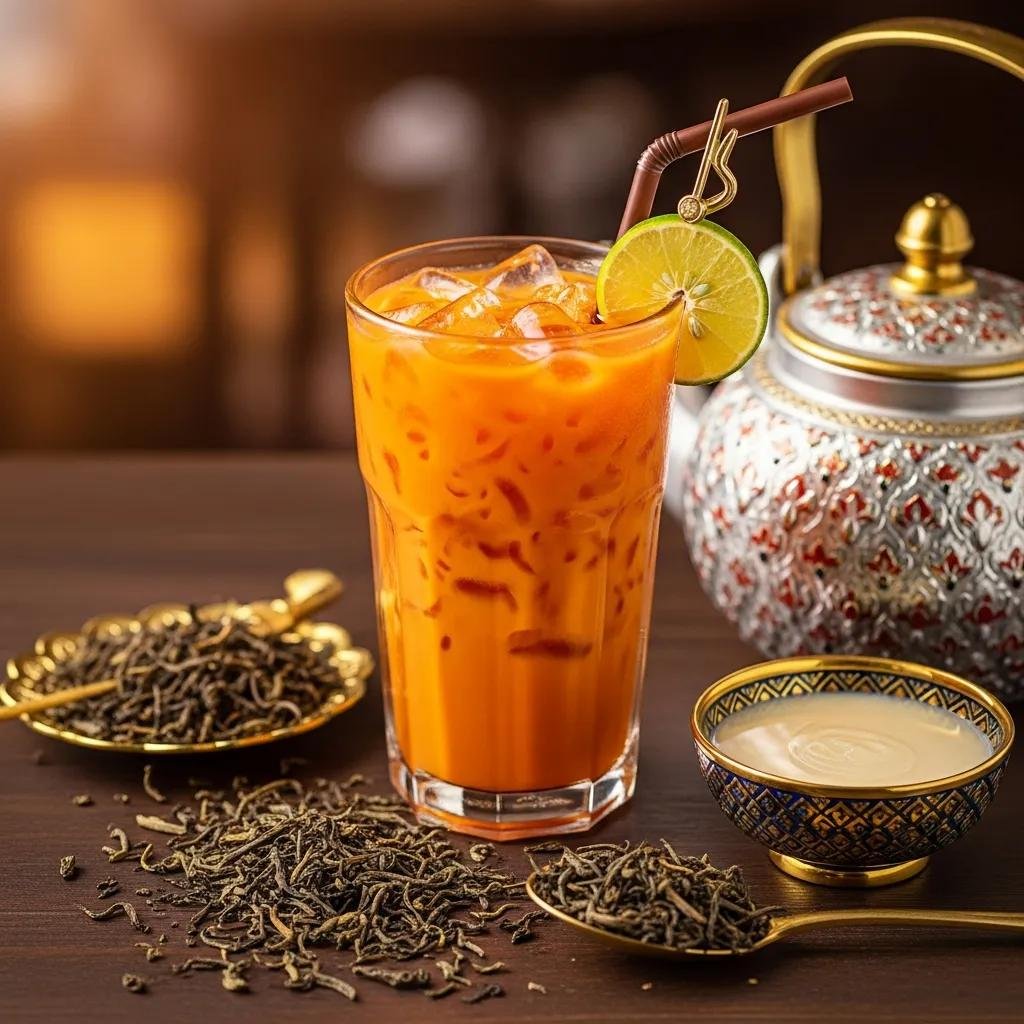
How Much Does Thai Tea Cost? An In-Depth Price Guide for Enthusiasts
Thai tea, a beloved beverage known for its rich flavor and vibrant color, has gained popularity worldwide. This comprehensive guide will explore the various types of Thai tea, their price ranges, and the factors influencing these costs. Readers will learn about the different forms of Thai tea, from loose leaf to instant varieties, and how these options compare in terms of pricing. Additionally, we will delve into the unique aspects of ArtisanThai‘s offerings, including their premium herbal teas and the value they provide to enthusiasts. By the end of this article, you will have a clear understanding of how much Thai tea costs and how to make informed purchasing decisions.
What Are the Different Types of Thai Tea and Their Price Ranges?
Thai tea comes in several varieties, each with its unique flavor profile and preparation method. Understanding these types can help enthusiasts choose the right option for their taste and budget.
How Do Black Tea, Herbal, and Instant Thai Tea Prices Compare?
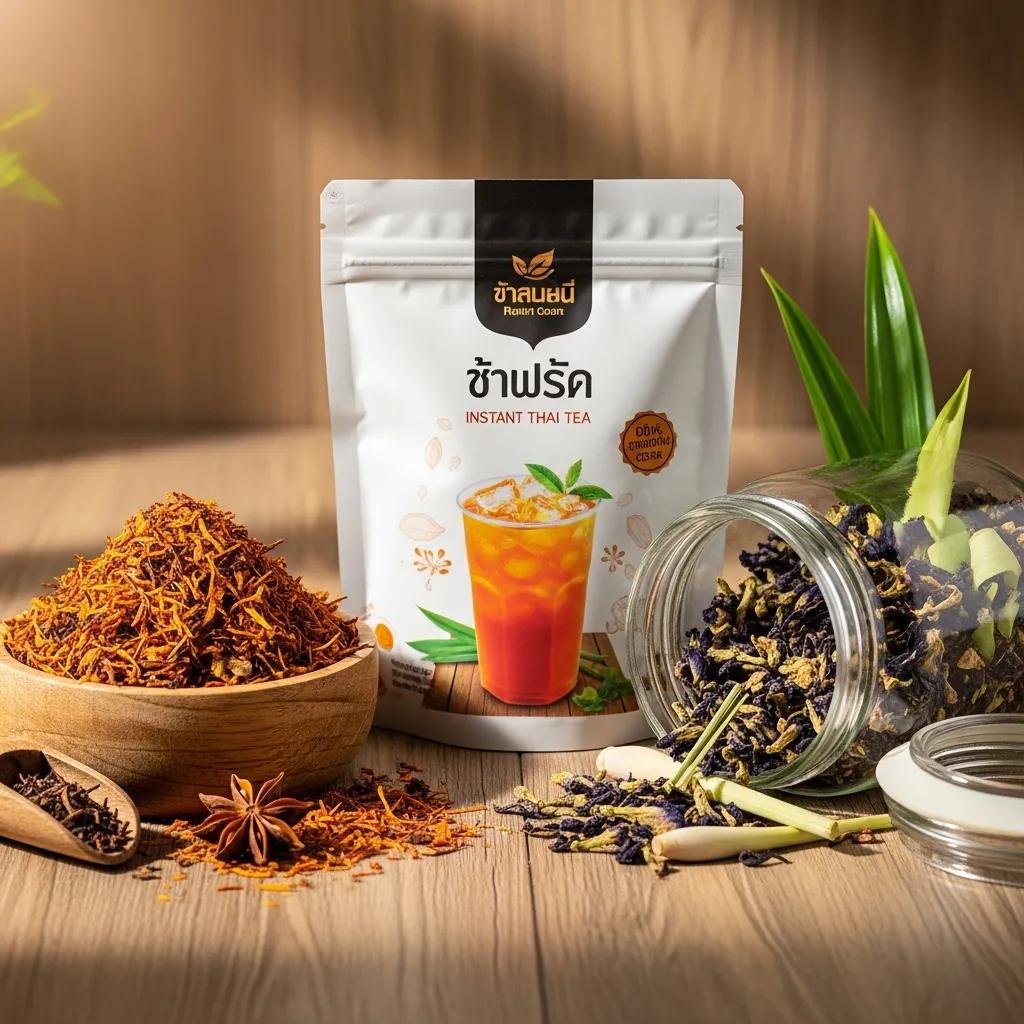
Black tea, often used in traditional Thai iced tea, typically ranges from $5 to $12 per 100 grams, depending on the quality and brand. Herbal teas, which may include various spices and flavors, can range from $7 to $18 for similar quantities. Instant Thai tea, designed for convenience, usually costs between $4 and $10 for a pack of 10 servings. The price differences reflect the quality of ingredients and the complexity of the preparation methods.
What Are the Price Tiers for Popular Thai Tea Brands Like ChaTraMue and Tapee Tea?
Popular brands such as ChaTraMue and Tapee Tea offer a range of products at varying price points. ChaTraMue’s loose leaf black tea is priced around $8 to $10 for 100 grams, while their instant tea packets can be found for about $5 to $6 for a pack of 10. Tapee Tea, known for its quality, offers similar pricing, with their loose leaf options starting at $10 to $12 for 100 grams. These brands are well-regarded for their authentic flavors and quality, which can justify their price points.
Which Factors Influence the Cost of Authentic Thai Tea?
Several factors contribute to the pricing of authentic Thai tea, impacting both consumers and producers.
How Do Ingredient Quality and Organic Certification Affect Thai Tea Prices?
The quality of ingredients plays a significant role in determining the price of Thai tea. High-quality black tea leaves, sourced from reputable farms, can command higher prices due to their superior flavor and aroma. Additionally, organic certification can increase costs, as it often involves more stringent farming practices and certification processes. Organic Thai tea may range from $12 to $25 per 100 grams, reflecting these higher production standards.
What Role Do Sourcing, Brand Reputation, and Packaging Play in Pricing?
Sourcing practices also influence pricing. Teas sourced directly from Thai artisans or certified producers often come with a premium due to their authenticity and quality assurance. Brand reputation can further affect pricing; well-known brands with a history of quality may charge more. Packaging, especially if it is eco-friendly or designed for preservation, can also add to the overall cost, making premium products more appealing to consumers.
What Is the Price Breakdown for Thai Tea by Product Form and Quantity?
Understanding the price breakdown by product form and quantity can help consumers make informed choices.
How Much Does Loose Leaf, Powder, Tea Bags, and Concentrate Thai Tea Cost?
The cost of Thai tea varies significantly by form. Loose leaf Thai tea typically ranges from $8 to $18 per 100 grams, while powdered Thai tea can be found for $7 to $14 for a similar quantity. Tea bags, which offer convenience, usually cost between $5 and $12 for a box of 20 bags. Concentrate Thai tea, often used in cafes, can range from $12 to $22 for a liter, depending on the brand and quality.
What Are Bulk and Wholesale Thai Tea Prices for Enthusiasts and Businesses?
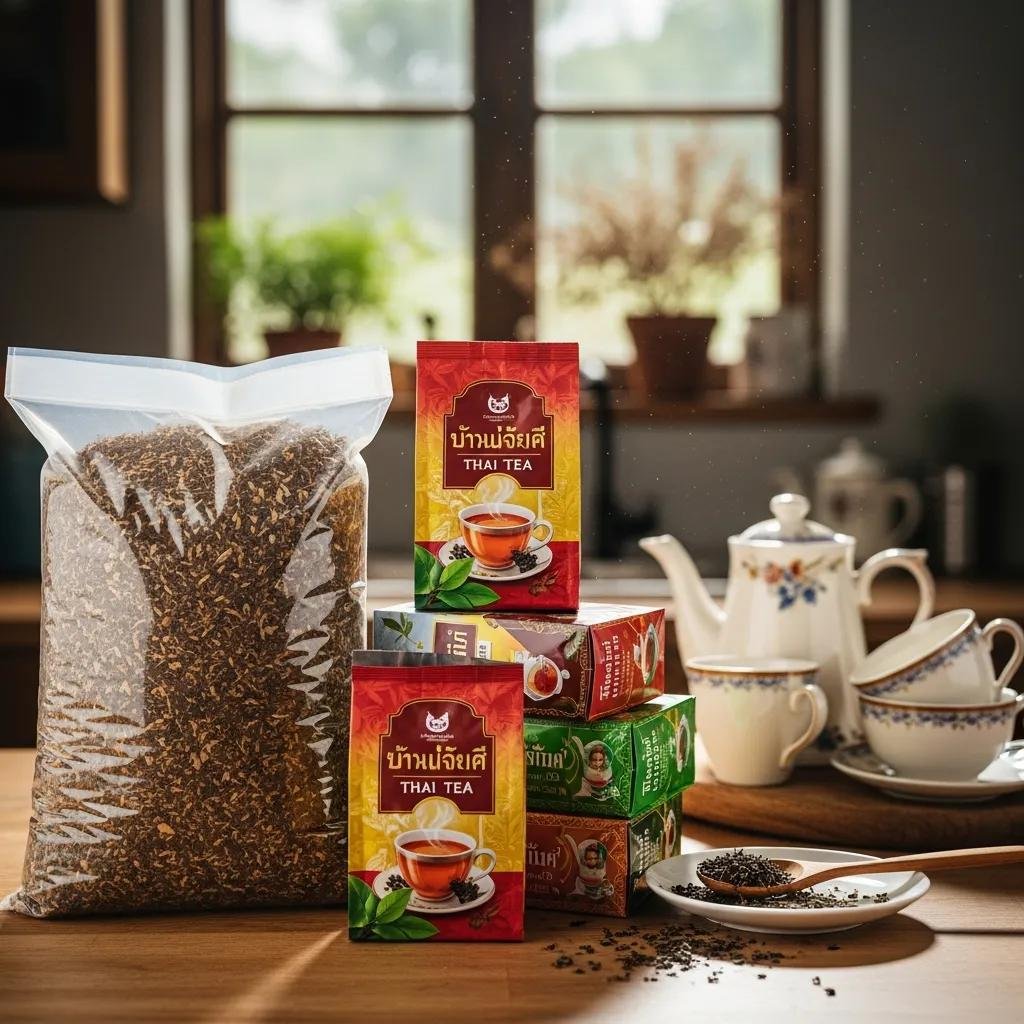
For enthusiasts and businesses looking to purchase in larger quantities, bulk pricing can offer significant savings. Loose leaf Thai tea may be available for $7 to $13 per 100 grams when bought in bulk, while wholesale prices for tea bags can drop to $3 to $6 per box of 20. This pricing structure encourages both individual consumers and businesses to consider bulk purchases for cost efficiency.
How Does ArtisanThai’s Authentic Thai Tea Pricing Compare and What Value Does It Offer?
ArtisanThai stands out in the market for its commitment to quality and authenticity in Thai tea.
What Are the Price Ranges for ArtisanThai’s Tapee Tea and ChaTraMue Products?
ArtisanThai offers a selection of premium Thai teas, including Tapee Tea and ChaTraMue products. Tapee Tea is priced at approximately $11 to $12 for 100 grams of loose leaf, while ChaTraMue’s instant tea packets are available for $5 to $6 for a pack of 10 servings. These prices reflect the high quality and authentic sourcing of the teas, appealing to enthusiasts seeking genuine Thai flavors.
How Do Free Worldwide Shipping and Certifications Add Value to ArtisanThai’s Pricing?
ArtisanThai enhances its value proposition by offering free worldwide shipping to over 150 countries, including the USA, Canada, and Australia. This feature makes it easier for consumers to access authentic Thai tea without incurring additional shipping costs. Furthermore, ArtisanThai’s commitment to sourcing teas that meet Thai FDA certification standards ensures that customers receive safe and high-quality products, justifying their pricing.
Where Can Enthusiasts Find the Best Deals and How to Buy Thai Tea Smartly?
Finding the best deals on Thai tea requires some strategic planning and knowledge of the market.
What Are the Best Practices for Buying Thai Tea in Bulk or Subscribing for Savings?
Enthusiasts can save money by purchasing Thai tea in bulk or subscribing to tea services. Many online retailers offer discounts for bulk purchases, allowing consumers to stock up on their favorite teas at lower prices. Subscription services can also provide regular deliveries at discounted rates, ensuring that enthusiasts never run out of their preferred blends.
How to Identify Authentic Thai Tea and Understand Shipping Costs Worldwide?
To ensure authenticity, consumers should look for brands that provide clear sourcing information and certifications. Reading reviews and seeking recommendations from fellow tea enthusiasts can also help identify reputable brands. Understanding shipping costs is crucial, as some retailers may offer free shipping while others may charge based on location and order size. Always check the shipping policies before making a purchase to avoid unexpected costs.
What Are the Current Market Trends and Future Outlook for Thai Tea Prices?
The Thai tea market is evolving, influenced by global trends and consumer preferences.
How Is the Global Tea Market Growth Affecting Thai Tea Pricing?
The global tea market has been experiencing steady growth, driven by increasing consumer interest in specialty teas and health benefits. This trend is likely to impact Thai tea pricing, as demand for high-quality, authentic products rises. As more consumers seek out unique flavors and health benefits, prices may adjust accordingly to reflect this growing interest.
While specialty teas command higher prices, the broader tea market faces challenges with an oversupply of plain-quality tea.
Tea Pricing: Bulk Commodity vs. Specialty Tea Costs
However, production of plain-quality tea is growing at a higher rate than its demand, with a surplus of product and subsequent low prices for bulk commodity tea. Specialty tea
Tea prices and sustainability, V Voora, 2024
What Are the Emerging Trends in Health and Sustainability Influencing Thai Tea Costs?
Health and sustainability trends are also shaping the Thai tea market. Consumers are increasingly looking for organic and sustainably sourced products, which can lead to higher prices. Brands that prioritize eco-friendly practices and health benefits may find themselves in a favorable position as consumers become more conscious of their purchasing decisions. This shift could lead to a more diverse range of products and price points in the future.
This shift aligns with broader global trends indicating a move away from mass-market commodities towards more refined and health-conscious tea choices.
Global Tea Market: Premium, Specialty, and Artisanal Tea Trends
In recent years, the global tea market has departed through changes because of shifting consumer behavior, health trends, and the demand for premium and specialty products. Historically, tea consumption has been dominated by the mass-market, commodity-based bulk section but now there are observable consumer trends to drinking teas that are more artisanal, sophisticated, and wellness-oriented (1 & 2) away from tea product categories that do not offer superior taste and wellness and authenticity preference.
Examining the Impact of Premium Tea Consumption Trends on Lotus-Infused Tea Growth in Vietnam, 2025
| Type of Thai Tea | Price Range (per 100g) | Description |
|---|---|---|
| Loose Leaf | $8 – $18 | Traditional form, rich flavor |
| Powdered | $7 – $14 | Convenient for quick preparation |
| Tea Bags | $5 – $12 | Easy to brew, ideal for casual drinkers |
| Concentrate | $12 – $22 | Used in cafes, offers strong flavor |
This table illustrates the various price ranges for different types of Thai tea, helping consumers understand their options better.
In summary, the cost of Thai tea varies widely based on type, quality, and sourcing practices. By understanding these factors, enthusiasts can make informed decisions and enjoy the rich flavors of authentic Thai tea.

 English
 Chinese
 French
 German
 Hindi
Hindi Indonesian
 Malay
Malay Portuguese
 Spanish