Vous êtes en train de regarder What Do Thai Herbal Teas Offer? A Guide to Traditional Thai Herbal Wellness

What Do Thai Herbal Teas Offer? A Guide to Traditional Thai Herbal Wellness

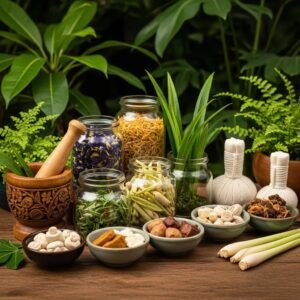
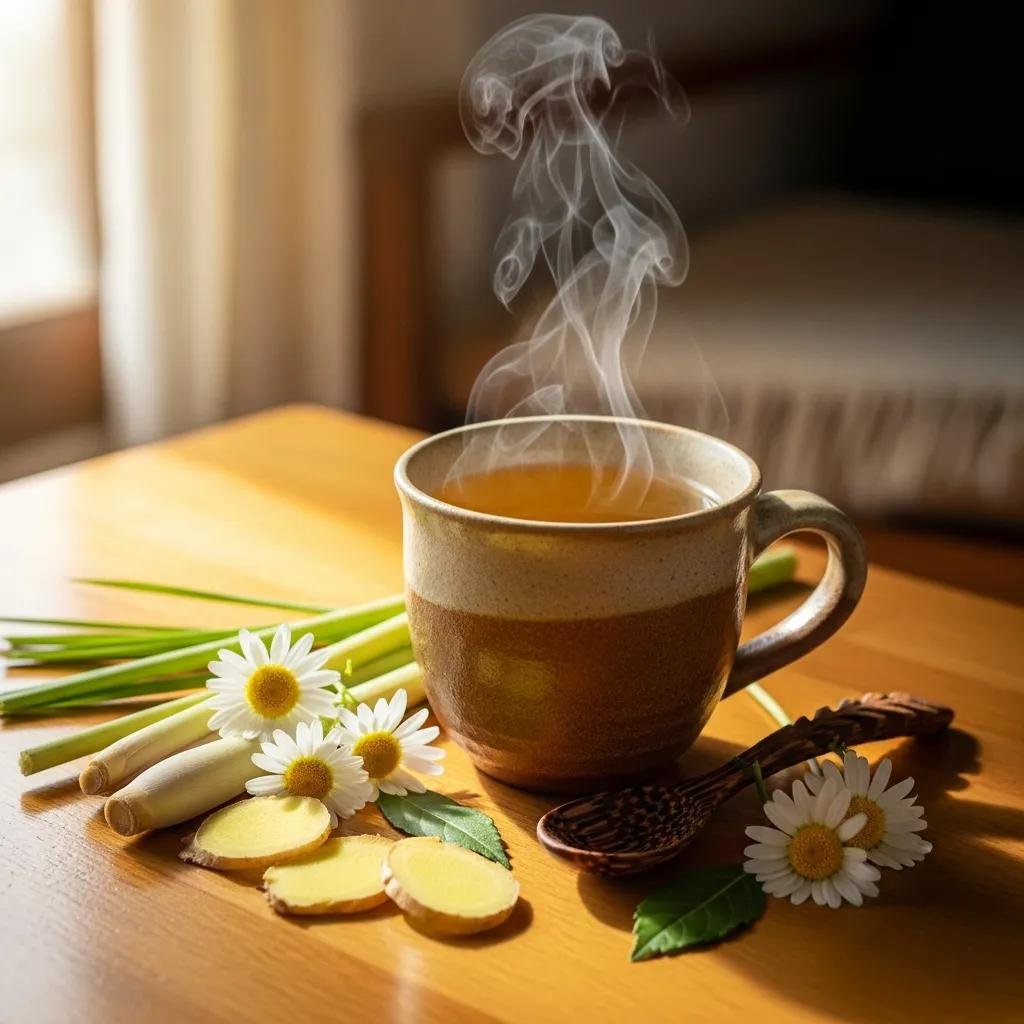
A steaming cup of Thai herbal tea with fresh herbs, emphasizing traditional Thai wellness traditions.

What Do Thai Herbal Teas Offer? A Guide to Traditional Thai Herbal Wellness

Herbal wellness products have become increasingly popular among people looking for gentle, nature-inspired options for everyday well-being. This article looks at how Thai herbal products, especially Thai herbal teas, are traditionally used to support comfort, relaxation, and digestive ease. Rather than positioning them as medicine, we frame these products as part of a holistic lifestyle that values herbs, rest, and mindful daily rituals.

You will discover common themes in Thai herbal wellness, the role of specific herbs in blends like Thai Herbal Tea, and how principles from Traditional Thai Medicine (TTM) inform their use. The goal is to help you understand where these products fit—as complementary, enjoyable options alongside, not instead of, professional medical care.

What Themes Are Common in Thai Herbal Wellness Products?

Thai herbal wellness products draw on a long history of herbal practice and everyday home remedies. They typically combine several herbs chosen for how they taste and how they have traditionally been used, rather than for high, pharmacological doses. Common themes include:

  • Everyday movement ease: Some Thai herbal teas are chosen by people who want a gentle, day-to-day herbal option as part of a routine that supports flexible, comfortable movement.
  • Facilite la digestion : D'autres mélanges se concentrent sur les plantes traditionnellement utilisées après les repas pour aider le corps à se sentir plus léger et plus stable.
  • Relaxation: Calming herbs and aromatic flowers are often combined in evening teas as part of an unwinding routine.

Ces thèmes montrent que les produits thaïlandais à base de plantes sont destinés à compléter des habitudes saines telles qu'un bon sommeil, le mouvement et une alimentation équilibrée.

How Are Thai Herbal Teas Used in Everyday Movement Routines?

Many Thai herbal teas include warming roots and spices such as turmeric and ginger. These plants have been studied in the context of circulation and overall comfort when used in various forms and doses. In a tea, they contribute a milder level of plant compounds along with warmth and flavour, which people often find soothing as part of a daily routine.

Because the strength of tea is lower than that of concentrated extracts or capsules, it is best to view Thai herbal teas as one enjoyable part of a broader lifestyle approach that can also include movement, rest, and, when appropriate, medical treatment.

Which Herbs Are Traditionally Used for Digestive Comfort in Thai Remedies?

Dans la médecine traditionnelle thaïlandaise, plusieurs plantes sont couramment utilisées pour le confort digestif. La citronnelle est souvent infusée pour apaiser l'estomac et soulager les sensations de lourdeur après un repas. La menthe poivrée est largement connue pour son arôme rafraîchissant et son utilisation traditionnelle pour soulager les gaz et les gênes légères, tandis que la cardamome thaïlandaise est utilisée pour soutenir la digestion et aider à prévenir les ballonnements.

La consommation de ces plantes sous forme de thé après les repas peut devenir un rituel simple qui encourage à manger en pleine conscience et qui donne à l'organisme un signal doux et chaleureux de la fin du repas.

How Does Thai Herbal Tea Fit into Relaxation Routines?

Thai Herbal Tea is designed as a calming herbal blend that fits naturally into relaxation rituals such as an evening wind-down or a quiet break in the day. Its ingredients are selected for their traditional use in promoting a sense of ease, along with a flavour profile that encourages slow, mindful sipping.

Which Thai Herbal Tea Ingredients Are Associated with Calm and Relaxation?

Key calming ingredients in Thai Herbal Tea include chamomile and lemongrass. Chamomile is widely known and traditionally used as a bedtime herb, often chosen by people who want a gentle, non-caffeinated drink before sleep. Lemongrass adds a bright, citrusy aroma and is also used in many cultures in teas associated with relaxation and digestive ease.

Associés à d'autres plantes du mélange, ces ingrédients contribuent à créer une tasse apaisante que de nombreuses personnes associent à la détente après une journée bien remplie.

How Does Traditional Thai Medicine Approach Relaxation and Balance?

La médecine traditionnelle thaïlandaise met fortement l'accent sur l'équilibre entre le corps et l'esprit. Le stress émotionnel est considéré comme un facteur susceptible de perturber cet équilibre, et les remèdes à base de plantes sont utilisés parallèlement aux massages, aux mouvements et aux pratiques diététiques pour aider à rétablir l'harmonie. Les herbes calmantes sont choisies non seulement pour leur action physique, mais aussi pour leur arôme, leur chaleur et la manière dont elles s'intègrent dans les rituels quotidiens.

When you drink a tea like Thai Herbal Tea as part of a regular routine—perhaps with slow breathing or quiet time—you are applying a simple TTM principle: using herbs and mindful pauses together to support overall well-being.

Antioxidant-Rich Herbs in Thai Herbal Teas

Many Thai herbal teas feature herbs that are naturally rich in plant antioxidants. Antioxidants help the body manage normal oxidative stress from everyday life. While tea-strength preparations are gentle compared with supplements, they still contribute to overall plant variety in the diet.

Which Thai Herbs Are Known for Antioxidant Properties?

Thai black ginger and Sea Holly are two examples of herbs sometimes featured in Thai wellness blends. Thai black ginger has been studied in the context of energy and circulation in various preparations, and it has a long history in Thai herbal practice. Sea Holly is valued for its mineral and phytonutrient content, which fits well into blends aimed at general daily vitality.

In tea form, these herbs are best viewed as part of a lifestyle that includes a varied diet rich in fruits, vegetables, and other plant foods, rather than as stand-alone wellness solutions.

How Does Thai Herbal Tea Fit into a Daily Wellness Routine?

The combination of herbs in Thai Herbal Tea offers a broad mix of traditional Thai botanicals. Each herb contributes its own set of plant compounds, and together they support a pattern of regular, gentle intake rather than a single strong effect. People often choose such blends when they want a daily ritual that feels nurturing and in tune with natural rhythms.

Regularly enjoying herbal teas can also encourage healthier habits overall, such as replacing sugary drinks or taking intentional breaks during the day, which indirectly supports general well-being.

Comment les principes de la médecine traditionnelle thaïlandaise façonnent-ils les produits de bien-être à base de plantes ?

The design of Thai herbal wellness products is closely influenced by Traditional Thai Medicine. TTM looks at the body through concepts such as elements and energy flow, aiming to keep systems balanced rather than only addressing single symptoms. Herbs are combined in ways that reflect these principles, with careful consideration of warming and cooling qualities, taste, and the individual’s constitution.

What Is Traditional Thai Medicine and How Does It View Holistic Wellness?

Traditional Thai Medicine is a comprehensive system that integrates physical, mental, and spiritual aspects of well-being. It incorporates herbs, massage, diet, and spiritual practices, recognizing that overall wellness involves more than simply removing disease. In this framework, herbal wellness products are tools to support the body’s natural tendency toward balance.

Modern development of Thailand’s herbal product system has focused on documenting traditional knowledge, improving quality control, and integrating safe, evidence-informed herbal use into the national healthcare landscape.

How Are Thai Herbal Ingredients Selected in Line with TTM?

Herbs are typically chosen based on both traditional usage and emerging scientific understanding. Practitioners and formulators look at how herbs have been used historically, how they interact with each other, and what modern research suggests about their safety profiles. This approach helps ensure that blends such as Thai Herbal Tea are balanced and suitable for long-term, moderate use by generally healthy adults.

En respectant les principes du TTM et les normes de qualité modernes, des entreprises comme ArtisanThai peuvent proposer des produits qui reflètent l'héritage thaïlandais tout en répondant aux attentes contemporaines en matière de sécurité et de transparence.

Notable Herbs in Thai Herbal Tea and Their Traditional Roles

Thai Herbal Tea draws its character from several key herbs, each bringing a slightly different focus to the overall blend. Instead of relying on any single ingredient, it uses synergy between herbs to support a broad sense of comfort and balance.

How Is Derris scandens Used in Thai Herbal Tradition?

Derris scandens is an important herb in Thai traditional formulations, where it has been used for generations as part of everyday wellness routines. In tea blends, it appears in much gentler amounts than in concentrated preparations, contributing to the tradition of using decoctions and infusions to support day-to-day ease of movement.

As with all herbal options, products containing Derris scandens should be seen as complementary choices, not replacements for professional assessment or prescribed treatment.

Quels sont les rôles digestifs du petit houx et de la cardamome thaïlandaise ?

Sea Holly and Thai cardamom are often included in Thai Herbal Tea for digestive comfort. Sea Holly is used traditionally to encourage healthy gut function, while Thai cardamom is known in Thai and regional cuisines for easing feelings of fullness and gas after heavier meals. Together, they help make Thai Herbal Tea an appealing choice for a post-meal drink.

Their gentle character makes them suitable for regular enjoyment for many people, though anyone with specific digestive conditions should still seek guidance from a healthcare professional.

How Can You Incorporate Thai Herbal Teas into Daily Life?

Il peut être simple et agréable d'intégrer des produits de bien-être à base de plantes thaïlandaises dans votre routine quotidienne. La clé est la cohérence et le choix des moments de la journée où le rituel du thé correspond naturellement à votre emploi du temps et à vos objectifs.

How to Brew and Enjoy Thai Herbal Teas

To brew Thai herbal teas, pour hot (just off-boiling) water over the tea leaves or tea bag and steep for about 5–7 minutes, adjusting time to taste. Longer steeping generally produces a stronger flavour and more concentrated infusion. You can add a little honey or lemon if desired, but many people enjoy the natural taste of the herbs themselves.

Drinking Thai Herbal Tea in the morning as a gentle start or in the evening as a calming ritual can help anchor your day with a simple, mindful practice.

How Often Can Herbal Teas Be Enjoyed?

Many healthy adults enjoy 1–3 cups of herbal tea per day as part of their routine. How much is appropriate depends on individual factors such as caffeine sensitivity, overall well-being, and personal preference. It can be helpful to start with one cup daily and notice how you feel over time.

Si vous êtes enceinte, si vous allaitez, si vous souffrez d'une maladie chronique ou si vous prenez des médicaments, il est conseillé de discuter de la consommation régulière de tisanes avec un professionnel de la santé avant d'augmenter votre consommation.

Pourquoi choisir ArtisanThai pour des produits à base de plantes authentiques et d'origine éthique ?

ArtisanThai s'attache à proposer des produits de bien-être à base de plantes thaïlandaises qui restent fidèles à leurs racines culturelles tout en répondant aux attentes modernes en matière de qualité et d'éthique. Cela implique une étroite collaboration avec les producteurs locaux et un engagement à fournir des listes d'ingrédients claires et une communication honnête.

How Does ArtisanThai Ensure Quality and Authenticity for Thai Herbal Tea?

ArtisanThai travaille avec des cultivateurs et des producteurs qui appliquent des pratiques durables et manipulent avec soin les herbes brutes. L'entreprise met l'accent sur la transparence de l'approvisionnement et de l'étiquetage afin que les clients sachent ce que contient chaque mélange et d'où il provient. Le cas échéant, les produits sont conformes aux normes réglementaires ou aux certifications thaïlandaises pertinentes, ce qui constitue une garantie supplémentaire.

Comment l'approvisionnement éthique profite-t-il aux communautés thaïlandaises et à l'environnement ?

By prioritizing ethical sourcing, ArtisanThai helps sustain traditional knowledge and livelihoods in Thai communities. Paying fair prices and maintaining long-term relationships with producers supports both quality and cultural continuity. Environmentally conscious farming and harvesting practices also help protect the ecosystems where these herbs grow.

Lorsque vous choisissez des produits à base d'herbes thaïlandaises d'origine éthique, vous soutenez non seulement vos propres rituels de bien-être, mais vous contribuez également à la résilience des communautés et des paysages qui rendent ces produits possibles.

Questions courantes sur les produits de bien-être à base de plantes thaïlandaises

Les tisanes thaïes sont-elles exemptes d'additifs artificiels ?

ArtisanThai se concentre sur les thés élaborés à partir d'herbes authentiques et d'ingrédients naturels, sans arômes ni colorants artificiels. Vérifiez toujours la liste des ingrédients sur chaque page de produit ou sur l'emballage pour confirmer qu'un mélange spécifique répond à vos exigences personnelles et à vos besoins diététiques.

Que doivent savoir les consommateurs sur les allergies et les interactions ?

Comme pour tout produit à base de plantes, il est possible d'être sensible ou allergique à un ou plusieurs ingrédients. Si vous avez des allergies connues aux plantes (par exemple, à la camomille ou aux membres de la famille de la menthe), lisez attentivement les étiquettes et introduisez lentement de nouvelles tisanes. Les personnes qui prennent des médicaments ou qui gèrent des problèmes de santé devraient consulter un professionnel de la santé avant d'utiliser régulièrement des produits à base de plantes, afin de vérifier les interactions possibles.

Avis de non-responsabilité : Les informations contenues dans cet article sont uniquement destinées à des fins éducatives et ne remplacent pas un avis médical, un diagnostic ou un traitement professionnel. Consultez toujours un professionnel de la santé qualifié avant d'utiliser des produits à base de plantes pour des problèmes de santé spécifiques ou en association avec des médicaments.