
Discover the Secrets of Genuine Thai Tea: Authentic Recipes, Ingredients, Wellness Aspects, and Brands
Thai tea, a beloved beverage known for its rich flavour and vibrant colour, has captivated tea enthusiasts around the world. This article explores the world of genuine Thai tea, including authentic recipes, key ingredients, everyday wellness aspects, and notable brands. You will learn how to make traditional Thai tea at home, understand the cultural significance behind this drink, and see how it can fit into modern routines. Many people are unaware of the unique flavours and simple wellness‑focused traditions that surround genuine Thai tea. By uncovering these details, you can elevate your tea experience and appreciate the depth of this cultural drink. We will cover authentic recipes, essential ingredients, the history of Thai tea, its general wellness role, and how to choose the best brands.
What Are the Authentic Thai Tea Recipes You Can Make at Home?
Authentic Thai tea recipes are a delightful way to experience the flavours of Thailand. These recipes typically involve a blend of strong black tea, spices, and sweetened condensed milk, creating a fragrant and refreshing drink. The most popular recipes include traditional Thai iced tea and its variations, which can be made at home with a few key ingredients.
How Do You Make Traditional Thai Iced Tea?
To make traditional Thai iced tea, you will need:
- Black tea leaves: Use a strong variety, such as Ceylon or Assam.
- Sugar: Adjust to taste for your preferred sweetness.
- Condensed milk: For creaminess and richness.
- Ice: To serve chilled.
Steep the tea leaves in boiling water for about 3–5 minutes, then strain into a glass filled with ice. Stir in sugar until dissolved, then pour in a generous splash of condensed milk. This creates a layered, colourful drink that is both cooling and indulgent.
What Are the Variations: Cha Dam Yen and Cha Manao?
Thai tea has several much‑loved variations, including Cha Dam Yen and Cha Manao.
- Cha Dam Yen: This is the classic Thai iced tea made with black tea, sugar, and condensed milk. Spices such as star anise and sometimes cardamom add depth and aroma.
- Cha Manao: This version replaces condensed milk with fresh lime juice, giving a sweet‑tangy balance that is especially refreshing in hot weather.
These recipes show how versatile Thai tea is and how easily it can be adapted to different tastes.
Which Traditional Ingredients Define Genuine Thai Tea?
The authenticity of Thai tea comes from its ingredients, which together create its distinct flavour and look.
What Types of Tea Leaves Are Used?
Authentic Thai tea typically uses robust black tea leaves such as Ceylon or Assam. These teas hold their character well when combined with sweetness, spices, and dairy. Many commercial blends also include food colouring to achieve the signature bright orange hue.
What Are the Essential Spices and Milks?
Beyond the black tea base, the following elements are key:
- Spices: Star anise, occasional cardamom, and sometimes cinnamon give Thai tea its warm, aromatic character.
- Milks: Sweetened condensed milk is the classic choice, with evaporated milk or a mix of the two often used for extra creaminess. Coconut milk appears in some variations, especially for a dairy‑free twist.
Together these ingredients create the rich, creamy and aromatic experience that many people associate with authentic Thai tea.
What Is the Rich History and Cultural Significance of Thai Tea?
Thai tea is more than a drink; it reflects layers of Thai history and cultural exchange. Knowing its background can make each glass more meaningful.
How Did Thai tea Originate and Evolve?
Modern Thai tea developed in the mid‑20th century as tea‑drinking customs from the Chinese diaspora and Western tea culture blended with local tastes. Over time, Thai vendors added spices and sweetened condensed milk, creating a recognisably Thai style that is now popular with both locals and visitors.
Tea cultivation itself, however, has much older roots in the region.
Centuries of Tea Cultivation in Highland Thailand
The Ta’ang peoples have grown tea for centuries in the highlands of what is now Myanmar, China, and Thailand, showing that tea has long been part of everyday life and regional economies.
The Flavour of Empire: Tea Production and the Ta’ang World in Highland Southeast Asia, M Dunford, 2024
What Regional Traditions Shape How Thai Tea Is Enjoyed?
Across Thailand, tea is enjoyed in a range of ways. In some northern areas it may be served with local snacks or sweets, while in cities Thai iced tea is a street‑stall staple for cooling down in the heat. These regional habits highlight how flexible Thai tea is and how easily it fits into daily life.
What Are the Wellness Aspects of Thai Tea and Related Herbal Blends?
Thai tea is enjoyed first and foremost for its taste and social role, but its ingredients also connect it to wider conversations about tea, antioxidants, and gentle digestive support.
What Antioxidant and Digestive‑Friendly Elements Does Traditional Thai Tea Include?
Traditional Thai tea made with black tea contains polyphenols, plant compounds often discussed in relation to antioxidant activity and everyday wellbeing. Spices like star anise and cardamom are traditionally used in many cuisines to round off a meal and are commonly associated with comfortable digestion in food culture, even though milky, sugary versions of Thai tea are best seen as occasional treats.
How Do Herbal Wellness Teas Like Tapee Tea Complement Traditional Thai Tea?
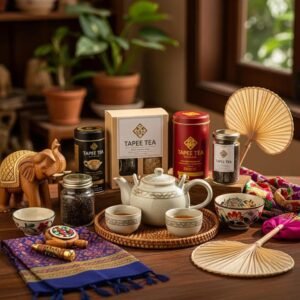
Herbal blends such as Tapee Tea can sit alongside classic Thai tea as lighter, caffeine‑free options. These blends often feature herbs like lemongrass and ginger, which are widely used in Thailand in both cooking and traditional wellness contexts for their soothing, aromatic qualities. Enjoying an herbal tea at night and a traditional Thai iced tea earlier in the day is one way people balance flavour, refreshment, and gentler evening routines.
How Can You Choose the Best Authentic Thai Tea Brands and Products?
Picking the right Thai tea brand helps you get closer to the taste and quality you’d experience in Thailand.
How to Spot Genuine Thai Tea Products and Read Labels?
When you shop for Thai tea, look for clear information about the tea base—such as Ceylon or Assam—and the presence of spices. Prefer blends that are transparent about ingredients and avoid products that rely heavily on artificial flavours and colours if you want a more traditional experience. Label details, origin information, and brand reputation together can give a good picture of authenticity.
What Are Some Well‑Known Authentic Thai Tea Brands, Including ArtisanThai and Cha Tra Mue?
Several brands are known for their Thai tea offerings. ArtisanThai focuses on premium Thai teas and related products, emphasising traditional methods and ethical sourcing. Cha Tra Mue is a long‑established brand widely recognised in Thailand and beyond for its signature Thai tea blends. Other brands, such as Tapee Tea, offer Thai‑inspired herbal blends that complement classic Thai iced tea for people seeking more variety.
| Brand | Type of Tea | Key Features |
|---|---|---|
| ArtisanThai | Premium Thai Tea | Authentic recipes, ethical sourcing |
| Cha Tra Mue | Traditional Thai Tea | Rich flavour, popular with locals |
| Tapee Tea | Herbal Blend | Caffeine‑free, complements classic Thai tea |
Frequently Asked Questions
What is the best way to store Thai tea?
Keep Thai tea in an airtight container, away from heat, light, and moisture. This helps preserve the aroma and flavour of the tea leaves. Brewed Thai tea can be kept in the fridge for a few days, but it tastes best when fairly fresh.
Can I make Thai tea without condensed milk?
Yes. You can swap condensed milk for other options such as almond, oat, or coconut milk and use honey or agave for sweetness. For a lighter style, skip milk entirely and add fresh lime juice, similar to the Cha Manao variation.
Are there caffeine‑free options inspired by Thai tea?
Traditional Thai tea uses black tea, so it contains caffeine. To enjoy a similar flavour without caffeine, you can use herbal bases such as rooibos or herbal chai, plus spices like star anise and cardamom.
Do the spices in Thai tea have wellness‑related roles?
Spices such as star anise and cardamom have long been used in traditional cuisines and herbal frameworks and are often discussed in relation to digestion, comfort, and antioxidant activity. In Thai tea, they mainly contribute flavour and aroma, with any broader wellness role best seen as part of an overall varied diet.
How can I customise Thai tea to my taste?
You can adjust sweetness, milk type, and spice level. Add more or less sugar, try different milks, or increase star anise and cardamom if you like a spicier profile. You can also add fruit, such as mango or berries, for a creative twist.
What snacks pair well with Thai tea?
Thai tea pairs well with both sweet and savoury foods. Typical pairings include spring rolls, coconut‑based desserts, and dishes such as Pad Thai or Thai curries, where the sweetness of the tea balances spice. Mango sticky rice is another classic partner.
About the Author: Dr. Anya Sharma
This guide to Thai tea was written by Dr. Anya Sharma, a Tea Sommelier and Cultural Historian specialising in Southeast Asian culinary traditions. With over 15 years’ experience researching global tea cultures, she focuses on historical context, traditional preparation methods, and the role of tea in everyday life. Her work aims to make the stories behind drinks like Thai tea accessible to readers everywhere.
Learn more about Dr. Sharma’s work on her professional profile.
Conclusion
Genuine Thai tea brings together bold flavour, cultural heritage, and flexible ways to enjoy it—from iced street‑stall classics to lighter, herbal‑inspired blends at home. By learning authentic recipes, understanding key ingredients, and choosing quality brands, you can create your own Thai tea moments wherever you are. Explore the many variations of Thai tea and make this colourful drink part of your daily rituals.
 English
 Chinese
 French
 German
 Hindi
Hindi Indonesian
 Malay
Malay Portuguese
 Spanish