
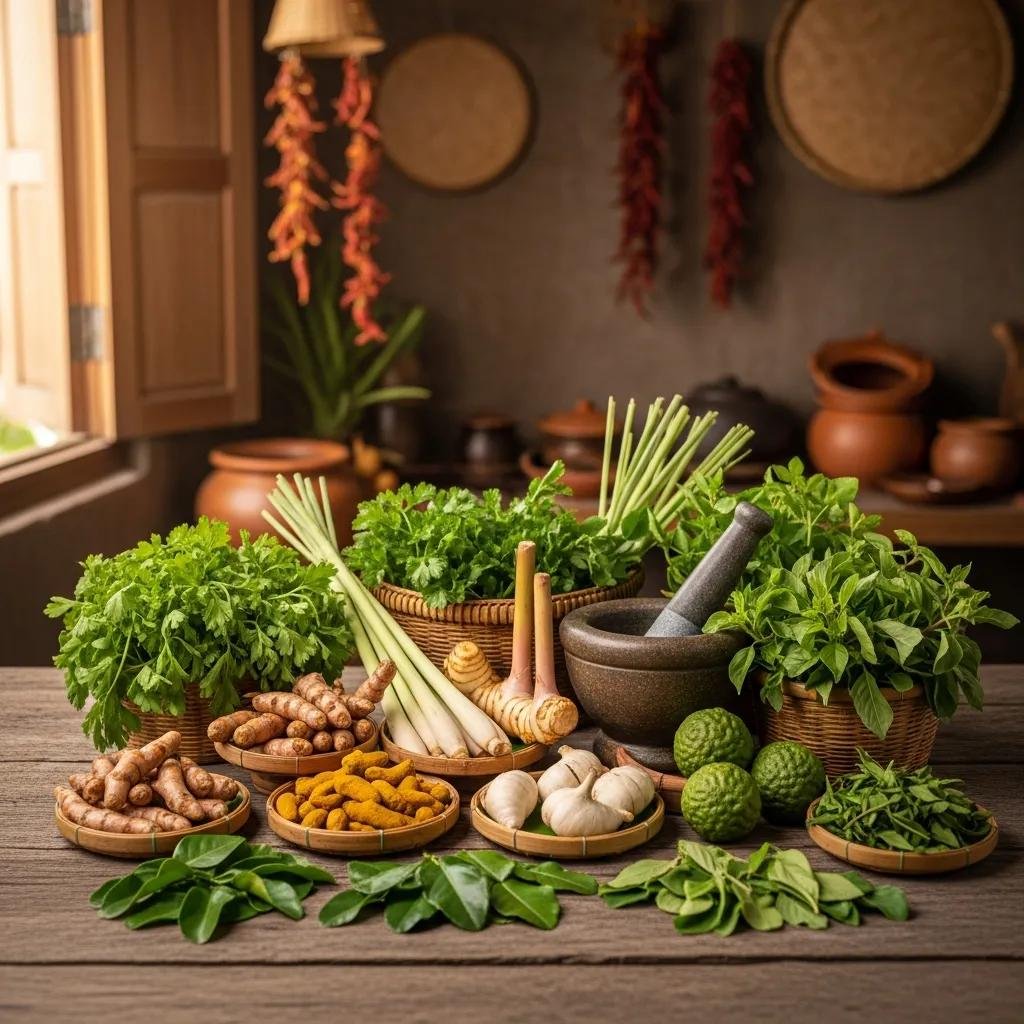
Discover Natural Wellness With Thai Herbs: Authentic Thai Herbal Traditions and Everyday Benefits
Thai herbs have been used for generations in traditional Thai medicine and everyday cooking, providing aroma, flavour, and plant compounds that many people associate with overall wellbeing. This article introduces key Thai herbs, their roles within traditional Thai medicine, and how they can be incorporated into a modern wellness‑oriented lifestyle. You will learn about commonly used herbs, research‑informed benefits, and how to recognise quality herbal products, with examples from ArtisanThai.com and other trusted sources.
Editorial team & expertise
Written by: Dr. Somchai Charoensuk
Traditional Thai medicine practitioner with over 20 years of clinical experience. Dr. Charoensuk is certified by the Thailand Ministry of Public Health and holds a Master’s degree in Thai Traditional Medicine from Chulalongkorn University, Bangkok. His work focuses on Thai herbal approaches within holistic wellness frameworks.
Medically reviewed by: Dr. Lisa Anderson, MD
Board‑certified physician specialising in integrative medicine. Dr. Anderson reviews health content to help ensure it aligns with current medical research, safety standards, and best practices, bringing together traditional insights and Western medical perspectives.
Our approach to accuracy and safety: All content is created and reviewed by qualified Thai traditional medicine practitioners and medical professionals to balance traditional knowledge with modern scientific understanding. This information is educational and is not a substitute for personalised medical advice, diagnosis, or treatment.
What Are Thai Herbs and How Do They Fit Into Traditional Thai Medicine?
Thai herbs are a core part of Traditional Thai Medicine (TTM), which views health as a dynamic balance of body, mind, and environment. Herbs are prepared as teas, foods, compresses, and other forms to support comfort, resilience, and everyday functioning, often alongside Thai massage, diet, and spiritual or mindfulness practices [web:136][web:138]. Many of these preparations are used for common concerns such as digestive discomfort, seasonal challenges, or general fatigue, always within a broader focus on balance rather than quick fixes.
Research on Thai traditional medicine notes its long‑standing role as an officially recognised system in Thailand that relies heavily on natural products, while also emphasising that only some preparations have been investigated in depth in modern studies [web:136]. This is why practitioners increasingly combine traditional frameworks with up‑to‑date evidence and safety guidance.
How Does Traditional Thai Medicine Use Herbs Within a Holistic Framework?
In TTM, herbs are rarely used in isolation. They are combined based on the Four Elements concept, individual constitution, and the nature of a person’s discomfort, then delivered as teas, poultices, oils, or other formats. For example, a warm herbal drink might be suggested after meals for digestive ease, while an herbal compress may be used alongside Thai massage for perceived muscle tension. This aligns with a holistic philosophy that seeks to support underlying balance rather than only suppress surface symptoms [web:137][web:138].
Which Thai Herbs Commonly Appear in Everyday Natural‑Wellness Use?
A few Thai herbs have become especially well known both inside and outside Thailand because they appear so frequently in kitchens and traditional wellness practices:
- Turmeric: A brightly coloured rhizome used in food and herbal formulas. Curcumin and related curcuminoids from turmeric have been widely studied for anti‑inflammatory and antioxidant effects in cell and human studies, including their influence on NF‑κB, a key inflammatory signalling pathway [web:171][web:165].
- Lemongrass: An aromatic grass used in soups, teas, and topical preparations. Traditional uses and emerging research highlight roles in digestive comfort, fluid balance, and relaxation, with some work suggesting mild diuretic and digestive‑supporting effects [web:170][web:172][web:175].
- Holy basil (Tulsi): A fragrant herb considered an adaptogen in many traditions. Clinical and mechanistic research suggests it may support stress resilience, influence cortisol dynamics, and contribute to a steadier stress response over time [web:143][web:176].
These herbs function as everyday “kitchen medicine” in many Thai households, appearing in meals, drinks, and simple home remedies, rather than as isolated pharmaceutical‑style treatments.
Traditional Thai Medicine Principles: A Holistic, Element‑Based View
Traditional Thai Medicine builds on a holistic philosophy in which health reflects the interplay of elements, lifestyle, and environment. A central concept is “Thaat Thang Si,” or the Four Elements—Earth, Water, Wind, and Fire—which are used to describe structures, fluids, movement, and metabolic heat in the body [web:138][web:141]. When one element is considered relatively excessive or depleted, a practitioner may see this as a pattern of imbalance contributing to discomfort.
TTM approaches emphasise prevention and gentle correction. Alongside herbs, practitioners may suggest Thai massage, breathing or meditative practices, and tailored dietary guidance. Emotional and spiritual wellbeing are seen as deeply linked to physical health, so restoring harmony may involve changes in daily rhythm, relationships, and mindset as well as targeted herbal formulas.
How to Choose Quality Thai Herbal Products
With Thai herbs now available widely online, choosing carefully can help ensure that what you buy reflects both traditional practice and modern quality expectations. Consider the following points when evaluating products:
- Organic or low‑input cultivation: Certifications or clear statements about pesticide and fertiliser use can reassure you that herbs were grown with attention to soil and ecosystem health.
- Sourcing transparency: Responsible brands share where their herbs come from, including regions and, when possible, specific farms or cooperatives, which supports traceability.
- Third‑party testing: Independent lab reports that check for heavy metals, pesticides, and microbial contamination provide extra confidence that products meet safety expectations.
- Appropriate packaging: Airtight, light‑resistant packaging, clear batch numbers, and best‑before dates help protect the potency and freshness of dried herbs.
- Ethical and fair‑trade practices: Supporting brands that pay fair prices and invest in local communities helps sustain the farming and knowledge systems behind Thai herbal products.
- Reputable suppliers: Purchasing from established vendors such as ArtisanThai.com, who specialise in Thai herbs and share their sourcing and quality standards, can reduce the risk of mislabelled or low‑quality products.
What Are the Wellness Roles of Key Thai Herbs?
Each Thai herb has a unique profile of traditional uses and research‑informed properties. While they are not medicines in the regulatory sense when sold as general wellness products, understanding what has been studied can help you make informed choices about incorporating them into your routine.
How Is Turmeric Discussed in Anti‑Inflammatory and Antioxidant Research?
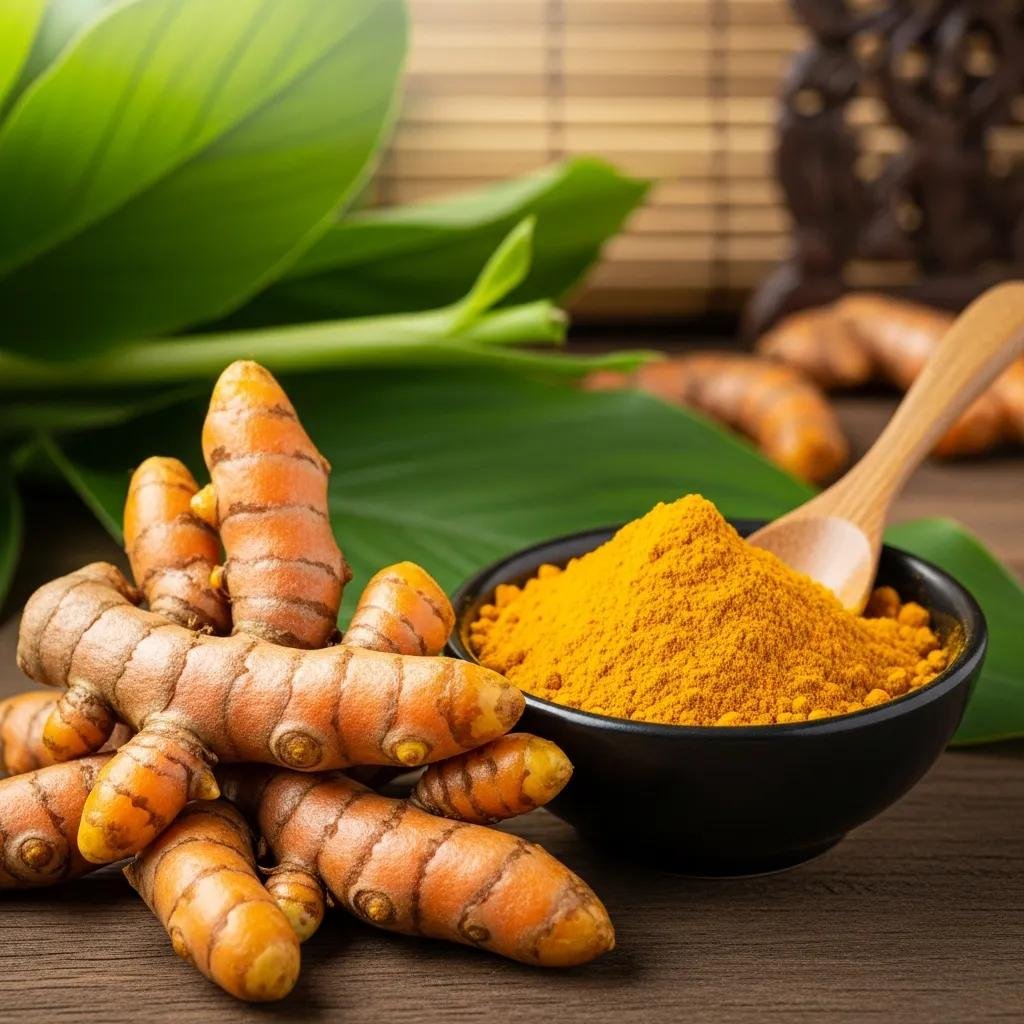
Turmeric (Curcuma longa) has been used in Thai and neighbouring traditions as a warming, colouring spice and topical ingredient. Modern studies have examined curcumin and related curcuminoids for their ability to modulate inflammatory signalling, including inhibition of NF‑κB activity in cell and animal models [web:171][web:165][web:177]. Turmeric extracts and curcumin supplements have also been investigated for antioxidant effects, with results showing support for neutralising certain reactive oxygen species and influencing the body’s own antioxidant pathways.
In a food and tea context, turmeric is best seen as one component of a plant‑rich pattern that may support long‑term wellbeing, rather than as a stand‑alone anti‑inflammatory “fix.” People considering high‑dose curcumin products should do so under medical guidance, especially if they take medications or have underlying conditions.
Why Is Lemongrass Often Linked With Digestive Comfort and Light Detox Support?
Lemongrass is frequently prepared as tea or used in broths and curries. Traditional and modern sources suggest it can support digestion, help ease feelings of bloating, and act as a mild diuretic in some individuals [web:170][web:172][web:175]. Small human studies have reported increased urine output with lemongrass tea and have explored potential effects on blood pressure and fluid balance [web:172][web:175].
Because diuretic effects can alter fluid and electrolyte balance, lemongrass should be used thoughtfully by those already taking prescription diuretics or managing kidney, heart, or blood‑pressure issues. For most healthy adults, modest amounts of lemongrass in food or tea are generally considered a pleasant way to support a sense of digestive lightness, but they are not a substitute for medical treatment or prescribed medicines.
How Can Holy Basil and Ginger Support Stress Management and Everyday Resilience?
Holy basil and ginger occupy special places in Thai and regional herbal practices. One is closely tied to stress and mood discussions, and the other to warmth and digestive comfort.
What Does Research Say About Holy Basil as an Adaptogen?
Holy basil (Ocimum sanctum or Tulsi) is widely described as an adaptogen—an herb that may help the body respond more evenly to stress. Clinical work and reviews report that holy basil extracts can influence cortisol patterns and subjective stress ratings, supporting a more balanced stress response over time rather than simply stimulating or sedating [web:143][web:176]. In traditional settings, holy basil teas and preparations are associated with clarity, steadiness, and spiritual focus.
While these findings are promising, holy basil can still interact with medications or health conditions, so it is sensible to seek personalised advice before using concentrated products regularly, especially in capsule or extract form.
 English
 Chinese
 French
 German
 Hindi
Hindi Indonesian
 Malay
Malay Portuguese
 Spanish