Thai Herbal Medicine Benefits: Comparing Thai Herbal Wellness Products vs Conventional Remedies for Natural Health Solutions
Thai herbal wellness products have gained recognition for their holistic approach to health, offering natural alternatives to conventional remedies. This article delves into the core principles of traditional Thai medicine, the benefits of herbal wellness products, and how they compare to conventional treatments. Readers will learn about the unique properties of Thai herbs, their applications in promoting health, and the importance of safety and efficacy in both approaches. As many individuals seek natural solutions for health issues, understanding the differences between these two modalities is crucial. We will explore the principles of traditional Thai medicine, the specific benefits of products like Tapee Tea, and the implications of Thai FDA certification for product authenticity.
About the Author & Medical Reviewer
Dr. Anya Sharma, ND
Naturopathic Doctor & Ethnobotanist specializing in Traditional Thai Medicine.
Dr. Anya Sharma is a board-certified Naturopathic Doctor with over 15 years of experience in integrative health and herbal medicine. Holding a Ph.D. in Ethnobotany, her research focuses on the traditional uses and modern applications of Southeast Asian medicinal plants. Dr. Sharma is passionate about educating the public on evidence-based natural health solutions and the importance of culturally sensitive healthcare practices. She regularly consults with organizations on product safety and efficacy in the herbal wellness sector.
Medical Reviewer: Dr. Preeya Singh, MD
This article was medically reviewed by Dr. Preeya Singh, MD, a licensed physician with expertise in public health and complementary medicine, to ensure accuracy and adherence to medical standards.
Important Disclaimer
The information provided in this article is for educational purposes only and is not intended as medical advice. Always consult with a qualified healthcare professional before making any decisions about your health or treatment, especially if you have pre-existing conditions or are taking other medications. Individual results may vary.
What Are the Core Principles of Traditional Thai Medicine and Herbal Wellness?
Traditional Thai medicine is rooted in a holistic philosophy that emphasizes balance and harmony within the body. It integrates physical, emotional, and spiritual health, recognizing that well-being is a multifaceted concept. This approach is characterized by the belief that health is maintained through the proper flow of energy, or “Lom” (wind), “Nam” (water), and “Fai” (fire) within the body, rather than “Prana,” which is a concept from Indian Ayurveda.
Further research explores the potential of Thai Traditional Medicine beyond general wellness, investigating its role in specific areas like cancer prevention.
Thai Traditional Medicine for Cancer Prevention & Herbal Extracts
Cancer chemoprevention aims to prevent, delay, or reverse carcinogenesis. Thai Traditional Medicine (TTM) could be a source for cancer chemopreventive agents and – more broadly –could play a role in cancer prevention. Using an ethnopharmacology approach this thesis aims to understand the pharmacological basis of some of these botanical drugs and to discover new extracts which could be useful in cancer prevention. Interviews with 33 TTM practitioners revealed the five characteristics of cancer in TTM (mareng), which is described as an accumulation of waste, chronic inflammation, chronic illnesses (krasai), bad condition of body fluids (‘luead’ and ‘namlueang’), and imbalance of dhātu si. Further analysis of preventive methods led to the five strategies for preventing mareng.
Thai traditional medicine as a source for cancer prevention: from local concepts to the discovery of potential chemopreventive extracts, N Lumlerdkij, 2018
How Does Traditional Thai Medicine Emphasize Holistic Health and Natural Healing?
Holistic health in traditional Thai medicine focuses on treating the whole person rather than just symptoms. This includes practices such as herbal remedies, massage, and meditation, which work together to restore balance. For instance, herbal treatments are often tailored to individual needs, addressing not only physical ailments but also emotional and spiritual aspects. The benefits of this approach include improved overall health, reduced stress, and enhanced emotional well-being. herbal remedies
Which Key Thai Herbs Are Used in Herbal Wellness Products Like Tapee Tea?
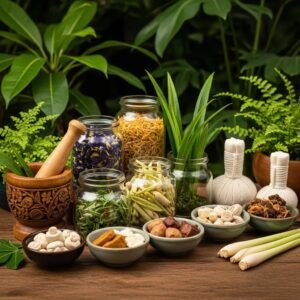
Several key herbs are integral to Thai herbal wellness products, each offering unique health benefits. For example, Tapee Tea is made from a blend of organic herbs known for their therapeutic properties. Key ingredients include:
- Lemongrass: Known for its anti-inflammatory and antioxidant properties, it supports digestion and detoxification.
- Ginger: A powerful anti-nausea agent, ginger also aids in digestion and reduces inflammation.
- Turmeric: Renowned for its anti-inflammatory effects, turmeric supports joint health and overall wellness.
These herbs not only contribute to the efficacy of products like Tapee Tea but also reflect the cultural significance of herbal medicine in Thai society.
How Do Thai Herbal Wellness Products Support Joint Comfort, Digestion, and Relaxation?
What Are the Benefits of Tapee Tea and Its Organic Thai Herb Ingredients?
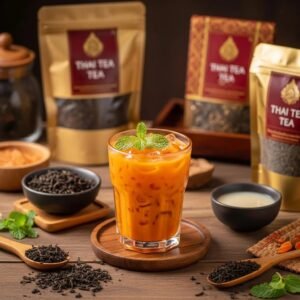
Tapee Tea offers numerous health benefits due to its carefully selected organic ingredients. The tea is known for: best time to drink tapee tea benefits how to prepare it
- Joint Comfort: Ingredients like turmeric and ginger help reduce inflammation and pain associated with joint issues.
- Digestive Health: Lemongrass and ginger work synergistically to enhance digestion and alleviate gastrointestinal discomfort.
- Relaxation: The calming properties of lemongrass promote relaxation and stress relief, making it an excellent choice for those seeking tranquility.
Consumer feedback highlights the effectiveness of Tapee Tea in providing these benefits, making it a popular choice among those looking for natural remedies.
However, it is crucial to approach all natural supplements, including popular herbal teas like Tapee Tea, with caution, as even ‘natural’ products can have significant adverse effects.
Tapee Tea Safety: Adverse Effects & Natural Supplement Caution
Herbal teas have been ingrained in traditional practices, particularly in traditional Chinese medicine, for many years. Despite their global popularity and widespread use, there is a notable absence of comprehensive studies elucidating the mechanism of action and potential adverse effects associated with these medicinal herbs. We present the case of a male in his early 50s who consumed an herbal tea called “Tapee tea” which is marketed to alleviate musculoskeletal pain and is available for purchase on various online platforms. He presented to the hospital due to melanotic stools and was subsequently diagnosed with a large duodenal peptic ulcer which was further complicated by hemorrhagic shock and cardiopulmonary arrest. Our aim is to create awareness for the public to exercise caution before purchasing products regarded as “natural” supplements.A Life-threatening Cup of Tea: A Case Report and Literature Review, D Alexander, 2024
How Do Other Thai Herbal Products Complement Overall Wellness?
In addition to Tapee Tea, various other Thai herbal products contribute to overall wellness. These include: Tapee Tea.
- Thai Herbal Massage Oil: This product combines traditional Thai herbs with massage techniques to relieve muscle tension and promote relaxation.
- Herbal Compress Balls: Used in traditional Thai massage, these compresses are filled with herbs that provide soothing heat and therapeutic benefits.
These products complement the effects of Tapee Tea, creating a holistic approach to health that addresses multiple aspects of well-being.
What Are Conventional Remedies and Their Common Uses and Side Effects?
Conventional remedies, often in the form of pharmaceuticals, are widely used to treat various health conditions. These remedies are typically designed to target specific symptoms or diseases, providing quick relief.
How Do Conventional Pharmaceuticals Address Joint Pain, Digestive Issues, and Stress?
Conventional pharmaceuticals for joint pain often include non-steroidal anti-inflammatory drugs (NSAIDs) like ibuprofen, which reduce inflammation and alleviate pain. For digestive issues, medications such as proton pump inhibitors help manage acid reflux and ulcers. Stress relief is commonly addressed with antidepressants or anti-anxiety medications, which can provide significant benefits but may also come with side effects.
What Are Potential Side Effects and Drug Interactions of Conventional Medicines?
While conventional remedies can be effective, they are not without risks. Common side effects may include:
- Gastrointestinal Issues: NSAIDs can cause stomach irritation or ulcers.
- Dependency: Some anti-anxiety medications may lead to dependency if used long-term.
- Drug Interactions: Pharmaceuticals can interact with other medications, leading to adverse effects.
It is essential for consumers to consult healthcare providers to understand these risks and make informed decisions about their treatment options.
How Do Thai Herbal Wellness Products Compare to Conventional Remedies in Efficacy and Safety?
What Are the Differences in Speed of Action and Holistic Benefits?
Thai herbal products often take longer to show effects compared to conventional medications, which can provide rapid relief. However, the holistic benefits of herbal remedies, such as improved overall health and fewer side effects, make them appealing for long-term use. Many users report that while conventional remedies may alleviate symptoms quickly, herbal products contribute to overall wellness and help support the body’s natural balance.
Clinical studies further investigate these comparative aspects, evaluating the efficacy and safety of specific Thai herbal formulations against conventional pharmaceutical treatments.
Thai Herbal Formulation vs. Conventional Drugs: Efficacy & Safety
This study aimed to evaluate the efficacy and safety of Thai herbal formulation-6 (THF-6) in comparison with oral diclofenac in patients with moderate-to-severe osteoarthritis of the knee.Clinical Efficacy and Safety of Thai Herbal Formulation‐6 in the Treatment of Symptomatic Osteoarthritis of the Knee: A Randomized‐Controlled Trial
Controlled Trial, N Koonrungsesomboon, 2020
How Do Safety Profiles and Long-Term Wellness Outcomes Differ?
The safety profiles of Thai herbal wellness products are generally favorable, especially when they are Thai FDA certified and independently lab-tested. These certifications ensure that the products meet safety and quality standards. In contrast, conventional medications may carry risks of side effects and interactions, particularly with long-term use.
| Product Type | Efficacy | Safety Profile | Long-Term Outcomes |
|---|---|---|---|
| Thai Herbal Products | Gradual, holistic | High (with certification) | Supportive of overall health |
| Conventional Remedies | Rapid | Variable (side effects) | Symptom management, potential dependency |
Why Is Thai FDA Certification Important for Authenticity and Safety of Herbal Products?
What Does Thai FDA Certification and Independent Lab Testing Guarantee?
Thai FDA certification guarantees that herbal products meet specific safety and quality standards. Independent lab testing further ensures that the products are free from harmful substances and accurately labeled. This level of scrutiny builds consumer trust and confidence in the products they choose.
How Does ArtisanThai.com Ensure Ethical Sourcing and Product Authenticity?
ArtisanThai.com is committed to ethical sourcing and product authenticity. The company emphasizes traditional Thai craftsmanship and ensures that all products are Thai FDA certified and independently lab-tested. This commitment to quality not only supports local communities but also provides consumers with peace of mind regarding the products they purchase.
When Should Consumers Choose Thai Herbal Remedies vs Conventional Medicine?
How Can Consumers Safely Navigate Herb-Drug Interactions?
Consumers should be aware of potential herb-drug interactions when using herbal products alongside conventional medications. Consulting with healthcare providers is essential to ensure safe usage and to avoid adverse effects.
What Is the Future of Integrative Health Combining Herbal and Conventional Approaches?
The future of health care is likely to see a greater integration of herbal and conventional approaches. As more individuals seek natural solutions, the demand for products that combine the best of both worlds will grow. This integrative approach can lead to more comprehensive health solutions that address both immediate symptoms and long-term wellness.
| Approach | Benefits | Challenges |
|---|---|---|
| Thai Herbal Remedies | Holistic, fewer side effects | Slower onset of action |
| Conventional Medicine | Rapid relief | Potential side effects and dependency |
Frequently Asked Questions
What are the potential side effects of using Thai herbal wellness products?
While Thai herbal wellness products are generally considered safe, they can still cause side effects in some individuals. Common issues may include allergic reactions, gastrointestinal discomfort, or interactions with other medications. It’s essential to consult with a healthcare provider before starting any new herbal regimen, especially if you have pre-existing health conditions or are taking other medications. Additionally, always choose products that are Thai FDA certified to ensure quality and safety.
How can I determine the quality of Thai herbal products?
To assess the quality of Thai herbal products, look for Thai FDA certification, which indicates that the product meets specific safety and quality standards. Additionally, check for independent lab testing results that confirm the absence of harmful substances and accurate labeling. Researching the brand’s reputation and reading customer reviews can also provide insights into the product’s effectiveness and safety. Quality assurance is crucial for ensuring a positive experience with herbal remedies.
Are there specific health conditions that benefit more from Thai herbal remedies?
Thai herbal remedies can be particularly beneficial for various health conditions, including digestive issues, joint pain, and stress-related disorders. For instance, ingredients like ginger and turmeric are known for their anti-inflammatory properties, making them effective for joint discomfort. Additionally, herbs like lemongrass can aid digestion and promote relaxation. However, it’s important to consult with a healthcare professional to determine the most suitable herbal options for your specific health needs.
How do I safely incorporate Thai herbal remedies into my wellness routine?
To safely incorporate Thai herbal remedies into your wellness routine, start by consulting with a healthcare provider, especially if you are on medication or have health concerns. Begin with small doses to monitor your body’s response, and gradually increase as needed. It’s also wise to choose high-quality, certified products and to follow the recommended usage instructions. Keeping a journal of your experiences can help track any benefits or side effects you may encounter.
What role does traditional Thai massage play in holistic health?
Traditional Thai massage plays a significant role in holistic health by promoting relaxation, improving circulation, and relieving muscle tension. This practice combines acupressure, stretching, and deep tissue techniques to enhance physical and emotional well-being. By addressing both the body and mind, Thai massage complements herbal remedies, creating a comprehensive approach to health that fosters balance and harmony. Regular sessions can contribute to long-term wellness and stress reduction.
Can Thai herbal products be used alongside conventional medications?
Yes, Thai herbal products can often be used alongside conventional medications, but caution is necessary. It’s crucial to consult with a healthcare provider to avoid potential herb-drug interactions that could lead to adverse effects. Some herbs may enhance or inhibit the effects of medications, so professional guidance is essential for safe and effective use. Always inform your healthcare provider about any herbal products you are considering or currently using.
What is the significance of ethical sourcing in Thai herbal products?
Ethical sourcing in Thai herbal products ensures that the herbs are harvested sustainably and responsibly, supporting local communities and preserving traditional practices. This approach not only enhances the quality of the products but also promotes environmental sustainability and fair trade. Consumers can feel more confident in their purchases, knowing that they are supporting ethical practices and contributing to the well-being of the communities involved in the production of these herbal remedies.
Conclusion
Thai herbal wellness products offer a holistic approach to health, providing natural alternatives that support joint comfort, digestion, and relaxation. With the backing of Thai FDA certification, consumers can trust in the safety and efficacy of these remedies, making them a valuable addition to their wellness routines. By exploring options like Tapee Tea and other herbal products, individuals can enhance their overall well-being while minimizing potential side effects. Discover the benefits of Thai herbal medicine and consider integrating these natural solutions into your health regimen today.