
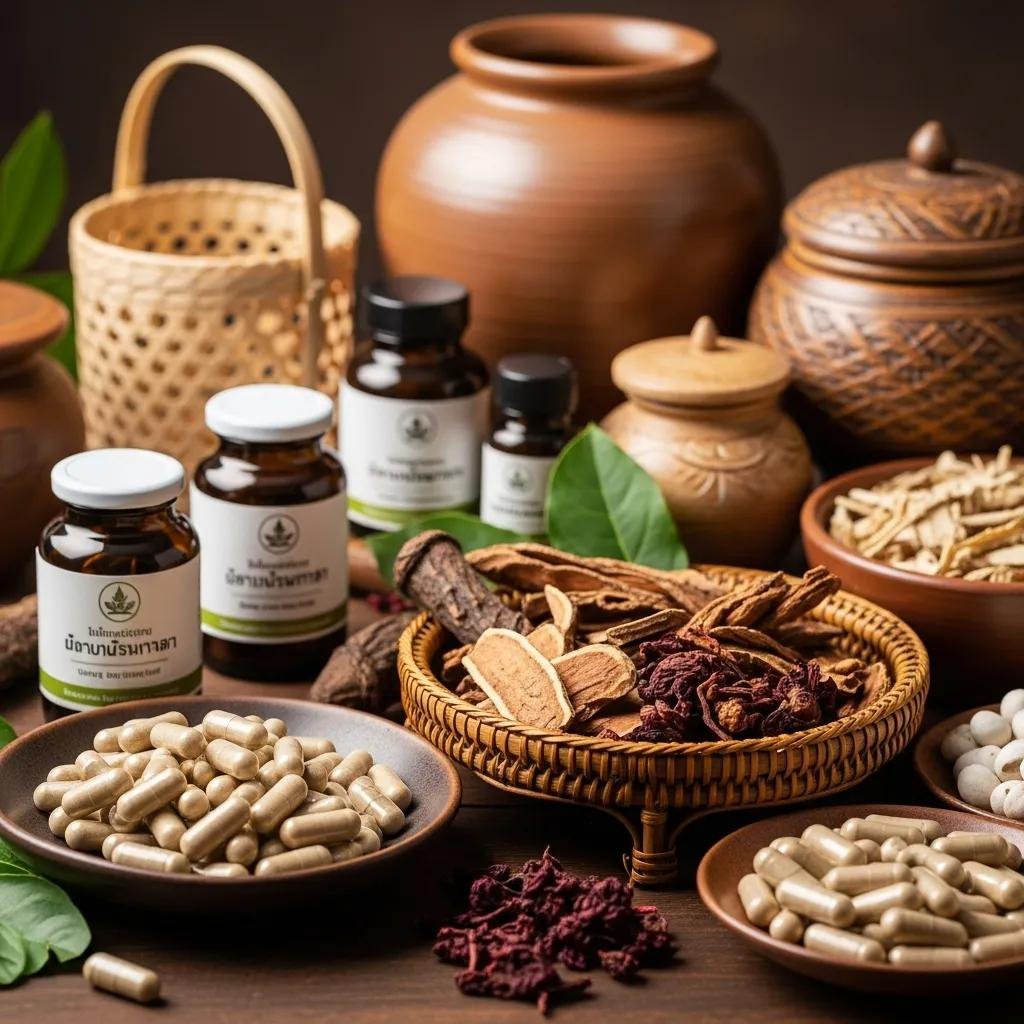
ArtisanThai Authenticity: FDA‑Oversighted & Lab‑Tested Herbal Products and Handicrafts for Trusted Natural Wellness
ArtisanThai.com focuses on authentic Thai handicrafts and herbal wellness products, with a strong emphasis on safety, quality, and cultural integrity. This commitment is expressed through the use of Thai Food and Drug Administration (Thai FDA) pathways where applicable, independent laboratory testing, and transparent sourcing information. This article explains how Thai FDA oversight works for herbal products, why third‑party lab testing matters, and how ArtisanThai verifies both herbal products and traditional handicrafts. For customers who care about safety and authenticity, understanding these safeguards can make it easier to choose products that match their expectations.
What Does the Thai FDA Do for Herbal Wellness Products?
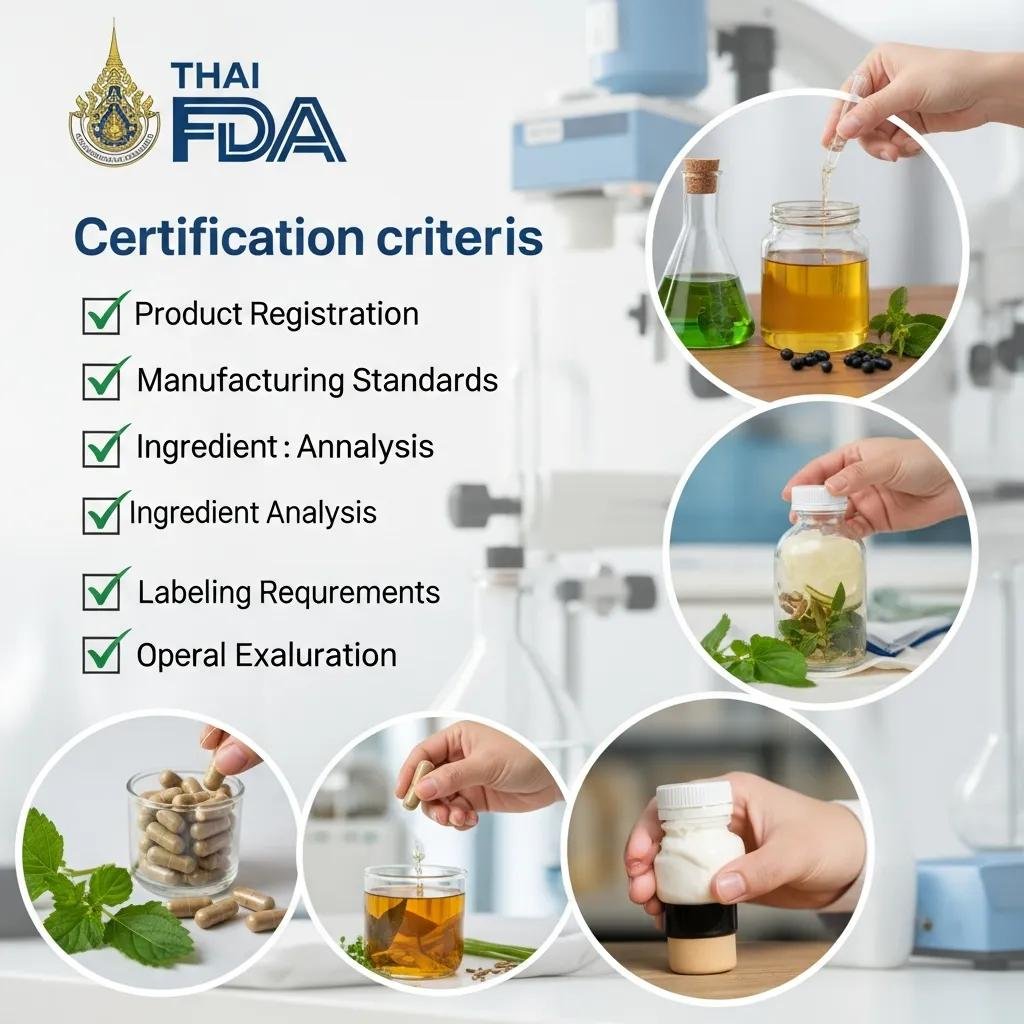
The Thai FDA regulates herbal products under the Herbal Product Act and related laws, with different approval or notification pathways depending on risk and claims [web:144][web:148]. Products may be notified, registered, or fall under traditional medicine categories, and each pathway has specific requirements for quality, safety data, and labelling. This framework is designed to reduce risks from contamination, mislabelling, or inappropriate health claims before products reach consumers [web:144][web:145].
How Does Thai FDA Review and Oversee Herbal Products?
For many herbal products, companies must submit documentation on ingredients, manufacturing processes, and product specifications to obtain the appropriate notification or registration status [web:145][web:151]. When a product makes stronger medical‑type claims (such as treating or preventing diseases), traditional medicine registration requires more extensive data on quality, safety, and human evidence [web:148]. At the same time, commentators note that enforcement capacity and legacy products can make the on‑the‑ground picture complex, which is why responsible brands often add extra quality checks of their own [web:146][web:151].
ArtisanThai aligns with this regulatory ecosystem by following applicable Thai FDA requirements for its herbal products and by using additional internal and third‑party quality controls even when regulations only require notification.
What Is the Thai FDA e‑Certificate System, and How Can You Use It?
The Thai FDA’s e‑certificate verification system allows consumers to check the status of registered or notified products online. By entering a product’s registration or notification number, you can view information such as product name, licence holder, and status. This tool adds an extra layer of transparency, making it easier to confirm that a Thai FDA number on a label corresponds to an actual listing in the agency’s database.
How Does Independent Lab Testing Support ArtisanThai’s Safety and Quality?

Independent laboratory testing offers unbiased confirmation of what is—and is not—in a product. By using accredited labs that follow validated methods and international quality frameworks such as ISO 17025, brands can check identity, purity, and potency beyond their own in‑house controls [web:149][web:152]. For herbal products, this is especially important because contamination or mis‑identification can occur anywhere in a multi‑step supply chain.
What Do Third‑Party Lab Tests Typically Check For?
Well‑designed lab test panels often include:
- Heavy metals: Lead, mercury, cadmium, and arsenic, typically analysed by ICP‑MS or similar methods.
- Pesticides: Screened using GC‑MS or HPLC‑based methods to detect a wide range of agricultural chemicals.
- Microbial quality: Tests for total aerobic count, yeasts and moulds, and specific pathogens such as E. coli and Salmonella.
- Active‑compound levels: Where appropriate, measurement of marker compounds (for example, curcuminoids in turmeric) to check that products are consistent with label specifications.
Researchers working on herbal‑supplement quality have highlighted the importance of using validated methods for both contamination screening and compositional checks, and have shown that quality can vary if such controls are not robust [web:146]. ArtisanThai uses third‑party testing to confirm that its products meet internal specifications and relevant safety guidance.
How Can Customers See and Interpret ArtisanThai’s Lab Information?
ArtisanThai provides product‑specific lab information via a dedicated lab results page where available. Reports summarise what was tested, which methods were used, and whether results fall within acceptable ranges or specification limits. Explanatory notes and definitions help non‑technical readers understand key terms (such as “below limit of quantitation”) so they can see how the results relate to everyday safety and quality concerns.
How Does ArtisanThai Confirm the Authenticity of Thai Handicrafts?
Beyond herbal products, ArtisanThai places equal emphasis on authentic Thai handicrafts. Authenticity here refers to materials, techniques, and designs that reflect real Thai artisan communities and traditions, rather than mass‑produced items loosely inspired by Thai motifs. This approach supports both cultural heritage and consumer trust.
What Standards Guide Artisan Sourcing and Ethical Craftsmanship?
ArtisanThai’s sourcing standards focus on:
- Direct relationships: Working with artisan groups and cooperatives, rather than anonymous intermediaries, to maintain traceability.
- Fair compensation: Ensuring that artisans receive pricing that honours the time, skill, and materials involved.
- Cultural respect: Encouraging designs and techniques that are rooted in local traditions instead of generic export‑only styles.
These principles align with ideas promoted by fair‑trade and cultural‑heritage organisations and echo academic work showing how authenticity in handicraft markets is shaped by both local practice and global expectations [web:150].
Why Do Materials and Story Matter for Genuine Thai Handicrafts?
Genuine Thai handicrafts typically use locally appropriate materials—such as regional woods, textiles, or natural dyes—and techniques that have been refined and transmitted within communities. The story behind how and where pieces are made can be as important as the finished item, giving buyers insight into the craft’s cultural and social context. ArtisanThai shares background information about artisans and production regions so customers can see how their purchases connect to real places and people.
Why Do FDA Pathways and Lab Testing Matter for Natural‑Wellness Customers?
For customers interested in herbal supplements and natural products, regulatory oversight and lab testing are not just “nice to have”—they are key safeguards. They help reduce the risk of undisclosed ingredients, excessive contaminants, or misleading labels, which have been documented issues in some herbal markets globally [web:146][web:150][web:153].
How Do Oversight and Testing Help Protect Consumers?
When products fall under Thai FDA rules, manufacturers must comply with defined standards for manufacturing, documentation, and labelling [web:144][web:145]. Independent testing adds another layer, confirming that batches continue to meet specification after registration or notification. Together, these measures help lower the chance that consumers will encounter serious problems such as heavy‑metal contamination, microbial overgrowth, or undeclared ingredients, issues that have led to recalls in various herbal categories in recent years [web:150][web:153].
What Are the Advantages of Choosing Tested and Documented Products?
For health‑conscious customers, choosing products that carry appropriate regulatory status and come with accessible lab documentation offers:
- Greater clarity: You can see which ingredients are present and at what levels.
- Added reassurance: You know that at least two sets of eyes—regulators and independent labs—have reviewed aspects of the product.
- Easier conversations with clinicians: Clear labels and documentation make it simpler to discuss herbal use with healthcare professionals.
ArtisanThai positions its herbal products as wellness‑supporting items, not medicines, and encourages customers to consult healthcare providers about any herbal use alongside prescription treatments.
How Can You Verify Thai FDA‑Linked Products and Authentic ArtisanThai Items Online?
With many herbal products and handicrafts now sold online, being able to check authenticity and quality signals is increasingly important. Fortunately, several tools and practices can help.
Which Tools Help Confirm Thai FDA‑Linked Product Status?
For herbal products that display Thai FDA numbers, you can:
- Use the Thai FDA’s e‑certificate verification system to confirm that the number is genuine and active.
- Check that label details (product name, licence holder) match the information shown in the database.
- Look for consistency between website descriptions and Thai FDA listing categories (for example, avoiding disease‑treatment language on products that are only notified, not registered as medicines) [web:148][web:151].
If information does not match or seems incomplete, it is sensible to contact the seller or choose a different product.
How Can You Distinguish Genuine ArtisanThai Products from Look‑Alikes?
To ensure you are getting authentic ArtisanThai items:
- Purchase directly from the official ArtisanThai website or clearly listed authorised partners.
- Look for product pages that include sourcing notes, artisan or farmer information, and links to lab data where relevant.
- Be cautious of listings that use ArtisanThai branding but provide no background details, unusually low prices, or inconsistent packaging.
These steps help reduce the risk of buying products that misuse ArtisanThai’s name without following its quality standards.
Summary of Common Contaminant Tests in Herbal Supplements
The table below outlines typical contaminant categories, how they are tested, and why this matters for safety.
| Contaminant Type | Common Testing Method | Why It Matters |
|---|---|---|
| Heavy metals (lead, mercury, cadmium, arsenic) | ICP‑MS or similar elemental analysis | Excessive levels can affect the nervous system, kidneys, liver, and development over time [web:146] |
| Pesticide residues | GC‑MS or HPLC‑based screens | Some pesticides are linked with hormone disruption or other long‑term health concerns if not controlled [web:146] |
| Microbial contamination (bacteria, yeasts, moulds) | Culture methods and rapid molecular tests | High counts or specific pathogens can lead to infections or spoilage, as highlighted by recent Thai FDA recalls [web:150][web:153] |
| Residual solvents | Headspace GC‑MS | Helps confirm that extraction or cleaning solvents are below accepted safety limits [web:146] |
ArtisanThai uses such testing to help ensure that its herbal products remain within internal specifications and recognised safety guidelines.
Frequently Asked Questions
What should I look for when buying herbal supplements online?
Look for clear labelling (including full ingredient lists), appropriate Thai FDA or equivalent regulatory information where applicable, and accessible lab testing summaries. Check the seller’s reputation, read reviews, and use official verification tools such as the Thai FDA e‑certificate system when numbers are provided [web:144][web:148]. Avoid products that make strong disease‑treatment claims without medical registration or that offer little transparency.
Are herbal supplements always safe because they are “natural”?
“Natural” does not automatically mean safe. Herbs can interact with medications, cause allergies, or be contaminated if produced without adequate controls. It is important to speak with a healthcare professional before starting any supplement, especially if you have health conditions, take prescription drugs, or are pregnant or breastfeeding. Choosing products that are regulated where appropriate and lab‑tested adds an extra safety margin.
How can I assess the quality of traditional Thai handicrafts?
High‑quality Thai handicrafts typically come with clear information about materials, origin, and artisans. Reputable sellers describe who made the product, how it was produced, and what cultural traditions it reflects. Certifications from fair‑trade or cultural‑heritage organisations can further reassure you that items are both authentic and ethically produced.
Why is independent lab testing so emphasised for herbal products?
Independent lab testing provides objective data from a third party using standardised methods. It confirms that products meet specification for identity, purity, and contaminant limits, and that certain marker compounds are present as expected. This helps catch issues that might not be visible in sensory checks alone and provides evidence to back up quality claims [web:149][web:152].
How does ArtisanThai support sustainability and fair practices?
ArtisanThai works with local farmers and artisans under fair‑pricing and long‑term partnership models, and favours cultivation and production methods that respect environmental limits. This approach aims to support community livelihoods, preserve traditional skills, and reduce ecological impact, while offering consumers products that connect directly to Thai landscapes and culture.
What should I do if a product seems suspicious or possibly counterfeit?
If you suspect a product is not genuine—because of unusual pricing, packaging differences, or missing information—first check any Thai FDA numbers via the official e‑certificate system. If doubts remain, stop using the product and contact the seller and, where appropriate, regulators or consumer‑protection agencies. When in doubt, purchasing directly from official or clearly authorised channels is the safest option.
Conclusion
ArtisanThai’s focus on Thai FDA‑linked oversight, independent lab testing, and ethical artisan partnerships is designed to give customers clear, reliable options in the growing world of herbal wellness and cultural products. By combining regulatory frameworks, scientific testing, and respect for Thai craftsmanship, the company aims to offer items that are not only enjoyable to use but also transparently sourced and carefully checked. For consumers, this means being able to choose Thai herbal products and handicrafts with greater confidence and a deeper understanding of the stories and safeguards behind them.
Shop our tested and traceable products
Ready to Explore Thai Wellness and Craftsmanship?
Discover ArtisanThai’s range of herbal products and handicrafts, selected and tested with quality, safety, and cultural authenticity in mind.

 English
 Chinese
 French
 German
 Hindi
Hindi Indonesian
 Malay
Malay Portuguese
 Spanish