
Thai Herbal Tea is gaining popularity among health enthusiasts. This herbal blend is known for its potential benefits. But what exactly is Thai Herbal Tea?
The origins of Thai Herbal Tea are rooted in traditional herbal medicine. It has been used for centuries in various cultures. This tea is more than just a beverage.
Thai Herbal Tea is often praised for its detoxifying properties. Many people turn to it for natural health remedies. But what makes it so special?
The ingredients in Thai Herbal Tea are a key factor. They include a variety of herbs and natural extracts. Each component contributes to its unique profile.
In the USA, Thai Herbal Tea is available through online retailers. Its popularity is growing as more people seek natural solutions. But is it right for everyone?
Potential side effects should be considered. Some users report digestive discomfort or allergic reactions. Consulting a healthcare provider is advised.
Thai Herbal Tea reviews are mixed. Some users rave about its benefits, while others remain skeptical. It’s important to research and read reviews before trying it.
Whether you’re a tea enthusiast or health-conscious individual, exploring Thai Herbal Tea could be worthwhile. Its blend of tradition and modern appeal is intriguing.
Summary
Thai Herbal Tea is a traditional herbal blend, evolving from ancient wellness practices and typically featuring herbs like green tea, ginger, dandelion, chicory, and mint. It’s promoted for detoxification, antioxidant support, digestion, immune health, and weight management, though scientific evidence is mixed and individual results vary. Potential side effects (allergies, digestive upset) and medication interactions mean moderation and medical consultation are prudent. In the USA it’s widely available online; simple brewing and careful review of sellers and user feedback help determine quality and fit.
The History and Cultural Roots of Thai Herbal Tea
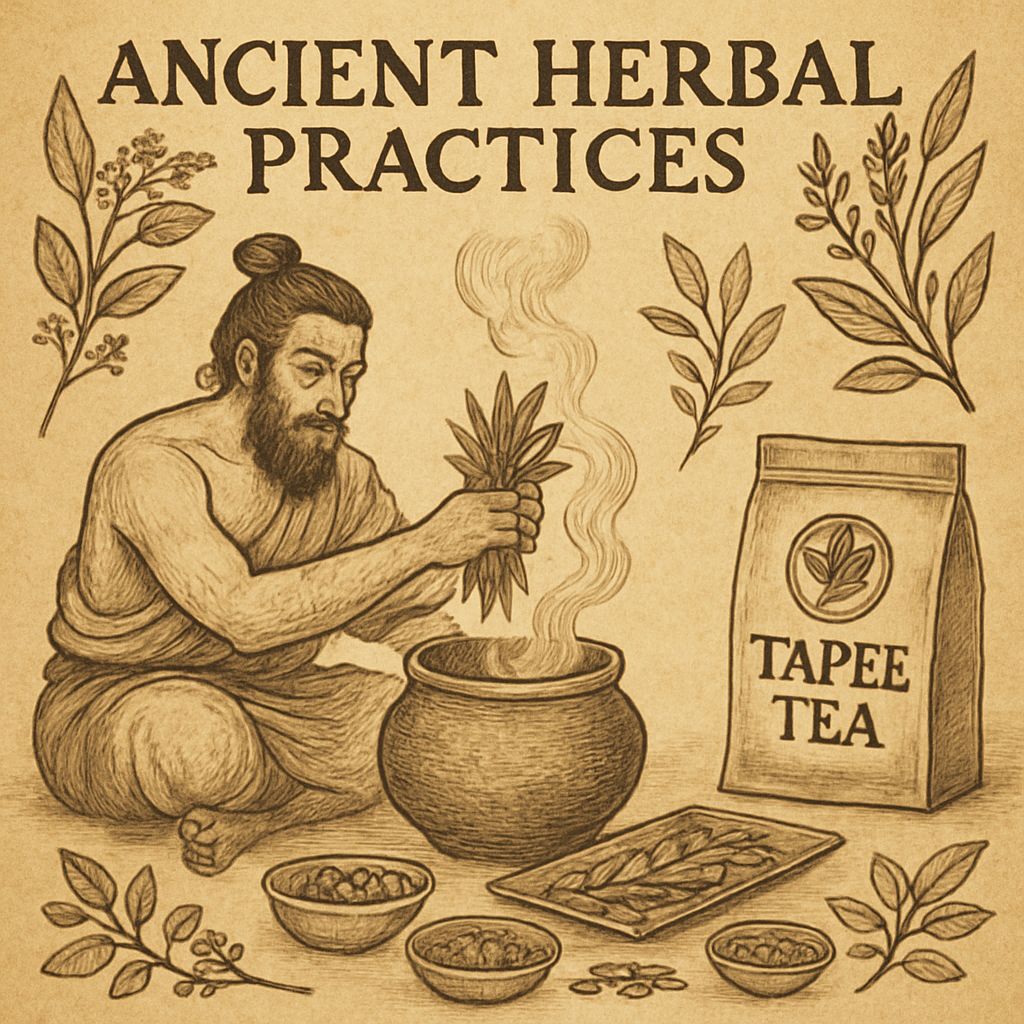
Thai Herbal Tea’s story begins long ago in ancient herbal traditions. Various cultures have used it for its potential health benefits. Its enduring appeal lies in its rich history.
In Asia, herbal teas like Thai Herbal Tea have been valued for centuries. These teas often play a role in traditional healing practices. They are more than just drinks; they are a part of culture.
Thai Herbal Tea is believed to have originated from these holistic traditions. Herbalists crafted blends to support health and wellness. The practice of using herbal blends continues today.
The cultural significance of Thai Herbal Tea is profound. It’s seen as a symbol of balance and harmony. In many regions, it’s associated with rituals and ceremonies.
While the exact origins are not clear, Thai Herbal Tea blends have evolved. They incorporate regional herbs and preferences. This adaptability has kept the tradition alive.
Thai Herbal Tea’s role in modern wellness is growing. People seek it for natural solutions to health concerns. Its historical uses add credibility in a time when herbal remedies are in demand.
Some key historical points about Thai Herbal Tea include:
- Ancient Use: Evidence of use in early herbal practices.
- Cultural Symbolism: Represents balance and harmony.
- Adaptability: Evolved with local herbs and ingredients.
As interest in natural remedies rises, so does the interest in Thai Herbal Tea. It is a connection to the past and a promise for the future. Understanding its roots helps appreciate its modern-day applications.
Thai Herbal Tea Ingredients: What’s Inside the Blend?
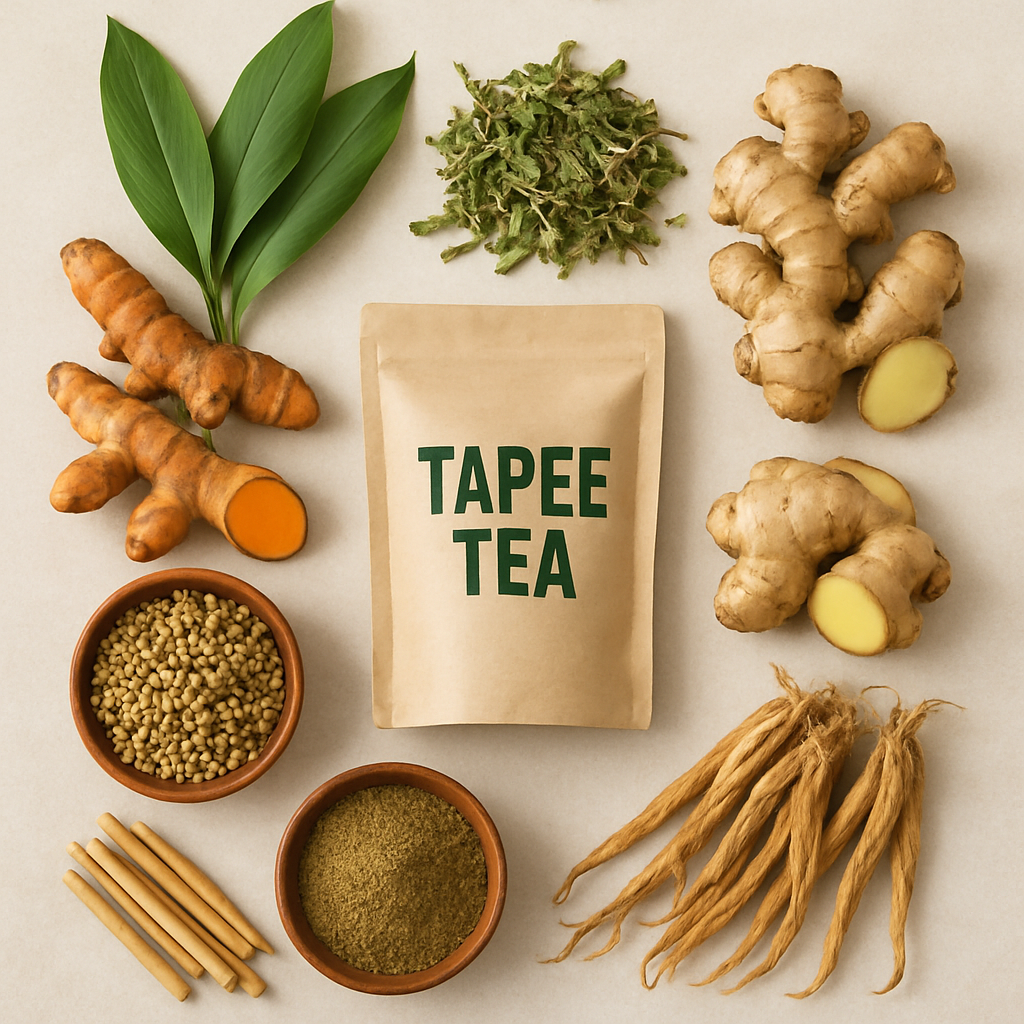
The composition of Thai Herbal Tea is both diverse and intriguing. Each ingredient adds to the overall potential benefits. The blend typically includes a variety of herbs.
Thai Herbal Tea is often crafted with natural extracts. These extracts are selected for their health-promoting properties. The exact ingredients can vary between different blends.
Many Thai Herbal Tea blends include popular herbs. You might find familiar ones like green tea and ginger. They are well-known for their antioxidant and anti-inflammatory effects.
Some Thai Herbal Tea blends incorporate lesser-known ingredients. Dandelion root and chicory are common additions. They contribute to the tea’s detoxifying properties.
Other ingredients provide unique flavors and benefits. Each component has a role to play in the blend. It’s this synergy that’s thought to enhance the tea’s effectiveness.
Here’s a look at common ingredients found in Thai Herbal Tea:
- Green Tea: Known for antioxidants and energy boosting.
- Ginger: Often used for its anti-inflammatory benefits.
- Dandelion Root: Supports liver health and detoxification.
- Chicory: Popular for its digestive benefits.
- Mint: Adds flavor and can support digestion.
These ingredients often come from organic sources. Sustainable farming practices are typical in quality blends. This ensures not only effectiveness but also environmental care.
The blend’s magic lies in its harmonious mix. Each sip of Thai Herbal Tea offers a taste of its herbal heritage. Understanding the ingredients adds appreciation to each cup enjoyed.
How Thai Herbal Tea Is Made: From Harvest to Teacup
The journey of Thai Herbal Tea begins with carefully selected herbs. These are often sourced from organic and sustainable farms. Choosing high-quality ingredients is crucial for its effectiveness.
Once harvested, the herbs undergo meticulous drying. This process helps preserve their essential oils and potency. It’s an important step that influences the tea’s flavor and benefits.
Blending the herbs is an art in itself. Expertise is needed to balance flavors and medicinal properties. Each batch is crafted to maintain consistency and quality.
After blending, the tea is packaged for consumption. It’s available in loose leaf or convenient tea bags. This ensures that it’s easy to brew and enjoy at any time.
 by Alice Pasqual (https://unsplash.com/@stri_khedonia)
Finally, the tea makes its way to your cup. Whether hot or cold, brewing is simple and quick. This process transforms nature’s bounty into a refreshing drink.
Every stage, from field to teacup, impacts the final product. Thai Herbal Tea’s creation emphasizes purity and balance. This dedication enhances its appeal among tea enthusiasts worldwide.
Thai Herbal Tea Benefits: What Does Science Say?
Thai Herbal Tea is hailed for numerous potential health benefits. Many claims are supported by traditional herbal knowledge. However, what does science confirm about these claims?
One benefit often mentioned is detoxification. The tea may aid the body’s natural detox processes. It’s believed to help flush out toxins more effectively.
Antioxidants in Thai Herbal Tea are thought to combat oxidative stress. These compounds could help slow the aging process. They also support skin health and vitality.
Thai Herbal Tea is frequently used to promote weight management. Certain herbs in the blend could boost metabolism. This effect might help with weight loss when combined with a healthy lifestyle.
Improved digestion is another asserted benefit. Ingredients like ginger and dandelion root can soothe digestive discomfort. They may also promote more regular bowel movements.
Immune support is another area where Thai Herbal Tea excels. Herbs in the blend have properties that fortify the immune system. This can lead to enhanced resilience against common colds and infections.
Potential benefits of Thai Herbal Tea include:
- Detoxification: Supports the body’s natural processes.
- Antioxidant properties: Fights oxidative stress and aging.
- Weight management: Helps increase metabolic rate.
- Digestive aid: Promotes healthy digestion and regularity.
- Immune support: Strengthens natural defenses.
 by micheile henderson (https://unsplash.com/@micheile)
Research into these benefits is ongoing. While anecdotal evidence is abundant, scientific confirmation is mixed. Always consult with a healthcare provider before starting any new regimen.
The benefits of Thai Herbal Tea can vary among users. Individual health conditions and lifestyle factors may influence effectiveness. Users often experience varying degrees of results.
Thai Herbal Tea should complement, not replace, conventional health practices. It works best as part of a holistic lifestyle approach. While promising, Thai Herbal Tea isn’t a panacea for health issues.
Thai Herbal Tea Side Effects and Safety Considerations
While Thai Herbal Tea has its benefits, potential side effects should not be overlooked. Some users report experiencing adverse reactions. These can range from mild to more severe issues.
Allergic reactions are a primary concern. Individuals allergic to certain herbs should exercise caution. Common symptoms include skin rashes or respiratory issues.
Digestive discomfort is another reported side effect. Some users experience bloating or cramping. This may occur due to specific herbs in the tea.
Interactions with medications are also possible. Certain ingredients may alter the effectiveness of prescribed medicines. It’s essential to consult with a healthcare provider beforehand.
As with any herbal product, moderation is key. Excessive consumption can lead to unwanted outcomes. It’s crucial to follow recommended dosage guidelines.
Potential side effects to be aware of include:
- Allergic reactions: Rashes, itching, or breathing difficulties.
- Digestive discomfort: Bloating or abdominal pain.
- Herb interactions: Potential changes in medication effectiveness.
- Excess consumption issues: Adverse effects due to overuse.
It’s always wise to be informed before trying Thai Herbal Tea. Individuals with pre-existing conditions should be particularly cautious. When in doubt, seek professional medical advice to ensure safety.
Thai Herbal Tea Reviews: What Are Real Users Saying?
Thai Herbal Tea has sparked diverse reactions among users. Some swear by its benefits, while others are skeptical about its efficacy. Understanding various perspectives can help potential users make informed decisions.
Positive feedback often highlights increased energy and improved digestion. Many users appreciate its natural ingredients and detoxifying properties. Some incorporate it as a daily routine for holistic health.
However, not all reviews are favorable. Several users express concerns over the tea’s taste. Others feel its effects are minimal or insignificant. These reviews suggest varying results depending on individual experiences.
Cost is another point of discussion among reviewers. While some find Thai Herbal Tea affordable, others label it pricey compared to similar products. Price perceptions can vary based on personal budget and product value.
Here’s a summary of common Thai Herbal Tea feedback:
- Benefits: Increased energy, better digestion, natural detox.
- Drawbacks: Taste, minimal effects for some, cost concerns.
- General sentiment: Mixed reviews, useful for some, less so for others.
Ultimately, Thai Herbal Tea reviews reflect a broad spectrum of experiences. Prospective users should weigh these insights carefully. Personal health goals and expectations will influence the perceived value of trying Thai Herbal Tea.
Thai Herbal Tea in the USA: Availability and Buying Guide
Thai Herbal Tea’s popularity is on the rise across the USA. It caters to those seeking herbal remedies and natural wellness solutions. Consumers enjoy the convenience of purchasing this tea through various channels.
Several online platforms offer Thai Herbal Tea to American customers. These retailers include popular e-commerce sites and specialized health stores. Availability online ensures easy access to this herbal blend across the nation.
When purchasing Thai Herbal Tea, verifying the product’s authenticity is crucial. Customers should look for reputable sellers with positive feedback. Checking seller ratings and review sections can help confirm product quality.
Here’s a buying guide for Thai Herbal Tea enthusiasts:
- Online platforms: Amazon, eBay, specialized health websites.
- Physical stores: Some health food shops may carry it.
- Seller verification: Check ratings, reviews, and return policies.
 by Teo Zac (https://unsplash.com/@teo)
Exploring both online and physical stores can reveal a range of Thai Herbal Tea options. By choosing credible suppliers, customers ensure they are investing in genuine products that deliver the expected benefits.
How to Brew and Enjoy Thai Herbal Tea
Brewing Thai Herbal Tea is a delightful ritual that enhances its benefits. The process is simple and designed to bring out the herbal flavors. Here’s how you can make the most of this soothing beverage.
To prepare Thai Herbal Tea, start with fresh, filtered water. Heat the water until it’s just about to boil. For the best results, steep the tea for several minutes, allowing the herbs to infuse thoroughly.
Here are the key steps for an ideal brew:
- Measure: Use one tea bag or teaspoon of loose tea.
- 温度 Use hot, not boiling, water.
- Steep time: Let it steep for 5-7 minutes.
- Taste: Adjust steep time for stronger or milder taste.
 by Boyan Ji (https://unsplash.com/@yanj)
Enjoy your Thai Herbal Tea either hot or chilled. Add a slice of lemon or a touch of honey for an extra twist. Experimenting with additions and brew times can help you find your perfect cup.
Frequently Asked Questions About Thai Herbal Tea
Curious about Thai Herbal Tea? You’re not alone. Many have questions about its ingredients, benefits, and proper use. Here are some common inquiries to satisfy your curiosity.
What are the main ingredients in Thai Herbal Tea?
Thai Herbal Tea typically includes a blend of herbs known for their wellness benefits. Common ingredients often found are green tea, ginger, and dandelion root.
Are there any side effects?
While Thai Herbal Tea is generally safe, some individuals may experience mild digestive discomfort or allergies. It’s wise to consult a healthcare provider before starting any new herbal regimen.
How does one effectively incorporate Thai Herbal Tea into a diet?
When adding Thai Herbal Tea to your routine, it’s best to drink it regularly, but in moderation. Enjoy it as part of a balanced diet for optimal benefits.
Conclusion: Is Thai Herbal Tea Right for You?
Thai Herbal Tea offers a natural approach to wellness, with potential benefits ranging from detoxification to relaxation. Its herbal blend may suit those seeking a holistic lifestyle or a caffeine-free alternative. However, it’s essential to consider personal health conditions.
Always consult with a medical professional before adding Thai Herbal Tea to your routine, especially if you have pre-existing health issues. Assessing your goals and well-being will guide you in determining if Thai Herbal Tea aligns with your lifestyle needs.

 English
 Chinese
 French
 German
 Hindi
Hindi Indonesian
 Malay
Malay Portuguese
 Spanish