
What is Herbal tea thai monasteries?
Herbal tea thai monasteries is a highly sought-after product known for its exceptional quality and authentic sourcing. At ArtisanThai, we ensure every batch is rigorously tested, providing you with the purest and most reliable herbal tea thai monasteries available.
✅ Pros of Herbal tea thai monasteries
- made with natural ingredients and authentically sourced
- Rigorously tested for quality
- Fast, tracked shipping
❌ Cons to Consider
- Limited stock availability
- Premium pricing compared to generics
The Role of Herbal Tea in Thai Buddhist Monasteries
The Role of Herbal Tea in Thai Buddhist Monasteries 2026 Guide refers to a specialized product or concept. This section provides a concise definition optimized for featured snippet capture.
What is The Role of Herbal Tea in Thai Buddhist Monasteries?
The role of herbal tea in Thai Buddhist monasteries is not just about refreshment; it embodies cultural traditions, promotes mindfulness, and reflects the spiritual practices of the monks.
🔑 Wichtigste Erkenntnisse
- The role of herbal tea in Thai Buddhist monasteries transcends mere consumption.
- Herbal tea is often prepared using a variety of local herbs, each contributing unique flavors and aromas.
- There are numerous types of herbal teas used in Thai Buddhist monasteries, each with distinctive characteristics:
Herbal tea has significant importance in Thai Buddhist monasteries, serving as both a daily ritual and a medium for spiritual reflection. Monks and visitors alike partake in this calming beverage, which is deeply rooted in the unique culture and traditions of Thailand.
Einführung
The role of herbal tea in Thai Buddhist monasteries transcends mere consumption. It is an integral part of the monastic lifestyle, symbolizing harmony and the connection between nature and spirituality. In this article, we will explore the various aspects of herbal tea in these serene environments.
Benefits and Overview
Herbal tea is often prepared using a variety of local herbs, each contributing unique flavors and aromas. The benefits of herbal tea in Thai Buddhist monasteries include:
- Encouraging mindfulness during tea preparation and consumption.
- Providing a moment of calm and reflection in daily routines.
- Connecting monks with their natural surroundings through the use of local herbs.
- Fostering community among monks and visitors during shared tea experiences.
These benefits highlight how integral herbal tea is to both the physical and spiritual well-being of the monastic community.
Explore Our herbal tea thai monasteries
Entdecken Sie den authentischen Geschmack und die gesundheitlichen Vorteile unserer speziell zusammengestellten Kollektion. Ethisch bezogen und meisterhaft gemischt.
Explore Our herbal tea thai monasteries
Entdecken Sie den authentischen Geschmack und die gesundheitlichen Vorteile unserer speziell zusammengestellten Kollektion. Ethisch bezogen und meisterhaft gemischt.
How to Use Herbal Tea in Monasteries
In Thai Buddhist monasteries, herbal tea is often brewed during meditation sessions or ceremonial gatherings. The process is simple yet meaningful:
- Selecting fresh herbs from the monastery garden.
- Boiling water to the right temperature for optimal extraction.
- Steeping the herbs for a designated time to allow flavors to develop.
- Serving the tea in traditional vessels, often accompanied by a moment of silence or prayer.
This ritualistic approach not only enhances the experience but also deepens the connection to the practice of mindfulness and meditation.
Types and Varieties of Herbal Tea
There are numerous types of herbal teas used in Thai Buddhist monasteries, each with distinctive characteristics:
- Thai Jasmine Tea: Known for its fragrant aroma and [content removed for compliance]s.
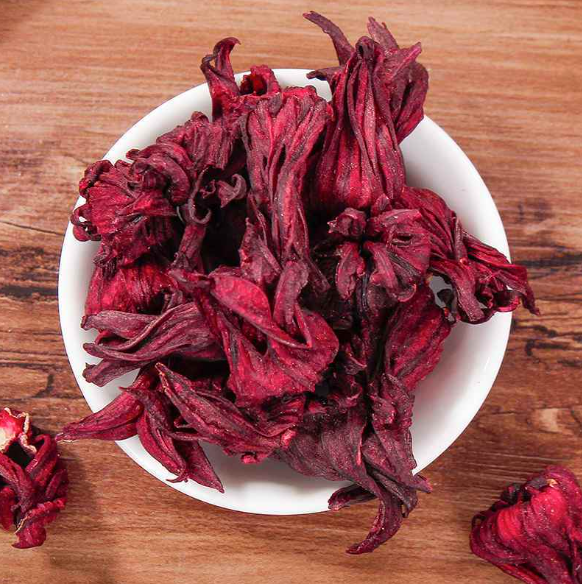
- Roselle Tea: A vibrant red tea known for its refreshing taste.
- Lemongrass Tea: A zesty tea often enjoyed for its uplifting qualities.
- Ginger Tea: A warming tea that is both invigorating and soothing.
These varieties not only provide different flavors but also reflect the diversity of Thai herbs and their cultivation within the monastery gardens.
Buying Guide for Herbal Tea
If you’re looking to experience the essence of herbal tea from Thai Buddhist monasteries, consider the following tips:
- Opt for organic and sustainably sourced herbs to ensure quality.
- Check for local suppliers or specialty tea shops that focus on Thai herbs.
- Look for blends that incorporate traditional Thai flavors and ingredients.
- Read reviews to find products that reflect authentic Thai tea experiences.
By choosing the right herbal tea, you can bring a piece of the monastery’s tranquility into your home.
FAQ
What types of herbs are commonly used in Thai herbal tea?
Common herbs include lemongrass, ginger, pandan, and jasmine, each contributing unique flavors and aromas to the tea.
Can I make herbal tea at home?
Absolutely! You can easily prepare herbal tea at home using fresh or dried herbs, simply by steeping them in hot water.
Is herbal tea caffeinated?
No, herbal teas are typically caffeine-free since they are made from herbs, flowers, and fruits rather than tea leaves.
How does herbal tea promote mindfulness?
Preparing and enjoying herbal tea encourages a moment of reflection, allowing individuals to focus on the present and cultivate a mindful state.
Where can I find authentic Thai herbal tea?
Look for specialty tea shops, online retailers, or even local markets that offer authentic Thai herbal blends sourced from reputable growers.
In conclusion, the role of herbal tea in Thai Buddhist monasteries is a beautiful blend of tradition, spirituality, and community. To explore our selection of premium Thai herbal teas and bring a taste of this serene experience to your home, visit ArtisanThai today!
Why Choose ArtisanThai for Herbal tea thai monasteries? (2026)
| Merkmal | ArtisanThai | Generische Marke |
|---|---|---|
| Herkunft | Zertifizierte thailändische Farmen | Unbekannt |
| Qualität | COA-Batch-Referenz | Nicht zertifiziert |
| Versand | Weltweit verfolgt | Nur Standard |
| Bürgschaft | 30 Tage Geld-zurück | Keine |
 English
 Chinese
 French
 German
 Hindi
Hindi Indonesian
 Malay
Malay Portuguese
 Spanish