Unveiling the Truth: Thai Herbal Tea vs. Regular Tea – The Ultimate Health Showdown You Need to Read!
Authored by Anya Sharma, Certified Herbal Wellness Expert at ArtisanThai.com
In a world constantly seeking natural pathways to wellness, tea stands as a timeless elixir, cherished across cultures for its comforting warmth and profound health benefits. From bustling city cafes to serene mountain monasteries, tea is more than just a beverage; it’s a ritual, a moment of pause, and a potent source of vitality. While traditional teas derived from the Camellia sinensis plant have long dominated the global market, a vibrant contender has emerged from the heart of Southeast Asia: Thai herbal tea. This unique category, steeped in centuries of traditional wisdom, offers a distinct profile of ingredients, flavors, and therapeutic properties that set it apart.
Are you curious about which brew truly reigns supreme for your health goals? This comprehensive guide is designed to empower you with an in-depth understanding of both Thai herbal tea and regular tea. We will meticulously compare their origins, diverse ingredients, crucial caffeine levels, and the science-backed health benefits each offers. By exploring potential side effects, key considerations, and how to align your tea choice with your personal wellness journey, you’ll gain the clarity needed to make an informed decision. Prepare to embark on a fascinating exploration that will transform your daily tea ritual into a powerful step towards optimal health and well-being.
Thai Herbal Tea vs. Regular Tea: Unveiling Their Core Differences and Unique Origins
The fundamental distinction between Thai herbal tea and regular tea lies in their botanical origins and cultural heritage. Regular teas, encompassing popular varieties like black, green, oolong, white, and pu-erh, all originate from the leaves of the Camellia sinensis plant. Their diverse characteristics stem from varying processing methods and oxidation levels. In stark contrast, Thai herbal teas are not true teas in the botanical sense; they are tisanes, crafted from an intricate blend of organic herbs, spices, fruits, and flowers, each selected for its specific health-promoting properties and traditional uses within Thai culture. This difference in composition leads to vastly different flavor profiles, chemical compounds, and therapeutic effects.
The Ancient Wisdom: Key Ingredients and Traditional Uses of Thai Herbal Tea
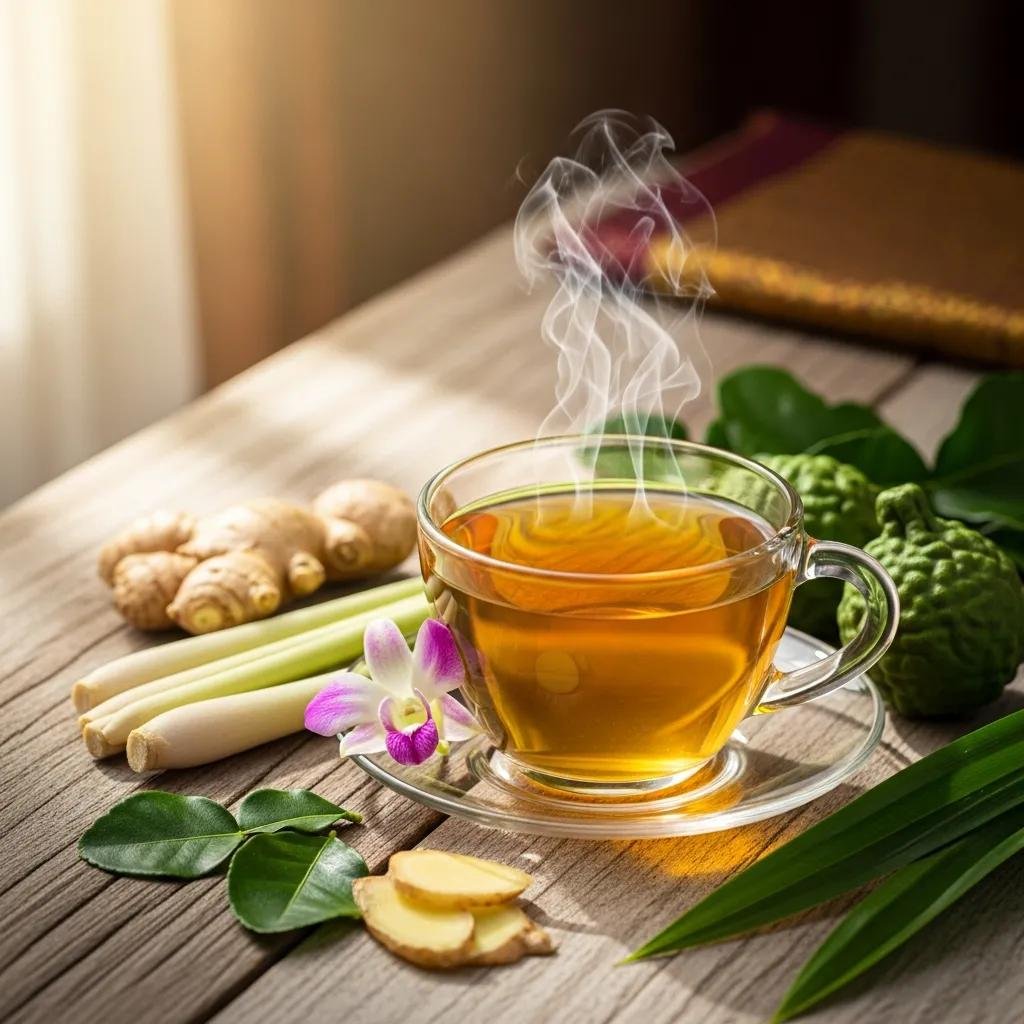
Thai herbal tea is a testament to the rich ethnobotanical knowledge passed down through generations. These blends typically feature a symphony of organic herbs such as lemongrass, ginger, pandan leaves, butterfly pea flower, roselle, and bael fruit, among others. Each ingredient is a powerhouse of natural compounds, traditionally revered for its specific contributions to holistic wellness.
- Lemongrass (Cymbopogon citratus): Widely used for its refreshing citrusy aroma, lemongrass is celebrated for its anti-inflammatory, antimicrobial, and antioxidant properties. It’s often consumed to aid digestion, alleviate bloating, and promote relaxation.
- Ginger (Zingiber officinale): A potent rhizome, ginger is a staple in traditional medicine for its ability to soothe nausea, reduce inflammation, and support immune function. Its warming properties make it a popular choice during colder months or for digestive discomfort.
- Pandan Leaves (Pandanus amaryllifolius): Known for their unique, sweet, and nutty aroma, pandan leaves are often used to calm the nervous system, reduce stress, and provide a subtle, pleasant flavor. They are also believed to have detoxifying properties.
- Butterfly Pea Flower (Clitoria ternatea): This vibrant blue flower is not only visually stunning but also rich in anthocyanins, powerful antioxidants that may support brain health, improve eyesight, and promote healthy skin and hair. Its color-changing properties (turning purple with a squeeze of lemon) add to its allure.
- Roselle (Hibiscus sabdariffa): Offering a tart, cranberry-like flavor, roselle is packed with vitamin C and antioxidants. It’s traditionally used to support cardiovascular health, lower blood pressure, and act as a mild diuretic.
These teas are traditionally consumed not only for their refreshing taste but also for their ability to promote relaxation, support overall health, and address specific ailments. Research further supports the traditional uses of these herbs, highlighting the specific benefits of ingredients like lemongrass, as evidenced by studies on its anti-inflammatory effects.
Lemongrass Essential Oil: Traditional Uses & Anti-inflammatory Effects
Volatile oils obtained from lemon grass [Cymbopogon citratus(DC.) Stapf, Poaceae family] are used in traditional medicine as remedies for the treatment of various diseases.Aims: In the present study, lemon grass essential oil (LGEO) was evaluated for itsin vivotopical and oral antiinflammatory effects, and for itsin vitroantifungal activity using both liquid and vapor phases.
Lemon grass (Cymbopogon citratus) essential oil as a potent anti-inflammatory and antifungal drugs, MN Boukhatem, 2014
From Leaf to Cup: Understanding the Processing and Characteristics of Regular Teas
Regular teas, all originating from the Camellia sinensis plant, are categorized by their processing methods, which dictate their flavor, aroma, and chemical composition. The level of oxidation is the primary factor differentiating them: oolong jasmine rice tea.
- Green Tea: Minimally oxidized, green tea leaves are typically steamed or pan-fired shortly after harvesting to prevent oxidation. This process preserves their vibrant green color and high concentration of catechins, particularly epigallocatechin gallate (EGCG), a powerful antioxidant. Green tea often has a fresh, grassy, or sometimes nutty flavor.
- Black Tea: Fully oxidized, black tea leaves are withered, rolled, and then exposed to air to allow enzymes to react with oxygen. This extensive oxidation process gives black tea its characteristic dark color, robust flavor, and higher caffeine content. Popular varieties include Assam, Darjeeling, and Earl Grey.
- Oolong Tea: Partially oxidized, oolong tea falls between green and black tea in terms of processing. The oxidation level can vary significantly, resulting in a wide spectrum of flavors, from light and floral to dark and malty.
- White Tea: The least processed of all true teas, white tea consists of young tea leaves and buds that are minimally withered and dried. This gentle processing preserves delicate flavors and a high concentration of antioxidants.
- Pu-erh Tea: A unique fermented tea, pu-erh undergoes microbial fermentation, which can occur naturally over time (raw pu-erh) or be accelerated (ripe pu-erh). This fermentation process gives pu-erh its distinctive earthy flavor and potential digestive benefits.
The processing methods significantly influence the health benefits associated with these teas, particularly their antioxidant properties, L-theanine content (an amino acid known for promoting relaxation without drowsiness), and caffeine levels. Understanding these nuances is key to appreciating the diverse world of regular teas.
Caffeine Showdown: Thai Herbal Tea’s Calm vs. Regular Tea’s Kick
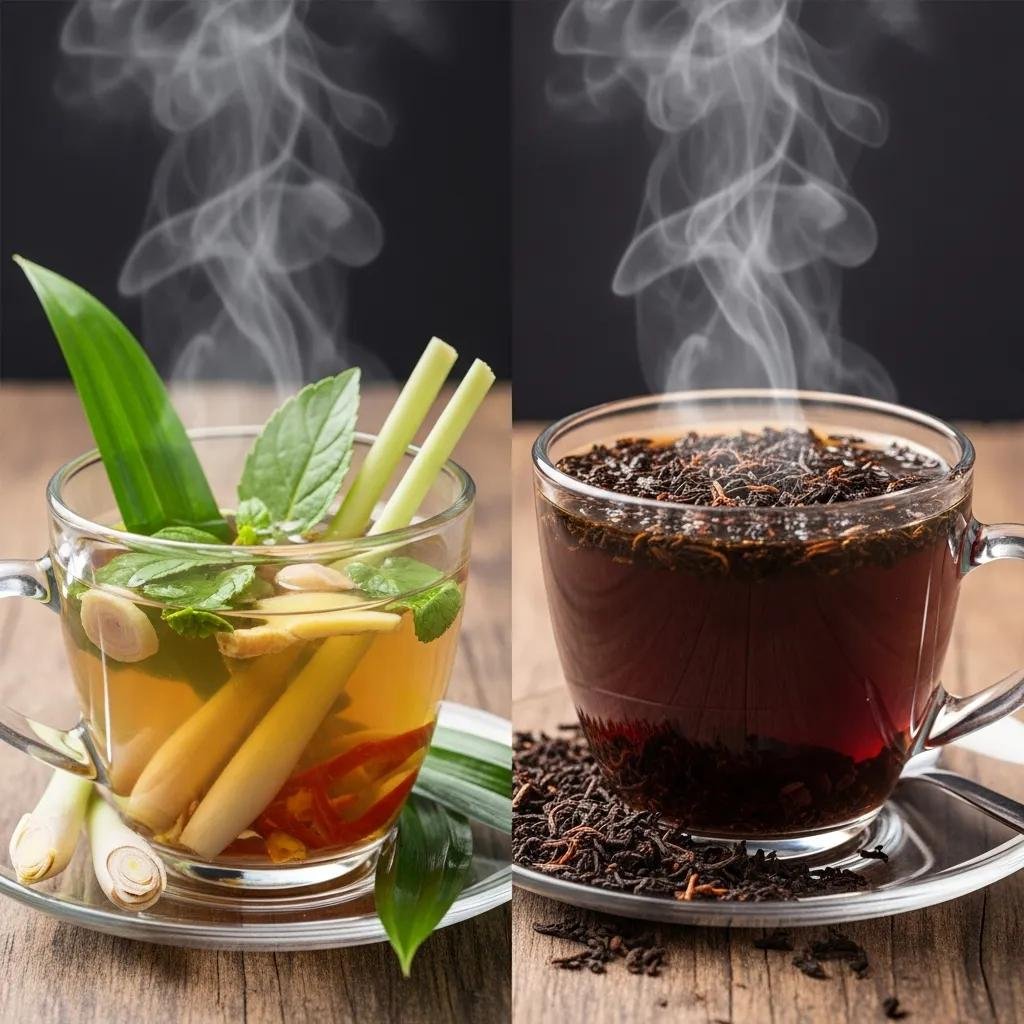
For many, caffeine content is a decisive factor when choosing a beverage. This is where Thai herbal tea and regular tea diverge dramatically, offering distinct experiences for different needs and sensitivities. Regular teas, being derived from Camellia sinensis, naturally contain varying levels of caffeine, a stimulant that can impact the body and mind in numerous ways. In stark contrast, the vast majority of Thai herbal teas are naturally caffeine-free, making them an ideal choice for those seeking a soothing, stimulant-free alternative.
The Double-Edged Sword: Unpacking Caffeine’s Impact on Your Health
Caffeine, a central nervous system stimulant, is widely consumed for its ability to boost alertness and combat fatigue. In regular teas, the caffeine content can range significantly: FAQs
- Black Tea: Typically contains 40-70 mg of caffeine per 8-ounce cup.
- Green Tea: Generally has 20-45 mg of caffeine per 8-ounce cup.
- Oolong Tea: Falls in between, with 30-50 mg per 8-ounce cup.
- White Tea: Usually has the lowest caffeine content among true teas, around 15-30 mg per 8-ounce cup.
Moderate caffeine consumption (up to 400 mg per day for most healthy adults, according to the FDA) can offer several benefits. It can enhance alertness, improve cognitive function, boost mood, and even improve physical performance. Caffeine works by blocking adenosine, a neurotransmitter that promotes relaxation and sleepiness, thereby increasing the activity of other stimulating neurotransmitters like dopamine and norepinephrine. For more information about caffeine related products, check out the best time to drink tapee tea benefits how to prepare it.
However, the impact of caffeine is highly individual. Excessive intake or sensitivity can lead to a range of undesirable effects, including:blog
- Jitteriness and anxiety
- Insomnia and disrupted sleep patterns
- Increased heart rate and blood pressure
- Digestive upset, such as acid reflux or diarrhea
- Headaches and withdrawal symptoms if consumption is suddenly stopped
Understanding your personal caffeine tolerance is crucial for harnessing its benefits without experiencing its drawbacks. For those who are sensitive or wish to reduce their stimulant intake, the search for a satisfying, healthy alternative becomes paramount.
Embrace Serenity: The Benefits of Thai Herbal Tea’s Natural Caffeine-Free Profile
Thai herbal tea offers a refreshing sanctuary for those looking to avoid caffeine. Because these blends are crafted from herbs, spices, and flowers rather than tea leaves, they are inherently free of caffeine. This absence of stimulants provides a unique set of advantages, making Thai herbal tea an excellent choice for various lifestyles and health goals:
- Improved Sleep Quality: Without caffeine interfering with adenosine receptors, Thai herbal teas can be enjoyed in the evening without disrupting sleep cycles, promoting deeper and more restorative rest.
- Reduced Anxiety and Stress: Many herbs commonly found in Thai blends, such as lemongrass and pandan, possess natural calming properties that can help soothe the nervous system, reduce feelings of anxiety, and promote a sense of tranquility.
- Hydration Without Stimulation: For individuals seeking to increase their fluid intake without the stimulating effects of caffeine, herbal teas provide a flavorful and beneficial option.
- Suitable for All Ages: Being caffeine-free makes Thai herbal teas a safer and more appropriate beverage choice for children and pregnant or breastfeeding women, provided the specific herbs are safe for these groups.
- No Withdrawal Symptoms: Unlike regular teas, discontinuing Thai herbal tea consumption does not lead to caffeine withdrawal symptoms, offering a smooth and gentle experience.
The calming properties of the herbs used in Thai herbal tea can promote relaxation and overall well-being, making it a perfect companion for unwinding after a long day or for those seeking a gentle, natural way to support their mental and physical health without the “kick” of caffeine.
Beyond the Brew: A Deep Dive into the Health Benefits of Both Tea Types
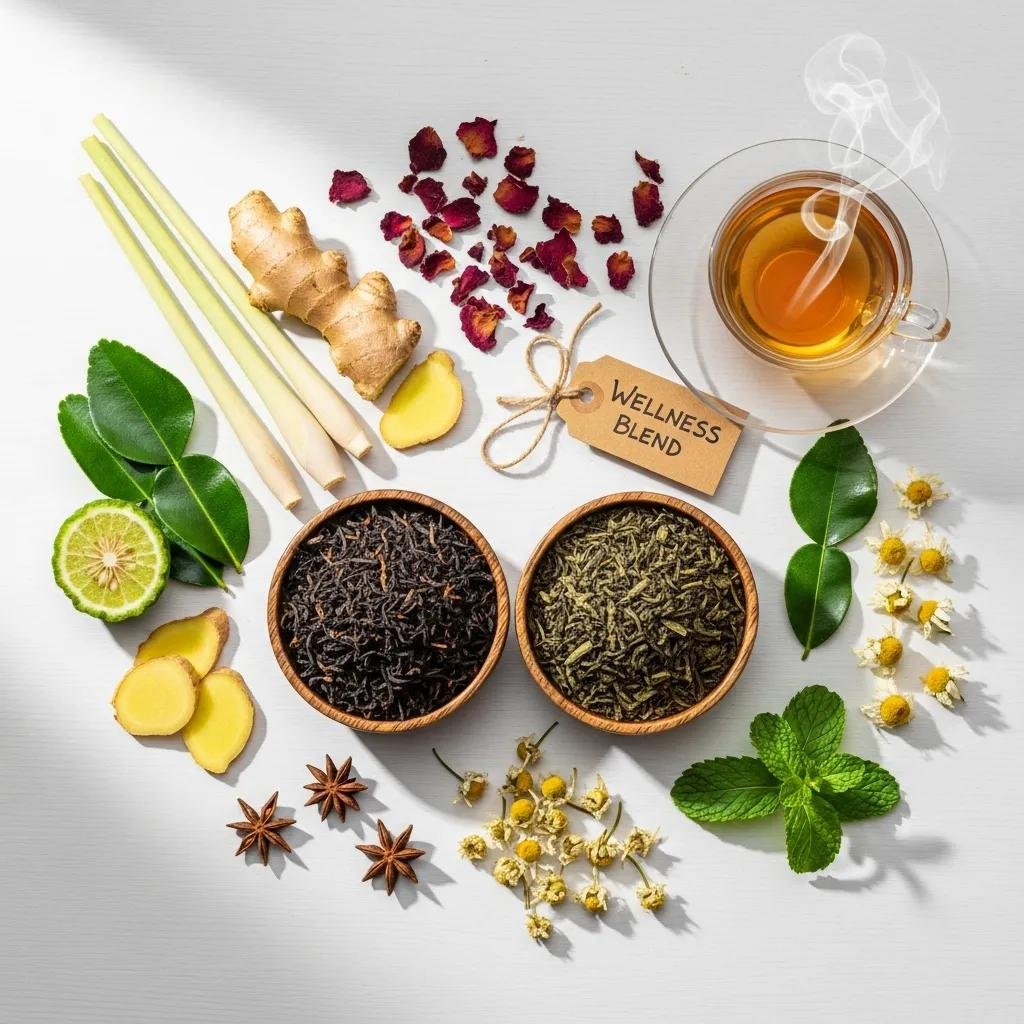
When comparing the health benefits of Thai herbal tea and regular tea, it’s essential to appreciate the unique biochemical profiles and traditional applications of each. While both offer significant advantages, they achieve their therapeutic effects through different mechanisms, targeting distinct aspects of health and wellness. Thai herbal tea is often praised for its ability to support digestion, joint comfort, and relaxation, while regular teas like black and green tea are renowned for their potent antioxidant and metabolic benefits.
Beyond specific applications, the broader scientific community recognizes the significant metabolic and antioxidant potential of various herbal medicines, underscoring the value of both traditional and modern approaches to health.
Herbal Medicines: Metabolic & Antioxidant Health Benefits
Herbal medicines have been currently suggested as an alternative source of potentially useful antihyperglycemic, antihyperlipidemic, antioxidant activities. The objective of this study was to assess the in vitro inhibitory effects of eleven herbal medicines on carbohydrate and lipid digestive enzymes and the key steps of lipid digestion including the inhibition of micelle formation and the ability to bind bile acid.
The inhibitory activity of herbal medicines on the keys enzymes and steps related to carbohydrate and lipid digestion, W Sompong, 2016
Holistic Harmony: How Thai Herbal Tea Nurtures Joint Comfort, Digestion, and Relaxation
Thai herbal tea blends are meticulously crafted from a combination of organic Thai herbs and spices, traditionally valued for promoting natural comfort and overall well-being. These ingredients work synergistically to offer a range of holistic benefits: tapee tea
- Joint Comfort and Anti-inflammatory Support: Many herbs found in Thai blends, such as ginger and turmeric (often included in broader Thai herbal traditions), are rich in compounds like gingerols and curcuminoids, respectively. These compounds are well-documented for their powerful anti-inflammatory properties, which can help alleviate discomfort associated with joint stiffness and muscle soreness. For instance, Tapee Tea, a signature blend, is specifically formulated with 15 organic Thai herbs and spices known for their traditional use in supporting joint health and mobility.
- Enhanced Digestion: Herbs like lemongrass and ginger are renowned digestive aids. Lemongrass can help soothe an upset stomach and reduce bloating, while ginger stimulates digestive enzymes and can relieve nausea. Pandan leaves also contribute to a healthy gut by promoting relaxation, which in turn supports optimal digestive function. The traditional knowledge of Thai medicinal plants, particularly for digestive health, is well-documented and continues to be a valuable resource.
- Profound Relaxation and Stress Reduction: The absence of caffeine combined with the inherent calming properties of herbs like pandan and lemongrass makes Thai herbal tea an excellent choice for promoting relaxation. These herbs can help reduce stress, ease tension, and prepare the body for restful sleep. The aromatic compounds released during brewing also contribute to a sensory experience that fosters tranquility and mental peace.
- Immune System Support: Many Thai herbs, including ginger and roselle, are rich in vitamins and antioxidants that bolster the immune system, helping the body ward off infections and maintain overall resilience.
Ethnobotanical studies, such as those focusing on the Karen people of northern Thailand, consistently highlight the extensive use of medicinal plants for digestive system disorders, reinforcing the scientific basis for these traditional practices.
Traditional Thai Medicinal Plants for Digestive Disorders
Karen people in Thailand still use medicinal plants as first aid remedies in treating these diseases. Therefore, this study aimed at documenting the plants used to cure and prevent different types of digestive system disorders by Karen people of Chiang Mai Province, northern Thailand.
Ethnomedicinal plants used for digestive system disorders by the Karen of northern Thailand, 2015
The Powerhouses: Unlocking the Antioxidant and Metabolic Wonders of Black and Green Teas
Regular teas, particularly black and green varieties, are celebrated globally for their robust health benefits, primarily driven by their rich content of polyphenols, flavonoids, and catechins. These powerful antioxidants play a crucial role in combating oxidative stress and inflammation, which are underlying factors in many chronic diseases.
- Antioxidant Powerhouse: Green tea is exceptionally rich in catechins, especially epigallocatechin gallate (EGCG), which is a potent antioxidant. EGCG has been extensively studied for its ability to neutralize free radicals, protect cells from damage, and potentially reduce the risk of certain cancers and neurodegenerative diseases. Black tea, while having fewer catechins due to oxidation, contains unique flavonoids like theaflavins and thearubigins, which also possess significant antioxidant and anti-inflammatory properties.
- Cardiovascular Health: Regular consumption of both green and black tea has been linked to improved heart health. Studies suggest that the antioxidants in tea can help lower LDL (bad) cholesterol levels, improve blood vessel function, and reduce the risk of heart disease and stroke.
- Metabolic Boost and Weight Management: Green tea, in particular, is often associated with weight management. EGCG and caffeine in green tea can work synergistically to boost metabolism and increase fat oxidation, helping the body burn more calories. While not a magic bullet, incorporating green tea into a healthy lifestyle can support weight loss efforts.
- Brain Function and Cognitive Health: Beyond caffeine, green tea contains L-theanine, an amino acid that can cross the blood-brain barrier. L-theanine promotes alpha brain wave activity, leading to a state of relaxed alertness, improved focus, and enhanced cognitive function without the jitters often associated with coffee. This unique combination makes green tea a popular choice for mental clarity.
- Blood Sugar Regulation: Some research indicates that polyphenols in green tea may help improve insulin sensitivity and reduce blood sugar levels, potentially lowering the risk of type 2 diabetes.
Health experts often recommend incorporating 2-3 cups of green or black tea daily to harness these profound benefits. The consistent scientific backing for these claims solidifies regular tea’s position as a valuable component of a health-conscious diet.
Navigating Your Brew: Potential Side Effects and Crucial Considerations for Both Teas
While both Thai herbal tea and regular tea offer numerous health benefits, it’s crucial to approach their consumption with awareness of potential side effects and important considerations. Understanding these factors can help you make an informed and safe choice about which tea is best time suited for your individual health profile and lifestyle.
Listen to Your Body: Caffeine Sensitivity and Your Ideal Tea Choice
Caffeine sensitivity varies widely among individuals, influenced by genetics, metabolism, and overall health. For those with high caffeine sensitivity, even the moderate amounts found in green or white tea can trigger adverse reactions. Symptoms of caffeine sensitivity or excessive intake include:
- Jitteriness, nervousness, or anxiety
- Difficulty falling asleep or staying asleep (insomnia)
- Rapid heart rate or palpitations
- Stomach upset, nausea, or acid reflux
- Headaches or migraines
For these individuals, regular tea, especially black tea with its higher caffeine content, may not be the best choice. Thai herbal tea provides a naturally caffeine-free alternative that allows them to enjoy the comforting ritual and health benefits of tea without the associated risks of caffeine consumption. Opting for herbal blends can help maintain a calm demeanor, support healthy sleep patterns, and avoid digestive discomfort, ensuring a more pleasant and beneficial experience. Thai herbal tea.
Sweeteners, Supplements, and Safety: Avoiding Risks and Interactions
Beyond caffeine, there are other important considerations for both types of tea:
- Added Sugars and Artificial Sweeteners: It’s essential to be mindful of any sweeteners you add to your tea. Excessive sugar intake can negate many of the health benefits of tea, contributing to weight gain, increased risk of type 2 diabetes, and other metabolic issues. Artificial sweeteners, while calorie-free, also have their own set of potential health concerns and may alter gut microbiome balance. Opting for unsweetened tea or using natural, low-glycemic sweeteners in moderation (like a touch of honey or stevia) is advisable.
- Medication Interactions: Some herbal ingredients in Thai teas, as well as compounds in regular teas, can interact with medications. For example: Ginger (common in Thai herbal tea) can have blood-thinning effects and may interact with anticoagulant medications like warfarin.Roselle (common in Thai herbal tea) may lower blood pressure and could interact with antihypertensive drugs.Green tea contains vitamin K, which can interfere with blood thinners. Its high tannin content can also inhibit the absorption of certain medications and iron supplements.Always consult with a healthcare professional or pharmacist if you are taking prescription medications or have underlying health conditions before regularly consuming new herbal teas or significantly increasing your intake of regular teas.
- Allergic Reactions: While rare, individuals can be allergic to specific herbs or plant compounds found in either type of tea. If you experience any unusual symptoms after drinking tea, discontinue use and seek medical advice.
- Pesticides and Contaminants: The quality of tea leaves and herbs can vary. Non-organic teas may contain pesticide residues. Choosing organic, reputable brands for both regular and Thai herbal teas can help minimize exposure to unwanted chemicals and ensure a purer, healthier brew.
- Pregnancy and Breastfeeding: Certain herbs are not recommended during pregnancy or breastfeeding. Always consult a doctor before consuming herbal teas if you are pregnant or nursing.
Being informed about these potential risks and considerations allows you to enjoy the many benefits of tea safely and responsibly, integrating it thoughtfully into your overall health regimen.
Your Personalized Brew: Choosing the Healthiest Tea for Your Wellness Journey
Choosing the healthiest tea isn’t a one-size-fits-all decision; it depends entirely on your individual wellness goals, dietary preferences, and physiological responses. Whether you seek profound relaxation, support for weight management, a boost to your immune system, or simply a delicious, healthy beverage, understanding the unique strengths of each tea type can guide your decision towards the perfect brew.
Tailoring Your Tea: Best Choices for Relaxation, Weight Management, and Immune Support
Let’s break down which tea might be your best ally for specific health objectives:
- For Relaxation and Stress Relief: If your primary goal is to unwind, reduce stress, and promote restful sleep, Thai herbal tea is an unparalleled choice. Its naturally caffeine-free profile, combined with the calming properties of herbs like pandan, lemongrass, and ginger, makes it ideal for evening consumption or moments when you need to de-stress without stimulation. The aromatic experience itself contributes to a sense of tranquility.
- For Weight Management and Metabolic Boost: When weight management is a priority, regular green tea often takes the spotlight. Its high concentration of EGCG and moderate caffeine content work synergistically to boost metabolism, increase fat oxidation, and support healthy blood sugar levels. While not a magic solution, incorporating green tea into a balanced diet and active lifestyle can significantly aid your efforts. Black tea also offers metabolic benefits, though typically to a lesser extent than green tea.
- For Immune System Support: Both types of tea can be beneficial for immune support, but they offer different advantages. Thai herbal tea, with its diverse blend of organic herbs like ginger, roselle, and lemongrass, provides a broad spectrum of vitamins, minerals, and antioxidants that can bolster the body’s natural defenses. These herbs are traditionally used to fight off colds and flu. Regular teas, particularly green and black tea, are rich in powerful antioxidants (catechins, theaflavins) that combat oxidative stress, which can weaken the immune system. For a comprehensive approach, alternating between both types can provide a wide array of immune-boosting compounds.
- For Digestive Health: Thai herbal teas, especially those with ginger and lemongrass, are excellent for soothing digestive upset, reducing bloating, and promoting healthy gut function. Regular teas, particularly fermented ones like Pu-erh, also offer digestive benefits.
- For Heart Health: Regular teas (green and black) are strongly linked to cardiovascular benefits due to their flavonoid and polyphenol content, which can improve cholesterol levels and blood vessel function.
Ultimately, the “healthiest” tea is the one that aligns best with your body’s needs, your personal preferences, and your overall wellness strategy. Experimentation and mindful listening to your body’s responses are key.
The ArtisanThai.com Promise: Ensuring Authenticity and Premium Quality in Every Sip
When choosing Thai herbal teas, authenticity and quality are paramount to ensure you receive the full spectrum of traditional benefits. ArtisanThai.com stands as a beacon of trust in this regard. As an authorized online seller of authentic Thai handicrafts and premium Thai tea products, operating since 2022, the company is dedicated to connecting global customers with genuine Thai artisan goods and herbal wellness products.
A core offering is Tapee Tea, a signature herbal wellness blend crafted from 15 organic Thai herbs and spices, traditionally valued for promoting natural comfort and overall well-being. ArtisanThai.com ensures the authenticity and quality of its products by:
- Sourcing from Trusted Producers: Collaborating directly with local Thai farmers and artisans who adhere to traditional cultivation and harvesting practices.
- Maintaining High Standards: Implementing rigorous quality control measures to ensure that all herbs and spices are organic, pure, and free from contaminants.
- Transparency: Providing detailed information about the ingredients and traditional uses of their blends, empowering customers with knowledge.
- Commitment to Heritage: Supporting the preservation of Thai traditional medicine and craftsmanship, ensuring that the cultural significance of these teas is honored.
By choosing ArtisanThai.com, you are not only investing in your health but also supporting ethical sourcing and the rich heritage of Thai wellness traditions. This commitment to excellence ensures that every sip delivers the authentic taste and therapeutic benefits you expect from premium Thai herbal teas.
| Tea Type | Key Ingredients | Primary Health Benefits | Caffeine Content | Best For |
|---|---|---|---|---|
| Thai Herbal Tea | Organic herbs (lemongrass, ginger, pandan, butterfly pea, roselle) | Supports digestion, joint comfort, relaxation, immune support, stress reduction | Caffeine-free | Relaxation, sleep, caffeine sensitivity, digestive aid, holistic wellness |
| Black Tea | Camellia sinensis (fully oxidized) | Antioxidant-rich, boosts metabolism, cardiovascular health, alertness | Moderate (40-70 mg/cup) | Morning energy, cognitive boost, heart health, robust flavor preference |
| Green Tea | Camellia sinensis (minimally oxidized) | High in catechins (EGCG), supports weight management, brain function, antioxidant power, blood sugar regulation | Low to moderate (20-45 mg/cup) | Weight management, focus, antioxidant intake, heart health |
| Oolong Tea | Camellia sinensis (partially oxidized) | Antioxidant benefits, metabolic support, cholesterol reduction, unique flavor profiles | Low to moderate (30-50 mg/cup) | Balanced energy, diverse flavor exploration, metabolic health |
| White Tea | Camellia sinensis (least processed) | Highest antioxidant content, delicate flavor, skin health, immune support | Very low (15-30 mg/cup) | Gentle antioxidant boost, delicate taste preference, sensitive individuals |
This comprehensive comparison highlights the distinct characteristics and benefits of each tea type, helping you make an informed choice based on your health needs and personal preferences.
Frequently Asked Questions About Thai Herbal Tea and Regular Tea
Is Thai herbal tea safe for daily consumption?
Generally, yes, most Thai herbal teas are safe for daily consumption, especially if they are caffeine-free and made from common culinary herbs like lemongrass and ginger. However, it’s always wise to check the specific ingredients, especially if you have allergies or are taking medications. If you are pregnant, breastfeeding, or have underlying health conditions, consult your healthcare provider before regular consumption of any new herbal blend.
Can Thai herbal tea help with sleep?
Absolutely. Many Thai herbal teas are specifically chosen for their calming and sedative properties. Ingredients like pandan leaves and certain floral components can help relax the nervous system, reduce anxiety, and promote a sense of tranquility, making them excellent choices for evening consumption to support restful sleep.
What’s the best time to drink green tea for weight loss?
For weight loss benefits, many experts suggest drinking green tea in the morning or before a workout. The combination of caffeine and EGCG can boost metabolism and fat oxidation, making it more effective when your body is active. Avoid drinking it too close to bedtime due to its caffeine content, which can interfere with sleep.
Are there any specific types of regular tea to avoid?
While most regular teas are beneficial, individuals with certain conditions might need to be cautious. Those sensitive to caffeine should limit black and some oolong teas. People with iron deficiency might want to avoid drinking tea with meals, as tannins can inhibit iron absorption. Always choose high-quality, reputable brands to avoid teas with potential pesticide residues or contaminants.
How do I know if a Thai herbal tea is authentic and high quality?
To ensure authenticity and quality, look for teas from reputable sellers who specify their sourcing, ideally from organic farms in Thailand. Check for clear ingredient lists, certifications (if available), and positive customer reviews. Brands like ArtisanThai.com are committed to ethical sourcing and quality control, providing transparency about their products.
Can children drink these teas?
Caffeine-free Thai herbal teas are generally safe for children in moderation, especially those made from mild herbs like pandan or lemongrass. However, always introduce new beverages cautiously and in small amounts. Regular teas, due to their caffeine content, should be given to children sparingly, if at all, and in very small portions. Consult a pediatrician for personalized advice.
What’s the difference between herbal tea and tisane?
The terms “herbal tea” and “tisane” are often used interchangeably. Technically, “tea” refers specifically to beverages made from the leaves of the Camellia sinensis plant (black, green, oolong, white, pu-erh). A “tisane” is an infusion made from any other plant material—herbs, spices, fruits, or flowers. So, while Thai herbal tea is commonly called “tea,” it is botanically a tisane.
In conclusion, both Thai herbal tea and regular tea offer unique and compelling health benefits, each with its distinct characteristics and applications. By understanding the fundamental differences in their ingredients, the presence or absence of caffeine, and their specific therapeutic properties, you are now equipped to make an informed choice that truly aligns with your personal wellness goals. Whether you gravitate towards the profound calming effects and holistic support of a caffeine-free Thai herbal blend, or the invigorating antioxidant power and metabolic boost of a traditional green or black tea, incorporating either into your daily routine can be a powerful step towards enhanced health and vitality. Embrace the journey of discovery, listen to your body, and savor every mindful sip as you cultivate a healthier, more balanced lifestyle.
Conclusion
Both Thai herbal tea and regular tea present unique health benefits, catering to diverse wellness needs. Understanding their distinct properties empowers you to choose the brew that aligns with your lifestyle and health goals. Whether you seek the calming effects of herbal blends or the invigorating properties of traditional teas, each sip can enhance your journey towards well-being. Explore our premium selection today to find the perfect tea for your needs.