
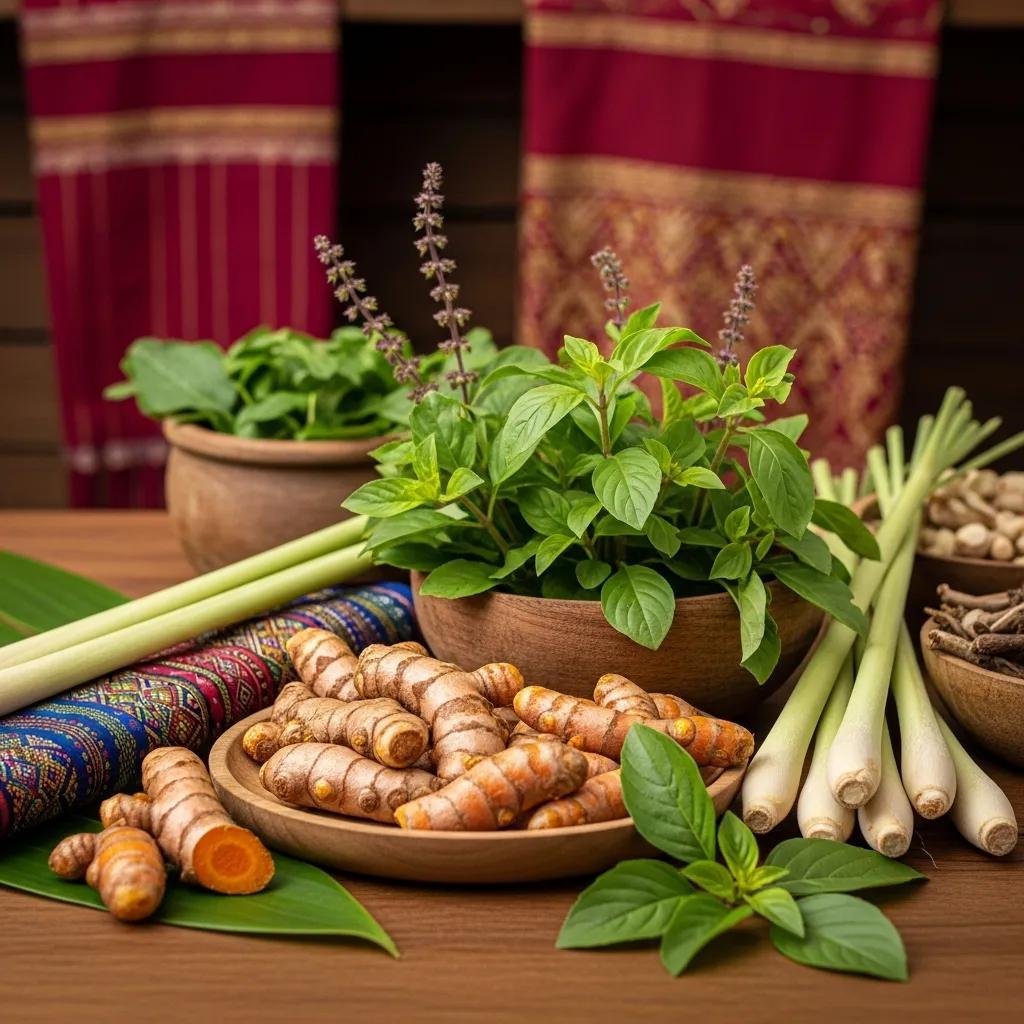
How to Choose Thai Herbal Products Safely
Thai herbal products have been part of everyday life in Thailand for generations, offering a plant‑based, tradition‑rich approach to wellness. This guide helps you navigate Thai herbal teas, oils, balms, and other blends by explaining what they are, how they are used in traditional Thai practice, and what to consider when choosing them. Many people today look for natural options to support their wellbeing, and understanding how to select Thai herbal products thoughtfully can help you align them with your own goals. We will look at traditional uses, ways to spot authentic products, key selection factors, examples of popular herbal teas, safe‑use basics, and where to buy items from brands that focus on quality and ethical sourcing.
Meet Our Expert: Dr. Anya Sharma
Certified Traditional Thai Medicine Practitioner & Herbalist
Dr. Anya Sharma is an experienced traditional Thai medicine practitioner with more than 15 years of work in herbal use and holistic wellness. She holds certifications from leading TTM institutions in Thailand and combines traditional knowledge with modern research to guide individuals in using herbs safely as part of a broader lifestyle. Her contribution helps ensure that this guide reflects authentic Thai practice and balanced, evidence‑aware information.
Important: Thai herbal products are not medicines and are not intended to diagnose, treat, cure, or prevent any disease. Always consult a qualified healthcare professional before using herbal products, especially if you have health conditions, are pregnant, or take prescription medications.
What Are Thai Herbal Products and Their Traditional Roles?
Thai herbal products are items made from plants, roots, leaves, flowers, and spices used within traditional Thai practice to support everyday comfort and balance. They form part of a holistic outlook that considers body, mind, and environment together. Historically, such products have been used in Thai communities to address common day‑to‑day concerns and to help people feel more settled and resilient in daily life.
What Is Traditional Thai Medicine and Its Holistic Approach?
Traditional Thai medicine (TTM) is a comprehensive system that sees health as a balance of physical, emotional, and environmental factors. It includes herbal use, massage, bodywork, movement, and meditative practices. Rather than focusing only on sensations in one area, TTM looks at overall patterns in a person’s life and aims to support balance and comfort across different aspects of wellbeing.
Which Common Thai Herbs Are Used in Everyday Wellness?
- Kunyit: Long used in food and drinks; traditionally associated with joint comfort and general balance.
- Holy Basil (Tulsi): Often included in teas and preparations linked with calm focus and support during stressful periods.
- Serai: A fragrant herb widely used around digestion and relaxation in Thai cuisine and teas.
These plants appear in many Thai herbal blends and teas, where they contribute both flavor and their traditional wellness roles.
How Do You Identify Authentic Thai Herbal Products?
Choosing authentic Thai herbal products is important for both safety and consistency. With rising global interest, it is helpful to distinguish well‑made products from vague or poorly documented alternatives.
Why Is Thai FDA Registration and Oversight Important?
In Thailand, the Food and Drug Administration reviews certain herbal products to make sure they meet local standards for quality and labelling. Thai FDA registration or listing is one sign that a product has gone through a formal process. While this is not the same as a drug approval, it is a useful indicator that formulations and labels have been examined by regulators. For more on regulatory issues around specific products, see resources such as Tapee Tea safety updates.
Challenges in Licensing and Preserving Traditional Knowledge
Researchers note that while more herbal products are being registered in Thailand, only a small portion of scientifically developed herbal medicinal products receive full licenses, and only a minority of medicines on the National List of Essential Medicines are herbal. This reflects how complex, multi‑herb traditions can be hard to fit into modern regulatory categories. Efforts to standardize products must balance scientific criteria with respect for regional practices and knowledge passed down through generations.
How to Verify Ethical Sourcing and Genuine Thai Herbs
- Research suppliers: Look for brands that explain where their herbs come from and how they are grown and processed.
- Check labelling and registrations: Prefer products that provide full ingredient lists, batch information, and, where applicable, Thai regulatory details.
- Support local and ethical brands: Choose companies that work with Thai growers, pay fair prices, and adopt sustainable practices.
By following these guidelines, you can improve your chances of purchasing authentic and responsibly made Produk herba Thai.
What Key Factors Should You Consider When Choosing a Thai Herbal Product?
Selecting a Thai herbal product is easier if you are clear about your goals, health situation, and preferred format.
How to Match Your Wellness Goals with Types of Products
- Stress and tension: Many people look for blends featuring holy basil, lemongrass, or similar calming herbs.
- Digestive comfort: Turmeric, ginger, and lemongrass commonly appear in products used around meals.
- Joint comfort and mobility: Products including turmeric or other well‑known herbs from traditional practice are often chosen for this area.
Discussing your aims with a practitioner or knowledgeable seller can help you select products that make sense for your situation.
What Are the Different Formats: Teas, Compresses, Oils and Balms?
- Teas: Good for regular, gentle use and building a daily ritual.
- Compresses: Cloth bundles containing herbs, traditionally used warm on areas of local discomfort.
- Oils and balms: Topical products used in massage or to soothe specific areas of the body.
Understanding these formats helps you choose what fits your preferences and lifestyle.
What Are the Roles of Popular Thai Herbal Teas and Ingredients?
Thai herbal teas combine flavor with traditional wellness roles. Here are some examples of how people commonly talk about them.
How Is Tapee Tea Commonly Used?
Tapee Tea is a multi‑herb blend rooted in Thai herbal practice. It brings together herbs that are traditionally associated with joint comfort, digestive ease, and a sense of relaxation. Some users describe Tapee Tea as a soothing drink that fits well into their evening routine or around meals. For safety considerations and regulatory notes, see Tapee Tea safety information.
What Roles Do Lemongrass, Turmeric and Holy Basil Play?
- Serai: Widely used in teas for its citrusy flavor and association with digestive comfort and relaxation.
- Kunyit: Often included where people are thinking about joint comfort and everyday balance; heavily studied in research literature.
- Basil Suci: Commonly referenced in connection with stress support and clear focus.
These herbs are central to many Thai herbal teas. For product examples, see teas on ArtisanThai.com.
How Can You Safely Use Thai Herbal Products for Daily Wellness?
Using Thai herbal products thoughtfully can help you enjoy them while reducing the risk of unwanted effects. Topical options such as Minyak urut herba Thai are another way some people incorporate herbs into their routine.
What Precautions Should You Take?
- Talk to a healthcare provider before starting herbal products if you have medical conditions, take medications, or are pregnant or breastfeeding.
- Follow product guidance: Use the serving amounts and directions on the label unless a practitioner advises otherwise.
- Watch for allergies: If you know you react to certain plants, avoid those ingredients, and stop using a product if you notice symptoms such as rash, itching, or breathing changes.
By taking these precautions, you can more safely integrate Thai herbal products into a daily wellness routine.
When Should You Consult a Healthcare Provider?
Contact a healthcare provider if you plan to use herbal products alongside prescription medications, if you develop unusual symptoms, or if you are considering herbs for an ongoing health concern. A professional can help you assess possible interactions and whether a particular product is appropriate for your situation.
The Future of Thai Herbal Products: Bridging Tradition and Modernity
AsThai herbal products attract interest beyond Thailand, there is growing work to respect traditional knowledge while applying modern research and regulation. This creates opportunities and responsibilities for producers, practitioners, and consumers.
Innovations in Research and Development
The scientific community continues to explore the phytochemistry of Thai herbs, including their active compounds and potential roles in health‑related contexts. This work supports the development of standardized extracts and better‑characterized products. At the same time, it is important that research does not oversimplify complex traditional formulas or portray herbs as stand‑alone solutions for medical conditions.
Sustainability and Ethical Sourcing
Increasing demand for Thai herbal products makes sustainable cultivation and fair partnerships essential. Over‑harvesting or poorly managed production can harm ecosystems and communities. Responsible brands promote sustainable farming, support local growers, and adopt fair‑trade practices, while consumers can encourage this by choosing such brands and paying attention to sourcing information. See, for example, ArtisanThai sustainability notes.
Preserving Indigenous Knowledge and Cultural Heritage
Beyond products, Thai herbal traditions represent living knowledge. Efforts to document practices, respect traditional knowledge rights, and share benefits with local communities help ensure that this heritage remains vibrant. Education and cultural exchange can support both preservation and responsible innovation.
Where Can You Buy Authentic Thai Herbal Products and Support Ethical Practices?
Finding authentic Thai herbal products requires attention to sourcing, labelling, and the values of the seller.
Why Choose Authorized Sellers Like ArtisanThai?
ArtisanThai focuses on Thai cultural products, including herbal items, and works with established producers in Thailand. Choosing such a seller can increase confidence in product authenticity and origin. Their emphasis on ethical sourcing helps support local artisans and sustainable practices. See About us for more details.
How Does ArtisanThai Approach Quality and Transparency?
ArtisanThai provides information about ingredients, origins, and handling for the products it carries. This includes clear labelling and, where applicable, information about relevant Thai registrations or testing. Their worldwide shipping options make it easier for customers to access Thai herbal products while still obtaining detailed background information. See more at the Thai herbal section.
| Herb | Typical Focus | Traditional Context |
|---|---|---|
| Kunyit | General comfort, joint focus | Common in foods and drinks linked with balance |
| Basil Suci | Stress and clarity | Used in teas and preparations around focus and calm |
| Serai | Digestive comfort, relaxation | Widely used in cuisine and tea for its soothing aroma |
Medical Reviewer: This content has been reviewed by Dr. Anya Sharma, Certified Traditional Thai Medicine Practitioner, for alignment with traditional Thai herbal practice and general safety principles.
Thai herbal products can be a meaningful part of a natural, tradition‑inspired approach to wellbeing. By learning how to select products carefully, check authenticity, and use them safely, you can decide which options might complement your lifestyle. Whether your focus is managing everyday stress, supporting digestive comfort, or feeling more ease in your joints, Thai herbal traditions offer many options to explore alongside advice from healthcare professionals.
Soalan Lazim
What are possible side effects of Thai herbal products?
A: While many Thai herbal products are well tolerated, some people may experience digestive upset, allergic reactions, or interactions with medicines. It is important to talk to a healthcare provider before starting new products, especially if you have existing conditions or take prescription drugs.
How can I add Thai herbal products to my routine?
A: You can start with simple steps such as enjoying herbal teas, using aromatic oils for relaxation, or applying balms for localized comfort. Some people also cook with herbs like turmeric dan lemongrass. Building a small, consistent habit—such as one cup of herbal tea in the evening—can help you see how they fit into your day.
Are there dietary or medical considerations?
A: Yes. People with allergies to certain plants should avoid herbs containing those ingredients. Pregnant or breastfeeding individuals and those using anticoagulant medications or other critical drugs should be especially cautious with herbs such as turmeric and always check with a healthcare professional.
Can Thai herbal products be combined with conventional medicine?
A: Often they can, but it should always be done under guidance. Some herbs may change how medicines are absorbed or metabolised. Share details of any Thai herbal products you are using with your doctor or pharmacist so they can help you avoid unwanted interactions. See also our information for clients.
How long do Thai herbal products keep?
A: Shelf life varies. Dried herbs in sealed containers stored away from light and moisture may last one to three years, while liquids and oils generally have shorter lifespans. Always check best‑before dates and avoid products that smell or look noticeably different from when you purchased them.
How do I choose the best format for me?
A: Choosing the right format depends on your aims and preferences. Teas or tinctures may suit those focusing on digestion or daily rituals, while balms and compresses may be preferred for local comfort. Speaking with a qualified herbalist or healthcare provider can help you match formats to your goals.
Kesimpulan
Thai herbal products provide a tradition‑rich, plant‑based way to support everyday wellbeing, from stress management and digestive comfort to a general sense of balance. By understanding how to select authentic products, assess quality, and use them safely, you can decide which items might complement your lifestyle. The ongoing evolution of Thai herbal practice, alongside modern research and ethical sourcing, helps ensure its continued relevance for people seeking a holistic approach. Explore the curated selection of Thai herbal products at ArtisanThai.com and consider how they might fit into your own balanced wellness routine.
 English
 Chinese
 French
 German
 Hindi
Hindi Indonesian
 Malay
Malay Portuguese
 Spanish