
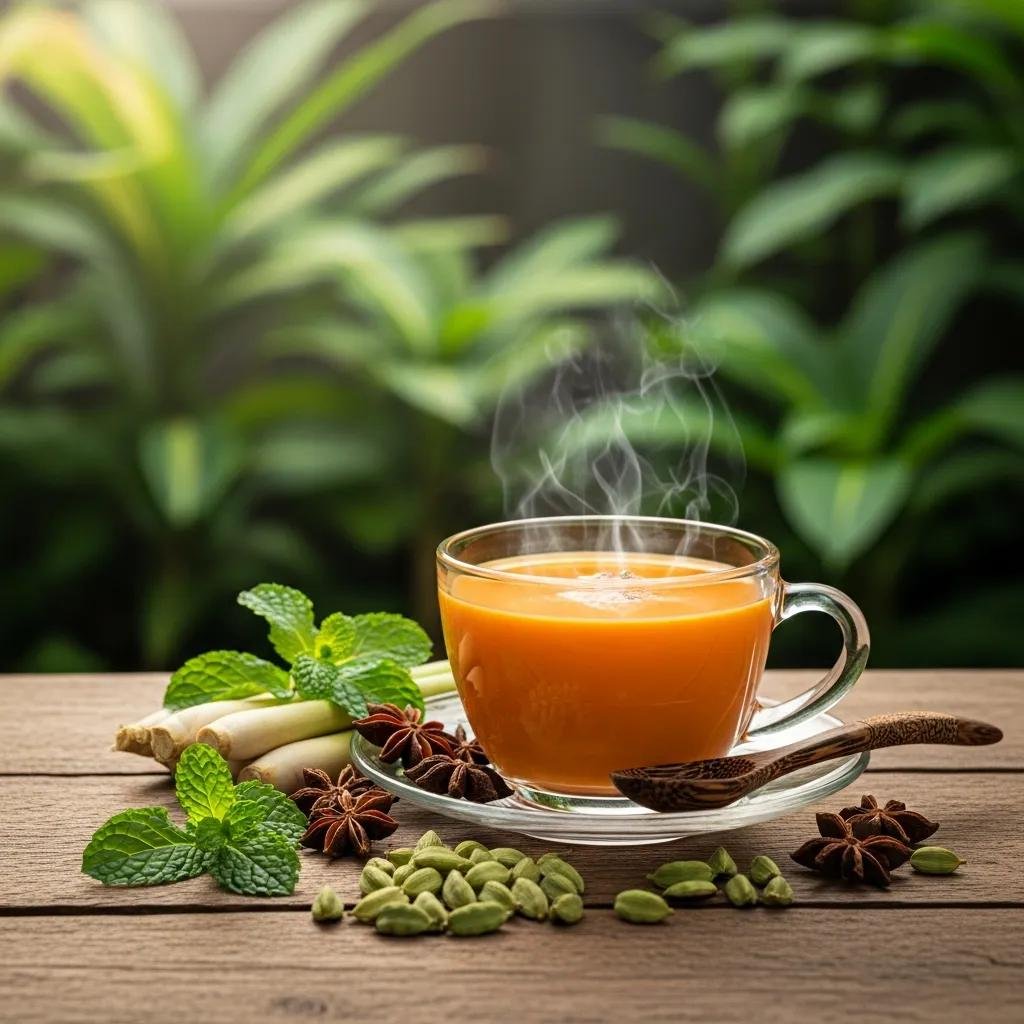
Buy Authentic Thai Tea for Wellness: Your Guide to Natural Flavour and Everyday Balance
Authentic Thai tea is not just a colourful, aromatic drink; it can also play a small part in a broader wellness‑focused lifestyle. This guide looks at what makes Thai tea “authentic”, which ingredients are traditionally used, and how thoughtful preparation can help you enjoy it in a more balanced way. Many people are unaware of how much sourcing and recipe choices affect both taste and overall profile. By understanding these factors, you can make more informed choices. We will cover what defines authentic Thai tea, where to buy it, key ingredients, potential wellness angles, preparation ideas, and why sourcing transparency matters.
What Defines Authentic Thai Tea and Its Role in Wellness?
Authentic Thai tea is characterised by its rich flavour, striking colour, and use of traditional ingredients. At its core it relies on quality tea leaves, usually black tea, sometimes combined with local spices and aromatics that reflect Thai culinary culture. When people talk about wellness and Thai tea, they are usually referring to the natural plant compounds in the tea and herbs, along with the relaxing ritual of preparing and drinking it. Authenticity matters because it influences how much of those original characteristics are preserved. For more on background and culture, see the rich history of Thai tea culture.
How Does Authenticity Affect Thai Tea’s Properties?
Authentic Thai tea is typically produced using methods that respect the tea leaf and minimise unnecessary processing. Practices such as careful picking, appropriate withering, and controlled oxidation help preserve the natural polyphenols and flavour compounds in black tea. When teas are heavily flavoured, coloured, or processed with low‑grade ingredients, some of the original plant compounds may be diluted or overshadowed. Choosing authentic sources increases the likelihood that you are getting a tea with its natural character and a more recognisable polyphenol profile.
Which Traditional Ingredients Are Common in Thai Tea?
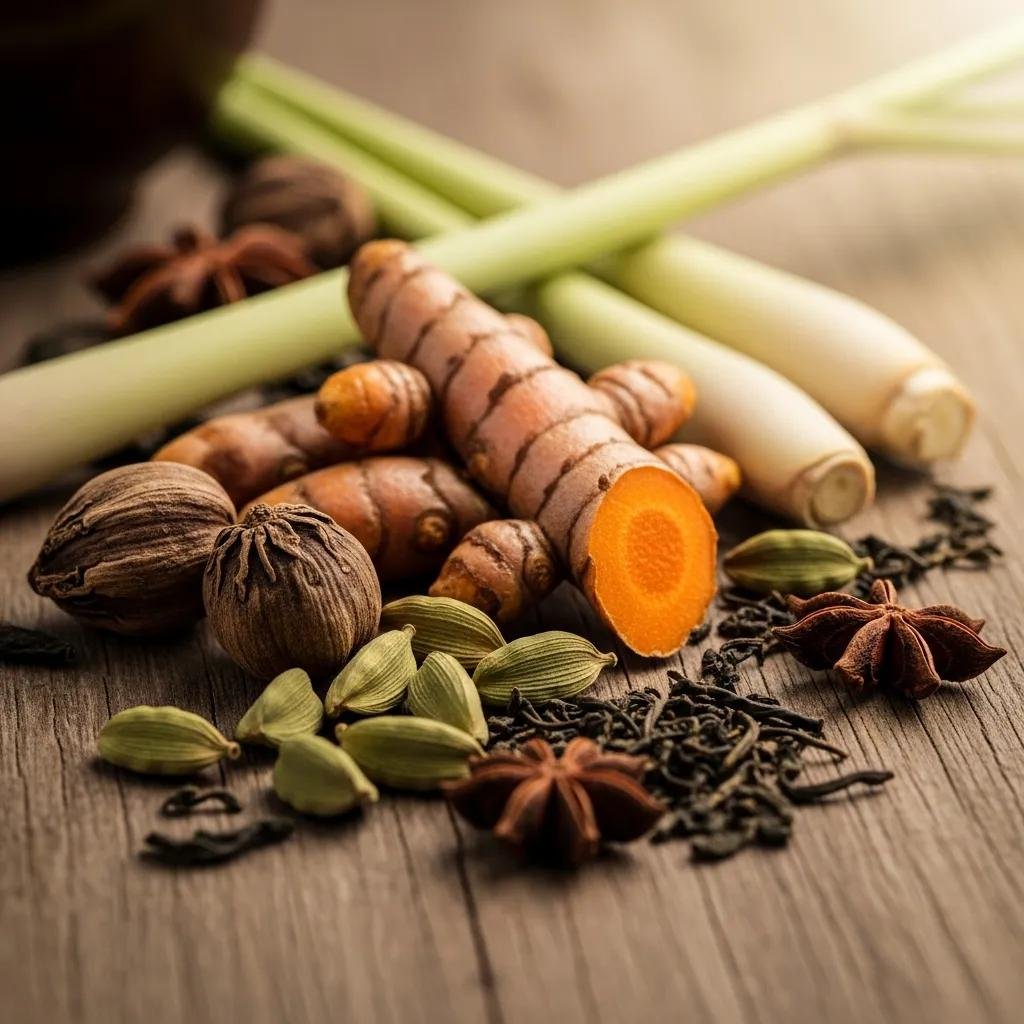
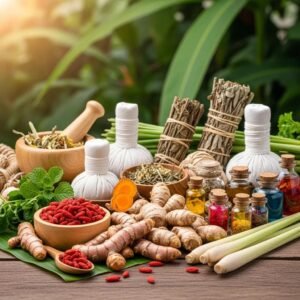
Traditional Thai tea and Thai‑style herbal tea blends often include ingredients such as cardamom, star anise, lemongrass, and occasionally turmeric or orange blossom. Cardamom is widely used in cuisines for its aromatic, digestive‑focused reputation; turmeric appears in some herbal blends for its well‑researched anti‑inflammatory and antioxidant compounds; and lemongrass is known in Thai practice for its soothing, citrusy profile and association with digestive comfort. Combined with black tea, these herbs create a layered flavour experience that many people find both enjoyable and grounding.
Where Can You Buy Organic and Authentic Thai Tea Online?
Finding genuine Thai tea online requires a bit of label reading and brand research, but there are retailers who specialise in authentic and, in some cases, organic options. For a more detailed list, see our guide Di mana hendak membeli teh Thai asli secara dalam talian. The key is to favour sellers who are open about where and how their tea is sourced.
What Are Good Sources for Pure Thai Tea?
High‑quality Thai tea is often available from speciality tea shops and online platforms that focus on Thai or Southeast Asian products. Look for retailers that share origin information, harvest details, and, if relevant, organic certifications. ArtisanThai.com is one example of a source that highlights the Thai origin of its teas and provides context about blends and ingredients. They also offer herbal blends such as Teh Tapee, which reflect Thai herbal traditions.
How Do You Spot Genuine Thai Tea Sellers and Products?
To identify genuine Thai tea sellers, look for:
- Clear origin details: Information on which region or province in Thailand the tea comes from.
- Ingredient transparency: A full list of tea and any spices, without vague “flavour” labels only.
- Customer feedback: Reviews and ratings that mention flavour, freshness, and authenticity.
- Reasonable claims: Sellers that talk about tradition and quality rather than making big health promises.
If a seller offers little or no information about sourcing or ingredients, the product is less likely to be authentically Thai or high quality.
What Are the Main Wellness Angles of Authentic Thai Black Tea?
Like other black teas, authentic Thai black tea contains caffeine and polyphenols that have been widely studied for their roles in general wellness contexts. Potential areas of interest include heart‑conscious diets, digestive comfort, and weight‑management strategies when tea is used in place of sugary drinks. For more on tea in general, see this Harvard Health overview on teas.
How Do Antioxidants in Thai Tea Fit into Wellness?
Black tea is naturally rich in polyphenols, including catechins and theaflavins, which act as antioxidants in laboratory and clinical research. These compounds help neutralise free radicals and may support healthy ageing and cardiovascular wellness when consumed as part of a balanced diet. Authentic Thai tea produced from good‑quality black tea can contribute to overall antioxidant intake in a similar way to other black teas. For more background, see the NIH review on the antioxidant properties of tea.
How Might Thai Tea Fit into Heart, Digestion and Weight‑Focused Routines?
Research on black tea suggests potential roles in supporting heart‑conscious lifestyles through effects on cholesterol profiles and blood pressure when consumed regularly and without excessive sugar. Spices like cardamom have a long history of use around digestion and after meals. For people managing weight, swapping high‑sugar beverages for lightly sweetened or unsweetened Thai tea can modestly reduce calorie intake, and tea’s caffeine may support alertness and metabolic rate. However, most research looks at black tea generally rather than Thai‑specific blends, so Thai tea should be viewed as one option within broader diet and lifestyle habits.
Which Natural Ingredients in Thai Tea Are Most Discussed for Wellness?
The wellness conversations around Thai tea usually centre on a few key ingredients. Understanding them helps you decide which blends fit your preferences.
What Are the Roles of Cardamom, Turmeric and Lemongrass?
Cardamom is often used after meals and is associated traditionally with digestive ease and fresh breath. Kunyit contains curcumin, which has been widely studied for its anti‑inflammatory and antioxidant actions in research settings. Serai is commonly used in Thai teas and broths for its soothing aroma, and is tied to a sense of relaxation and digestive lightness. Together, they create a flavourful blend that many people choose for both taste and how it makes them feel.
How Do Thai Herbal Ingredients Work Together?
Thai recipes typically combine multiple herbs and spices so their flavours and properties can complement one another. In tea blends, this might mean pairing turmeric’s warming character with cardamom’s aromatic, digestive‑linked role, and lemongrass’s fresh, calming note. This kind of synergy underpins many traditional Thai blends: rather than focusing on a single “super” ingredient, different plants are combined for balance and depth.
How to Prepare and Enjoy Thai Tea in a Wellness‑Friendly Way
How you brew and serve Thai tea can shape both its flavour and its overall profile. A few simple tweaks can keep it aligned with your wellness goals.
What Are Health‑Conscious Thai Tea Preparation Tips?
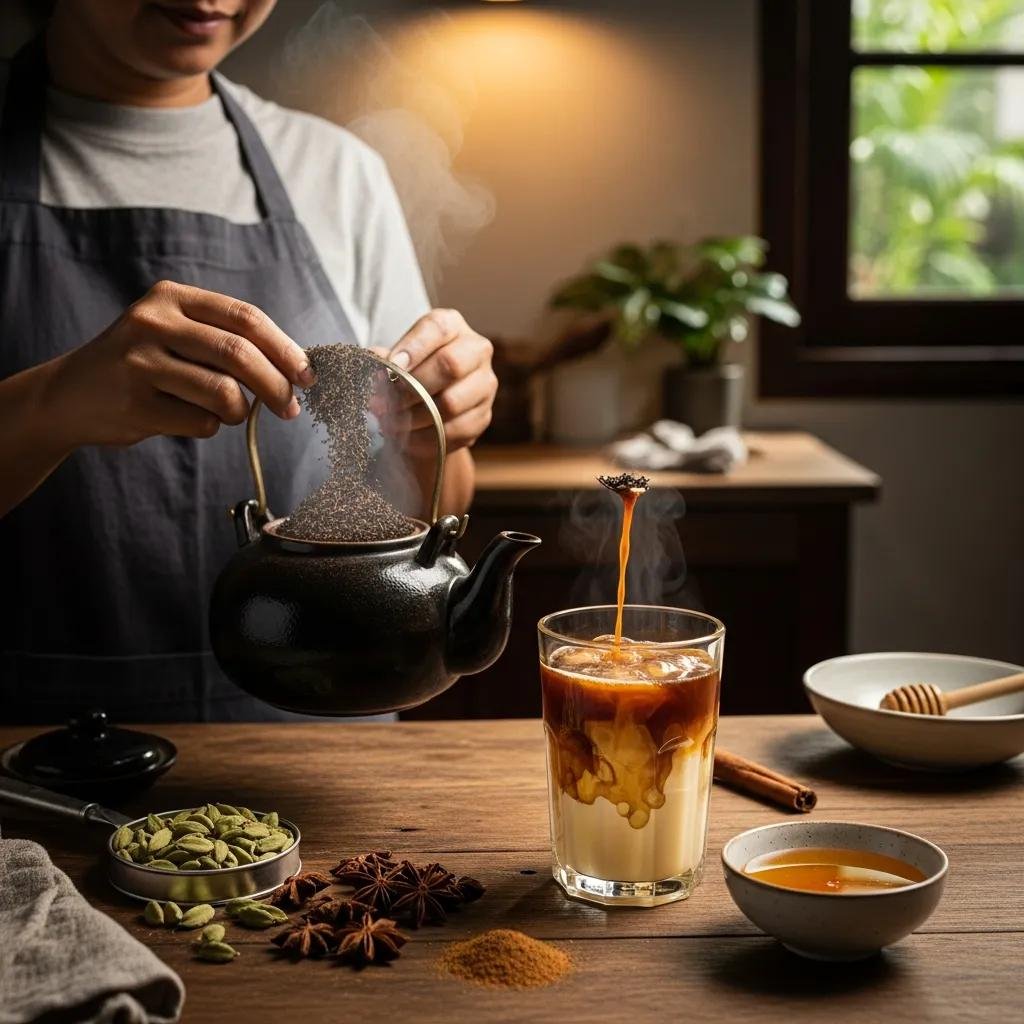
To prepare Thai tea:
- Steep black tea leaves in hot (not boiling) water for about 3–5 minutes to extract flavour and polyphenols without too much bitterness.
- Add spices such as cardamom or star anise during steeping if you enjoy a more aromatic, chai‑like profile.
- For a classic Thai iced tea style, add a small amount of evaporated or condensed milk, but watch portion sizes if you are limiting sugar.
- If you prefer it hot, you can drink it plain or with a light splash of milk and a small amount of your chosen sweetener.
Experimenting with steeping time, spice combinations, and sweetness helps you find a version that suits both your palate and your health priorities.
How Can You Make Thai Tea Lower in Sugar and More “Whole‑Food”?
If you want to enjoy Thai tea with less sugar and more focus on the tea itself:
- Use a modest amount of natural sweeteners such as honey or stevia instead of large amounts of sugar or sweetened condensed milk.
- Choose unsweetened plant‑based milks or regular milk instead of heavily sweetened options.
- Let the spices and tea flavour carry the drink, keeping it just lightly sweet instead of dessert‑level sweet.
These adjustments allow you to keep the core Thai tea experience while aligning the drink more closely with a wellness‑oriented diet.
Why Do Sourcing and Transparency Matter for Thai Tea?
Knowing where your tea comes from and how it is produced helps you assess both quality and alignment with your values. Ethical sourcing can also have positive impacts on farming communities and the environment.
How Does ArtisanThai.com Approach Authenticity and Ethical Sourcing?
ArtisanThai.com focuses on working with Thai growers who use traditional cultivation and processing methods. This includes selecting appropriate cultivars, harvesting at the right time, and avoiding unnecessary additives. The brand emphasises ethical sourcing, fair relationships with producers, and clear product descriptions, so customers can see what they are buying and why it was chosen. This approach supports both consumer confidence and long‑term sustainability.
Why Is Transparency So Important in Thai Tea Products?
Transparency about origin, ingredients, and processing makes it easier for you to evaluate whether a Thai tea really matches its claims. It also helps distinguish thoughtfully made products from mass‑market blends that rely mainly on artificial colouring and flavouring. In the wellness space, where trust is central, companies that openly share sourcing and production details give customers better tools to make choices that fit their preferences and health goals.
| Ingredient | Wellness Angle | Typical Source |
|---|---|---|
| Cardamom | Digestive comfort, aroma | Traditional Thai tea blends and chai‑style mixes |
| Kunyit | Anti‑inflammatory and antioxidant focus | Herbal Thai tea and tonic blends |
| Serai | Soothing, digestive, refreshing | Traditional Thai herbal and black‑tea blends |
Authentic Thai tea offers more than flavour: it brings together cultural heritage, mindful preparation, and plant‑based compounds that can complement a wellness‑oriented lifestyle. By choosing well‑sourced teas, brewing them thoughtfully, and enjoying them in moderation, you can make Thai tea a pleasant and balanced part of your daily routine.
Soalan Lazim
What is a good time of day to drink Thai tea?
Many people enjoy Thai tea in the morning or early afternoon, when its caffeine can support alertness. Others prefer it after meals, especially when spices like cardamom are included. If you are sensitive to caffeine, avoid drinking it too close to bedtime.
Are there side effects from drinking Thai tea?
As with other caffeinated drinks, drinking too much Thai tea may lead to sleep disruption, jitteriness, or digestive sensitivity in some people. A small number of individuals may also be sensitive to certain spices. It is best to enjoy Thai tea in moderation and to speak with a healthcare professional if you have any concerns or conditions affected by caffeine or herbs.
Can I cook or bake with Thai tea?
Yes. Thai tea can be used to flavour desserts and dishes such as ice cream, panna cotta, cakes, or rice puddings. You can infuse the tea into milk or cream, then strain before using, or incorporate ground tea carefully into recipes to add unique colour and taste.
Does the way I brew Thai tea change its wellness profile?
Brewing time, water temperature, and add‑ins all affect both flavour and composition. Steeping within a moderate time window helps extract beneficial compounds without excessive bitterness. Using minimal sugar and choosing your milk thoughtfully can help keep the drink more aligned with your overall health goals.
Is Thai tea suitable during pregnancy?
Thai tea contains caffeine, and some blends include herbs and spices that may not be suitable in large amounts during pregnancy. Pregnant individuals are usually advised to limit caffeine and to be cautious with strong herbal blends, so it is important to discuss Thai tea with a healthcare provider before including it regularly.
What are some popular variations of Thai tea?
Popular versions include Thai iced tea with milk, hot Thai tea with spices, and lighter herbal Thai blends that focus more on lemongrass and ginger than on black tea. Many people customise sweetness levels and milk types to match their taste and dietary preferences.
Kesimpulan
Authentic Thai tea combines tradition, flavour, and plant‑based compounds in a way that can complement an overall wellness‑focused lifestyle. By choosing high‑quality, transparently sourced tea and preparing it with your health goals in mind, you can enjoy this iconic drink as a mindful daily ritual. Explore different blends and brewing styles to discover which Thai teas best suit your taste, routine, and approach to wellbeing.
 English
 Chinese
 French
 German
 Hindi
Hindi Indonesian
 Malay
Malay Portuguese
 Spanish