
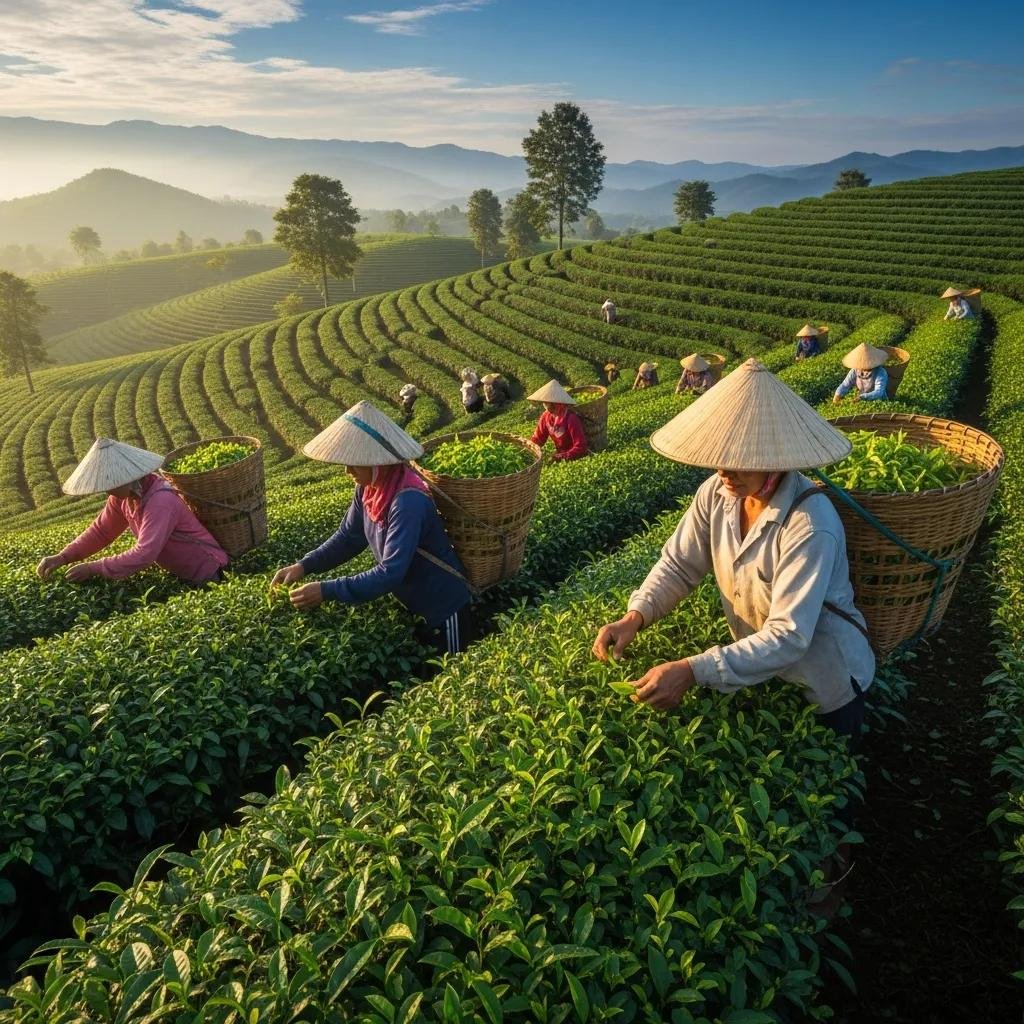
How Sustainable Sourcing Benefits Thai Tea Consumers: Discover Ethical, Eco-Friendly, and Health Advantages
Sustainable sourcing has emerged as a pivotal concept in the tea industry, particularly for consumers of Thai tea. This article delves into how sustainable sourcing not only enhances the quality of Thai tea but also supports ethical practices and health benefits. By understanding the principles of sustainable sourcing, consumers can make informed choices that align with their values and health goals. The growing demand for ethically sourced products reflects a shift in consumer awareness, where the impact of purchasing decisions extends beyond personal enjoyment to encompass environmental and social responsibility. This guide will explore the definitions of sustainable sourcing, its health benefits, environmental impacts, and how consumers can identify authentic, sustainably sourced Thai tea.
What Is Sustainable and Ethical Sourcing in Thai Tea Production?
Sustainable and ethical sourcing refers to the practices that ensure tea is produced in a manner that is environmentally friendly and socially responsible. This involves selecting suppliers who adhere to fair trade principles, which support local farmers and promote equitable trading conditions. Sustainable sourcing also emphasizes the importance of maintaining biodiversity and minimizing environmental impact throughout the production process. By prioritizing these practices, consumers can enjoy high-quality Thai tea while contributing to the well-being of the planet and its inhabitants.
How Does Ethical Sourcing Support Fair Trade and Thai Farmers?
Ethical sourcing plays a crucial role in supporting fair trade practices, which aim to provide fair wages and safe working conditions for farmers. By purchasing tea from suppliers who adhere to fair trade standards, consumers help ensure that farmers receive a fair price for their products. This not only improves the livelihoods of Thai farmers but also fosters community development and empowerment. Increased consumer awareness of fair trade practices encourages more producers to adopt ethical sourcing methods, creating a positive feedback loop that benefits both farmers and consumers.
What Eco-Friendly Practices Define Sustainable Thai Tea Farming?

Sustainable Thai tea farming incorporates various eco-friendly practices that protect the environment and promote biodiversity. These practices include organic farming methods, which avoid synthetic pesticides and fertilizers, and water conservation techniques that minimize waste. Additionally, sustainable farming often involves crop rotation and intercropping, which enhance soil health and reduce the risk of pests and diseases. By supporting these eco-friendly practices, consumers can contribute to a healthier planet while enjoying the rich flavors of sustainably sourced Thai tea.
Research further supports the environmental advantages of diverse farming methods, highlighting how certain agricultural practices can significantly boost biodiversity in tea plantations.
Biodiversity & Organic Practices in Northern Thai Tea
Based on concerns that useful weed diversity in agroecosystems as well as associated traditional knowledge may be declining due to agricultural intensification and indiscriminate eradication of weeds, we studied weed diversity and use by local ethnic groups in tea plantations in northern Thailand under different agricultural intensities and landscape complexities, namely agroforestry, organic, and Good Agricultural Practice (GAP) based conventional system. Agroforestry system had the highest alpha- and beta-weed diversity, suggesting that the low agricultural intensity and high landscape complexity in this system is associated with higher weed diversity in tea plantations.
Weed diversity and uses: a case study from tea plantations in northern Thailand, H Balslev, 2017
What Are the Health and Wellness Benefits of Sustainably Sourced Thai Tea?
Sustainably sourced Thai tea offers numerous health benefits, making it a popular choice among health-conscious consumers. The organic cultivation methods used in sustainable tea production ensure that the tea is free from harmful synthetic chemicals, providing a cleaner and healthier beverage option.
For those seeking to enhance their wellness routine, sustainably sourced Thai tea serves as a delicious and healthful addition.
How Does Organic Thai Tea Enhance Digestive Health and Relaxation?
Organic Thai tea is known for its digestive health benefits, as it contains compounds that promote gut health and aid in digestion. The natural antioxidants present in the tea help reduce inflammation and support a healthy digestive system. Furthermore, many consumers report that drinking organic Thai tea promotes relaxation and reduces stress, making it an excellent choice for those looking to unwind after a long day. Testimonials from regular drinkers highlight the soothing effects of this herbal beverage, reinforcing its reputation as a wellness drink.
Scientific studies further underscore these benefits, demonstrating how organic cultivation methods can enhance the nutritional profile and health-promoting compounds in tea.
Organic Tea: Enhanced Quality & Health Benefits
Quality tea production is in demand for its better palatability and beneficial effects on human health, including controlling several diseases with its high antioxidant properties. Organically grown tea lowered the content of crude fiber and starch as compared to the no-fertilizer treatment (control). Organic fertilization produced higher polyphenol than inorganic fertilization, which has shown greater antioxidant properties when analyzed through the methods of dot-blot and DPPH staining, DPPH radical assay, and hydroxyl radical scavenging activities by electron paramagnetic resonance spectrometry. Animal experiments conducted using green tea extracts on rodents revealed better diarrhoea control with organically tea than with inorganically grown tea. This study reveals the importance of organic agricultural practices in tea for quality improvement and sustainability of the food chain system.
Studies on tea quality grown through conventional and organic management practices: its impact on antioxidant and antidiarrhoeal activity, S Palit, 2008
Why Is Clean Caffeine Important in Sustainable Thai Tea Consumption?
Clean caffeine refers to the naturally occurring caffeine found in tea that is free from additives and synthetic substances. In sustainably sourced Thai tea, the caffeine content is balanced with other beneficial compounds, providing a gentle energy boost without the jitters often associated with coffee. This clean caffeine is important for consumers who are sensitive to caffeine or looking for a healthier alternative to traditional caffeinated beverages. By choosing sustainably sourced Thai tea, consumers can enjoy the benefits of caffeine while minimizing potential negative effects on their health.
How Does Sustainable Sourcing Impact the Environment and Biodiversity in Thailand?
Sustainable sourcing significantly impacts the environment and biodiversity in Thailand by promoting practices that protect natural ecosystems. By prioritizing organic and wildcrafted tea herbs, sustainable sourcing helps preserve the rich biodiversity of the region. This approach not only benefits the environment but also enhances the quality of the tea produced.
What Are the Environmental Benefits of Organic and Wildcrafted Thai Tea Herbs?
Organic and wildcrafted Thai tea herbs contribute to environmental sustainability by promoting biodiversity and reducing chemical usage. These practices help maintain healthy ecosystems, which are essential for the survival of various plant and animal species. Additionally, organic farming methods improve soil health and water quality, leading to a more sustainable agricultural system. By choosing organic and wildcrafted Thai tea, consumers support practices that protect the environment and promote ecological balance.
How Does ArtisanThai Implement Sustainable Wildcrafting and Organic Cultivation?
ArtisanThai is committed to sustainable wildcrafting and organic cultivation practices that prioritize environmental health and community welfare. The company sources its tea from local farmers who adhere to strict organic standards, ensuring that the tea is free from harmful synthetic chemicals. Additionally, ArtisanThai supports local communities by providing fair wages and promoting traditional farming methods that respect the land. This commitment to sustainability not only enhances the quality of the tea but also fosters a sense of community and cultural preservation.
How Can Consumers Identify and Choose Authentic, Sustainably Sourced Thai Tea?
Identifying and choosing authentic, sustainably sourced Thai tea can be challenging for consumers. However, there are several key indicators to look for when making a purchase. Certifications and labels can provide assurance that the tea has been produced ethically and sustainably.
What Certifications and Labels Ensure Ethical and Organic Thai Tea?
When shopping for Thai tea, consumers should look for certifications such as Fair Trade, USDA Organic, and Rainforest Alliance. These labels indicate that the tea has been produced according to strict ethical and environmental standards. By choosing products with these certifications, consumers can feel confident that they are supporting sustainable practices and contributing to the well-being of farmers and the environment.
How to Verify Authenticity and Transparency in Thai Tea Supply Chains?
To verify the authenticity and transparency of Thai tea supply chains, consumers can research brands and their sourcing practices. Many reputable companies provide detailed information about their sourcing methods and the farmers they work with. Additionally, consumers can look for brands that prioritize transparency in their supply chains, ensuring that they know where their tea comes from and how it is produced. This level of transparency fosters trust and empowers consumers to make informed choices.
What Are the Stories and Benefits for Thai Tea Farmers from Sustainable Sourcing?
Sustainable sourcing not only benefits consumers but also has a profound impact on Thai tea farmers. By prioritizing ethical practices, consumers can help improve the livelihoods of farmers and support community development.
How Does ArtisanThai Support Smallholder Farmers and Community Development?

ArtisanThai actively supports smallholder farmers by providing fair prices for their tea and investing in community development initiatives. This support helps farmers improve their livelihoods and invest in their families and communities. By choosing ArtisanThai products, consumers contribute to these positive changes, fostering a sustainable future for Thai tea farmers.
Why Are Farmer Stories Important for Consumer Trust and Cultural Preservation?
Farmer stories play a crucial role in building consumer trust and preserving cultural heritage. By sharing the experiences and challenges faced by Thai tea farmers, brands can create a deeper connection between consumers and the products they purchase. This connection not only enhances consumer trust but also promotes cultural preservation by highlighting the rich traditions and practices of Thai tea farming.
How Does Sustainable Sourcing Influence Consumer Choices and Market Trends?
The influence of sustainable sourcing on consumer choices is becoming increasingly evident in the tea market. As more consumers prioritize ethical and eco-friendly products, brands are adapting to meet this demand.
Why Are More Consumers Willing to Pay Premiums for Sustainable Thai Tea?
Consumers are increasingly willing to pay a premium for sustainably sourced Thai tea due to the perceived value of ethical and eco-friendly products. This willingness stems from a growing awareness of the environmental and social impacts of their purchasing decisions. By investing in sustainable tea, consumers feel they are making a positive contribution to the world, which enhances their overall satisfaction with the product.
How Does Supporting Sustainable Thai Tea Align with Global Wellness and Clean Caffeine Trends?
Supporting sustainable Thai tea aligns with global wellness trends that emphasize clean, natural products. As consumers become more health-conscious, they seek beverages that offer both enjoyment and health benefits. Sustainable Thai tea, with its clean caffeine and health-promoting properties, fits well into this trend, making it a popular choice among health-focused consumers.
How Does ArtisanThai Demonstrate Commitment to Sustainable and Ethical Thai Tea?
ArtisanThai exemplifies a commitment to sustainable and ethical practices in the Thai tea industry. The company prioritizes quality, transparency, and community support in its sourcing methods.
What Are ArtisanThai’s Sustainable Sourcing Policies and Practices?
ArtisanThai’s sustainable sourcing policies include strict adherence to organic farming standards and fair trade practices. The company works closely with local farmers to ensure that their tea is produced ethically and sustainably. By maintaining these high standards, ArtisanThai guarantees that consumers receive high-quality products while supporting the well-being of the environment and local communities.
How Does ArtisanThai Ensure Product Quality and Consumer Safety?
To ensure product quality and consumer safety, ArtisanThai implements rigorous quality control measures throughout the sourcing and production process. This includes regular testing for contaminants and adherence to safety standards set by the Thai FDA. By prioritizing quality and safety, ArtisanThai builds consumer trust and confidence in its products.
What Practical Steps Can Consumers Take to Support Sustainable Thai Tea Production?
Consumers play a vital role in supporting sustainable Thai tea production through their purchasing choices. By being informed and proactive, they can contribute to positive change in the industry.
How to Make Informed Purchases of Ethical and Eco-Friendly Thai Tea?
To make informed purchases, consumers should research brands and their sourcing practices. This includes looking for certifications, reading product labels, and understanding the impact of their choices. By prioritizing ethical and eco-friendly options, consumers can support sustainable practices and promote a healthier planet.
What Role Do Consumers Play in Promoting Sustainable Tea Farming?
Consumers have the power to promote sustainable tea farming by choosing to support brands that prioritize ethical practices. By advocating for transparency and sustainability, consumers can influence market trends and encourage more companies to adopt responsible sourcing methods. This collective effort can lead to significant positive changes in the tea industry, benefiting both consumers and producers alike.
| Certification | Description | Significance |
|---|---|---|
| Fair Trade | Ensures fair wages and safe working conditions for farmers | Supports community development and empowerment |
| USDA Organic | Guarantees that products are grown without synthetic pesticides and fertilizers | Promotes environmental health and consumer safety |
| Rainforest Alliance | Focuses on biodiversity conservation and sustainable livelihoods | Protects ecosystems and supports local communities |
This table highlights the importance of certifications in ensuring that Thai tea is produced ethically and sustainably, providing consumers with the assurance they need to make informed choices.
Sustainable sourcing not only enhances the quality of Thai tea but also supports ethical practices and health benefits. By understanding the principles of sustainable sourcing, consumers can make informed choices that align with their values and health goals. The growing demand for ethically sourced products reflects a shift in consumer awareness, where the impact of purchasing decisions extends beyond personal enjoyment to encompass environmental and social responsibility.