
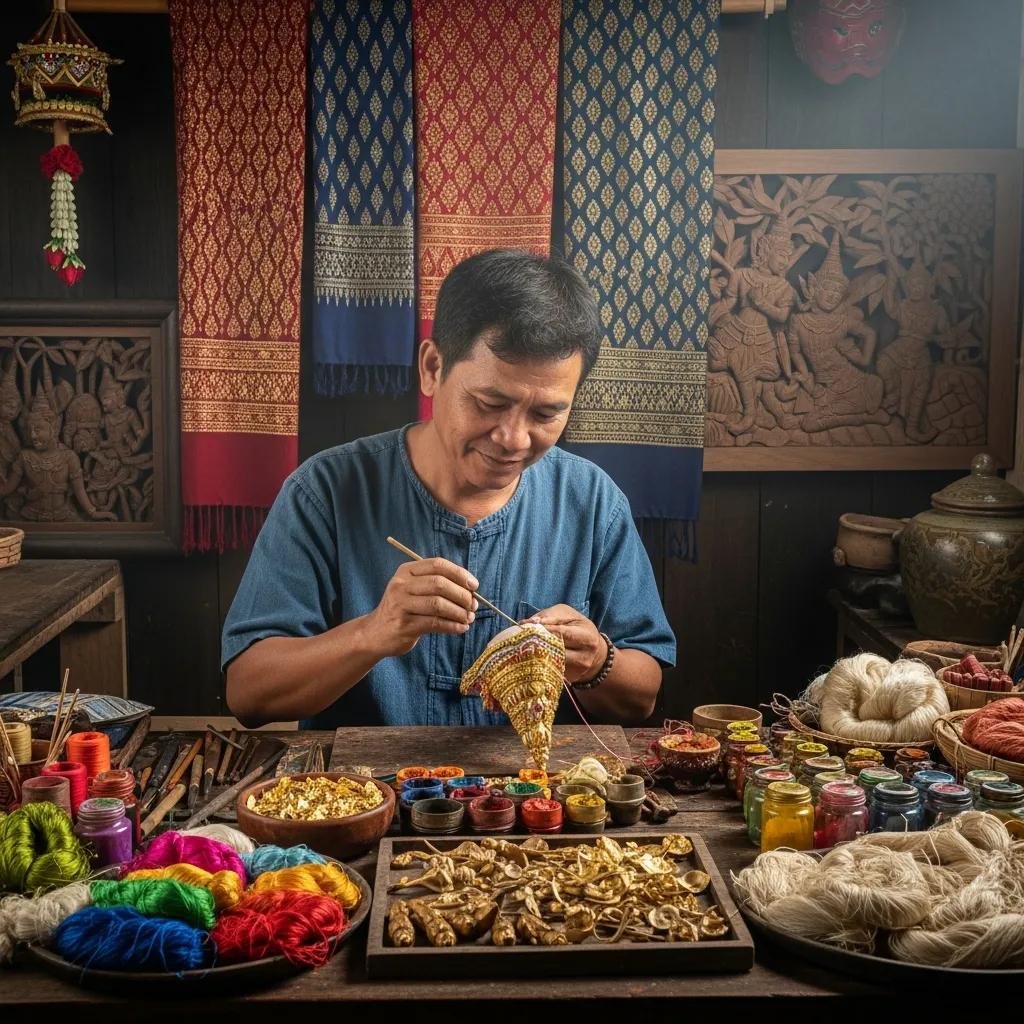
Thai Handicrafts vs. Mass-Produced Items: Understanding Authenticity, Quality, and Value
The world of craftsmanship is rich and diverse, particularly when it comes to Thai handicrafts, which embody a unique blend of tradition, artistry, and cultural significance. This article delves into the differences between authentic Thai handicrafts and mass-produced items, highlighting the importance of authenticity, quality, and value. Readers will learn about the distinctive characteristics that set handmade crafts apart, the ethical implications of supporting local artisans, and the cultural heritage embedded in these products. Many consumers today face the challenge of choosing between the allure of mass production and the authenticity of handmade goods. For a deeper dive into this comparison, explore insights on the value of handmade versus mass-produced goods. This guide will explore the unique qualities of Thai handicrafts, the sustainability practices involved, and the cultural narratives that make these items truly special. To discover more about integrating these unique pieces into your living space, read our article on Discover Authentic Thai Handicrafts for Your Home. We will also discuss how investing in handmade goods can be more valuable than opting for mass-produced alternatives, and how ArtisanThai.com supports authenticity and transparency in this vibrant market. For compelling reasons to choose these unique items, see our guide on Top Reasons to Choose Thai Handicrafts Online.
What Makes Authentic Thai Handicrafts Unique Compared to Mass-Produced Items?
Authentic Thai handicrafts are distinguished by their unique characteristics, which stem from traditional artisan techniques and cultural significance. These crafts are not merely products; they are expressions of identity, history, and skill passed down through generations. The quality of these items is often superior due to the meticulous craftsmanship involved, which contrasts sharply with the uniformity of mass-produced goods. Understanding the importance of preserving craftsmanship provides further context.
How Do Artisan Techniques Define Thai Handicraft Quality?
Artisan techniques play a crucial role in defining the quality of Thai handicrafts. Traditional methods, such as hand-weaving, carving, and pottery, require a high level of skill and attention to detail. For instance, the intricate designs found in handwoven textiles reflect the artisan’s expertise and cultural heritage. This craftsmanship not only enhances the aesthetic appeal but also ensures durability and uniqueness in each piece. The skill level of artisans directly impacts the final product’s quality, making handmade items more desirable to consumers who appreciate authenticity.
Research further emphasizes the importance of systematic approaches to safeguarding the rich tradition of Thai hand-woven fabrics.
Preserving Thai Hand-Woven Fabric Heritage
with Thai Handicrafts, in particular Thai hand-woven fabrics. This study presents the research framework for preserving cultural heritage
Systematic approach to preservation of cultural handicrafts: Case study on fabrics hand-woven in Thailand, S Chai-Arayalert, 2021
Why Is the One-of-a-Kind Nature Important in Handmade Thai Crafts?
The one-of-a-kind nature of handmade Thai crafts is significant for several reasons. Each piece tells a story, often reflecting the artisan’s personal journey and cultural background. This individuality fosters a deeper connection between the consumer and the product, as buyers often seek items that resonate with their values and aesthetics. Moreover, the appreciation for uniqueness in handmade crafts aligns with a growing consumer trend towards sustainable and ethical purchasing, where buyers are increasingly aware of the impact of their choices on local communities and cultures.
How Do Sustainability and Ethical Practices Differ Between Handmade and Mass-Produced Thai Products?
Sustainability and ethical practices are critical considerations when comparing handmade and mass-produced Thai products. Handmade items often utilize eco-friendly materials and support local economies, while mass production frequently prioritizes cost over environmental and social responsibility. For more information on global efforts, refer to resources on sustainable production practices.
What Eco-Friendly Materials Are Used in Sustainable Thai Handicrafts?
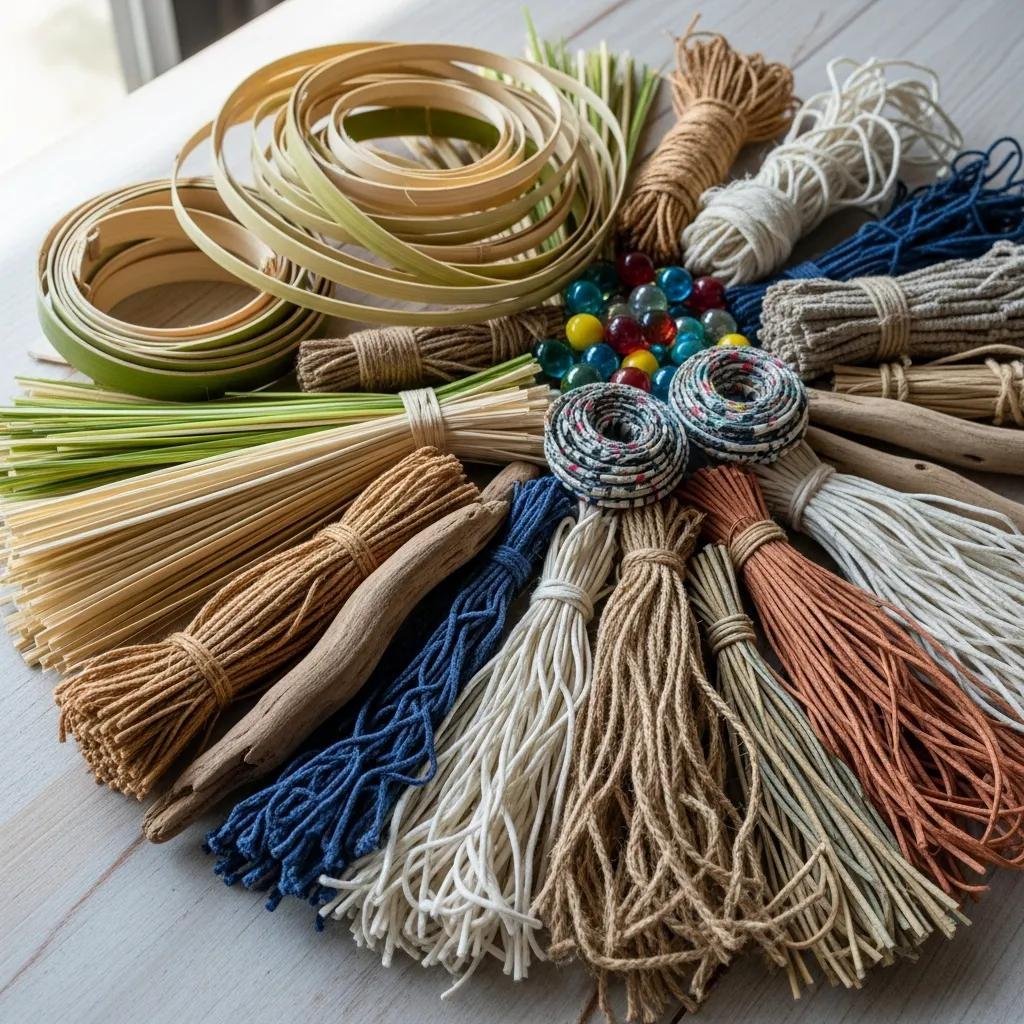
Sustainable Thai handicrafts are typically made from eco-friendly materials such as bamboo, natural fibers, and recycled materials. These materials not only reduce environmental impact but also contribute to the preservation of traditional crafting techniques. For example, bamboo is a renewable resource that is both strong and lightweight, making it an ideal choice for various crafts. The use of such materials reflects a commitment to sustainability and ethical sourcing, appealing to environmentally conscious consumers.
How Does Supporting Thai Artisans Promote Ethical Sourcing?
Supporting Thai artisans promotes ethical sourcing by ensuring that artisans receive fair compensation for their work, which helps sustain their livelihoods and preserve their cultural heritage. When consumers choose to buy handmade products, they contribute to the economic stability of local communities and encourage the continuation of traditional crafts. This ethical approach fosters a sense of responsibility among consumers, who can feel good about their purchases knowing they are making a positive impact.
What Cultural Significance Do Traditional Thai Crafts Hold Versus Mass-Produced Goods?
Traditional Thai crafts hold immense cultural significance, serving as a reflection of the country’s rich history and diverse cultural narratives. Unlike mass-produced goods, which often lack a personal touch, handmade crafts embody the stories and traditions of the communities that create them.
The broader context of cultural heritage management in Thailand provides valuable insights into how these traditions are preserved and promoted.
Thai Cultural Heritage Management & Handicraft Case Studies
This article then has objective to demonstrate the evolution of cultural heritage management in international level influencing on the Thai one, and to discuss the current situation of Thai cultural heritage management through six-case study : Mahakan Fortress (Bangkok), Hellfire Pass Memorial Museum (Kanchanaburi), Inthakin Kiln Site Museum (Chiang Mai), stone-polished bronze-ware (Bangkok), Surin textile (Surin) and Mon costume and language (Lamphun) to display impacts of part
Cultural heritage management in Thailand: common barrier and the possible way to survive, 2017
How Do Regional Variations Reflect Thailand’s Craft Heritage?
Regional variations in Thai crafts showcase the country’s diverse cultural heritage. Each region has its own distinct styles and techniques, influenced by local traditions and resources. For instance, the intricate wood carvings of Northern Thailand differ significantly from the vibrant textiles of the Northeast. These regional differences not only highlight the artistic diversity within Thailand but also contribute to the preservation of cultural identities that might otherwise be lost in a globalized market.
Why Is Preserving Cultural Heritage Important in Handmade Thai Products?
Preserving cultural heritage in handmade Thai products is vital for maintaining the identity and history of the communities involved. As globalization threatens traditional practices, supporting handmade crafts helps ensure that these skills are passed down to future generations. This preservation is essential not only for cultural identity but also for fostering a sense of pride among artisans and their communities.
Further studies underscore the ongoing challenges and critical importance of safeguarding Thailand’s rich cultural craft heritage.
Safeguarding Thai Cultural Craft Heritage
study in Thailand, a country rich in craft but experiencing the challenges of preserving cultural heritage, meaning of heritage craft and its value.
An exploration of safeguarding cultural heritage textiles in Thailand: the perspectives from expected and unanticipated preservers, 2022
How Do Authentic Thai Herbal Wellness Products Compare to Industrial Alternatives?
Authentic Thai herbal wellness products are often crafted using traditional recipes and natural ingredients, setting them apart from industrial alternatives that may rely on synthetic components. This distinction is crucial for consumers seeking effective and safe wellness solutions. For an example of such products, consider exploring Tapee Tea.
What Are the Benefits of Natural Ingredients in Handmade Herbal Remedies?
Natural ingredients in handmade herbal remedies offer numerous health benefits, including fewer side effects and enhanced efficacy. For example, many Thai herbal products utilize locally sourced herbs known for their medicinal properties, such as turmeric and ginger. These ingredients not only support health but also align with the growing consumer preference for natural and organic products. The trust in natural remedies often leads to higher consumer satisfaction and loyalty.
How Do Traditional Thai Recipes Enhance Wellness Product Quality?
Traditional Thai recipes enhance the quality of wellness products by incorporating time-tested methods that maximize the benefits of each ingredient. These recipes often reflect a deep understanding of herbal properties and their interactions, resulting in formulations that are both effective and safe. Consumers appreciate the authenticity and cultural significance of these products, which further enhances their appeal in a market saturated with industrial alternatives.
Why Is Investing in Handmade Thai Goods More Valuable Than Choosing Mass-Produced Items?
Investing in handmade Thai goods offers greater value compared to mass-produced items, primarily due to their durability, uniqueness, and the positive impact on local communities. To understand the full scope of these benefits, refer to our article on Top Reasons to Choose Thai Handicrafts Online.
How Does Durability and Longevity Favor Handmade Crafts?
Handmade crafts are often more durable than their mass-produced counterparts due to the quality of materials and craftsmanship involved. Artisans take pride in their work, ensuring that each piece is made to last. This durability translates to long-term value for consumers, who can enjoy their purchases for years to come without the need for frequent replacements.
What Is the True Cost Difference Between Quality Handmade and Cheap Mass Production?
The true cost difference between quality handmade and cheap mass production extends beyond the initial price tag. While mass-produced items may appear cheaper, they often lack the longevity and quality of handmade goods. Consumers investing in handmade crafts are not only purchasing a product but also supporting ethical practices and preserving cultural heritage. This investment fosters a deeper connection to the items they choose, making them more meaningful.
How Does ArtisanThai.com Support Authenticity and Transparency in Thai Handicrafts?
ArtisanThai.com is committed to supporting authenticity and transparency in the Thai handicraft market. By providing a platform for artisans to showcase their work, the company ensures that consumers have access to genuine products that reflect the rich cultural heritage of Thailand. Explore our curated selection and Discover Authentic Thai Handicrafts for Your Home.
Who Are the Thai Artisans Behind Our Handmade Products?
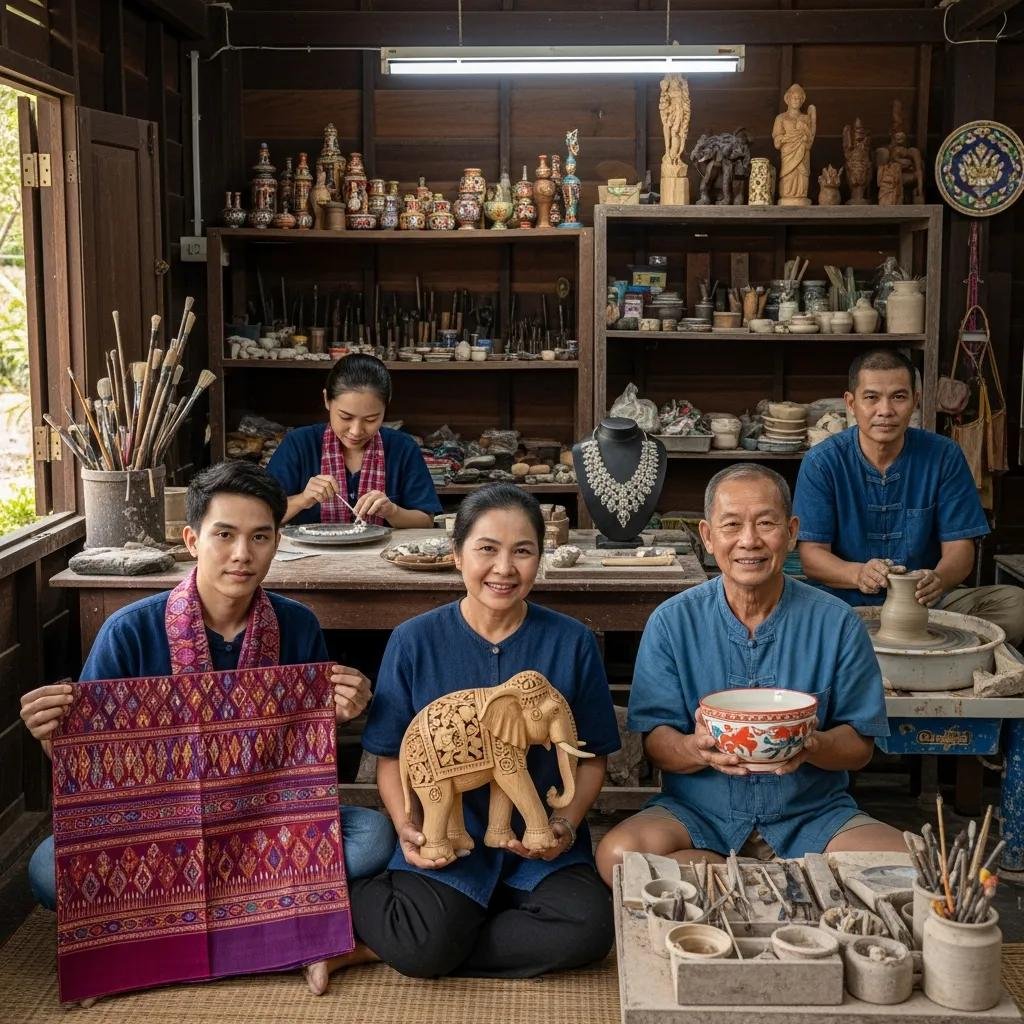
The artisans behind ArtisanThai.com are skilled craftsmen and women who have honed their techniques over many years. Each artisan brings a unique story and perspective to their work, contributing to the diversity of products available. By highlighting these artisans, ArtisanThai.com fosters a connection between consumers and the creators of their products, enhancing the overall shopping experience.
What Commitments Ensure Quality and Ethical Production at ArtisanThai.com?
ArtisanThai.com is dedicated to maintaining high standards of quality and ethical production. The company ensures that all products are sourced from artisans who adhere to fair trade practices, providing them with fair compensation for their work. This commitment to ethical sourcing not only supports the artisans but also builds trust with consumers who value transparency in their purchasing decisions.
| Craft Type | Unique Feature | Cultural Significance |
|---|---|---|
| Handwoven Textiles | Intricate patterns | Reflects regional identity |
| Wood Carvings | Detailed craftsmanship | Represents spiritual beliefs |
| Pottery | Traditional techniques | Connects to historical practices |
ArtisanThai.com aims to be a trusted global source for authentic Thai handicrafts and herbal wellness products. Its core mission is to provide transparent information, build trust through transparency, and lead people to discover and purchase its unique offerings.
Frequently Asked Questions
What are the key differences in the production process between handmade and mass-produced Thai items?
The production process for handmade Thai items involves skilled artisans who utilize traditional techniques passed down through generations. Each piece is crafted individually, allowing for unique designs and high-quality finishes. In contrast, mass-produced items are manufactured using automated processes that prioritize speed and cost-efficiency, often resulting in uniformity and lower quality. This fundamental difference in production not only affects the final product’s quality but also the cultural significance embedded in handmade crafts.
How can consumers identify authentic Thai handicrafts when shopping online?
Consumers can identify authentic Thai handicrafts by looking for certifications or labels that indicate fair trade practices and artisan sourcing. Websites like ArtisanThai.com often provide detailed information about the artisans and their techniques, enhancing transparency. Additionally, examining product descriptions for mentions of traditional methods, materials used, and the story behind each item can help consumers make informed choices. Reviews and ratings from previous buyers can also serve as indicators of authenticity and quality.
What role do Thai handicrafts play in promoting local economies?
Thai handicrafts play a significant role in promoting local economies by providing artisans with sustainable livelihoods. When consumers purchase handmade goods, they directly support the artisans and their communities, fostering economic stability. This support helps preserve traditional crafting techniques and cultural heritage, ensuring that these skills are passed down through generations. Additionally, the growth of the handicraft market can lead to job creation and increased tourism, further benefiting local economies.
How do handmade Thai crafts contribute to environmental sustainability?
Handmade Thai crafts contribute to environmental sustainability by utilizing eco-friendly materials and traditional techniques that minimize waste. Artisans often source local, renewable resources, such as bamboo and natural fibers, which have a lower environmental impact compared to synthetic materials used in mass production. Furthermore, the emphasis on quality craftsmanship ensures that these products are durable, reducing the need for frequent replacements and promoting a more sustainable consumption model.
What are some popular types of Thai handicrafts that consumers should consider?
Popular types of Thai handicrafts include handwoven textiles, intricate wood carvings, and traditional pottery. Each craft type showcases unique techniques and cultural significance, reflecting the diverse heritage of Thailand. Handwoven textiles, for example, often feature vibrant patterns that represent regional identities, while wood carvings may depict spiritual beliefs. Consumers interested in authentic Thai culture should explore these crafts, as they offer both aesthetic appeal and a connection to the artisans’ stories.
How can supporting Thai artisans impact cultural preservation?
Supporting Thai artisans has a profound impact on cultural preservation by ensuring that traditional crafting techniques and cultural narratives are maintained. When consumers choose to buy handmade products, they help sustain the livelihoods of artisans, encouraging them to continue their craft. This support fosters a sense of pride within communities and promotes the transmission of skills to future generations, ultimately safeguarding the rich cultural heritage that defines Thai handicrafts.
Conclusion
Choosing authentic Thai handicrafts over mass-produced items not only supports local artisans but also preserves cultural heritage and promotes sustainability. The unique craftsmanship and quality of these handmade goods offer lasting value that resonates with consumers seeking meaningful purchases. By investing in these products, you contribute to ethical practices and the continuation of traditional skills. Discover our curated selection of authentic Thai handicrafts and make a purchase that truly matters today.


 English
 Chinese
 French
 German
 Hindi
Hindi Indonesian
 Malay
Malay Portuguese
 Spanish