
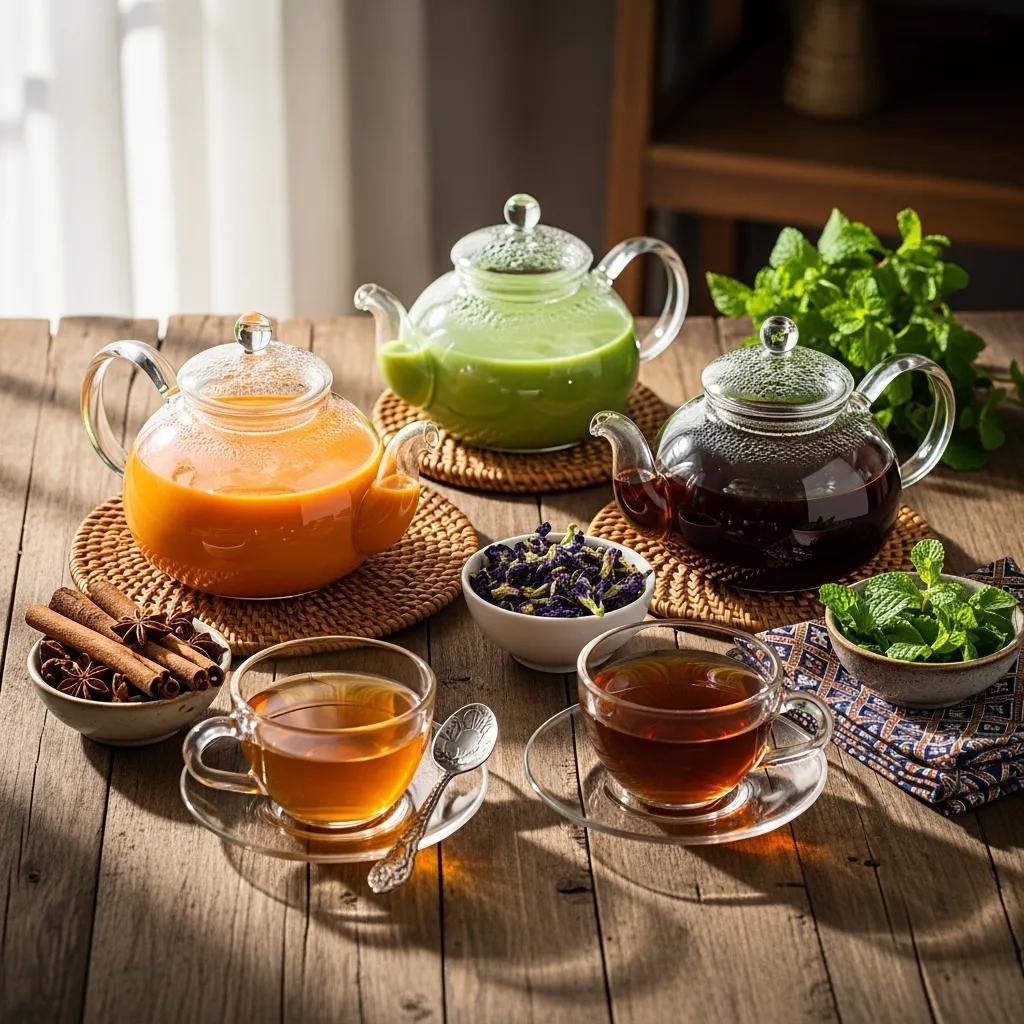
Exploring the Healing Power of Authentic Thai Teas: Benefits, Ingredients, and Wellness Insights
Authentic Thai teas are not just beverages; they are a gateway to wellness, steeped in rich cultural traditions and health benefits. This article delves into the healing properties of these teas, exploring their ingredients, health benefits, and the cultural significance they hold in Thailand. Readers will learn about the unique characteristics that define authentic Thai teas and how they can enhance overall well-being. Many individuals seek natural remedies for various health issues, and Thai teas offer a flavorful solution that combines tradition with wellness. We will cover the cultural significance of Thai teas, their health benefits, the unique qualities of Tapee Tea, and how ArtisanThai ensures authenticity and ethical sourcing.
What Are Authentic Thai Teas and Their Cultural Significance?
Authentic Thai teas are defined by their unique ingredients and preparation methods, which reflect Thailand‘s rich cultural heritage. These teas are often made from a variety of herbs and plants, each contributing distinct flavors and health benefits. The cultural significance of Thai tea extends beyond mere consumption; it plays a vital role in social rituals and traditional ceremonies, symbolizing hospitality and community.
How Is Authentic Thai Tea Defined and Differentiated?
Authentic Thai tea is characterized by its use of specific ingredients, such as black tea, spices, and herbs, which differentiate it from other tea varieties. The preparation often involves brewing strong tea with sweetened condensed milk, creating a rich and creamy beverage. This distinct preparation method, along with the use of local herbs, sets authentic Thai tea apart from commercial blends found elsewhere.
What Role Does Thai Tea Play in Traditional Thai Culture?
In traditional Thai culture, tea is more than a drink; it is an integral part of social gatherings and ceremonies. Thai tea is often served during celebrations and family gatherings, symbolizing warmth and hospitality. The act of sharing tea fosters connections among individuals, making it a cherished cultural practice that transcends generations.
What Are the Key Health Benefits of Thai Herbal Teas?
Thai herbal teas are renowned for their numerous health benefits, which stem from their natural ingredients. These teas can support various aspects of health, including digestion, relaxation, and pain relief. Below are some of the key health benefits associated with Thai herbal teas.
- Joint Comfort: Certain Thai teas contain herbs known for their anti-inflammatory properties, which can help alleviate joint pain and discomfort.
- Digestive Health: Many Thai herbal teas are formulated to aid digestion, promoting gut health and overall well-being.
- Relaxation: The calming effects of specific herbs in Thai teas can help reduce stress and promote relaxation.
How Do Thai Teas Support Joint Comfort and Natural Pain Relief?
Thai teas, particularly those infused with herbs like Cat’s Whiskers and Ginseng, are known for their ability to support joint comfort. These herbs contain anti-inflammatory compounds that can help reduce swelling and pain in joints. Regular consumption of these teas may provide a natural complementary approach for individuals seeking relief from chronic pain conditions.
Research further supports the traditional use of Cat’s Whiskers in addressing inflammatory conditions and joint discomfort.
Cat’s Whiskers Tea: Traditional Anti-Inflammatory & Arthritis Remedy
Orthosiphon stamineusis used traditionally to treat gout, arthritis, and inflammatory related conditions. The in vitro anti-inflammatory effects of the plant have been scientifically investigated. The goal of the present study was to evaluate the potential of the 50% ethanol extract ofO. stamineus(EOS) to treat rheumatoid arthritis.
Cat’s whiskers (Orthosiphon stamineus) tea modulates arthritis pathogenesis via the angiogenesis and inflammatory cascade, YM Tabana, 2016
Further scientific investigation highlights the specific compounds within Cat’s Whiskers that contribute to its anti-inflammatory and antioxidant effects.
Cat’s Whiskers Flavonoid: Antioxidant & Anti-Inflammatory Benefits
From the above study, it may be concluded 5HTMF attenuated acute inflammation by inhibiting NO and by protecting the oxidative DNA damage due to hydrogen peroxide scavenging property. It was also equally effective in scavenging the free radicals in lymphocytes of patients with RA. Collectively, our results indicate that 5HTMF as well as leafy vegetable of Cat’s whiskers may be a promising nontoxic food alternative in attenuating the oxidative stress, meriting further studies on other human inflammatory cells.
Cat’s whiskers flavonoid attenuated oxidative
DNA damage and acute inflammation: its importance in lymphocytes of patients with rheumatoid arthritis, P Chetia, 2014
In What Ways Do Thai Herbal Teas Aid Digestive Health and Relaxation?
Herbs such as Lemongrass and Ginger, commonly found in Thai herbal teas, are celebrated for their digestive benefits. These ingredients can help soothe the stomach, reduce bloating, and promote healthy digestion. Additionally, the calming properties of these teas can aid in relaxation, making them an excellent choice for unwinding after a long day.
What Makes Tapee Tea a Premier Authentic Thai Wellness Blend?
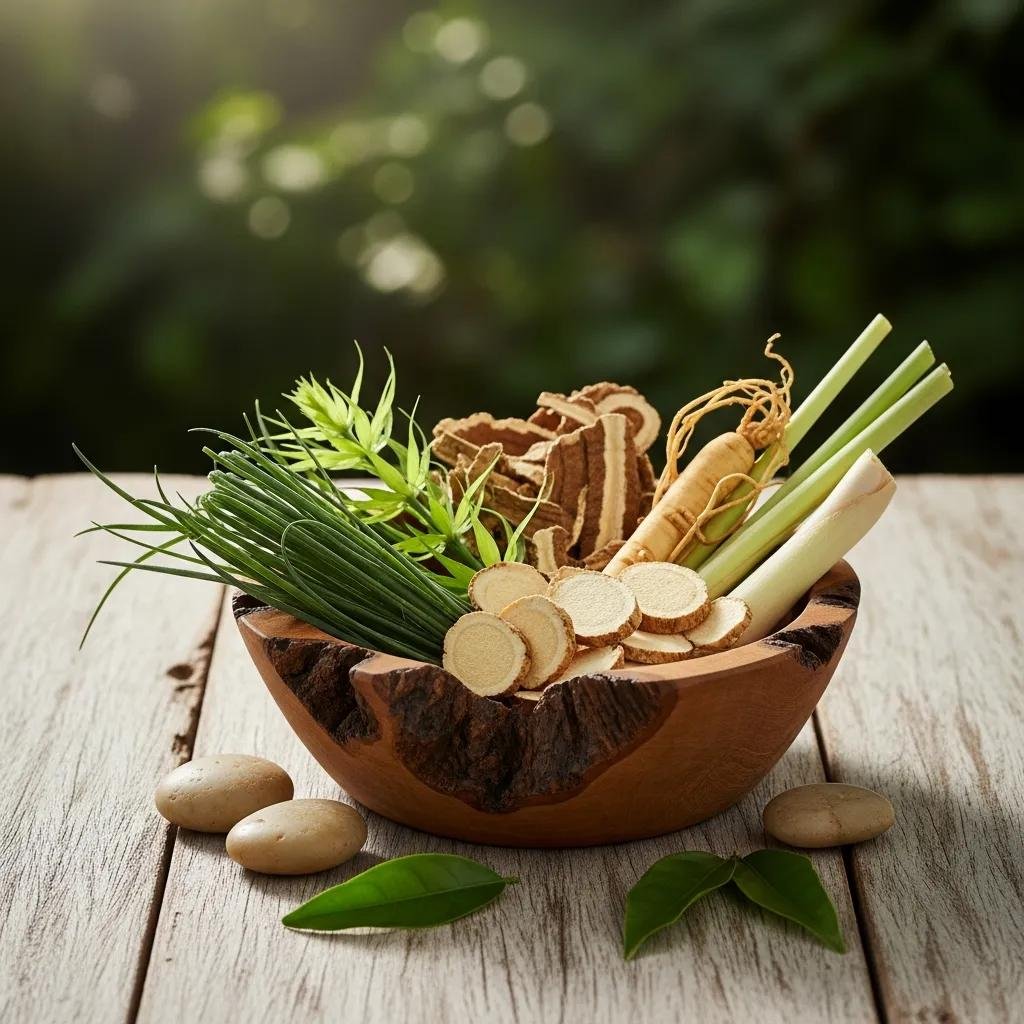
Tapee Tea stands out as a premier wellness blend due to its unique combination of organic Thai herbs, each selected for their health benefits. This tea not only embodies the essence of Thai culture but also offers a holistic approach to wellness.
Which 15 Organic Thai Herbs Are Included in Tapee Tea and Their Uses?
| Herb | Use | Benefit |
|---|---|---|
| Cat’s Whiskers | Anti-inflammatory | Supports joint health |
| Ginseng | Adaptogen | Enhances energy and focus |
| Lemongrass | Digestive aid | Promotes gut health |
| Ginger | Anti-nausea | Soothes digestive discomfort |
| Turmeric | Anti-inflammatory | Reduces inflammation |
| Holy Basil | Stress relief | Promotes relaxation |
| Moringa | Nutrient-rich | Boosts overall health |
| Butterfly Pea | Antioxidant | Supports skin health |
| Pandan | Flavor enhancer | Adds aroma and taste |
| Green Tea | Antioxidant | Supports metabolism |
| Licorice Root | Soothing | Aids respiratory health |
| Jasmine | Calming | Enhances mood |
| Peppermint | Digestive aid | Relieves bloating |
| Fennel | Digestive support | Eases stomach cramps |
| Cinnamon | Antioxidant | Supports heart health |
| Clove | Antimicrobial | Boosts immunity |
This diverse blend not only provides a rich flavor profile but also delivers a range of health benefits, making Tapee Tea a holistic choice for wellness.
How Does Tapee Tea Promote Circulation, Mood, and Women’s Wellness?
Tapee Tea is particularly beneficial for promoting circulation and enhancing mood. The combination of Ginseng and other herbs helps improve blood flow, which can lead to increased energy levels and better overall health. Additionally, the calming properties of herbs like Holy Basil and Jasmine make it an excellent choice for women seeking to balance their mood and support hormonal health.
How Does Traditional Thai Herbal Medicine Influence Modern Thai Teas?
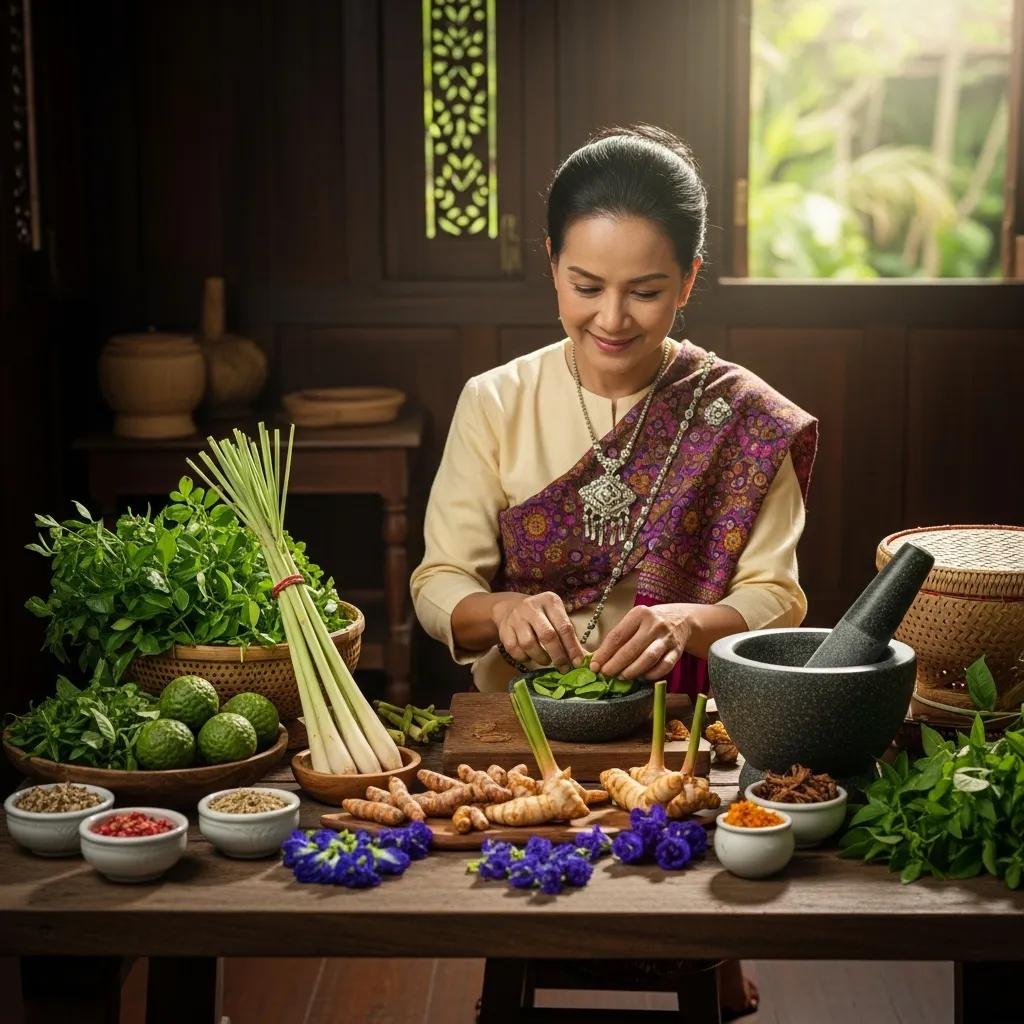
Traditional Thai herbal medicine has a profound influence on the formulation of modern Thai teas. The principles of herbal healing, which have been passed down through generations, continue to shape the way these teas are crafted today.
The widespread use of herbal and traditional medicines in Thailand, particularly for chronic conditions, underscores their cultural and health significance.
Thai Herbal Medicine Use & Benefits for Chronic Diseases
Herbal and traditional medicines (HTM) are widely used in Asian countries. Specific data on prevalent of HTM usage and association with chronic diseases in the Thai population is currently lacking. We examined the prevalence and factors associated with HTM use in a Thai worker population. In addition, we explored the relationship between HTM use and therapeutic control of cardiovascular risk factors and documented the most common types of HTM used in various chronic diseases.
Herbal or traditional medicine consumption in a Thai worker population: pattern of use and therapeutic control in chronic diseases, 2019
What Is the History and Philosophy Behind Traditional Thai Herbal Remedies?
The history of traditional Thai herbal medicine dates back centuries, rooted in the belief that nature provides the best remedies for health. This philosophy emphasizes the use of local herbs and plants, which are believed to possess unique healing properties. The integration of these practices into modern tea production ensures that the essence of traditional healing is preserved.
Which Key Thai Herbs Are Commonly Used in Healing Practices?
- Turmeric: Known for its anti-inflammatory properties.
- Ginger: Used to soothe digestive issues.
- Cat’s Whiskers: Valued for its ability to support joint health.
These herbs not only enhance the flavor of Thai teas but also contribute to their health benefits, making them a vital part of Thai culture and wellness.
What Other Authentic Thai Teas Complement Tapee Tea’s Wellness Benefits?
In addition to Tapee Tea, several other authentic Thai teas offer complementary wellness benefits. These teas provide a variety of flavors and health properties, enriching the overall experience of enjoying Thai herbal teas.
What Are the Unique Features of ChaTraMue and Jasmine Green Teas?
ChaTraMue Tea is known for its strong flavor and aromatic qualities, often enjoyed with sweetened condensed milk. Jasmine Green Tea, on the other hand, is celebrated for its delicate floral notes and calming effects. Both teas offer unique health benefits, including antioxidant properties and digestive support.
How Do Fruit Teas and Blends Enhance Thai Tea Variety?
Fruit teas and blends add a refreshing twist to traditional Thai teas. Popular options include blends with tropical fruits like mango and passionfruit, which not only enhance the flavor but also provide additional vitamins and antioxidants. These variations cater to diverse palates while maintaining the health benefits associated with Thai herbal teas.
How Does ArtisanThai Ensure Authenticity, Ethical Sourcing, and Global Access?
ArtisanThai is committed to providing authentic Thai teas while ensuring ethical sourcing practices. The company works closely with local farmers and artisans to promote sustainable practices and preserve traditional methods.
What Is the Importance of Thai FDA Certification for Herbal Teas?
Thai FDA certification is crucial for ensuring the safety and quality of herbal teas. This certification guarantees that the products meet strict regulatory standards, providing consumers with confidence in their purchases. It also helps maintain the integrity of traditional herbal practices.
How Does ArtisanThai Support Thai Artisans and Offer Worldwide Shipping?
ArtisanThai actively supports local artisans by sourcing products directly from them, ensuring fair trade practices and promoting the preservation of traditional crafts. The company also offers worldwide shipping, making authentic Thai teas accessible to a global audience, thus fostering a deeper appreciation for Thai culture and wellness.
Frequently Asked Questions
What types of Thai teas are best for beginners?
For those new to Thai teas, starting with popular varieties like ChaTraMue and Jasmine Green Tea is recommended. ChaTraMue offers a robust flavor profile, often enjoyed with sweetened condensed milk, making it a delightful introduction. Jasmine Green Tea, with its delicate floral aroma, provides a calming experience. Both teas are accessible and showcase the unique characteristics of Thai tea culture, allowing beginners to appreciate the flavors and health benefits without overwhelming complexity.
Can Thai teas be consumed daily, and are there any side effects?
Yes, many Thai teas can be consumed daily, but moderation is key. Herbal teas like Lemongrass and Ginger are generally safe and beneficial for daily consumption, promoting digestion and relaxation. However, some teas, particularly those with high caffeine content like traditional Thai black tea, should be consumed in moderation to avoid potential side effects such as insomnia or increased heart rate. Always consult with a healthcare provider if you have specific health concerns or conditions.
How should Thai teas be prepared for optimal flavor and benefits?
To prepare Thai teas for the best flavor and health benefits, start with fresh, high-quality ingredients. For herbal teas, steep the herbs in hot water for 5-10 minutes, allowing the flavors and beneficial compounds to infuse. For traditional Thai black tea, brew it strong and add sweetened condensed milk to create a creamy beverage. Experimenting with steeping times and ingredient ratios can help you find the perfect balance that suits your taste preferences.
Are there any specific health conditions that Thai teas can help with?
Thai teas, particularly those infused with herbs like Cat’s Whiskers and Ginger, can support various health conditions. Cat’s Whiskers is known for its anti-inflammatory properties, making it beneficial for joint pain and arthritis. Ginger is effective for digestive issues and nausea. Additionally, teas containing Holy Basil may help reduce stress and promote relaxation. However, it’s essential to consult with a healthcare professional for personalized advice regarding health conditions and herbal remedies.
What is the best way to store Thai teas to maintain freshness?
To maintain the freshness of Thai teas, store them in a cool, dry place away from direct sunlight. Use airtight containers to protect the teas from moisture and air exposure, which can degrade flavor and potency. For herbal teas, consider using dark glass jars or opaque containers to shield them from light. Proper storage will help preserve the unique flavors and health benefits of the teas, ensuring a delightful experience with each brew.
How do the flavors of Thai teas compare to other types of teas?
Thai teas are distinct in their flavor profiles, often characterized by the use of local herbs and spices. Unlike traditional black or green teas, Thai teas frequently incorporate ingredients like lemongrass, ginger, and spices, resulting in a more aromatic and complex taste. The addition of sweetened condensed milk in some varieties also creates a creamy texture that is less common in other tea cultures. This unique blend of flavors makes Thai teas a flavorful alternative to more conventional tea options.
Conclusion
Authentic Thai teas offer a unique blend of cultural significance and health benefits, making them a delightful addition to any wellness routine. With ingredients that support digestion, relaxation, and joint comfort, these teas provide a natural approach to enhancing overall well-being. By choosing premium options like Tapee Tea, you can experience the rich flavors and holistic benefits that Thai herbal traditions have to offer. Discover our selection of authentic Thai teas today and elevate your wellness journey.