Discover Natural Remedies With Thai Herbs: Authentic Thai Herbal Remedies and Wellness Benefits
Thai herbs have been utilized for centuries in traditional medicine, offering a wealth of natural remedies that promote health and wellness. This article delves into the fascinating world of Thai herbs, exploring their roles in traditional Thai medicine, their health benefits, and how they can enhance your well-being. Readers will learn about the most commonly used Thai herbs, their specific health benefits, and how to source authentic herbal products. As many individuals seek natural alternatives for health issues, understanding these remedies can provide effective solutions. We will cover the significance of Thai herbs, their health benefits, and where to find quality herbal products, including insights into ArtisanThai.com, a trusted source for authentic Thai herbal remedies.
Editorial Team & Expertise:
Written by: Dr. Somchai Charoensuk
Traditional Thai Medicine Practitioner with 20+ years of clinical experience. Dr. Charoensuk is certified by the Thailand Ministry of Public Health and holds a Master’s degree in Thai Traditional Medicine from Chulalongkorn University, Bangkok. His expertise lies in the application of Thai herbal pharmacology for holistic wellness.
Medically Reviewed by: Dr. Lisa Anderson, MD
Board-Certified Physician specializing in integrative medicine. Dr. Anderson ensures all health information aligns with current medical research, safety standards, and best practices in Western medicine, providing a comprehensive and balanced perspective.
Our commitment to accuracy: All content is created and reviewed by qualified Thai traditional medicine practitioners and medical professionals to ensure accuracy, safety, and adherence to both traditional wisdom and modern scientific understanding.
What Are Thai Herbs and Their Role in Traditional Thai Medicine?
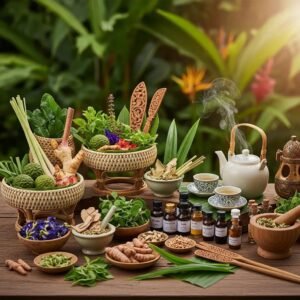
Thai herbs are integral to traditional Thai medicine, which emphasizes holistic healing and the balance of body, mind, and spirit. These herbs are derived from various plants and are used for their therapeutic properties, often in conjunction with other natural treatments. Traditional Thai medicine utilizes these herbs to address a wide range of health issues, from digestive problems to stress relief.
Indeed, traditional Thai medicine has long been recognized as an official medical system, leveraging natural products for their curative properties.
Thai Traditional Medicine: Official System & Natural Cures
Traditional Thai medicine has been Thailand’s official medical system, a Thai medical tradition based on the use of natural products, and some traditional medicines do have curative properties.
Traditional Thai medicine, 2003
How Does Thai Traditional Medicine Use Natural Herbs for Healing?
In Thai traditional medicine, natural herbs are employed in various forms, including teas, poultices, and tinctures. Common herbs like turmeric and lemongrass are often used for their anti-inflammatory and digestive benefits. The cultural significance of these herbs is profound, as they are believed to restore balance and promote overall wellness. This holistic approach not only treats symptoms but also addresses the underlying causes of health issues.
Which Thai Herbs Are Most Commonly Used in Natural Remedies?
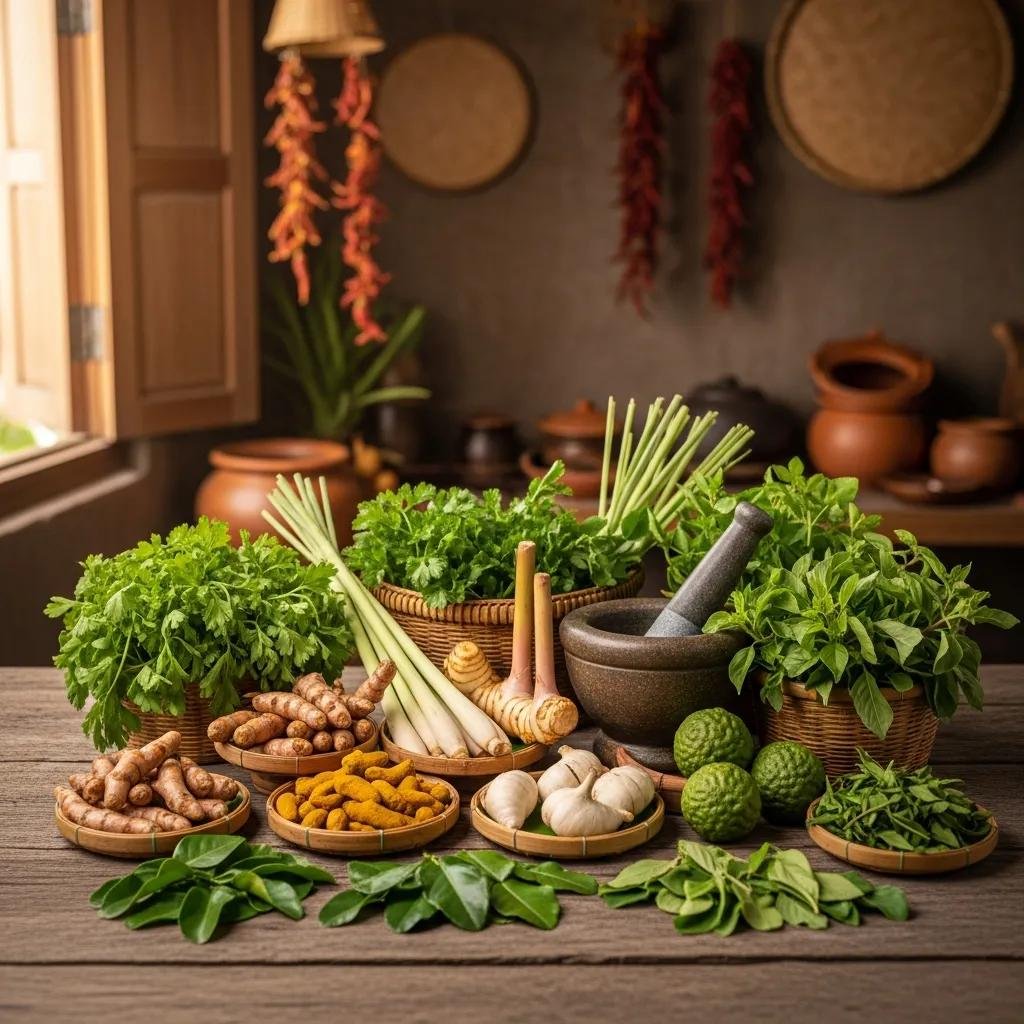
Several Thai herbs are particularly popular in natural remedies due to their proven health benefits. Some of the most commonly used herbs include:
- Turmeric: Known for its anti-inflammatory properties, turmeric is often used to alleviate pain and improve joint health.
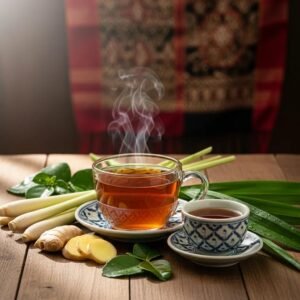
- Lemongrass: This herb is celebrated for its digestive benefits and is commonly used in teas to promote detoxification.
- Holy Basil: Valued for its adaptogenic properties, holy basil helps the body cope with stress and enhances overall resilience.
These herbs are not only staples in Thai cuisine but also serve as powerful tools in natural healing practices.
Research further highlights the widespread use of these traditional medicines, with turmeric often cited as a prevalent choice among the Thai population.
Thai Herbal Medicine Use & Turmeric Benefits
Herbal and traditional medicines (HTM) are widely used in Asian countries. Specific data on prevalent of HTM usage and association with chronic diseases in the Thai population is currently lacking. We examined the prevalence and factors associated with HTM use in a Thai worker population. The most commonly used HTM was turmeric.
Herbal or traditional medicine consumption in a Thai worker population: pattern of use and therapeutic control in chronic diseases, 2019
Traditional Thai Medicine Principles: A Holistic Approach
Traditional Thai Medicine (TTM) is built upon a profound holistic philosophy that views health as a state of balance within the individual and their environment. Central to TTM is the concept of “Thaat Thang Si,” or the Four Elements: Earth, Water, Wind, and Fire. Each element corresponds to specific bodily functions, organs, and even personality traits. Illness is believed to arise from an imbalance or deficiency in one or more of these elements.
Beyond the elements, TTM emphasizes preventive care, encouraging practices that maintain equilibrium before illness strikes. This includes dietary recommendations, herbal remedies, therapeutic massage (Thai massage), and spiritual practices. The mind-body connection is paramount; emotional and mental well-being are seen as intrinsically linked to physical health. Practitioners aim to restore harmony not just by treating symptoms but by addressing the root causes, often involving lifestyle adjustments and personalized herbal formulations. This comprehensive approach underscores TTM’s commitment to fostering overall wellness and resilience.
How to Choose Quality Thai Herbal Products
Selecting high-quality Thai herbal products is crucial for ensuring their efficacy and safety. With a growing market, it’s important to know what indicators to look for:
- Organic Certification: Look for products certified organic by recognized bodies. This ensures the herbs are grown without synthetic pesticides, herbicides, or fertilizers, preserving their natural purity and potency.
- Fair Trade Practices: Support brands that adhere to fair trade principles. This indicates ethical sourcing, fair wages for farmers, and sustainable agricultural practices, contributing to both product quality and community well-being.
- Sourcing Transparency: Reputable suppliers will be transparent about where their herbs come from, including the specific regions and farms. This traceability helps verify authenticity and quality.
- Third-Party Testing: Products that undergo independent third-party testing for contaminants (heavy metals, pesticides, microbes) and active compound levels offer an extra layer of assurance regarding their purity and potency.
- Proper Packaging and Storage: High-quality herbal products should be packaged in airtight, light-resistant containers to protect them from degradation. Check for clear expiration dates and proper storage instructions.
- Reputable Suppliers: Purchase from established and trusted vendors, like ArtisanThai.com, who specialize in authentic Thai herbal remedies and have positive customer reviews and a commitment to quality.
What Are the Health Benefits of Key Thai Herbs?
The health benefits of Thai herbs are extensive, with each herb offering unique properties that contribute to overall wellness. Understanding these benefits can help individuals make informed choices about incorporating these herbs into their health routines.
How Does Turmeric Support Anti-Inflammatory and Antioxidant Health?
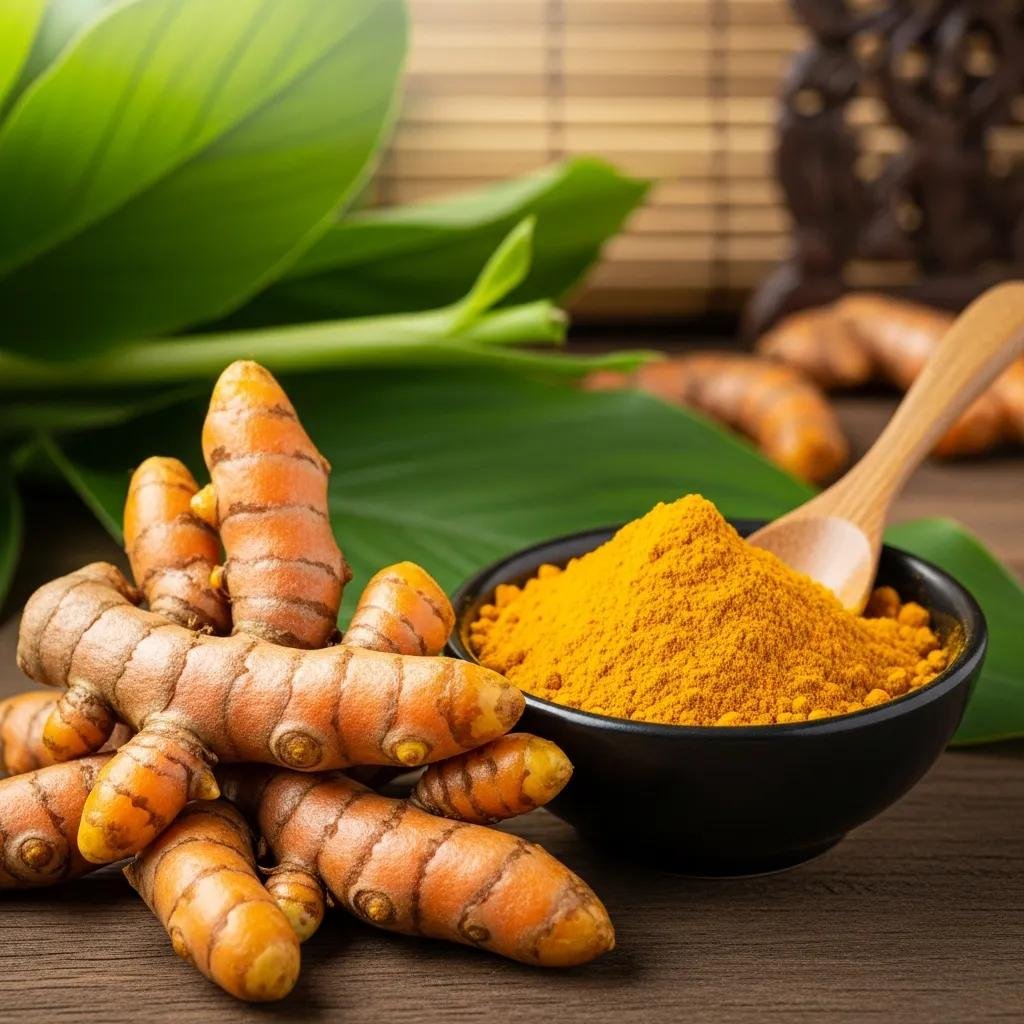
Turmeric, particularly its active compound curcumin, is renowned for its anti-inflammatory and antioxidant effects. Research indicates that curcumin can inhibit inflammatory pathways, such as NF-κB, making it effective in managing conditions like arthritis and chronic pain. Additionally, its antioxidant properties help combat oxidative stress by neutralizing free radicals and boosting the body’s own antioxidant enzymes, which is linked to various chronic diseases. Regular consumption of turmeric may support overall health and enhance the body’s natural defenses.
Why Is Lemongrass Effective for Digestive Health and Detoxification?
Lemongrass is widely recognized for its digestive health benefits. Its primary active compounds, citral and geraniol, contribute to its ability to aid in digestion by promoting the secretion of digestive enzymes and reducing bloating and gas. Furthermore, lemongrass has mild diuretic properties, which can help support the body’s natural detoxification processes by encouraging the elimination of waste through urine. Its refreshing flavor makes it a popular choice in teas and culinary dishes, providing both taste and health benefits.
ArtisanThai.com offers high-quality lemongrass tea, which can be a delightful addition to your wellness routine.
How Can Holy Basil and Ginger Enhance Stress Relief and Immune Support?
Holy basil and ginger are two powerful herbs that play significant roles in stress relief and immune support. Their unique properties make them valuable additions to any natural health regimen.
What Are the Adaptogenic Properties of Holy Basil for Stress Reduction?
Holy basil, also known as Tulsi, is classified as an adaptogen, meaning it helps the body adapt to stress and promotes mental balance. Studies have shown that holy basil’s active compounds, including eugenol, ocimumosides, and rosmarinic acid, can help modulate cortisol levels, the hormone associated with stress, thereby enhancing mood and reducing anxiety. Incorporating holy basil into your daily routine can lead to improved emotional well-being and resilience against stressors.
Scientific literature further supports holy basil’s role as a powerful adaptogen, offering significant benefits for stress reduction and overall well-being.
Holy Basil: Stress Relief & Antioxidant Benefits
All parts of the holy basil act as an adaptogen, reducing stress and anxiety. Its distinct medicinal benefits range from stress relief and antioxidant properties to its use in treating serious conditions.
Holy Basil: Nature’s Panacea for Physical and Mental Well-being, E Hooda