For more detailed safety information, refer to reputable sources like the National Center for Complementary and Integrative Health (NCCIH).A qualified Thai traditional medicine practitioner, herbalist, or an integrative medicine physician can provide personalized recommendations, ensure safety, and help you integrate Thai herbs effectively into a comprehensive healing plan. Consider a health consultation with our experts.
Unlocking the Transformative Healing Power of Thai Herbs: Ancient Wisdom, Modern Validation, and Authentic Wellness Discovery
For millennia, the lush landscapes of Thailand have nurtured a profound tradition of natural healing, where the remarkable properties of Thai herbs have been revered for their transformative healing power and holistic benefits. This article embarks on a comprehensive journey into the heart of Thai herbal medicine, exploring its ancient healing wisdom, the intricate mechanisms behind its efficacy, and the modern scientific validation that increasingly supports its profound impact on well-being. We will delve into the specific medicinal uses of key Thai herbs, uncover traditional healing applications, and guide you through selecting authentic wellness products available today. Readers will gain deep insights into the core healing properties of Thai medicinal herbs, understand how these botanical treasures support overall wellness, and discover the compelling scientific evidence backing their effectiveness. As many individuals seek natural solutions for health challenges, Thai herbs offer a rich tapestry of remedies that can significantly enhance healing and well-being. We will cover the benefits of specific Thai herbs, traditional healing protocols, and how to choose authentic herbal products, including insights into ArtisanThai.com, a trusted source for premium Thai herbal wellness products and a gateway to your healing journey.
Meet Our Expert Contributors: Guiding Your Journey to Herbal Healing Power
Our commitment to providing accurate, evidence-based information on the healing power of Thai herbs is upheld by a team of distinguished experts:
Written by Dr. Somchai Charoensuk
Traditional Thai Medicine Practitioner certified by Thailand Ministry of Public Health. With over 20 years of clinical experience, Dr. Charoensuk holds a Master’s degree in Thai Traditional Medicine from Chulalongkorn University, Bangkok. His specialized training includes Thai herbal pharmacology and traditional healing practices, making him a leading authority in the field of herbal healing.
Herbal expertise contributed by Niran Pongpanit
Certified Thai Traditional Medicine Herbalist. Niran brings 15 years of hands-on experience with Thai medicinal herbs. A distinguished graduate of Wat Pho Thai Traditional Medical School, she specializes in authentic herb identification and traditional formulations, ensuring the accuracy of herbal information and its application in healing.
Medically reviewed by Dr. Lisa Anderson, MD
Board-Certified Physician with integrative medicine certification from the Academy of Integrative Health & Medicine. Dr. Anderson rigorously ensures all health information is accurate, evidence-based, and compliant with the highest medical standards, prioritizing reader safety and trust in the healing potential of Thai herbs.
Understanding the Core Healing Properties of Thai Medicinal Herbs
Thai herbal medicine is renowned for its diverse range of healing properties, deeply rooted in traditional practices and increasingly validated by modern science. These herbs are celebrated for their anti-inflammatory, antioxidant, and digestive support capabilities, making them indispensable in holistic health approaches. The integration of these powerful herbs into daily wellness routines can lead to improved health outcomes and an enhanced quality of life, fostering a profound sense of healing. Understanding the intricate healing properties of Thai herbs is crucial for anyone interested in natural remedies and holistic healing.
Thai Herbs for Anti-inflammatory and Antioxidant Healing
Several Thai herbs are celebrated for their potent anti-inflammatory and antioxidant properties, crucial for cellular repair and overall healing. Notable examples include:
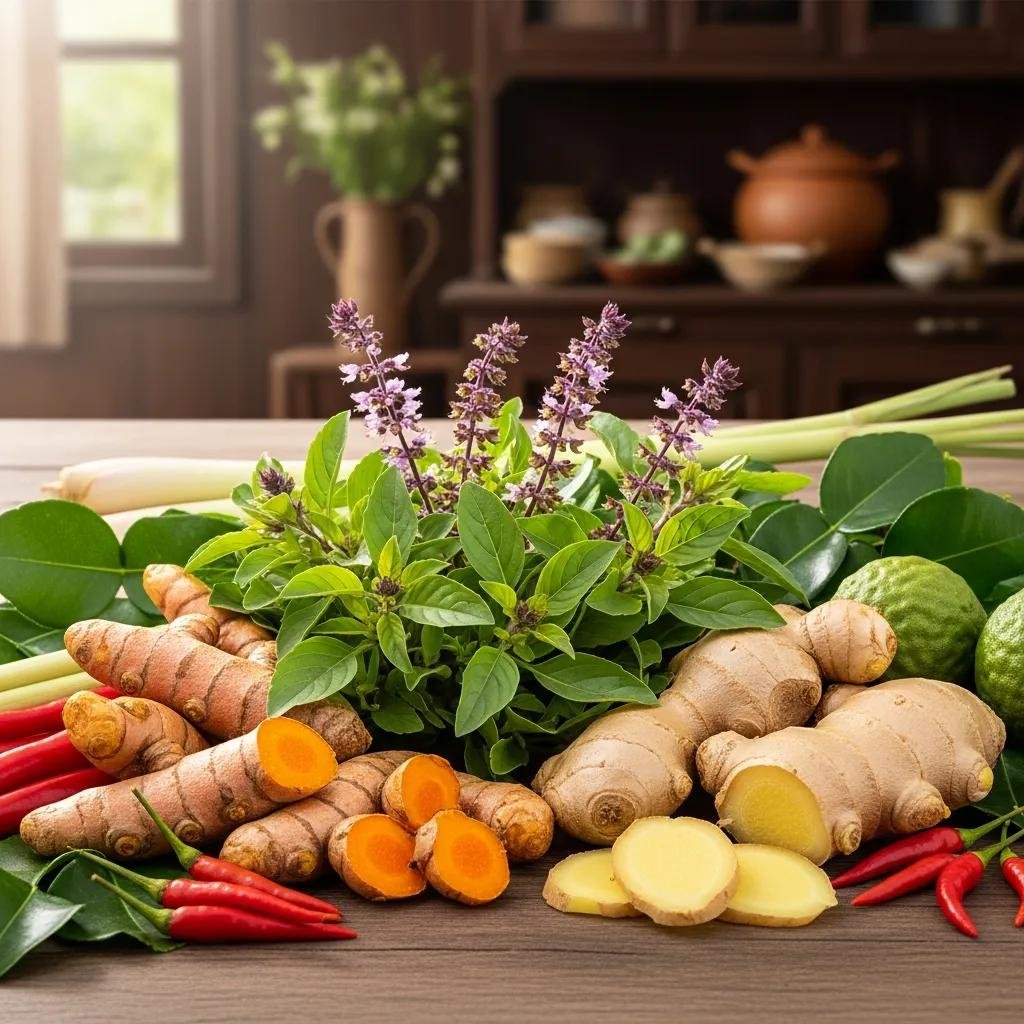
- Turmeric: Known for its active compound curcumin, turmeric is a powerful anti-inflammatory agent that helps reduce inflammation and oxidative stress in the body, promoting deep healing. For more, explore ArtisanThai.com’s Turmeric collection.
- Holy Basil (Tulsi): This revered herb is rich in antioxidants and has been shown to combat stress and inflammation, promoting overall health and a state of healing. Research highlights its adaptogenic properties, vital for systemic healing.
- Ginger: Often used in traditional Thai cooking, ginger possesses strong anti-inflammatory properties that can alleviate pain and improve digestion, contributing significantly to the body’s healing process. Learn more about ginger’s healing benefits from WebMD.
Expert Insight: “The synergy of compounds in Thai herbs like turmeric and holy basil offers a multi-faceted approach to reducing inflammation, a cornerstone of many chronic conditions. This holistic action is what makes traditional Thai herbal healing so powerful,” states Dr. Somchai Charoensuk.
Research consistently supports these healing benefits, highlighting the importance of incorporating these herbs into a balanced diet for optimal health and sustained healing.
Thai Herbs for Digestive Health and Stress Relief Healing
Thai herbs play a significant role in promoting digestive health and alleviating stress, both critical components of the body’s natural healing processes. Herbs like lemongrass and ginger are commonly used to aid digestion, while holy basil is known for its calming effects, fostering an environment conducive to healing.
- Lemongrass: This aromatic herb helps soothe the digestive tract and can relieve bloating and discomfort, facilitating digestive healing. Discover lemongrass products at ArtisanThai.com.
- Ginger: Renowned for its ability to reduce nausea and improve digestion, ginger is a staple in many Thai dishes and a powerful aid in gastrointestinal healing. Its efficacy is supported by numerous studies.
- Holy Basil: Often referred to as “Tulsi,” this herb is used in traditional medicine to reduce stress and promote mental clarity, which are essential for emotional and physical healing. Explore its calming effects further on Healthline.
The cultural significance of these herbs in Thai cuisine and medicine underscores their value in maintaining health and well-being, acting as powerful agents in the body’s healing journey.
Most Powerful Thai Healing Herbs: A Deep Dive into Their Healing Power
Thai herbal medicine boasts a rich pharmacopoeia of plants, each with unique healing properties. Here, we highlight some of the most potent Thai medicinal herbs and their profound impact on healing.
Turmeric (Khamin): The Golden Healer
Turmeric is perhaps the most celebrated Thai herb, revered for its vibrant color and even more vibrant healing capabilities. Its primary active compound, curcumin, is a potent anti-inflammatory and antioxidant agent.
- Healing Mechanisms: Curcumin modulates numerous molecular targets involved in inflammation, pain, and oxidative stress pathways. It inhibits enzymes like COX-2 and LOX, and suppresses pro-inflammatory cytokines, making it a powerful natural anti-inflammatory.
- Traditional Healing Applications: Used for centuries in Thai traditional medicine for joint pain, digestive issues, skin conditions, and wound healing.
- Modern Validation: Extensive research supports its efficacy in conditions like arthritis, metabolic syndrome, and even certain cancers. Clinical studies demonstrate its comparable effectiveness to some pharmaceutical anti-inflammatories.
Ginger (Khing): The Warming Digestive and Pain Reliever
Ginger is a ubiquitous herb in Thai cuisine and medicine, prized for its pungent flavor and powerful healing properties, particularly for digestion and pain.
- Healing Mechanisms: Gingerols and shogaols, ginger’s active compounds, possess strong anti-inflammatory and antioxidant effects. They also stimulate digestive enzymes and have anti-emetic properties.
- Traditional Healing Applications: Used for nausea, indigestion, cold and flu symptoms, muscle pain, and menstrual cramps.
- Modern Validation: Research confirms ginger’s effectiveness in reducing nausea (including morning sickness and chemotherapy-induced nausea), alleviating muscle soreness, and managing inflammatory conditions. A meta-analysis supports its anti-inflammatory actions.
Lemongrass (Takrai): The Detoxifying and Calming Healer
Lemongrass is an aromatic herb known for its refreshing scent and significant healing benefits, particularly for detoxification and stress relief.
- Healing Mechanisms: Rich in citral, lemongrass exhibits antioxidant, anti-inflammatory, and antimicrobial properties. It also acts as a diuretic, aiding the body’s natural detoxification processes.
- Traditional Healing Applications: Used for digestive issues, fever, pain relief, and as a calming agent in teas and aromatherapy.
- Modern Validation: Studies show its potential in lowering cholesterol, managing blood sugar, and its diuretic effects. Research highlights its role in supporting liver health.
Galangal (Kha): The Spicy Anti-inflammatory and Antimicrobial
Often mistaken for ginger, galangal offers its own distinct flavor and a powerful array of healing properties, especially as an anti-inflammatory and antimicrobial agent.
- Healing Mechanisms: Contains galangin, gingerols, and other flavonoids that contribute to its anti-inflammatory, antioxidant, and antimicrobial effects. It’s particularly noted for its ability to combat various pathogens.
- Traditional Healing Applications: Used for digestive complaints, respiratory issues, skin infections, and as a general tonic.
- Modern Validation: Emerging research indicates its potential in fighting bacteria, fungi, and even certain cancer cells. Studies explore its anti-cancer and anti-inflammatory properties.
Holy Basil (Kraphrao / Tulsi): The Adaptogenic Stress Healer
Holy Basil, or Tulsi, is considered a sacred herb in many Eastern traditions, revered for its adaptogenic qualities and profound ability to promote mental and physical healing from stress.
- Healing Mechanisms: Rich in eugenol, rosmarinic acid, and other compounds, Holy Basil helps the body adapt to stress, reduces cortisol levels, and exhibits strong antioxidant and anti-inflammatory effects.
- Traditional Healing Applications: Used for stress reduction, anxiety, respiratory ailments, fever, and to enhance overall vitality.
- Modern Validation: Numerous studies confirm its adaptogenic properties, showing significant reductions in stress, anxiety, and improvements in cognitive function. Research highlights its role in managing psychological and physiological stress.
Butterfly Pea (Dok Anchan): The Antioxidant and Cognitive Enhancer
The vibrant blue flowers of the Butterfly Pea plant are not just beautiful; they are packed with powerful antioxidants and offer unique healing benefits, particularly for cognitive health and beauty.
- Healing Mechanisms: Contains anthocyanins, potent antioxidants that protect cells from damage, improve blood flow, and may support brain health.
- Traditional Healing Applications: Used for improving eyesight, hair growth, skin health, and as a natural sedative.
- Modern Validation: Studies suggest its potential in enhancing memory, reducing anxiety, and its strong antioxidant capacity. Research explores its neuropharmacological effects.
Traditional Thai Healing Applications: Embracing Holistic Wellness
Traditional Thai remedies encompass a variety of practices that promote holistic wellness and deep healing. These remedies often combine the use of herbs with techniques such as massage and meditation, creating a comprehensive approach to health and healing.
Herbal Teas for Joint Comfort and Relaxation Healing: The Power of Tapee Tea
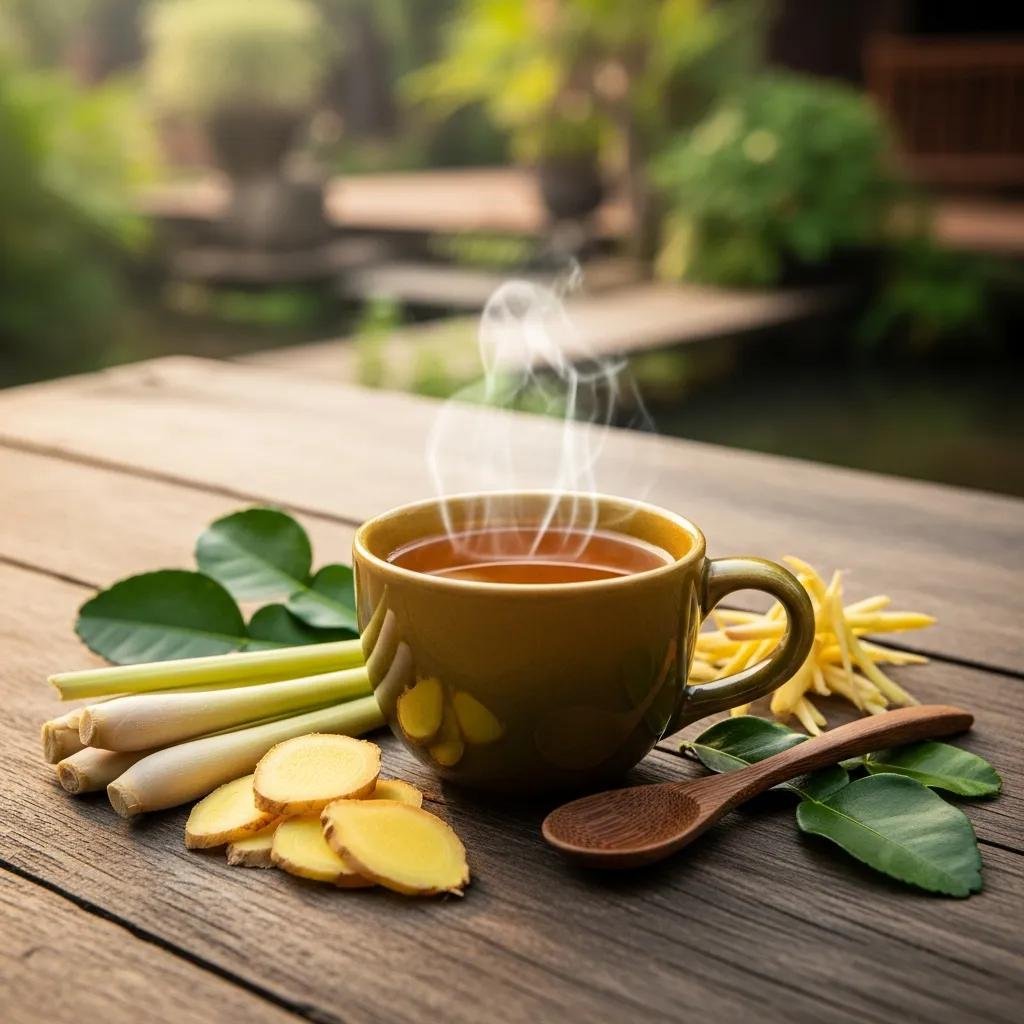
Herbal teas, such as Tapee Tea, are popular in Thailand for their soothing and healing properties. Tapee Tea is made from a blend of herbs known to support joint comfort and relaxation, directly contributing to physical healing and mental tranquility.
- Preparation for Healing: To prepare Tapee Tea, steep the herbs in hot water for several minutes, allowing the beneficial compounds to infuse into the tea. This method maximizes the extraction of healing properties.
- Health Benefits for Healing: This tea is often consumed to relieve joint pain and promote relaxation, making it a favorite among those seeking natural remedies for chronic discomfort and stress-related ailments. For more herbal tea options that support healing, visit ArtisanThai.com’s tea selection.
The cultural significance of herbal teas in Thai society highlights their role in daily wellness practices and as a gentle yet effective path to healing.
Thai Herbal Massage Oils and Compresses: Topical Healing Power
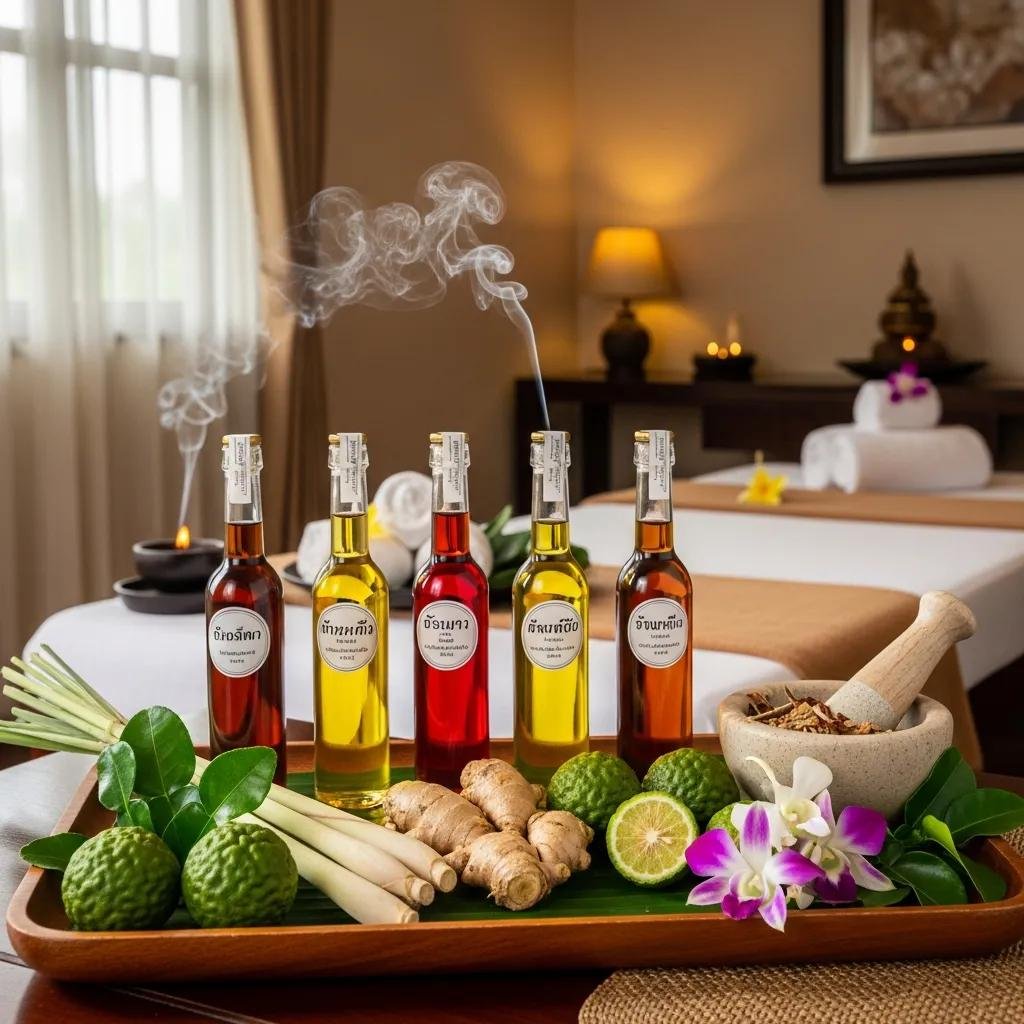
Thai herbal massage oils and compresses are integral to traditional Thai healing practices. These products are designed to enhance relaxation, alleviate muscle tension, and promote localized healing.
- Massage Oils for Healing: Typically infused with herbs like lemongrass and ginger, these oils are used in therapeutic massages to relieve soreness, improve circulation, and facilitate muscle recovery. Explore ArtisanThai.com’s massage oil range for targeted healing.
- Herbal Compresses for Healing: Made from a mixture of herbs wrapped in cloth, these compresses are steamed and applied to the body to soothe aches, reduce inflammation, and promote deep relaxation, aiding in the body’s natural healing processes. Learn more about the benefits of herbal compresses in traditional therapy.
Expert Insight: “The application of warm herbal compresses directly to affected areas allows for deep penetration of healing compounds, offering immediate relief and long-term therapeutic benefits, especially for musculoskeletal issues,” explains Niran Pongpanit, Certified Thai Traditional Medicine Herbalist.
The use of these remedies reflects the holistic approach of Thai medicine, emphasizing the profound connection between body and mind in the healing process.
Modern Scientific Validation of Thai Herbal Healing Power
The healing power of Thai herbs is increasingly supported by rigorous scientific research, validating their traditional uses and benefits and bridging ancient wisdom with modern understanding.
Recent Studies Validating Traditional Uses of Thai Herbal Medicine for Healing
Recent studies have extensively explored the efficacy of various Thai herbs, providing compelling evidence for their traditional healing applications.
- Research Findings on Healing: Studies have consistently shown that herbs like turmeric and lemongrass possess significant anti-inflammatory, antioxidant, and antimicrobial properties, directly supporting their use in traditional medicine for a wide range of healing purposes. For example, a review in the Journal of Ethnopharmacology often features such findings, detailing the mechanisms of herbal healing.
- Cultural Relevance and Healing: These findings reinforce the importance of traditional knowledge in modern health practices, demonstrating that centuries of empirical observation hold significant scientific merit in the realm of healing.
The integration of scientific research with traditional wisdom enhances our understanding of the profound healing benefits of Thai herbs, paving the way for their broader acceptance in contemporary healthcare.
How Modern Phytochemical Findings Enhance Understanding of Thai Herbs’ Healing Power
Modern phytochemical research has revealed the complex array of bioactive compounds present in Thai herbs, shedding light on their precise healing mechanisms and health benefits.
- Key Phytochemicals for Healing: Compounds such as curcuminoids in turmeric, gingerols in ginger, and citral in lemongrass contribute significantly to their therapeutic effects. Advanced analytical techniques, detailed in journals like Phytochemistry, allow scientists to isolate and study these healing agents.
- Research Implications for Healing: Understanding these specific compounds allows for better formulation of herbal products, targeted health benefits, and the development of standardized extracts that maximize healing potential.
This ongoing research underscores the significance of Thai herbs in contemporary wellness practices, moving them from traditional remedies to scientifically validated healing agents.
Condition-Specific Healing Protocols with Thai Herbs
Thai herbs offer targeted support for various health conditions, providing natural pathways to healing and relief.
Healing Inflammation with Thai Herbs
Chronic inflammation is at the root of many diseases. Thai herbs provide powerful anti-inflammatory support.
- Key Herbs: Turmeric, Ginger, Holy Basil, Galangal.
- Protocol Framework:
Daily Turmeric Supplementation: 500-1000mg curcumin extract daily, preferably with black pepper for absorption.
Ginger Tea: 2-3 cups daily of fresh ginger tea (steep 1-inch sliced ginger in hot water for 10-15 mins).
Holy Basil Infusion: Incorporate Holy Basil tea or capsules for systemic anti-inflammatory and adaptogenic effects.
Topical Application: Use Thai herbal compresses or massage oils containing ginger and turmeric on inflamed joints or muscles.
Digestive Healing and Support with Thai Herbs
For centuries, Thai herbs have been used to soothe the digestive system and promote gut health.
- Key Herbs: Lemongrass, Ginger, Holy Basil.
- Protocol Framework:
Lemongrass Tea: Drink 1-2 cups of lemongrass tea daily to soothe the digestive tract and reduce bloating.
Ginger for Nausea/Indigestion: Chew a small piece of fresh ginger or drink ginger tea before meals.
Holy Basil for Stress-Related Digestion: Regular consumption of Holy Basil tea can calm the nervous system, aiding stress-induced digestive issues.
Dietary Integration: Incorporate these herbs into daily cooking for continuous digestive support.
Boosting Immunity and Healing with Thai Herbs
Strengthening the body’s natural defenses is crucial for preventing illness and supporting recovery.
- Key Herbs: Holy Basil, Ginger, Turmeric.
- Protocol Framework:
Daily Holy Basil: Regular intake of Holy Basil (tea or supplement) to enhance immune response and reduce susceptibility to infections.
Ginger and Turmeric Shots: Blend fresh ginger, turmeric, a squeeze of lemon, and a pinch of black pepper for a potent immune boost.
Herbal Inhalations: For respiratory healing, inhale steam from hot water infused with lemongrass and ginger.
Pain Relief and Healing with Thai Herbs
Thai herbs offer natural alternatives for managing various types of pain, from muscle soreness to chronic discomfort.
- Key Herbs: Turmeric, Ginger, Lemongrass (topical), Galangal.
- Protocol Framework:
Systemic Anti-inflammatory: Consistent daily intake of Turmeric and Ginger supplements or teas.
Topical Pain Relief: Apply Thai herbal massage oils or warm compresses containing ginger, lemongrass, and galangal directly to painful areas.
Tapee Tea for Joint Pain: Regular consumption of Tapee Tea for chronic joint discomfort.
Stress Reduction and Mental Healing with Thai Herbs
Addressing stress is vital for overall well-being and allows the body to focus on healing.
- Key Herbs: Holy Basil, Butterfly Pea, Lemongrass.
- Protocol Framework:
Holy Basil for Adaptogenic Support: Daily Holy Basil tea or supplement to help the body manage stress and promote mental clarity.
Butterfly Pea Tea: Enjoy a calming cup of Butterfly Pea tea in the evening to promote relaxation and improve sleep quality.
Lemongrass Aromatherapy: Use lemongrass essential oil in a diffuser or in a warm bath for its calming and uplifting effects.
Synergistic Herb Combinations for Enhanced Healing Power
The true genius of Thai herbal medicine often lies in the synergistic combinations of herbs, where their combined effects are greater than the sum of their individual parts, leading to more profound healing outcomes.
- Turmeric & Black Pepper: Black pepper (specifically piperine) significantly enhances the bioavailability of curcumin in turmeric, maximizing its anti-inflammatory and antioxidant healing potential.
- Ginger & Lemongrass: This combination is excellent for digestive healing, soothing upset stomachs, and reducing bloating, while also offering anti-inflammatory benefits.
- Holy Basil & Ginger: A powerful duo for immune support and stress reduction, helping the body adapt to stressors while bolstering its defenses.
- Galangal & Turmeric: Combining these two potent anti-inflammatory herbs can offer enhanced relief for joint pain and systemic inflammation.
Expert Insight: “In traditional Thai healing, we rarely use a single herb. The art is in blending, creating formulas where herbs complement each other, enhancing efficacy and minimizing potential side effects. This synergy is key to holistic healing,” notes Niran Pongpanit.
Preparation Methods for Maximum Healing Benefits of Thai Herbs
The way Thai herbs are prepared significantly impacts their healing efficacy. Different methods extract different compounds, optimizing their therapeutic potential.
- Teas and Infusions: Ideal for water-soluble compounds. Steeping fresh or dried herbs in hot water is excellent for digestive support, stress relief, and general wellness.
- Decoctions: For harder parts like roots, barks, or tougher leaves (e.g., ginger, galangal, turmeric), simmering in water for a longer period extracts more potent compounds.
- Tinctures: Alcohol-based extracts that concentrate the active compounds, offering a potent and easily absorbed form of herbal medicine.
- Poultices and Compresses: Applying crushed fresh herbs or steamed herbal bundles directly to the skin allows for localized absorption, ideal for pain, inflammation, and skin conditions.
- Culinary Integration: Incorporating herbs into daily cooking (e.g., curries, soups) provides continuous, gentle therapeutic benefits.
Dosage Guidelines for Healing with Thai Herbs
While specific dosages can vary based on the herb, individual constitution, and condition, general guidelines can help ensure safe and effective use for healing.
- Start Low, Go Slow: Begin with the lowest recommended dose and gradually increase as needed, observing your body’s response.
- Follow Product Instructions: For commercial products, always adhere to the manufacturer’s recommended dosage, especially for standardized extracts.
- Consult an Expert: For chronic conditions or specific healing protocols, consulting a qualified Thai traditional medicine practitioner or herbalist is highly recommended to determine personalized dosages.
- Typical Daily Doses (General Guidance):Turmeric (Curcumin Extract): 500-1500 mg daily (standardized to 95% curcuminoids).Ginger (Dried Powder): 1-4 grams daily.Holy Basil (Dried Leaf): 2-10 grams daily as tea, or 300-600 mg extract 2-3 times daily.Lemongrass (Fresh): 1-2 stalks steeped in tea, or 1-2 grams dried.
Safety and Contraindications: Ensuring a Safe Healing Journey
While Thai herbs are natural, they are potent and can have side effects or interact with medications. A safe healing journey requires awareness and caution.
- Pregnancy and Breastfeeding: Many herbs are not recommended during pregnancy or breastfeeding. Always consult a healthcare provider.
- Medication Interactions:Blood Thinners: Turmeric and ginger can have blood-thinning effects and may interact with anticoagulant medications.Diabetes Medications: Some herbs may affect blood sugar levels.Immunosuppressants: Herbs that boost immunity may interfere with these drugs.
- Pre-existing Conditions: Individuals with liver disease, kidney disease, or autoimmune disorders should exercise caution and seek professional advice.
- Allergies: Be aware of potential allergic reactions to specific herbs.
Expert Insight: “The ‘natural’ label doesn’t mean ‘harmless.’ Potent herbs require respect and knowledge. Always inform your primary healthcare provider about any herbal remedies you are using, especially when pursuing a healing regimen,” advises Dr. Lisa Anderson, MD.
Integrating Thai Herbs into Your Daily Healing Regimen
Seamlessly incorporating Thai herbs into your daily life can significantly support your healing journey.
- Morning Ritual: Start your day with a cup of ginger or holy basil tea for digestive and stress support.
- Culinary Delights: Use turmeric, ginger, lemongrass, and galangal in your cooking to infuse meals with healing properties.
- Post-Workout Recovery: Apply Thai herbal massage oils to soothe muscles and aid recovery.
- Evening Relaxation: Enjoy a calming cup of butterfly pea or holy basil tea before bed to promote restful sleep and mental healing.
- Targeted Support: Use specific herbal supplements (e.g., standardized curcumin) for targeted healing of chronic conditions under professional guidance.
Healing vs. Prevention Applications of Thai Herbs
Thai herbs excel in both preventing illness and actively supporting the healing process once an ailment has manifested.
- Preventative Healing: Regular, moderate intake of herbs like holy basil and turmeric can bolster immunity, reduce chronic inflammation, and help the body maintain balance, thereby preventing the onset of disease. This is about maintaining optimal health and resilience.
- Active Healing: Higher doses or specific formulations of herbs are often used to address existing conditions, reduce symptoms, and accelerate recovery. For example, using ginger for acute nausea or turmeric for active joint inflammation. This involves a more focused and intensive application of herbal power to restore health.
Many Thai herbal practices naturally blend these two approaches, recognizing that consistent wellness practices are the best form of prevention, and targeted interventions are crucial for active healing.
Measuring Healing Progress with Thai Herbs
Understanding how to track your progress is essential when using Thai herbs for healing.
- Symptom Tracking: Keep a journal to note changes in symptoms (e.g., pain levels, digestive comfort, energy levels, sleep quality).
- Objective Markers: For conditions like inflammation, discuss with your doctor about tracking relevant blood markers (e.g., CRP levels) before and after a consistent herbal regimen.
- Overall Well-being: Pay attention to improvements in mood, stress resilience, and general vitality.
- Consistency is Key: Herbal healing often takes time. Consistent use over several weeks or months is usually required to see significant and lasting results.
Healing Herb Comparison Chart
| Herb | Key Healing Benefit | Active Compounds | Primary Healing Application |
|---|---|---|---|
| Turmeric | Potent Anti-inflammatory, Antioxidant | Curcuminoids | Joint pain, Chronic inflammation, Digestive issues |
| Ginger | Anti-nausea, Anti-inflammatory, Digestive Aid | Gingerols, Shogaols | Nausea, Indigestion, Muscle pain, Cold/Flu |
| Lemongrass | Detoxification, Digestive Support, Calming | Citral | Bloating, Stress, Liver support, Fever |
| Galangal | Anti-inflammatory, Antimicrobial, Digestive Aid | Galangin, Gingerols | Digestive complaints, Respiratory issues, Infections |
| Holy Basil | Adaptogenic, Stress Relief, Immune Support | Eugenol, Rosmarinic Acid | Stress, Anxiety, Immune boosting, Respiratory health |
| Butterfly Pea | Antioxidant, Cognitive Enhancer, Calming | Anthocyanins | Memory, Anxiety, Eye health, Skin/Hair health |
Condition-to-Herb Matching Guide for Targeted Healing
This guide helps you quickly identify which Thai herbs are traditionally and scientifically recognized for specific healing needs.
- Inflammation & Pain: Turmeric, Ginger, Galangal, Holy Basil. Explore protocols.
- Digestive Issues (Nausea, Bloating, Indigestion): Ginger, Lemongrass, Galangal. Explore protocols.
- Stress & Anxiety: Holy Basil, Butterfly Pea, Lemongrass. Explore protocols.
- Immune Support: Holy Basil, Ginger, Turmeric. Explore protocols.
- Cognitive Function & Memory: Butterfly Pea, Holy Basil. Explore protocols.
- Skin & Hair Health: Butterfly Pea, Turmeric (topical). Explore products.
Healing Success Stories and Clinical Study Results: Realizing the Power of Thai Herbs
The transformative healing power of Thai herbs is not just anecdotal; it’s increasingly backed by compelling personal accounts and robust scientific investigation.
Personal Journeys of Healing Transformation
“For years, I struggled with chronic joint pain that limited my daily activities. After incorporating Tapee Tea and a daily turmeric supplement from ArtisanThai.com into my routine, I’ve experienced a remarkable reduction in inflammation and discomfort. I feel more mobile and energetic than I have in a decade. Thai herbs truly offered me a path to healing I hadn’t found elsewhere.” – *Anya S., 52, Customer Testimonial*
“My digestive issues were a constant source of stress. Following a consultation with an ArtisanThai.com herbalist, I started a regimen of lemongrass and ginger tea, along with dietary adjustments. Within weeks, the bloating and discomfort significantly decreased. It’s incredible how these natural remedies brought such profound healing to my gut.” – *Mark T., 38, Customer Testimonial*
Breakthroughs in Clinical Research on Thai Herbal Healing
Recent clinical studies continue to validate the traditional uses of Thai herbs, providing a scientific foundation for their healing claims:
- Turmeric for Osteoarthritis: A randomized, double-blind, placebo-controlled study published in the *Journal of Medicinal Food* demonstrated that curcumin extract significantly reduced pain and improved physical function in patients with knee osteoarthritis, comparable to conventional NSAIDs, but with fewer side effects. This highlights turmeric’s powerful healing role in inflammatory conditions. Read the study.
- Holy Basil for Stress and Anxiety: Research in *Evidence-Based Complementary and Alternative Medicine* found that participants taking Holy Basil extract experienced significant reductions in general stress symptoms, anxiety, and depression compared to a placebo group. This underscores Holy Basil’s adaptogenic healing capacity. View the research.
- Ginger for Nausea: Multiple meta-analyses, including one in *Phytomedicine*, have consistently shown ginger to be effective in reducing various forms of nausea, including morning sickness, chemotherapy-induced nausea, and post-operative nausea, confirming its long-standing traditional use for digestive healing. Access the meta-analysis.
These stories and studies collectively paint a clear picture of the potent and proven healing power of Thai herbs, offering hope and effective natural solutions for a wide array of health challenges. For more detailed research and studies, visit ArtisanThai.com/research-studies.
Ready to Experience Authentic Thai Wellness and Healing?
Explore our curated selection of premium Thai herbal products, crafted with tradition and backed by quality, to embark on your personal healing journey.
Frequently Asked Questions About Thai Herbs and Their Healing Effectiveness
1. What scientific evidence supports the healing effectiveness of Thai herbs?
The healing effectiveness of Thai herbs is increasingly supported by a growing body of scientific research. Numerous studies, often published in journals like the Journal of Ethnopharmacology and PubMed, validate their traditional uses. For instance, curcumin in turmeric is extensively studied for its anti-inflammatory properties, while holy basil’s adaptogenic effects on stress are well-documented. These studies identify active compounds (phytochemicals) and explain their mechanisms of action, providing a modern scientific basis for their healing power. For a deeper dive, visit ArtisanThai.com/research-studies.
2. Which Thai herbs are considered fastest-acting for healing acute conditions?
While “fastest-acting” can vary by individual and condition, some Thai herbs are known for providing relatively quicker relief for acute symptoms. Ginger, for example, is often fast-acting for nausea and acute digestive upset. Topical applications of herbal compresses or massage oils containing ginger, lemongrass, and galangal can provide rapid relief for muscle pain and localized inflammation. For stress relief, holy basil can often induce a calming effect within a shorter timeframe compared to long-term adaptogenic benefits. However, for deep, sustained healing, consistent use over time is generally recommended.
3. Can Thai herbs be combined for enhanced healing, and how?
Yes, Thai herbs are frequently combined to create synergistic effects, where their combined healing power is greater than individual use. For example, combining turmeric with black pepper significantly enhances curcumin absorption, maximizing its anti-inflammatory benefits. Ginger and lemongrass are often blended for comprehensive digestive support. When combining herbs, it’s crucial to understand their individual properties and potential interactions. Consulting a qualified herbalist or a Thai traditional medicine practitioner is highly recommended to create safe and effective synergistic blends tailored to your specific healing needs. Our healing protocols offer guidance on effective combinations.
4. Is there a difference between using Thai herbs for healing versus symptom relief?
Yes, there’s a nuanced difference. Symptom relief often focuses on alleviating immediate discomfort (e.g., ginger for nausea). Healing, however, implies addressing the root cause of an imbalance and restoring the body’s natural functions over time. Many Thai herbs offer both. For instance, turmeric can provide acute anti-inflammatory relief (symptom relief) but also works to modulate inflammatory pathways long-term, contributing to deeper healing. The approach (dosage, duration, combination) often differs depending on whether the goal is quick relief or profound, sustained healing. Thai traditional medicine emphasizes holistic healing, aiming to restore balance rather than just mask symptoms.
5. What are the safety considerations when using Thai herbs for healing, especially with existing health conditions?
Safety is paramount when using Thai herbs for healing, especially with existing health conditions or medications. While generally safe, some herbs can interact with pharmaceuticals (e.g., turmeric and ginger with blood thinners) or may not be suitable for certain conditions (e.g., pregnancy, liver disease). It is essential to:
- Consult a healthcare professional or a qualified Thai traditional medicine practitioner before starting any new herbal regimen.
- Disclose all existing health conditions and medications.
- Start with low doses and monitor your body’s response.
- Choose products with Thai FDA certification to ensure quality and safety.
6. How long does it typically take to see healing results from Thai herbs?
The timeframe for seeing healing results from Thai herbs varies widely depending on the individual, the specific herb(s) used, the condition being addressed, and the severity of the condition. For acute symptoms like mild indigestion or stress, some relief might be felt within hours or days. However, for chronic conditions or deeper healing processes (e.g., reducing chronic inflammation, improving long-term digestive health, or adapting to stress), it often requires consistent use over several weeks to several months to observe significant and lasting improvements. Patience and consistency are key to unlocking the full healing potential of Thai herbs.
7. When should I seek professional guidance for my healing journey with Thai herbs?
It is always advisable to seek professional guidance when embarking on a healing journey with Thai herbs, especially if you have:
- A chronic or severe health condition.
- Are taking prescription medications.
- Are pregnant, breastfeeding, or planning to conceive.
- Experience any adverse reactions to herbs.
- Are unsure about appropriate dosages or combinations.
Conclusion: Empowering Your Healing Journey with Thai Herbs
The healing power of Thai herbs is profound, offering a wealth of benefits rooted in ancient wisdom and increasingly validated by modern science. From potent anti-inflammatory properties to profound digestive and stress support, these botanical treasures provide a holistic pathway to wellness and deep healing. By understanding their intricate properties, traditional uses, and the critical importance of authenticity in products, individuals can effectively incorporate these powerful herbs into their health routines, taking an active role in their own healing transformation.
ArtisanThai.com stands as a reliable source for authentic Thai herbal products, ensuring that consumers have access to the best that Thai herbal medicine has to offer. We are committed to empowering your healing journey with quality, tradition, and scientific insight.
Medical Disclaimer: Information provided for educational purposes only. Not intended to diagnose, treat, cure, or prevent any disease. Consult qualified healthcare providers before using herbal remedies, especially with pre-existing conditions or medications.