
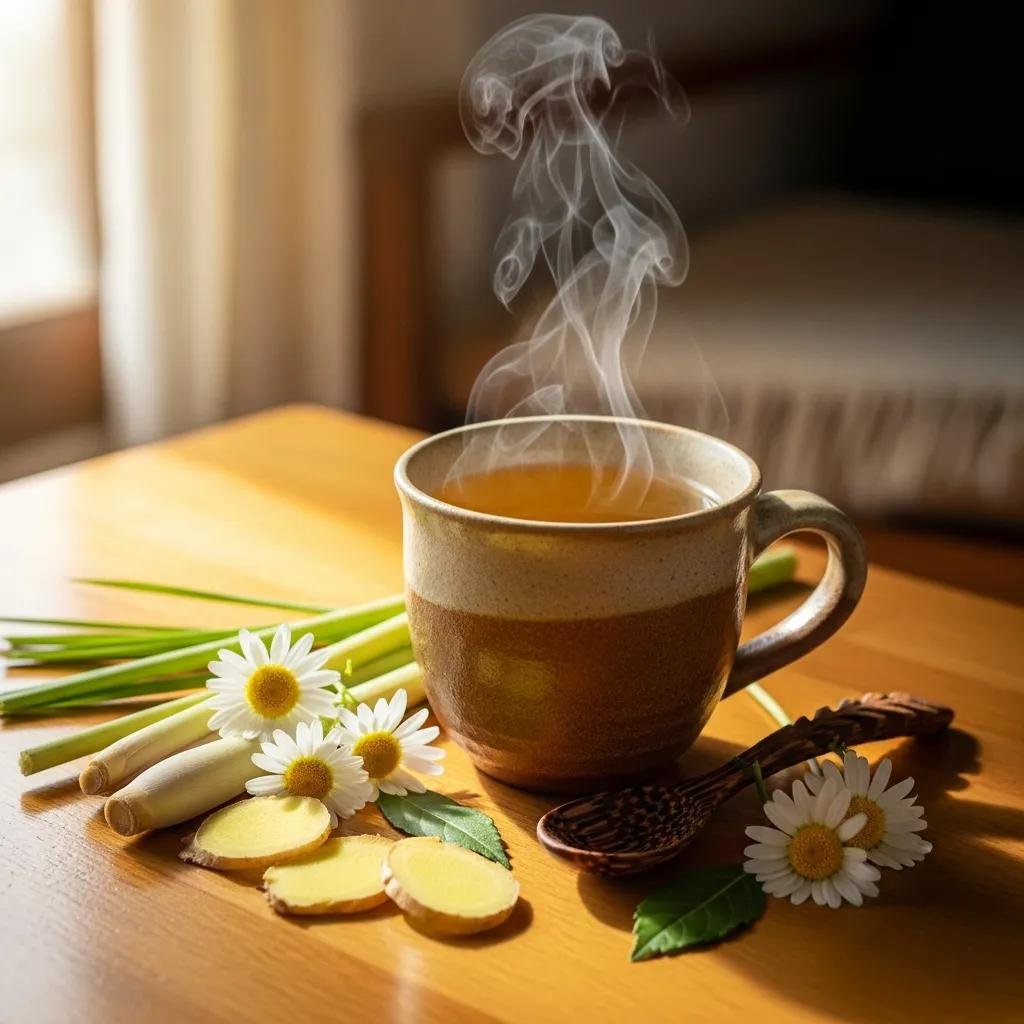
What Wellness Benefits Do Your Herbal Products Offer? Discover Thai Herbal Tea Traditions and Natural Support
Herbal wellness products have become increasingly popular among people looking for gentle, nature‑inspired support for everyday well‑being. This article looks at how Thai herbal wellness products, especially Thai herbal teas, are traditionally used to support comfort, relaxation, and digestive ease. Rather than positioning them as medicine, we frame these products as part of a holistic lifestyle that values herbs, rest, and mindful daily rituals.
You will discover common themes in Thai herbal wellness, the role of specific herbs in blends like Tapee Tea, and how principles from Traditional Thai Medicine (TTM) inform their use. The goal is to help you understand where these products fit—as complementary, enjoyable options alongside, not instead of, professional medical care.
What Are the Key Wellness Benefits Associated with Thai Herbal Products?
Thai herbal wellness products draw on a long history of herbal practice and everyday home remedies. They typically combine several herbs that are chosen for how they taste and how they have traditionally been used, rather than for high, pharmacological doses. Common wellness themes include:
- Joint and movement comfort: Some Thai herbal teas are chosen by people who want gentle, day‑to‑day support for flexible, comfortable movement.
- Digestive ease: Other blends focus on herbs that are used traditionally after meals to help the body feel lighter and more settled.
- Relaxation and stress support: Calming herbs and aromatic flowers are often combined in evening teas to support a sense of relaxation and unwinding.
These themes show how Thai herbal products are intended to complement healthy habits such as good sleep, movement, and balanced eating.
How Might Thai Herbal Teas Support Everyday Joint Comfort?
Many Thai herbal teas include warming roots and spices such as turmeric and ginger. These plants have been studied for their roles in inflammatory pathways, circulation, and overall comfort when used in various forms and doses. In a tea, they contribute a milder level of plant compounds along with heat and flavour, which people often find soothing as part of a daily routine.
Because the strength of tea is lower than that of concentrated extracts or capsules, it is best to view Thai herbal teas as one part of a broader approach to joint well‑being that can also include movement, rest, and, when appropriate, medical treatment.
Which Herbs Traditionally Support Digestive Comfort in Thai Remedies?
In Traditional Thai Medicine, several herbs are commonly used for digestive comfort. Lemongrass is often brewed to soothe the stomach and ease feelings of heaviness after eating. Peppermint is widely known for its cooling aroma and its traditional use in easing gas and mild discomfort, while Thai cardamom is used to support digestion and help prevent bloating.
Enjoying these herbs in tea form after meals can become a simple ritual that encourages mindful eating and gives the body a gentle, warm signal that mealtime has ended.
How Does Tapee Tea Support Relaxation and Everyday Stress Relief?

Tapee Tea is designed as a calming herbal blend that fits naturally into relaxation rituals such as an evening wind‑down or a quiet break in the day. Its ingredients are selected for their traditional use in promoting a sense of ease, along with a flavour profile that encourages slow, mindful sipping.
Which Tapee Tea Ingredients Are Linked with Calm and Mood Support?
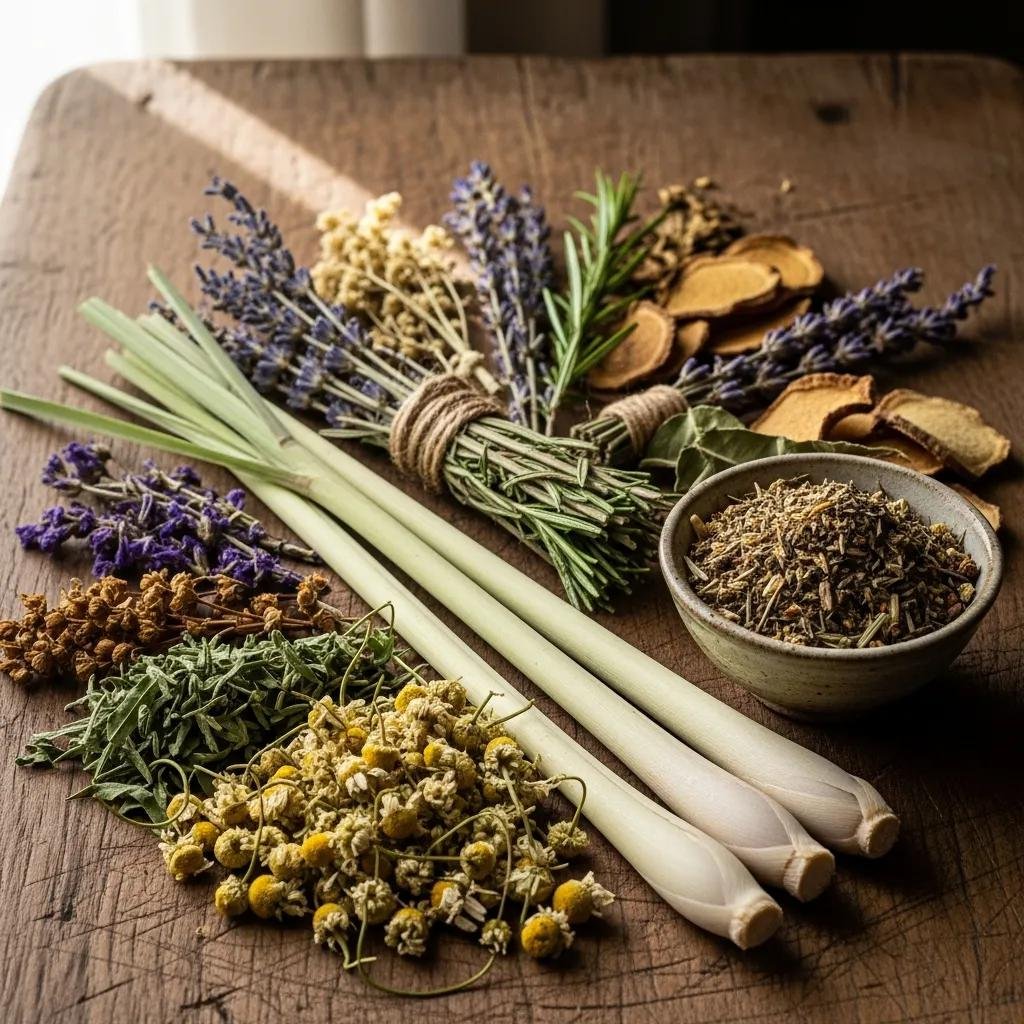
Key calming ingredients in Tapee Tea include chamomile and lemongrass. Chamomile is widely known and traditionally used as a bedtime herb, often chosen by people who want a gentle, non‑caffeinated drink before sleep. Lemongrass adds a bright, citrusy aroma and is also used in many cultures in teas associated with relaxation and digestive ease.
Together with other herbs in the blend, these ingredients help create a soothing cup that many people associate with unwinding after a busy day.
How Does Traditional Thai Medicine Explain Herbal Relaxation Benefits?
Traditional Thai Medicine places strong emphasis on balance between body and mind. Emotional stress is seen as something that can disturb this balance, and herbal remedies are used alongside massage, movement, and dietary practices to help restore harmony. Calming herbs are chosen not only for their physical actions but also for their aroma, warmth, and how they fit into daily rituals.
When you drink a tea like Tapee Tea as part of a regular routine—perhaps with slow breathing or quiet time—you are applying a simple TTM principle: using herbs and mindful pauses together to support overall well‑being.
What About Antioxidant Support and the Immune System in Thai Herbal Teas?
Many Thai herbal teas also feature herbs that are naturally rich in plant antioxidants. Antioxidants help the body manage normal oxidative stress from everyday life. While tea‑strength preparations are gentle compared with supplements, they still contribute to overall plant variety in the diet.
Which Thai Herbs Are Known for Antioxidant Nourishment and Immune Support?
Thai black ginger and Sea Holly are two examples of herbs sometimes featured in Thai wellness blends. Thai black ginger has been studied for its potential roles in energy, circulation, and antioxidant defence in various preparations, and it has a long history in Thai herbal practice. Sea Holly is valued for its mineral and phytonutrient content, which fits well into blends aimed at general vitality.
In tea form, these herbs are best viewed as part of a lifestyle that includes a varied diet rich in fruits, vegetables, and other plant foods, rather than as stand‑alone immune solutions.
How Does Tapee Tea Fit into Supporting the Body’s Natural Defences?
The combination of herbs in Tapee Tea offers a broad mix of traditional Thai botanicals. Each herb contributes its own set of plant compounds, and together they support a pattern of regular, gentle intake rather than a single strong effect. People often choose such blends when they want a daily ritual that feels nurturing and in tune with natural rhythms.
Regularly enjoying herbal teas can also encourage healthier habits overall, such as replacing sugary drinks or taking intentional breaks during the day, which indirectly supports general well‑being.
How Do Traditional Thai Medicine Principles Shape Herbal Wellness Products?
The design of Thai herbal wellness products is closely influenced by Traditional Thai Medicine. TTM looks at the body through concepts such as elements and energy flow, aiming to keep systems balanced rather than only addressing single symptoms. Herbs are combined in ways that reflect these principles, with careful consideration of warming and cooling qualities, taste, and the individual’s constitution.
What Is Traditional Thai Medicine and How Does It View Holistic Health?
Traditional Thai Medicine is a comprehensive system that integrates physical, mental, and spiritual aspects of health. It incorporates herbs, massage, diet, and spiritual practices, recognizing that well‑being involves more than simply removing disease. In this framework, herbal wellness products are tools to support the body’s natural tendency toward balance.
Modern development of Thailand’s herbal medicinal product system has focused on documenting traditional knowledge, improving quality control, and integrating safe, evidence‑informed herbal use into the national healthcare landscape.
How Are Thai Herbal Ingredients Selected for Wellness Products in Line with TTM?
Herbs are typically chosen based on both traditional usage and emerging scientific understanding. Practitioners and formulators look at how herbs have been used historically, how they interact with each other, and what modern research suggests about their safety profiles. This approach helps ensure that blends such as Tapee Tea are balanced and suitable for long‑term, moderate use by generally healthy adults.
By honouring TTM principles and modern quality standards, companies like ArtisanThai can offer products that reflect Thai heritage while meeting contemporary expectations around safety and transparency.
What Are the Notable Roles of Key Herbs in Tapee Tea?
Tapee Tea draws its character from several key herbs, each bringing a slightly different focus to the overall blend. Instead of relying on any single “hero” ingredient, it uses synergy between herbs to support a broad sense of comfort and balance.
How Is Derris scandens Used for Joint and Muscle Comfort?
Derris scandens is an important herb in Thai traditional formulations for musculoskeletal comfort. Research on concentrated forms of Derris scandens has explored its use as an herbal option alongside standard pain medications in specific clinical settings. In tea blends, it appears in much gentler amounts, contributing to the tradition of using decoctions and infusions to support day‑to‑day ease of movement.
Because musculoskeletal issues can have many causes, products containing Derris scandens should be seen as complementary options, not replacements for professional assessment or prescribed treatment.
What Digestive Roles Do Sea Holly and Thai Cardamom Play?
Sea Holly and Thai cardamom are often included in Tapee Tea to support digestive comfort. Sea Holly is used traditionally to encourage healthy gut function, while Thai cardamom is known in Thai and regional cuisines for easing feelings of fullness and gas after heavier meals. Together, they help make Tapee Tea an appealing choice for a post‑meal drink.
Their gentle actions make them suitable for regular use for many people, though anyone with specific digestive conditions should still seek guidance from a healthcare professional.
How Can Consumers Incorporate Herbal Wellness Products into Daily Life?
Bringing Thai herbal wellness products into your daily routine can be simple and enjoyable. The key is consistency and choosing times of day when a tea ritual naturally fits your schedule and goals.
What Are Practical Ways to Brew and Enjoy Thai Herbal Teas?
To brew Thai herbal teas, pour hot (just off‑boiling) water over the tea leaves or tea bag and steep for about 5–7 minutes, adjusting time to taste. Longer steeping generally produces a stronger flavour and more concentrated infusion. You can add a little honey or lemon if desired, but many people enjoy the natural taste of the herbs themselves.
Drinking Tapee Tea in the morning as a gentle start or in the evening as a calming ritual can help anchor your day with a simple, mindful practice.
How Often Can Herbal Teas Be Enjoyed as Part of a Wellness Routine?
Many healthy adults enjoy 1–3 cups of herbal tea per day as part of their routine. How much is appropriate depends on individual factors such as caffeine sensitivity, overall health, and personal preference. It can be helpful to start with one cup daily and notice how you feel over time.
If you are pregnant, breastfeeding, living with a chronic health condition, or taking medications, it is wise to discuss regular herbal tea use with a healthcare professional before increasing your intake.
Why Choose ArtisanThai for Authentic, Ethically Sourced Herbal Products?
ArtisanThai focuses on offering Thai herbal wellness products that stay true to their cultural roots while meeting modern expectations for quality and ethics. This involves close collaboration with local producers and a commitment to clear ingredient lists and honest communication.
How Does ArtisanThai Support Quality and Authenticity for Tapee Tea?
ArtisanThai works with growers and producers who follow sustainable practices and careful handling of raw herbs. The company emphasizes transparent sourcing and labelling so customers know what is in each blend and where it comes from. Where applicable, products align with relevant Thai regulatory standards or certifications, adding another layer of reassurance.
How Does Ethical Sourcing Benefit Thai Communities and the Environment?
By prioritizing ethical sourcing, ArtisanThai helps sustain traditional knowledge and livelihoods in Thai communities. Paying fair prices and maintaining long‑term relationships with producers supports both quality and cultural continuity. Environmentally conscious farming and harvesting practices also help protect the ecosystems where these herbs grow.
When you choose ethically sourced Thai herbal products, you not only support your own wellness rituals but also contribute to the resilience of the communities and landscapes that make those products possible.
Common Questions About Thai Herbal Wellness Products
As interest in herbal wellness grows, many people have questions about how to use these products safely and effectively.
Are Thai Herbal Teas Free from Artificial Additives?
ArtisanThai focuses on teas made from authentic herbs and natural ingredients, without artificial flavours or colours. Always check the ingredient list on each product page or package to confirm that a specific blend meets your personal standards and any dietary requirements.
What Should Consumers Know About Allergies and Interactions?
As with any herbal product, it is possible to be sensitive or allergic to one or more ingredients. If you have known plant allergies (for example, to chamomile or members of the mint family), review labels carefully and introduce new teas slowly. People taking medications or managing health conditions should consult a healthcare provider before using herbal products regularly, to check for possible interactions.
Disclaimer: The information in this article is for educational purposes only and does not replace professional medical advice, diagnosis, or treatment. Always consult a qualified healthcare professional before using herbal products for specific health concerns or together with medications.
 English
 Chinese
 French
 German
 Hindi
Hindi Indonesian
 Malay
Malay Portuguese
 Spanish