
Important Notice: This article is for educational and informational purposes only and does not constitute medical advice. Always speak with a qualified healthcare professional before making decisions about your health or starting any new herbal products, especially if you have existing conditions, are pregnant, or are breastfeeding. Herbal products can interact with medications.
Authored by: ArtisanThai.com Content Team — about us
Medically Reviewed by: Dr. Anya Sharma, MD, PhD in Ethnobotany, Certified Traditional Thai Medicine Practitioner. Dr. Sharma focuses on integrative medicine and traditional healing systems, helping ensure the information presented is balanced, accurate, and evidence‑aware. Learn more at about us.
Best Herbal Products From Thailand for Natural Wellness: Discover Traditional Thai Medicine Benefits
Traditional Thai medicine (TTM) is a holistic approach that emphasises harmony between body, mind, and spirit. This article explores widely used herbal products from Thailand and how they fit into natural wellness routines. You will learn about core ideas in TTM, important Thai herbs and their roles, and practical ways to include Thai herbal products in daily life. Many people today look for natural options alongside conventional medicine, and Thai herbal products offer a tradition‑rich path for supporting overall wellbeing. This guide covers the essence of TTM, the roles of specific herbs, and typical applications in a holistic lifestyle.
What Is Traditional Thai Medicine and How Does It Support Natural Wellness?
Traditional Thai medicine is a comprehensive system that integrates herbal products, bodywork, and spiritual practices. Rooted in ancient philosophies, it views health as a state of balance in physical, emotional, and spiritual dimensions. TTM supports natural wellness through techniques such as herbal use, Thai massage, and meditative practices that all aim to restore and maintain harmony. It places strong emphasis on prevention and on the body’s capacity to rebalance itself, making it a valuable complement to conventional treatments.
What Are the Core Principles of Traditional Thai Medicine?
The core principles of Traditional Thai Medicine revolve around interconnectedness and balance. Key ideas include: blog.
- Four Elements Theory: TTM describes the body in terms of four elements — earth (solids such as bones and muscles), water (fluids such as blood and lymph), fire (digestion, metabolism, warmth), and air (respiration, circulation, movement). Wellness is seen as balance among these elements, and discomfort often reflects imbalance.
- Balance and Harmony: Health is linked with equilibrium across bodily systems. TTM uses natural approaches to help restore equilibrium when it appears disturbed.
- Holistic Perspective: TTM looks at the whole person, including emotional and spiritual states as well as physical signs, recognising that sustainable wellness involves all aspects of an individual.
These principles guide practitioners in assessing and supporting clients, and they encourage lifestyle patterns that sustain balance over time.
How Does TTM Relate to Ayurveda and Traditional Chinese Medicine?
Traditional Thai Medicine shares philosophical ground with Ayurveda and Traditional Chinese Medicine (TCM) while maintaining its own distinct practices. All three systems emphasise balance, subtle energy, and holistic wellness, but their frameworks and methods differ. More in our blog.
- Shared themes: Like Ayurveda and TCM, TTM references elements, energy flow (Lom in Thai, comparable to Prana or Qi), and the importance of diet, herbs, and lifestyle.
- Unique practices: TTM includes specific approaches such as Thai massage (Nuad Thai), herbal compresses, and formulations that are shaped by local plants and Thai culture.
- Cultural context: TTM is closely linked with Thai history, Buddhist philosophy, and regional customs, giving it a distinct flavour even when concepts overlap with other Asian systems.
Recognising these similarities and differences helps highlight TTM’s unique contribution to global natural wellness traditions.
Which Thai Herbs Are Most Widely Used for Natural Wellness?
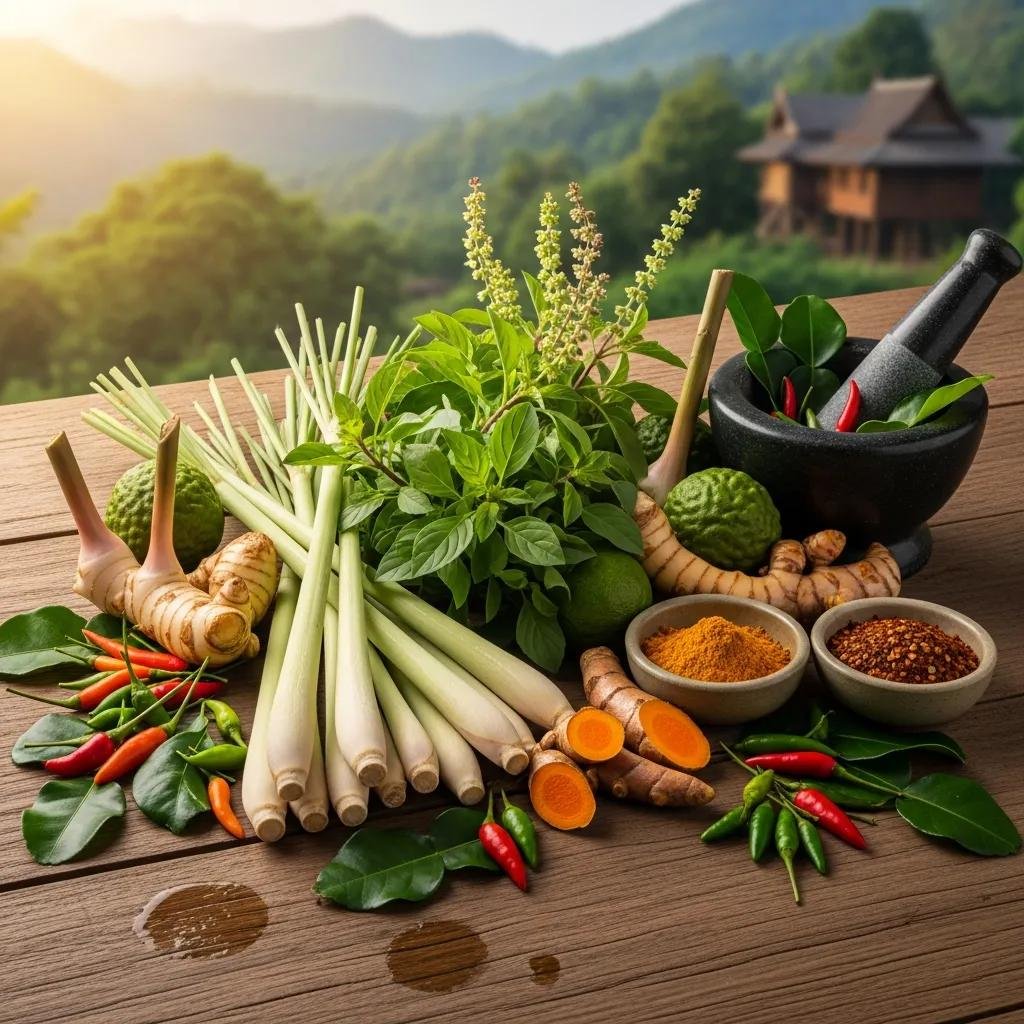
Thai herbal practice features many plants, but some stand out due to their frequent appearance in teas, foods, and topical products. Herbs such as lemongrass, holy basil, and turmeric are among the most widely recognised.
| Herb | Key Focus | Traditional Uses |
|---|---|---|
| Lemongrass | Digestive comfort, lightness | Used in teas and soups |
| Holy Basil | Stress support, resilience | Consumed as tea or supplement |
| Turmeric | Joint comfort, antioxidant intake | Used in cooking and herbal blends |
What Are the Main Roles of Lemongrass in Thai Herbal Practice?
Lemongrass is a signature Thai herb known for its clean, citrusy flavour and wide range of uses. In traditional contexts, it is associated with digestive comfort and a feeling of lightness, often used in teas and broths when people experience bloating or heaviness. Research attributes some of its notable characteristics to compounds such as citral, geraniol, and limonene, which are studied for antioxidant and antimicrobial activity. Adding lemongrass to teas, soups and curries is a simple way to bring this herb into everyday meals.
How Does Holy Basil Relate to Stress Support and Everyday Resilience?
Holy basil (Tulsi) is often described as an adaptogenic herb in modern wellness language, reflecting its traditional association with supporting people under stress. It is commonly enjoyed as a tea or in supplements in households that value its calming and centering reputation. Compounds such as eugenol and rosmarinic acid have been examined in research for their potential roles in stress response and immune support. Drinking holy basil infusions or using it in recipes is a popular way to include it in daily routines. See this tea section for related blends.
What Makes Turmeric a Focus of Modern Research and Traditional Use?
Turmeric is a cornerstone of Thai cooking and herbal practice, easily recognised by its bright yellow colour. Its main active compound, curcumin, has been widely studied for its activity on inflammatory and antioxidant pathways, particularly in joint‑related and oxidative‑stress contexts. In both traditional and modern use, turmeric appears in curries, herbal drinks, and some topical preparations. For many people, it represents a bridge between traditional kitchen wisdom and contemporary nutrition science. More on turmeric’s research profile
How Can You Use Authentic Thai Herbal Wellness Products for Holistic Health?
Bringing Thai herbal wellness products into daily life can be straightforward and enjoyable. Because these products evolved in everyday settings, they tend to fit naturally into meals, self‑care rituals, and relaxation routines. See also our general wellness FAQs.
What Are the Common Uses of Thai Herbal Teas and Balms?
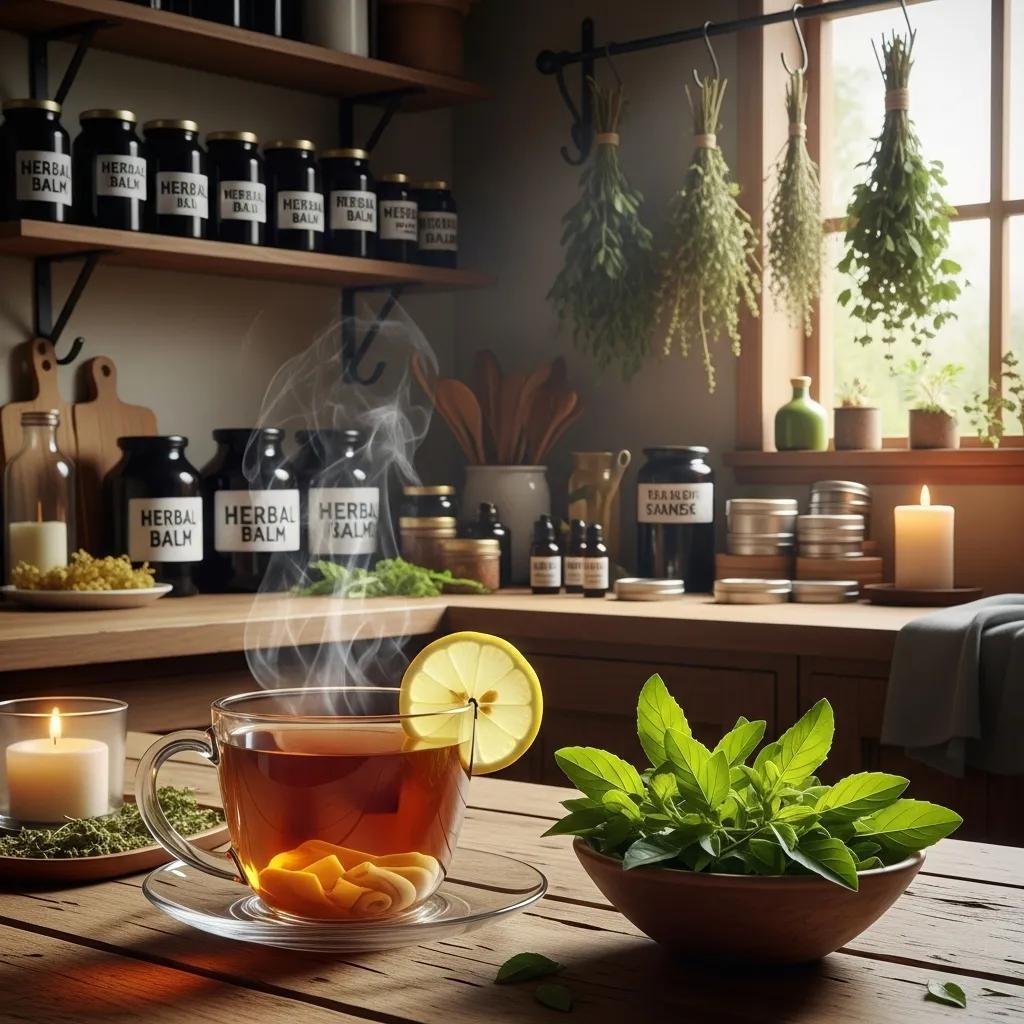
Thai herbal teas and balms are among the most accessible ways to experience traditional herbs. Teas featuring lemongrass, holy basil, and blends such as Teh Tapee provide hydration, aroma, and a sense of calm or digestive ease. Herbal balms and oils, often made with ingredients like turmeric, ginger, and plai, are applied to the skin during massage or after activity to provide warmth and a soothing sensation. These formats are easy to weave into morning, evening, or post‑exercise routines, offering a holistic, low‑barrier way to engage with Thai herbal traditions. See also our brewing guide.
What Role Do Thai Herbal Compresses Play in Wellness?
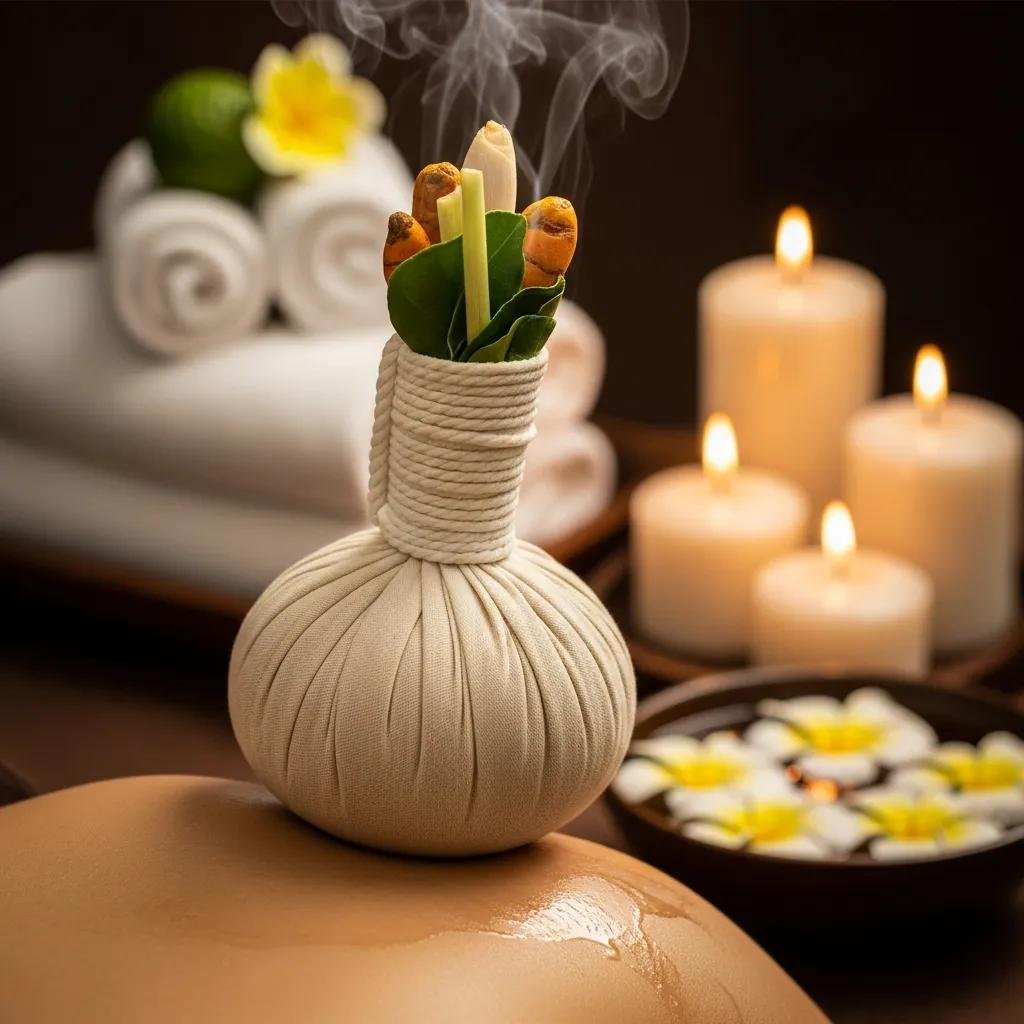
Thai herbal compresses are a distinctive feature of TTM that combine warmth, aroma, and tactile comfort. Compresses are cloth bundles filled with herbs such as lemongrass, turmeric, and kaffir lime leaves, which are steamed and then pressed or rolled over the body. The heat supports circulation and relaxation, while steam releases the herbs’ natural fragrances. Many people experience herbal compresses as a deeply soothing therapy, especially when used together with Thai massage or after intense physical activity. Complementary products such as Thai herbal massage oil often follow similar herbal themes.
How to Integrate Thai Herbal Products Into Your Daily Wellness Routine?
Integrating Thai herbal products into daily life can be as simple as starting with one or two habits and gradually expanding. Here are some practical ideas to consider: more ideas
- Morning teas: Begin the day with a cup of lemongrass or holy basil tea to set a calm and grounded tone.
- Post‑activity balms: Apply herbal balms to areas that feel tense after exercise or long periods of sitting.
- Weekend DIY: Experiment with simple herbal infusions or compresses using fresh herbs for at‑home spa moments.
What Simple DIY Thai Herbal Recipes and Steam Practices Can You Try?
Making your own basic Thai‑inspired herbal preparations at home can be both enjoyable and empowering. Here are a few straightforward options inspired by traditional practice: more recipes
- Lemongrass tea: Simmer fresh lemongrass stalks in water for about 10 minutes, strain, and serve warm or chilled.
- Holy basil infusion: Steep fresh or dried holy basil leaves in hot water for 5–7 minutes for a gentle, aromatic drink.
- Simple herbal compress: Combine sliced ginger and turmeric in a cloth bundle, steam until warm, and apply carefully to tight muscles (checking temperature before contact).
How Can Mindfulness and Meditation Complement Thai Herbal Wellness?
Mindfulness and meditation sit naturally alongside Thai herbal traditions, particularly given TTM’s emphasis on mental and spiritual balance. Setting aside a few minutes to breathe, reflect, or meditate while drinking herbal tea or after using a compress can deepen the sense of relaxation and self‑connection. These practices do not change the herbs themselves, but they can enhance the experience and encourage more consistent, intentional use of wellness routines.
Why Choose ArtisanThai.com for Authentic Thai Natural Wellness Products?
When exploring Thai herbal products, sourcing is essential. ArtisanThai.com focuses on connecting customers with products that honour both traditional knowledge and modern quality expectations.
How Does ArtisanThai.com Approach Quality, Transparency, and Sourcing?
ArtisanThai.com prioritises quality, clarity, and respect for tradition in its product range. The company works with local farmers and experienced Thai herbal producers who use time‑tested growing and harvesting methods. Products are selected and handled to preserve the character and potency of the herbs, and information is provided about ingredients, origins, and, where relevant, Thai regulatory status. This commitment to transparent sourcing and careful preparation helps customers feel more confident about the products they choose.
How Can Global Customers Access Genuine Thai Herbal Products?
Through ArtisanThai.com, customers around the world can access Thai herbal teas, balms, oils, and related products. The site offers international shipping and a user‑friendly interface, making it straightforward to browse, learn, and order. This accessibility allows people outside Thailand to connect with Thai herbal traditions while benefiting from artisan sourcing and curated product selections.
Frequently Asked Questions
What are possible side effects of using Thai herbal products?
Most people use Thai herbal products without major issues, but some may experience digestive upset, skin reactions, or interactions with medications. To use them more safely, consult a healthcare professional before starting any new herbal routine, especially if you have health conditions, are pregnant or breastfeeding, or take prescription drugs. Begin with small amounts to see how your body responds.
How can I identify authentic Thai herbal products?
Look for clear labelling, information about where herbs are grown, and any Thai or international certifications or registrations. Reputable brands describe their sourcing practices and often highlight partnerships with local farmers or cooperatives. Customer reviews and long‑standing reputation can also offer clues. Purchasing from established suppliers such as ArtisanThai.com increases the chances of getting genuine products.
Can Thai herbal products be used alongside conventional medicine?
Many people use Thai herbal products alongside conventional care, but it is important to do so under professional guidance. Some herbs can change how medicines are absorbed or processed, so discuss any herbal products with your doctor or pharmacist. This helps ensure your overall plan remains safe and coordinated. See more on this topic in our Thai herbal articles.
What is the best way to store Thai herbs and herbal products?
Store dried herbs in airtight containers in a cool, dry, dark place to protect them from moisture, light, and strong odours. Fresh herbs are best kept in the refrigerator and used within a few days. Always check best‑before dates on packaged products and discard items that show signs of spoilage such as mould, off smells, or major colour changes. Proper storage helps maintain flavour and plant quality.
Are there dietary or health considerations when using Thai herbal products?
Some herbs may not be suitable for everyone. People with specific conditions (for example, blood pressure or blood sugar concerns) or plant allergies should be especially cautious. Speaking with a healthcare provider can help tailor herbal choices to your needs and avoid potential conflicts with your existing diet or medication plan.
How can I learn more about the cultural side of Thai herbal practice?
To deepen your understanding of Thai herbal traditions, you can explore books, documentaries, and online resources that cover TTM history and practice. Visiting Thailand or attending workshops and classes on Thai herbal use can also offer first‑hand insights. Engaging with local practitioners, whether in person or through interviews and talks, adds valuable perspective on the cultural context behind the products.
Kesimpulan
Traditional Thai herbal products offer a rich, natural way to support a wellness‑focused lifestyle. By incorporating herbs like lemongrass, holy basil, and turmeric into teas, foods, and self‑care rituals, you can create routines that reflect both ancient wisdom and modern needs. For those seeking authentic products grounded in Thai tradition, ArtisanThai.com provides curated options and clear information to support your natural wellness journey.
 English
 Chinese
 French
 German
 Hindi
Hindi Indonesian
 Malay
Malay Portuguese
 Spanish