
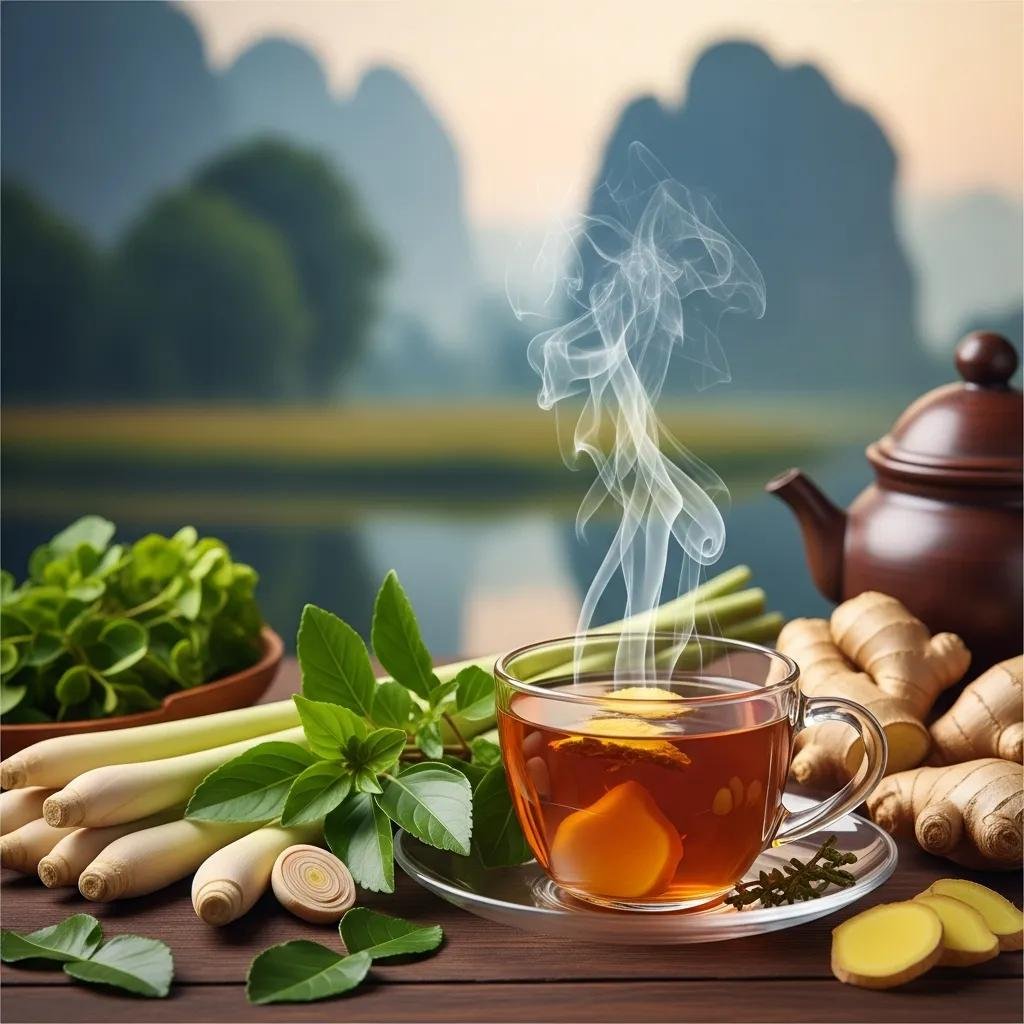
Traditional 泰国茶 Benefits for Everyday Balance: Discover Authentic Herbal Wellness with Tapee Tea
Traditional Thai tea, especially herbal infusions, is appreciated not only for its rich flavour but also for how it can gently support everyday well‑being. This article explores the many ways traditional Thai tea can fit into a modern wellness‑focused lifestyle. You’ll learn about the unique character of Thai 凉茶, the kinds of support people commonly seek from it, and simple ways to weave it into daily routines. Many individuals now turn to nature‑inspired options to complement their self‑care, and traditional Thai 凉茶 offers a flavourful, comforting choice. We look at key wellness‑oriented aspects of Thai tea, the herbs that shape those qualities, and how ArtisanThai’s Tapee Tea brings these traditions together in an authentic blend.
Across many cultures, long‑standing traditions of herbal drinks reflect how people have used plants in everyday life for comfort, balance, and enjoyment.
Traditional Herbal Drinks and Wellness Traditions
In Indonesia, for example, traditional herbal drinks known as jamu are consumed both for enjoyment and for their long‑held reputation in families and communities as supporting general well‑being. A recent review highlighted the diversity of these drinks, how they are prepared, and the key plant compounds they contain, such as curcumin, gingerol, and brazilin, which are noted for antioxidant and other bioactive properties in scientific literature.
Indonesian traditional herbal drinks: diversity, processing, and health aspects, T Estiasih, 2025
What Is Traditional 泰国茶 and How Does It Support Everyday Wellness?
Traditional Thai tea can refer both to the famous sweet iced black tea with spices and condensed milk and to unsweetened herbal infusions made from Thai herbs. Here, we focus on the herbal variety, which many people enjoy for its light, refreshing character and its alignment with holistic Thai wellness ideas. A thoughtful combination of herbs creates a drink that fits naturally into routines aimed at balance, comfort, and mindful pauses throughout the day.
How Does Traditional Thai Herbal Tea Differ from Sweetened 泰国茶?
Traditional Thai 凉茶 differs from sweetened Thai tea mainly in ingredients and overall lifestyle impact. Sweet iced Thai tea is usually made with strong black tea, sugar, and condensed milk, making it more of a treat. In contrast, herbal Thai teas focus on natural ingredients such as lemongrass, ginger, pandan, and other botanicals. These herbs are chosen for their flavour, aroma, and how they traditionally fit into post‑meal comfort, relaxation, or daily balance.
Because herbal versions can be prepared without added sweeteners, they offer a lighter option for those who want to reduce sugar while still enjoying a distinctly Thai drink.
What Are the Key Principles Behind Thai Herbal Traditions?
Thai herbal traditions are rooted in a holistic view of well‑being that emphasises balance and harmony. They draw on a wide range of herbs, each understood to have certain qualities (warming, cooling, grounding, uplifting) that can be combined to support different needs. Core ideas include favouring natural ingredients, focusing on prevention and daily care, and recognising the links between body, mind, and spirit.
Drinking traditional Thai 凉茶 fits into this framework as a simple daily practice that can accompany mindful breathing, good sleep habits, and nourishing food.
What Are Some Commonly Sought Benefits of Traditional 泰国茶?
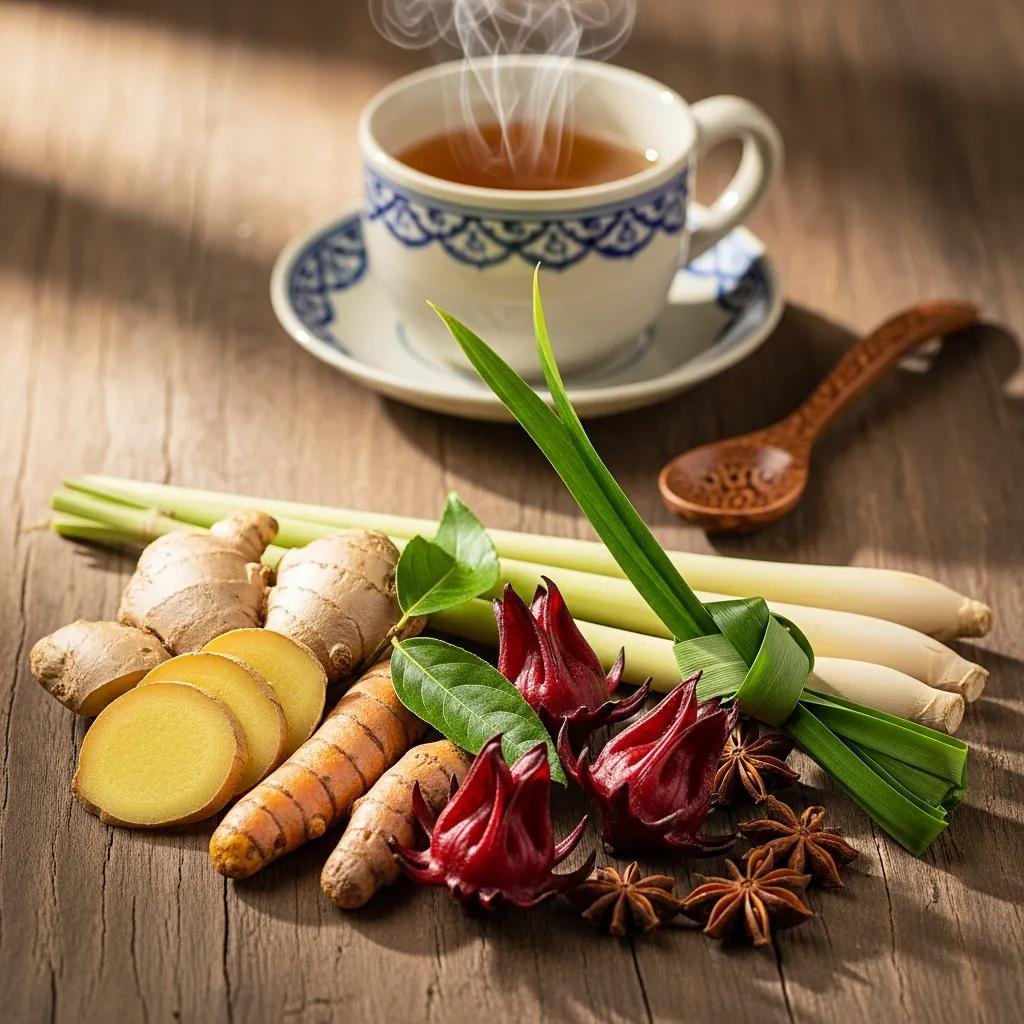
Traditional Thai 凉茶 is often included in wellness routines because its herbs are associated with several everyday comfort goals. While it is not a medicine, people commonly reach for these teas when they want gentle support for movement, digestion, or relaxation. Some frequently mentioned themes include:
- Joint and muscle comfort: Warming herbs like ginger and turmeric are widely discussed for their roles in comfort and recovery after activity.
- Digestive ease: Ingredients such as lemongrass and pandan leaf are traditionally used after meals to help the body feel lighter and more settled.
- Relaxation and mental calm: Calming herbs like chamomile and lemongrass are often chosen in evening blends to support unwinding.
How Does Tapee Tea Fit into Joint and Muscle Comfort Rituals?
Tapee Tea, a premium Thai herbal blend, includes herbs that are frequently associated with comfortable movement and post‑activity ease. Ingredients such as ginger and turmeric have been studied for their anti‑inflammatory and antioxidant profiles in more concentrated forms, and in tea they add warmth, flavour, and gentle support. Many people enjoy Tapee Tea after exercise or at the end of a busy day as a way to pair herbal warmth with stretching, rest, or other self‑care practices.
Modern research continues to examine how plants from the ginger family can be used in various preparations, adding scientific context to their long everyday use in food and drink.
Ginger & Turmeric: Long‑Used Herbal Allies
A recent comparative study on lesser‑known and familiar members of the Zingiberaceae family—Turmeric (Curcuma longa), ginger (Zingiber officinale), and Thikur—summarised decades of work on their key compounds. Turmeric’s curcuminoids and ginger’s gingerols and shogaols have been repeatedly described for their anti‑inflammatory, antioxidant, and other bioactive properties in both traditional and modern contexts.
Exploring the medicinal properties of underutilized Zingiberaceae family plants: a comparative study of Thikur, ginger, and turmeric, S Shahi, 2025
Which Herbs in Thai Herbal Tea Are Linked with Digestive Comfort?
Lemongrass is one of the best‑known digestive herbs in Thai 凉茶, valued for its light citrus aroma and longstanding use in easing feelings of heaviness after meals. Pandan leaf is another popular ingredient, providing a soft vanilla‑like note and often included in teas and desserts associated with comfort and homestyle cooking.
Together, these herbs help make Thai 凉茶 a pleasant choice after food or during a mid‑afternoon break, when many people appreciate something soothing but not overly sweet.
How Does Traditional 泰国茶 Support Relaxation and Mental Ease?
Beyond physical comfort, many people choose Thai 凉茶 for its calming qualities. Sipping a warm, aromatic drink can signal the body and mind that it is time to slow down, especially when combined with a quiet environment or bedtime routine.
Which Herbal Ingredients in 泰国茶 Are Associated with Relaxation?
Chamomile and lemongrass are among the most common herbs in relaxation‑oriented Thai blends. Chamomile has a long history in many cultures as a bedtime tea, while lemongrass contributes a fresh scent and gentle calming feel. Other herbs and flowers may also be added to enhance the aroma and create a more immersive sensory experience.
Can Thai Herbal Tea Be Part of an Evening Wind‑Down?
Many people find that making Thai 凉茶 part of their evening routine helps them transition from a busy day into rest. A cup enjoyed away from screens, perhaps with dimmer lighting or a book, can become a cue for the nervous system to relax. While individual responses vary, this simple ritual supports better sleep hygiene by encouraging regular wind‑down habits.
What About Antioxidant and Circulatory Themes in Traditional 泰国茶?
Thai 凉茶 often includes herbs that are rich in natural plant antioxidants. These compounds help the body manage normal oxidative stress as part of a varied diet. Some ingredients are also chosen in Thai tradition with circulation and vitality in mind.
Which Herbs Provide Notable Antioxidant Support?
Black ginger 和 turmeric are two herbs frequently mentioned for their antioxidant‑rich profiles. Studies on black ginger extracts, in particular, have looked at endurance, energy, and circulation‑related outcomes in specific contexts. In tea form, these herbs provide a gentle way to increase exposure to their plant compounds while enjoying a tasty, warming drink.
How Is Thai Black Ginger Linked with Circulation and Vitality in Tradition?
In Thai practices, black ginger has long been included in tonics and drinks associated with stamina, circulation, and an active lifestyle. While research on concentrated extracts is ongoing, many people choose traditional Thai 凉茶 containing black ginger as a daily way to embrace this aspect of Thai herbal culture, alongside movement, balanced meals, and good sleep.
Why Choose ArtisanThai’s Tapee Tea on Your Wellness Journey?
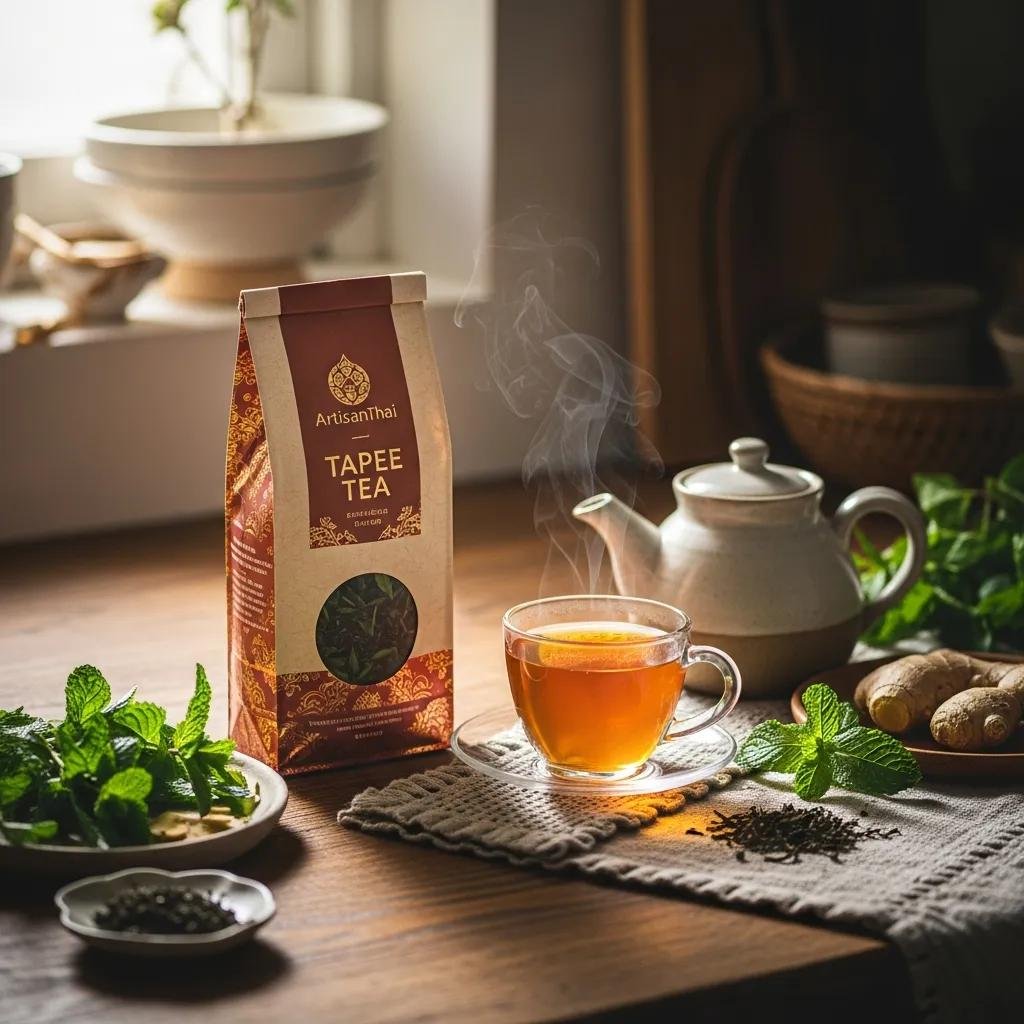
ArtisanThai’s Tapee Tea is a curated Thai herbal blend for those who want both authenticity and convenience. The herbs are carefully selected and combined to reflect traditional usage while fitting into modern, everyday routines. Choosing Tapee Tea means enjoying a Thai‑crafted blend and supporting the communities that grow and prepare these herbs.
What Makes Tapee Tea a Quality‑Focused, Ethically Sourced Choice?
Tapee Tea emphasises quality from farm to cup. The herbs are sourced from growers who use sustainable and respectful practices, and producers follow standards appropriate for herbal products. Ethical sourcing supports fair livelihoods and helps preserve the knowledge of Thai herbal cultivation and preparation.
How Does ArtisanThai Help Sustain Thai Herbal Traditions and Communities?
泰国手工艺人 partners with local farmers and artisans to keep Thai herbal and craft traditions thriving. By prioritising transparent sourcing, fair trade‑style relationships, and honest storytelling, ArtisanThai offers customers a way to participate in a broader cultural ecosystem. This benefits both the people who enjoy the products and the communities in Thailand that create them.
How Can You Incorporate Traditional 泰国茶 into Your Daily Routine?
Bringing Thai 凉茶 into your daily life is straightforward and flexible. You can enjoy it at different times of day depending on whether you want a refreshing break, post‑meal comfort, or evening calm.
What Are Simple Brewing Methods for Authentic Thai Herbal Tea?
To brew Thai 凉茶, use 1–2 teaspoons of loose herbs or a tea bag per cup. Pour freshly boiled water over the herbs and steep for around 3–5 minutes, adjusting time to match your taste. For extra flavour, you can add a slice of fresh ginger, a little honey, or a squeeze of lemon, though many people enjoy the natural taste of the herbs alone.
When Is a Good Time to Drink 泰国茶 for Everyday Benefits?
Morning is ideal if you want a warm, grounding start to the day without heavy sweetness. Midday or after meals works well if you’re seeking digestive comfort, while evening is perfect for relaxation‑oriented blends. Having 1–2 cups a day is a practical way to enjoy the flavours and make space for mindful breaks that support overall balance.
| Herb | Wellness Focus | Common Role in Thai Herbal Tea |
|---|---|---|
| Ginger | Warmth and movement comfort | Used in blends enjoyed after activity or on cooler days. |
| Lemongrass | Digestive and relaxation support | Commonly brewed after meals or in evening calming teas. |
| Black ginger | Vitality and circulation‑conscious blends | Included in tonics and teas associated with energy and stamina. |
免责声明 The information in this article is for educational and cultural purposes only and is not intended as medical advice. Thai herbal teas should not replace professional diagnosis, treatment, or prescribed medication. Always consult a qualified healthcare professional about your individual situation before using herbal products regularly, especially if you have existing conditions, are pregnant or breastfeeding, or take medications.

 English
 Chinese
 French
 German
 Hindi
Hindi Indonesian
 Malay
Malay Portuguese
 Spanish