
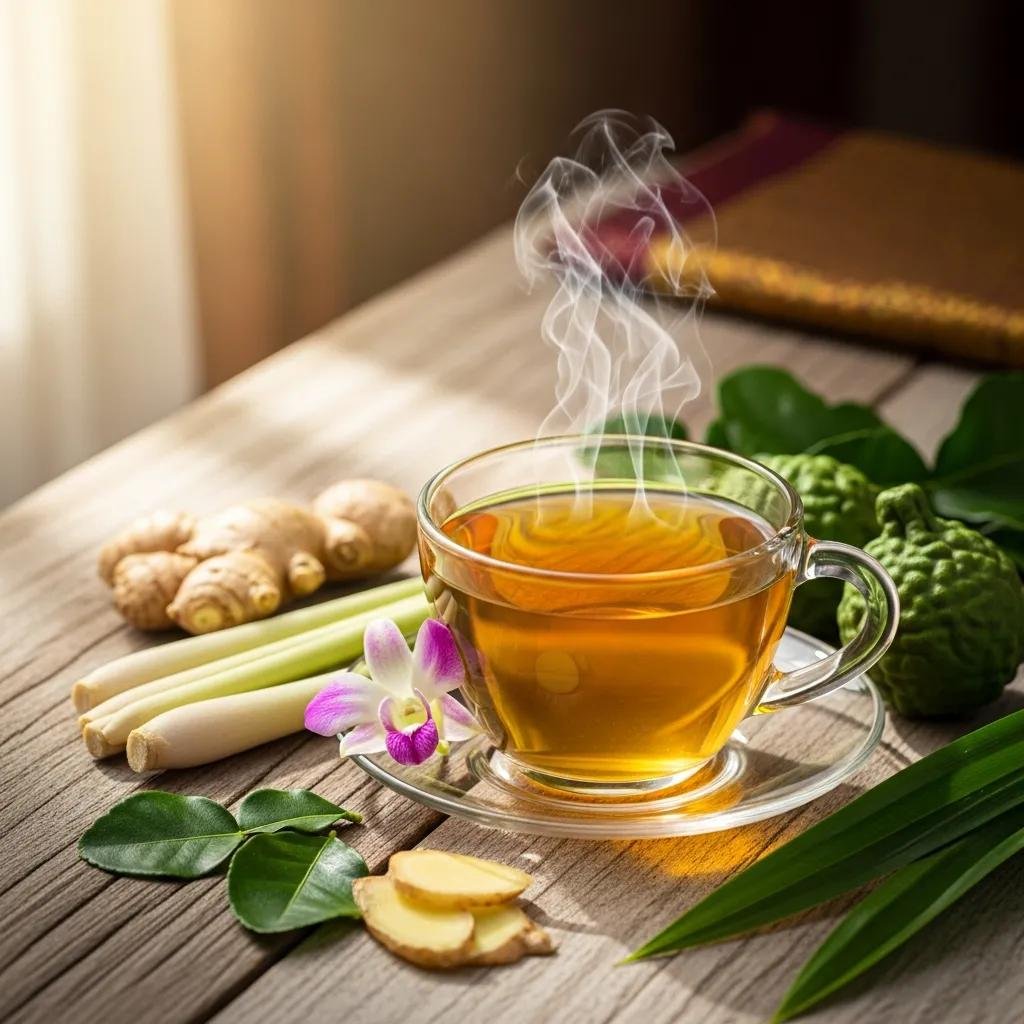
Thai Herbal Tea vs. Regular Tea: A Balanced Wellness Comparison
Authored by Anya Sharma, Certified Herbal Wellness Expert at ArtisanThai.com
Tea, in all its forms, has long been associated with comfort, connection, and everyday wellbeing. From classic black or green tea to colourful herbal blends, many people now use tea time as a small daily ritual to support a calmer, more mindful lifestyle. Alongside familiar teas made from the Camellia sinensis plant, Thai herbal teas have emerged as a distinctive option, drawing on regional plants and traditional Thai wellness knowledge.
This guide takes a side‑by‑side look at Thai herbal tea and regular tea to help you understand how they differ in ingredients, caffeine content, flavour, and research‑informed wellness roles. Rather than declaring a single “winner,” the goal is to show how each type can fit different needs—such as relaxation, gentle daily rituals, or more energising, antioxidant‑rich drinks—so you can choose what suits your body and lifestyle.
Thai Herbal Tea vs. Regular Tea: Core Differences and Origins
The biggest distinction between Thai herbal teas and regular teas is their plant origin. Regular teas—black, green, oolong, white, and pu‑erh—are all made from Camellia sinensis, with differences created mainly by how the leaves are processed and oxidised [web:159]. Thai herbal teas, by contrast, are technically tisanes: blends of herbs, spices, flowers, and fruits that do not contain tea leaves at all. This leads to different flavour profiles, caffeine levels, and types of plant compounds in your cup.
The Herbal Side: Key Ingredients and Traditional Uses in Thai Herbal Tea
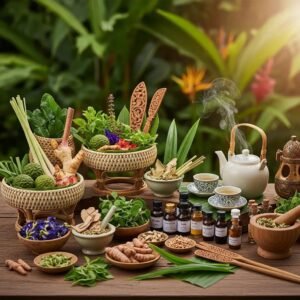
Thai herbal teas draw on a wide variety of local plants and traditional uses. Common ingredients include lemongrass, ginger, pandan leaves, butterfly pea flower, roselle, and bael fruit, each bringing its own taste and plant compounds [web:162][web:163]. In Thai and regional traditions, these herbs are often enjoyed after meals, in the evening, or during relaxation rituals.
- Lemongrass (Cymbopogon citratus): Known for its bright, citrus‑like aroma, lemongrass is widely used in food and teas. Studies on lemongrass essential oil and extracts have explored anti‑inflammatory and antimicrobial activity, supporting its long‑standing use in traditional wellness practices [web:162].
- Ginger (Zingiber officinale): Ginger is used around the world for its warming, spicy character. Research has examined its roles in nausea relief, digestive comfort, and inflammatory pathways, aligning with its extensive culinary and herbal use [web:163].
- Pandan leaves (Pandanus amaryllifolius): Pandan contributes a sweet, soothing aroma and is often associated with comfort and relaxation in Southeast Asian kitchens and tea traditions.
- Butterfly pea flower (Clitoria ternatea): Famous for its deep blue colour that turns violet with lemon, this flower is rich in anthocyanins, a class of antioxidants also studied in other colourful plants [web:162].
- Roselle (Hibiscus sabdariffa): Roselle calyces yield a tart, ruby‑red infusion naturally high in certain polyphenols and vitamin C; reviews have discussed potential cardiovascular and metabolic effects when used in specific preparations [web:160][web:163].
In traditional Thai contexts, these herbs are used more as part of a daily pattern of supportive practices than as stand‑alone “treatments,” which is a helpful way to think about them today as well.
From Leaf to Cup: How Regular Teas Are Processed and Why It Matters
Regular teas all come from Camellia sinensis, but processing methods create distinct categories and flavour profiles [web:159]. The main types include:
- Green tea: Leaves are quickly heated after harvest to prevent oxidation, preserving more catechins such as EGCG and a fresher taste.
- Black tea: Leaves are fully oxidised, which darkens the colour and develops robust flavours and characteristic black‑tea polyphenols.
- Oolong tea: Partially oxidised, sitting between green and black with a wide range of floral to toasty flavours.
- White tea: Minimally processed young buds and leaves, often with delicate aroma and relatively high antioxidant content per gram.
- Pu‑erh tea: Fermented teas that develop earthy flavours and are often enjoyed after meals in some traditions.
Processing affects caffeine levels, polyphenol profiles, and flavour, all of which shape how a particular tea fits into your daily routine and wellness preferences.
Caffeine Profiles: Calm Thai Herbal Blends vs. Energising Regular Tea
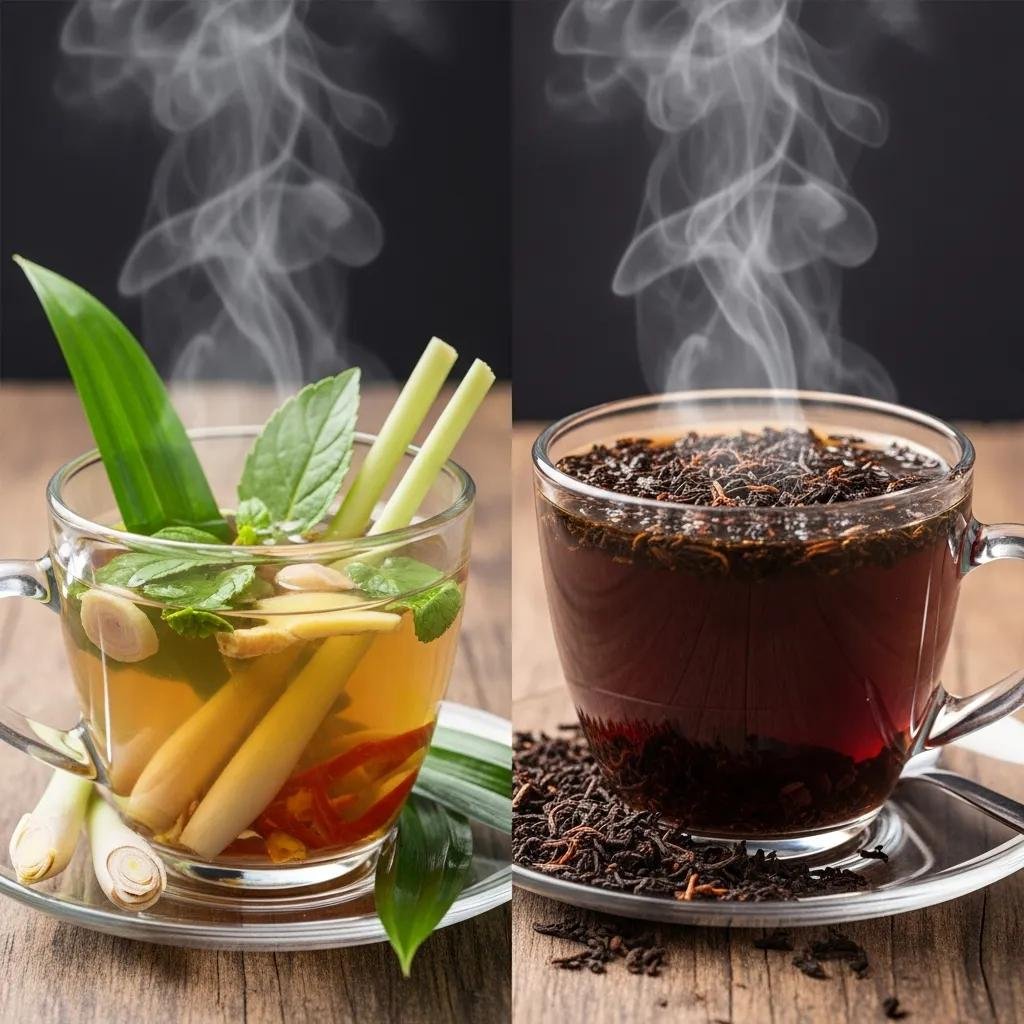
Caffeine content is one of the most practical differences between Thai herbal tea and regular tea. Teas made from Camellia sinensis naturally contain caffeine, while most Thai herbal blends are naturally caffeine‑free, unless blended with true tea. This means each category tends to suit different times of day and different sensitivity levels [web:161][web:164].
How Much Caffeine Is Typically in Regular Tea?
Average caffeine ranges for an 8‑ounce (240 ml) cup are often reported as [web:161][web:164]:
- Black tea: roughly 40–70 mg (some sources list even higher ranges depending on brewing).
- Green tea: usually about 20–45 mg.
- Oolong tea: about 30–50 mg.
- White tea: generally 15–30 mg, though some white teas can be higher depending on leaf type and steep time.
Guidelines such as those often cited by health agencies suggest that up to about 400 mg of caffeine per day can be a reasonable upper limit for many healthy adults, though sensitivity varies widely [web:161]. People who are pregnant, breastfeeding, or managing specific conditions are usually advised to follow lower limits set by their healthcare providers.
What Does a Naturally Caffeine‑Free Profile Offer in Thai Herbal Tea?
Because Thai herbal teas are made from herbs, spices, and flowers rather than tea leaves, they are usually naturally caffeine‑free unless they intentionally include true tea. This can be helpful for people who:
- Prefer evening drinks that are unlikely to disrupt sleep.
- Are sensitive to caffeine‑related jitters, palpitations, or digestive changes.
- Want hydrating, flavourful drinks throughout the day without tracking stimulant intake.
- Are choosing beverages for children or others who may need to limit caffeine.
Many Thai herbal drinkers describe these blends as part of a wind‑down ritual or as a gentle way to support relaxation, though experiences are personal and should not be confused with medical sedatives.
Beyond the Brew: Wellness Roles of Both Thai Herbal and Regular Teas
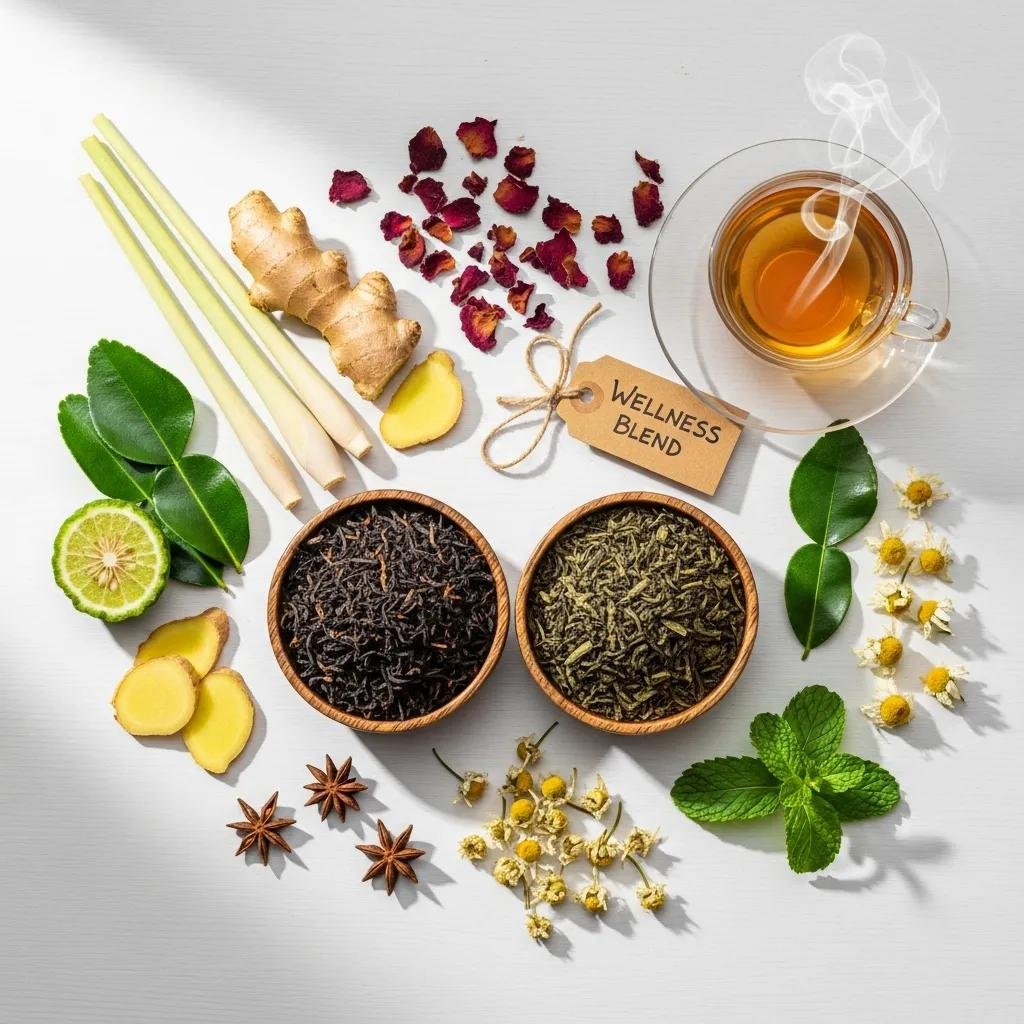
Both Thai herbal teas and regular teas have been studied for their antioxidant potential and other wellness‑related effects, but in different ways. Regular teas are particularly well known for their polyphenol content and relationships with cardiovascular and metabolic markers, while Thai herbal teas offer diverse plant compounds that may complement digestion, comfort, and relaxation [web:157][web:162].
Laboratory and clinical work on herbs used in Thai‑style blends (including roselle, ginger, and others) has explored antioxidant, metabolic, and digestive‑related pathways, though results depend on dose, preparation, and overall diet [web:160][web:163]. It is best to view both tea types as supportive parts of a broader lifestyle rather than as stand‑alone treatments.
Thai Herbal Blends: Digestive Comfort, Relaxation, and Everyday Support
Thai herbal teas are often designed as blends, where each herb plays a role in flavour and perceived effect. Common themes include:
- Digestive comfort: Ginger and lemongrass, frequently found in Thai blends, have long histories of use around the world for post‑meal comfort and nausea support, with modern studies exploring their effects on gut motility and digestive enzymes [web:163].
- Relaxation and stress relief: Caffeine‑free formulas with aromatic herbs like pandan, lemongrass, or certain flowers are popular evening choices, and many people find the warm, fragrant experience itself helps them slow down and unwind.
- General immune‑conscious choices: Ingredients such as roselle and ginger contribute polyphenols and vitamin C, which are of interest in immune discussions, though no single tea can replace vaccines, sleep, or medical care [web:160][web:163].
Ethnobotanical work in Thailand and neighbouring areas documents how local communities use a wide range of plants for digestive and general health complaints, reinforcing the cultural grounding of many Thai herbal blends in everyday first‑line care [web:162][web:163].
Regular Teas: Antioxidants, Heart‑Conscious Diets, and Metabolic Support
Black, green, oolong, and white teas have been widely studied in relation to antioxidant activity, cardiovascular markers, and metabolism. Key themes from this research include [web:157][web:159]:
- Antioxidant content: Green tea tends to be particularly rich in catechins such as EGCG, while black tea provides theaflavins and thearubigins; these polyphenols have shown antioxidant effects in laboratory and human studies.
- Cardiovascular markers: Regular tea drinking has been associated in studies with modest improvements in cholesterol profiles and vascular function, within the context of overall diet and lifestyle.
- Metabolic support: Some trials suggest that green tea catechins plus caffeine may modestly influence energy expenditure and fat oxidation, which is why green tea often appears in weight‑management discussions.
- Alertness and focus: The combination of caffeine and L‑theanine in tea is known for producing a state many people describe as “calm focus,” which can support mental tasks without the sharper jolt associated with coffee.
These findings are encouraging but should always be interpreted as part of a bigger picture: tea can support healthy patterns, but it does not replace balanced nutrition, movement, or medical treatment.
Potential Drawbacks and Considerations for Both Tea Types
Even with their many positives, both Thai herbal and regular teas come with considerations that are worth knowing about before you decide what and how much to drink.
Caffeine Sensitivity and Choosing the Right Tea for You
People differ significantly in how they respond to caffeine. For some, moderate amounts feel energising and pleasant; for others, even a single strong cup of black tea may lead to jitters, palpitations, or disturbed sleep [web:161]. If you notice these reactions, you may wish to:
- Limit higher‑caffeine teas later in the day.
- Choose lower‑caffeine options such as many white or lightly brewed green teas.
- Rely more on caffeine‑free options like Thai herbal teas in the evening or when you want hydration without stimulation.
Those with heart rhythm issues, anxiety disorders, or pregnancy‑related guidance should follow personalised advice from their healthcare providers when it comes to caffeine.
Sweeteners, Interactions, and Other Safety Notes
Aside from caffeine, a few other points apply to both Thai herbal and regular teas:
- Added sugar: High sugar intake can undermine wellness goals; keeping teas lightly sweetened or unsweetened is often the more health‑conscious choice.
- Medication interactions: Some herbs and tea compounds can interact with medications. For example, strong hibiscus (roselle) drinks have been studied for effects on blood pressure; ginger can influence clotting; and tea tannins may interfere with iron absorption or certain drugs [web:160]. Always discuss regular use of herbal or strong tea with a healthcare professional if you take medications or have chronic conditions.
- Allergies and sensitivities: As with any plant food, a small number of people may react to specific herbs or teas. Discontinue use and seek guidance if you notice unusual symptoms.
- Quality and contaminants: Research in various countries has shown that some herbal and tea products can contain pesticide residues or other contaminants if not carefully produced [web:162]. Choosing reputable brands that test for contaminants can help minimise this risk.
- Pregnancy and breastfeeding: Some herbs are not recommended during pregnancy or lactation. Pregnant and breastfeeding individuals should seek tailored advice before using herbal blends regularly.
Choosing the Tea That Fits Your Wellness Goals
Rather than declaring one type of tea “better,” it is more helpful to ask which option fits your current goals, schedule, and body. Many people enjoy both Thai herbal and regular teas at different times for different reasons.
Which Tea Fits Common Wellness Priorities?
- For relaxation and sleep‑friendly rituals: Caffeine‑free Thai herbal teas with calming aromas are often preferred in the evening, especially blends with lemongrass, pandan, or gentle flowers.
- For a light metabolic or antioxidant boost: Green or oolong teas can be useful daytime companions when paired with an active lifestyle and balanced eating.
- For digestive comfort: Thai herbal blends featuring ginger and lemongrass, or certain fermented teas like pu‑erh, are often chosen after meals.
- For heart‑conscious patterns: Regular black and green teas show the most research around cardiovascular markers, especially when they replace sugary drinks [web:157][web:159].
- For reducing caffeine: Thai herbal teas provide variety and flavour without adding to daily caffeine totals.
Listening to how you feel after drinking different teas and adjusting amounts, timing, and blends accordingly is often more effective than following rigid rules.
The ArtisanThai.com Approach to Thai Herbal Tea
When it comes to Thai herbal teas, authenticity and sourcing matter. ArtisanThai.com works with Thai producers and artisans to offer blends that reflect traditional ingredient choices and careful handling. A key example is 塔佩茶, a signature blend that uses multiple Thai herbs and spices drawn from local practice, designed as a wellness‑supporting drink rather than a medical product.
ArtisanThai emphasises:
- Trusted sourcing: Working closely with local farmers and producers to maintain consistent quality.
- Quality‑focused processes: Using appropriate drying, blending, and packaging to protect aroma and plant compounds.
- Transparency: Sharing ingredient lists and traditional context so customers understand what is in their cup.
- Cultural respect: Supporting Thai herbal and craft traditions and the communities that maintain them.
This combination of traditional roots and modern quality awareness helps ensure that Thai herbal tea drinkers can enjoy both flavour and confidence in what they are purchasing.
At‑a‑Glance Comparison: Thai Herbal Tea vs. Regular Tea
| 茶类 | Typical Ingredients | Wellness Focus | Caffeine Content | Often Chosen For |
|---|---|---|---|---|
| Thai herbal tea | Herbs like lemongrass, ginger, pandan, butterfly pea, roselle, and other Thai botanicals [web:162][web:163] | Relaxation, digestive comfort, gentle daily rituals, broad plant diversity | Generally caffeine‑free (unless blended with true tea) | Evening routines, caffeine‑sensitive drinkers, hydration with flavour |
| Black tea | Camellia sinensis, fully oxidised [web:159] | Robust flavour, antioxidants (theaflavins, thearubigins), energising start to the day | Moderate (roughly 40–70 mg per cup on average) [web:161][web:164] | Morning energy, pairing with breakfast, heart‑conscious routines |
| Green tea | Camellia sinensis, minimally oxidised [web:159] | Catechins such as EGCG, antioxidant and metabolic research, gentle alertness | Low to moderate (about 20–45 mg per cup) [web:161][web:164] | Daytime sipping, focus, weight‑conscious routines when paired with healthy habits |
| Oolong tea | Camellia sinensis, partially oxidised [web:159] | Intermediate flavour and polyphenol profile, sometimes discussed in metabolic research | Low to moderate (around 30–50 mg per cup) [web:161] | Afternoon tea, flavour exploration, moderate caffeine |
| White tea | Camellia sinensis, least processed buds/leaves [web:159] | Delicate taste, relatively high antioxidant content per gram, gentle pick‑me‑up | Generally lower caffeine (roughly 15–30 mg, with variability) [web:161][web:164] | Light daytime sipping, those wanting subtler flavours and milder stimulation |
Frequently Asked Questions
Is Thai herbal tea suitable for daily drinking?
Many Thai herbal blends based on culinary herbs such as lemongrass and ginger are enjoyed daily by adults as part of meals or relaxation routines. As with any herbal drink, it is wise to review ingredient lists for potential allergies, check for reputable sourcing, and consult a healthcare professional if you are pregnant, breastfeeding, have medical conditions, or take medications.
Can Thai herbal tea support better sleep?
Caffeine‑free Thai herbal teas with calming aromas and warm temperature are often used in evening wind‑down rituals. While individual responses vary, many people find that a non‑stimulating, aromatic drink can be a helpful part of a broader sleep‑friendly routine that also includes limiting screens and keeping a regular bedtime.
When is a good time to drink green tea?
Because of its caffeine content, green tea is often consumed earlier in the day or before periods of work or movement, rather than late at night. Some people like it between meals or before light exercise. If you find that tea affects your sleep, try finishing caffeinated teas earlier and switching to herbal blends later.
How can I tell if a Thai herbal tea is high quality?
Look for clear ingredient lists, information about origin, and transparency around how herbs are grown and handled. Reputable brands may highlight pesticide controls, drying methods, and, where relevant, lab testing for contaminants [web:162]. Reviews and brand reputation also offer useful clues.
Are herbal teas always safe for children?
Many mild, caffeine‑free herbal teas can be used in small amounts for older children, but it is best to introduce them slowly and under guidance from a paediatrician. Some herbs are not suitable for young children or should only be used short term, so professional advice is important.
What’s the difference between “herbal tea” and “tisane”?
Strictly speaking, “tea” refers to infusions made from Camellia sinensis leaves, while “tisane” refers to infusions from other plants, such as herbs, spices, and flowers. In everyday language, “herbal tea” and “tisane” are often used interchangeably.
Conclusion
Thai herbal teas and regular teas each bring something distinctive to the table. Thai herbal blends offer caffeine‑free ways to enjoy Thai plant traditions, especially suited to relaxation and digestion‑focused rituals, while regular black and green teas provide well‑studied antioxidant and caffeine combinations that can support focus and heart‑conscious lifestyles when used thoughtfully [web:157][web:159][web:162]. By understanding these differences and listening to your own body, you can build a tea routine that feels enjoyable, sustainable, and aligned with your personal wellness goals.
 English
 Chinese
 French
 German
 Hindi
Hindi Indonesian
 Malay
Malay Portuguese
 Spanish