

Important Medical & Regulatory Disclaimer
The information provided in this article is for general educational and informational purposes only and does not constitute medical, diagnostic, or treatment advice. Statements about traditional uses and potential benefits of herbs are based on historical practice and emerging research, and have not been evaluated by the U.S. Food and Drug Administration or equivalent authorities in other countries. The products discussed are not intended to diagnose, treat, cure, or prevent any disease. Always consult a qualified healthcare professional before making decisions about your health or starting any new tea, supplement, or wellness regimen, especially if you have existing health conditions, are pregnant or breastfeeding, or are taking prescription medications.
Unlock the Benefits of Authentic 泰国茶: A Comprehensive Wellness Guide
Authentic Thai tea, particularly the herbal variety, is celebrated for its rich flavour and its long history of use in traditional health 和 wellness practices. This guide explores the unique characteristics of authentic Thai tea, focusing on its wellness themes and how it may support your overall sense of balance and vitality as part of a holistic lifestyle. Many people are unaware of how traditional herbal teas can complement modern routines, especially blends like 塔佩茶. Here, we outline the core wellness aspects associated with authentic Thai tea, the specific herbs that contribute to these traditional uses, and practical tips for incorporating it into your daily routine. We also highlight 泰国手工艺人‘s commitment to ethically sourced, high‑quality Thai teas, so you can enjoy both cultural authenticity and thoughtful sourcing in every cup.
Understanding Wellness Claims: Traditional Wisdom Meets Emerging Science
When discussing the health‑related aspects of herbal teas, it is important to balance traditional wisdom with the current scientific evidence base. Many of the perceived benefits of authentic Thai tea, and specifically Tapee Tea, stem from generations of use in Thai communities and wider Southeast Asian traditions. These observations provide valuable context, but modern scientific studies—especially large, long‑term clinical trials—are still limited for many specific herbal combinations.
In this article, we present potential benefits in a responsible, non‑medical way, clearly indicating where ideas come from traditional practice and where preliminary scientific findings may exist. Thai herbal teas should be viewed as complementary to conventional care, not as replacements. For any specific symptoms or conditions, we encourage you to seek individual guidance from a licensed healthcare professional.
What Makes Authentic Thai Herbal Tea Unique?
正宗泰国菜 凉茶 stands out for its distinctive blends of local herbs and its deep cultural roots. Unlike many single‑herb teas, Thai 凉茶 commonly combines several organic ingredients traditionally selected for flavour, aroma, and perceived health‑supportive qualities. Preparation methods—such as slow infusions or decoctions—and the specific herbs used contribute to its characteristic profile. In Thailand, this tea is not only a drink but also part of social life and rituals, reflecting regional knowledge that has been passed down for generations.
How Does Authentic Thai Herbal Tea Differ from Thai Milk Tea?
正宗泰国菜 凉茶 differs from Thai milk tea in both ingredients and typical lifestyle impact. Thai milk tea is usually made with strong black tea, sugar, and condensed milk, making it more of a sweet treat. In contrast, Thai 凉茶 focuses on a variety of herbs and is often prepared with little or no added sweetener. This naturally lighter profile can be a good fit for people looking to reduce dairy and added sugar, support comfortable digestion, or enjoy an evening drink without stimulants. Many traditional 凉茶 blends are naturally caffeine-free or very low in caffeine, making them suitable for those who are sensitive to it.
What Are the Key Organic Herbs in Tapee Tea?
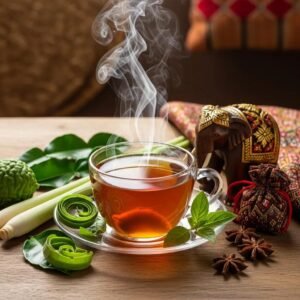
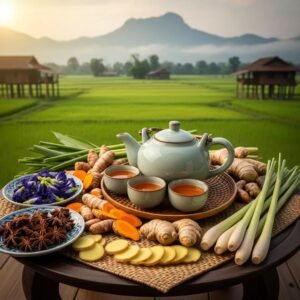
塔佩茶 is a premium Thai herbal blend that features several key organic herbs with long histories in Thai kitchens and traditional practice. Common ingredients include lemongrass, ginger, and pandan leaves. In traditional contexts, lemongrass is used in teas and dishes associated with comfort and a sense of lightness; ginger is widely recognised as a warming root often used after meals; and pandan leaves are valued for their aroma and use in desserts and drinks that highlight fragrance and gentle sweetness. Together, these herbs create a synergistic flavour profile and contribute to Tapee Tea’s positioning as a daily‑use wellness drink rather than a single‑purpose remedy.
What Are the Core Potential Health Themes of Authentic 泰国茶?
Authentic Thai tea, particularly blends like Tapee Tea, is associated in traditional use with several core wellness themes. These include everyday joint and muscle comfort, digestive ease, relaxation, and antioxidant‑conscious routines. While these themes are supported by traditional knowledge and, in some cases, early scientific work on individual herbs, they should be seen as supportive aspects of a holistic lifestyle rather than guaranteed outcomes.
How Might Tapee Tea Support Joint and Muscle Comfort?
Tapee Tea is traditionally enjoyed by people seeking a warm, soothing drink after physical activity or a long day. Herbs like ginger have been studied for anti‑inflammatory potential in specific extract forms, and this research aligns with their long‑standing use in many cultures for everyday aches. In the context of tea, these herbs are present at much lower, food‑like levels. Regular enjoyment of Tapee Tea within a balanced routine—one that also includes movement, stretching, and medical care when appropriate—may contribute to a general sense of comfort and ease, but more robust human clinical studies would be needed to define specific effects.
What Digestive‑Focused Benefits Are Traditionally Associated with Thai Herbal Tea?
Thai 凉茶 blends, especially those containing lemongrass and ginger, are often consumed after meals in Thai households. These herbs are regarded as “carminative” in many herbal frameworks, meaning they are associated with supporting comfortable digestion and reducing feelings of occasional bloating. Traditional use suggests a soothing role for the stomach and gut, and this aligns with the culinary use of these herbs in soups and curries served after heavier foods. However, specific benefits, frequency of use, and individual responses can vary widely.
How Does Tapee Tea Fit into Natural Relaxation and Stress-Management Rituals?
Tapee Tea is often used as part of an evening or “wind‑down” ritual rather than as a quick fix for stress. The combination of gentle herbs and the act of preparing a warm drink can encourage slower breathing, less screen time, and a more mindful end to the day.
Which Herbs in Tapee Tea Are Linked with Calming Mind and Mood?
Lemongrass has a well‑known soothing aroma and is widely used in teas and aromatherapy for its calming associations. Ginger, while stimulating in taste, is sometimes included in blends people use for comfort and grounding. Together with other aromatics, these herbs create a pleasant sensory experience that many people find helps them shift from “busy” mode toward relaxation. Any mood-related effects are best regarded as part of a broader self‑care routine rather than as direct treatment for anxiety or other mental‑health conditions.
Is Tapee Tea Caffeine-Free and Suitable for Daily Enjoyment?
Tapee Tea is generally formulated as a caffeine-free herbal tea, making it suitable for most adults to enjoy at different times of day. Its gentle profile means it can typically be consumed in the morning, afternoon, or evening without the stimulant effects associated with coffee or strong black tea. As with any herbal blend, people with specific conditions, allergies, or sensitivities should check the ingredient list and consult a healthcare professional before daily use.
What Antioxidant and Immune‑Conscious Properties Are Associated with Authentic 泰国茶?
Authentic Thai tea is often discussed in terms of its potential antioxidant content and alignment with immune‑conscious lifestyles. Antioxidants are plant compounds that help the body manage normal oxidative stress, which is part of everyday living. While herbal teas should not be relied on as the sole strategy for immune support, they can complement a diet rich in fruits, vegetables, and other plant foods.
Which Ingredients Contribute to the Antioxidant Profile of Tapee Tea?
Lemongrass, ginger, and pandan leaves contain various bioactive compounds that have shown antioxidant activity in laboratory studies. In tea form, these herbs provide a mild, daily way to increase exposure to such compounds when consumed as part of a varied diet. The exact bioavailability and impact of these antioxidants at tea‑strength levels are still subjects for future research, so their role should be considered supportive rather than definitive.
How Is Tapee Tea Connected to Immune‑Resilience Routines?
Tapee Tea is traditionally viewed as one small part of a broader approach to staying well, especially during times when people want to feel more resilient. Herbs like ginger are discussed in herbal texts for their antimicrobial and warming properties, but in practice, their role in tea is best understood as part of a general pattern that includes sleep, nutrition, hygiene, and, when appropriate, vaccinations and medical care. Herbal teas can help you stay hydrated and create opportunities for restorative pauses, but they are not a standalone immune strategy.
Why Choose ArtisanThai’s Tapee Tea for Authenticity and Ethical Sourcing?
Choosing 塔佩茶 from 泰国手工艺人 means selecting a product that emphasises authenticity, traceability, and respect for Thai culture. ArtisanThai works directly with local producers to create high‑quality herbal teas that reflect traditional recipes while meeting modern expectations for safety and labelling.
What Does Thai FDA Certification Mean for Tapee Tea?
Where applicable, Thai FDA certification indicates that Tapee Tea has been reviewed under Thailand’s herbal product regulations for aspects such as ingredient listing, basic safety parameters, and appropriate labelling. This process does not verify specific health outcomes or disease‑related claims, but it does provide a regulatory framework that supports product integrity and consumer protection. For more details on Thai herbal product categories and oversight, see Thai FDA guidance on herbal products and traditional medicines.
How Does ArtisanThai Support Thai Artisan Communities?
ArtisanThai sources tea and other products directly from Thai artisans, farmers, and small producers. This approach helps ensure that cultural knowledge and traditional skills are recognised and fairly compensated. By choosing ArtisanThai, customers enjoy authentic Thai 凉茶 while also supporting sustainable livelihoods, local economies, and the preservation of regional craft and agricultural traditions.
How to Brew and Enjoy Authentic Thai Herbal Tea as Part of a Wellness Routine
Brewing authentic Thai 凉茶 is straightforward, and a mindful preparation process can enhance both flavour and the relaxing aspect of the ritual. Proper steeping helps you get the most from the herbs used, without turning the tea overly strong or bitter.
What Is a Practical Brewing Method for Tapee Tea?
To prepare Tapee Tea, bring fresh water to just off the boil, around 200 °F (93 °C). Add about one teaspoon of Tapee Tea per cup, then steep for 5–7 minutes, adjusting time to taste. This allows the herbs to release their flavours and natural constituents gradually. Strain and enjoy warm, or cool and serve over ice if you prefer a chilled version. You can add a small amount of honey or lemon if desired, keeping added sweeteners modest if your goal is a lighter, wellness‑oriented drink.
How Can You Incorporate Thai Herbal Tea into Everyday Wellness?
There are many ways to weave Thai 凉茶 into your day. Some people enjoy a cup of Tapee Tea in the morning instead of a sugary beverage, using it as a moment to set intentions for the day. Others prefer it after meals for a sense of digestive comfort or in the evening as a calming ritual before bed. Pairing it with balanced meals, regular physical activity, and adequate rest can make it a meaningful part of your overall wellness routine.
| Herb | Traditional Wellness Focus | Typical Traditional Use |
|---|---|---|
| Lemongrass | Comfort, calm | Used in soups and teas for flavour and post‑meal ease; also in aromatherapy. |
| Ginger | Warming, digestive support | Commonly used in dishes and teas after meals and in traditional tonics. |
| Pandan leaves | Aroma, gentle relaxation | Often used in desserts and beverages for fragrance and colour. |
Authentic Thai tea, particularly Tapee Tea, offers a flavourful way to connect with Thai herbal traditions through everyday rituals—from supporting comfortable digestion to helping create relaxing moments at home. By choosing high‑quality, ethically sourced products from brands like 泰国手工艺人, you can enjoy this cultural experience while supporting sustainable practices and local communities. As always, work with your healthcare team for personalised advice on how herbal teas might fit into your broader health plan.
About Our Expertise
This article was compiled and reviewed by Dr. Anya Sharma, ND, MPH. Dr. Sharma is a licensed naturopathic doctor with a Master’s in Public Health, focusing on traditional herbal medicine and holistic wellness practices. With over 15 years of experience in integrative health, she combines evidence‑informed research with ethnobotanical knowledge to provide accessible insights into natural wellness routines. Her background includes ethnobotany, nutritional science, and sustainable health practices, helping ensure that the information presented is both culturally respectful and grounded in a holistic understanding of wellbeing.
Frequently Asked Questions
Can I drink Tapee Tea every day?
Tapee Tea is generally enjoyed as a daily herbal drink by many adults because it is typically caffeine‑free. Regular use should still be tailored to your own needs and discussed with a healthcare professional if you have specific conditions, take medications, or are pregnant or breastfeeding.
What is the best time to drink Thai herbal tea?
Many people prefer Thai herbal tea in the morning instead of sugary beverages, after meals to support a relaxed digestive routine, or in the evening as a calming ritual before bed. Choose a time that fits your lifestyle and goals.
Are there any side effects associated with Tapee Tea?
Most people tolerate Tapee Tea well, but individuals sensitive to herbs such as ginger or lemongrass may occasionally experience mild digestive or allergy‑type symptoms. Start with a small amount, monitor your response, and talk to your healthcare provider if you have concerns or existing medical issues.
How should I store Tapee Tea for freshness?
Store Tapee Tea in an airtight container in a cool, dry place away from direct sunlight and strong odours. Avoid humidity and extreme temperatures to preserve aroma and flavour over time.
Can I combine Tapee Tea with other herbal teas?
Yes, many people enjoy blending Tapee Tea with other caffeine‑free herbal teas to customise flavour and mood. Be mindful of the total amount of herbs you consume and any potential interactions if you are taking medications or managing a health condition.
Is Tapee Tea suitable for children?
Because children can respond differently to herbs, always consult a paediatrician before offering herbal teas, including Tapee Tea, to a child. If approved, start with very small amounts and monitor for any reactions.
Conclusion
Bringing authentic Thai tea, particularly Tapee Tea, into your daily routine can be a meaningful way to engage with Thai herbal traditions and create calming, flavourful wellness rituals. By choosing high‑quality, ethically sourced options from 泰国手工艺人, you can enjoy this experience while supporting sustainable practices and local communities. Use Thai herbal teas as one supportive element—alongside nutrition, movement, sleep, and professional care—in a broader approach to holistic health.
 English
 Chinese
 French
 German
 Hindi
Hindi Indonesian
 Malay
Malay Portuguese
 Spanish