
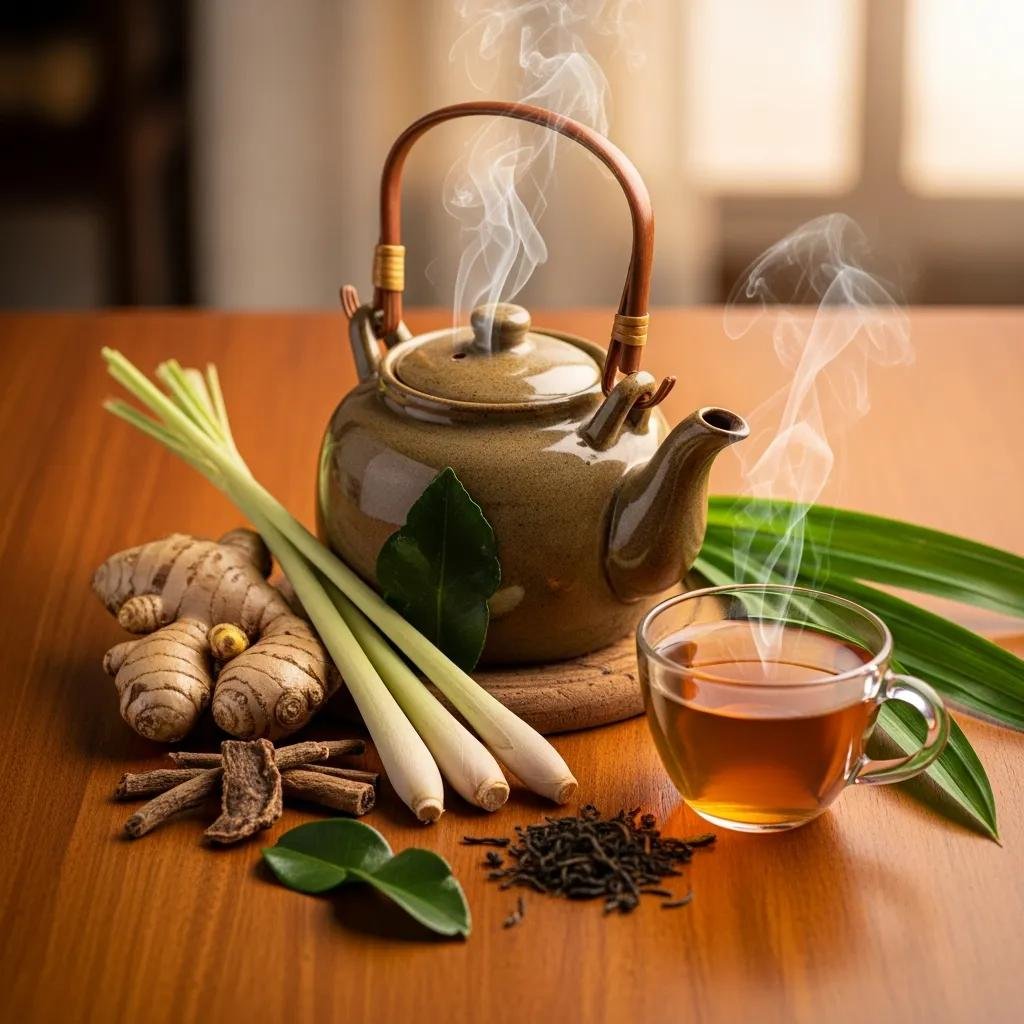
About Thai Herbal Tea: Discover Traditional Thai Herbal Blends Including Thai Herbal Tea
थाई जड़ी-बूटी चाय, especially traditional Thai blends, is more than a flavourful पीना. This article looks at how Thai herbal teas, including थाई हर्बल चाय, fit into everyday routines. You will learn about the traditional herbs used in Thai tea culture, what makes these infusions unique, and simple ways to enjoy them as part of your daily routine. Thai herbal teas offer a comforting, culturally rooted choice for those who enjoy exploring world tea traditions. This guide introduces the herbs in Thai Herbal Tea and explains how to brew and enjoy Thai tea.
What Are the Key Themes Associated with Thai Herbal Tea?
थाई herbal tea blends bring together multiple herbs, each contributing its own flavour and traditional role. Many people choose these teas for their cultural heritage, warming character, pleasant aroma, and a general sense of daily ritual. Herbal teas are beverages, not medicines, and are not intended to diagnose, treat, cure, or prevent any disease. Using Thai herbal tea as a daily beverage is a common practice.
Herbs, warming roots, and aromatic leaves in थाई चाय contribute to plant variety in the diet as part of a broader food and drink routine.
How Do Thai Herbal Teas Fit into Daily Routines?
Some Thai herbal blends include plants that are traditionally associated with comfortable movement and everyday ease. In Tapee चाय, ingredients such as Derris scandens and elephant grass are chosen for their long-standing use in traditional Thai formulas. In tea form, these herbs provide gentle warmth and are often enjoyed after activity or at the end of the day as part of a self-care routine. Many enthusiasts consider Thai herbal tea a staple of their wellness journey.
Thai Tea and Post-Meal Rituals
थाई herbal tea often features herbs traditionally used after meals, such as ginger and lemongrass. These plants are widely used in many cultures in teas and dishes associated with a feeling of lightness after eating. In practice, a warm cup of Thai herbal tea after meals can serve as a simple ritual that encourages slower eating and mindful breaks.
Tea Polysaccharides and Gut Research
An in vitro study on tea leaf polysaccharides found that they resist digestion in the upper gastrointestinal tract and are fermented by gut microbiota, leading to the production of short-chain fatty acids (SCFAs) in experimental settings.
In vitro characterization of polysaccharides from fresh tea leaves in simulated gastrointestinal digestion and gut microbiome fermentation, 2024
Which Traditional Thai Herbs Are Used in Thai Herbal Tea?
थाई हर्बल चाय combines around 15 Thai and regional herbs, each with traditional roles in Thai herbal culture. Together they create a layered flavour profile and a broad spectrum of plant compounds in tea-strength amounts. This makes it a popular Thai herbal tea choice.
- Derris scandens: Featured in Thai formulas traditionally used for everyday ease and movement comfort.
- Elephant grass: Used in some Thai herbal traditions for soothing blends associated with digestion and calm.
- Sandalwood: Valued for its aroma in herbal contexts; associated with a sense of ease and relaxation.
- Orange blossom: Included for its uplifting fragrance and its use in teas linked with rest and mood.
Derris Scandens and Elephant Grass in Thai Tradition
Derris scandens has been used in Thai traditional formulas for everyday muscle and joint ease and is being studied for its plant compound profile in experimental models. Elephant grass is often added to blends intended to feel soothing and balancing. In tea, these herbs are present at gentle levels and are best viewed as part of a daily drink routine. This is the essence of Thai herbal tea.
Sandalwood and Orange Blossom for Evening Enjoyment
Sandalwood and orange blossom make Tapee चाय especially appealing as an evening drink. Sandalwood’s scent is widely used in mindfulness practices for its calming associations, while orange blossom is frequently linked with lightness and uplift in teas and desserts. Together they create a sensory experience — aroma, warmth, and taste — that many people find enjoyable when winding down with Thai herbal tea.
What Traditional Herbs Are Found in Thai Herbal Tea Blends?
टैपी चाय includes herbs rich in plant compounds, such as berries, roots, and leaves. Regularly including varied plants can contribute to a diverse, plant-forward diet. Thai herbal tea is a great way to explore these botanicals.
Research on Thai herbal teas has found that many traditional formulas show measurable plant compound activity in laboratory tests.
Plant Compound Properties of Thai Traditional Herbal Teas
A 2019 study formulated Thai traditional herbal teas to balance body elements in different seasons and evaluated their plant compound properties. All resulting teas showed activity in vitro.
Plant compound properties of Thai traditional herbal teas, P Tipduangta, 2019
Goji Berry and Saul Waeng in Thai Herbal Tea
In some Thai Herbal Tea recipes, fruits like goji berry and herbs such as Saul Waeng are included for their plant compound profiles. Goji berries are well known in the nutrition literature for their vitamin C and polyphenol content. Saul Waeng contributes additional plant compounds, helping diversify the tea’s character. This variety is what makes Thai herbal tea so unique.
Thai Black Ginger in Traditional Thai Blends
Thai black ginger (Kaempferia parviflora) is traditionally used in Thailand in tonics associated with energy and warmth. In a herbal blend like Tapee चाय, black ginger adds warmth and is often chosen by people who enjoy a naturally warming cup as part of an active daily routine. This is a common ingredient in many Thai herbal tea recipes.
Why Choose ArtisanThai’s Thai Herbal Tea?
थाई हर्बल चाय is designed as a thoughtful expression of Thai herbal tradition, using organic herbs and transparent sourcing. It is intended for people who want a daily herbal drink that respects Thai culture and includes quality production practices. Choosing the right Thai herbal tea brand is essential for authenticity.
Ethical Sourcing and Thai FDA Oversight
ArtisanThai works with Thai growers and processors who focus on responsible cultivation and careful post-harvest handling. Where relevant, herbal products are produced and registered under Thai FDA guidelines, which check aspects such as contamination limits, manufacturing conditions, and labelling. This combination of ethical sourcing and regulatory alignment supports product quality in Thai herbal tea.
The Herbs in Thai Herbal Tea
Many herbs used in Thai Herbal Tea, such as Derris scandens, Thai black ginger, ginger, and turmeric, have been discussed in scientific literature for their plant compound properties in specific research contexts. These studies typically use extracts or controlled doses rather than tea-strength infusions, so Thai Herbal Tea should be understood as a gentle, everyday drink rather than a therapeutic product. However, the tradition of Thai herbal tea continues to thrive.
It is important to approach any herbal product with care, as illustrated by case reports that encourage caution with unsupervised, long-term use of strong or concentrated herbal preparations.
Case Report: Caution with Herbal Teas
A 2024 case report described a man who developed a serious duodenal ulcer after consuming a particular herbal tea marketed for musculoskeletal pain, highlighting that even \”natural\” products can sometimes be associated with adverse events and underscoring the importance of regulatory oversight and professional guidance for ongoing use.
A Life-threatening Cup of Tea: A Case Report and Literature Review, D Alexander, 2024
How to Integrate Thai Herbal Tea into Your Daily Routine
थाई herbal tea is easy to build into your day as a small, enjoyable ritual. The key is consistency and choosing times that naturally align with your preferences.
- Morning: A cup of Tapee चाय can be part of a gentle, screen-free start to the day.
- After activity: Enjoying a warm cup after walking, yoga, or exercise can pair the tea’s warmth with stretching and recovery time.
- Evening: A cup in the evening, especially when paired with quiet time, can support a winding-down routine.
Brewing Tips
For best flavour and a good extraction of herbal character from your Thai herbal tea:
- Use fresh, clean water and bring it just off the boil (around 90-95 °C / 194-203 °F).
- Use about 1-2 teaspoons of Tapee चाय per cup.
- Steep for 5-7 minutes, tasting to find the steep time that suits you.
- Optionally add a little honey or lemon.
Tailoring Your Tea by Time of Day
Herbal blends can be chosen based on the time of day and your intention. For example, Tapee चाय with black ginger and Derris scandens might be preferred earlier in the day or after activity, while blends emphasising sandalwood, orange blossom, lemongrass, or chamomile may fit better in the evening. Rotating between blends from ArtisanThai’s Thai herbal tea collection allows you to match your tea to your current preferences. Exploring different Thai herbal tea varieties adds to the experience.
Common Questions About Thai Herbal Tea
Is Thai Herbal Tea Caffeine-Free?
टैपी चाय is generally formulated as a caffeine-free herbal blend, making it suitable for most people to drink at different times of day. This is a common feature of many Thai herbal tea products. As with any herbal product, it is sensible to start with one cup a day and consult a professional if you are pregnant, breastfeeding, taking medications, or have ongoing conditions.
How Does Thai Herbal Tea Compare with Other Herbal Teas?
थाई चाय stands out for its combination of Thai herbs that reflect the country’s cuisine and traditional knowledge, bringing together warming roots, citrusy grasses, and aromatic flowers in a single cup. Compared with single-herb teas, Thai blends like Thai Herbal Tea offer a more complex flavour and a multi-herb approach that many people find interesting and adaptable to different times of day. The variety of Thai herbal tea is unmatched.
अक्सर पूछे जाने वाले प्रश्न
What is a good time of day to drink Thai herbal tea?
Morning or early afternoon works well if you want a gentle start or a midday pause, while evening suits blends with calming aromas. Many people enjoy 1-2 cups spread across the day.
Can Thai herbal tea be part of a calorie-conscious routine?
Unsweetened Thai herbal tea is naturally low in calories and can replace sugary drinks. Long-term dietary balance depends mainly on overall food choices, activity, and rest.
Are there any possible side effects?
Most people tolerate Thai herbal teas well, but those with allergies to specific plants or sensitive digestion may experience mild reactions. Always check ingredient lists, start with small amounts, and seek professional advice if you notice unusual symptoms related to Thai herbal tea consumption.
Can I drink Thai herbal tea with dietary restrictions?
Most Thai herbal teas, including ArtisanThai’s Thai Herbal Tea, are naturally free from dairy and caffeine and can fit many dietary patterns. If you follow a specific plan or have known plant allergies, check the ingredient list and consult a professional if unsure about a specific Thai herbal tea.
How can I enhance the flavour of Thai herbal tea?
You can add a small amount of honey, a slice of fresh ginger, lemon, or a sprig of mint to customise flavour. Avoid masking the herbs completely with sugar so you can still appreciate the blend’s natural character.
Conclusion
Thai herbal teas, and थाई हर्बल चाय in particular, offer a flavourful way to bring Thai tea traditions into your daily life. By combining mindful breaks and high-quality, ethically sourced blends from कलाकार थाई, you can build simple rituals — one cup at a time. Discover the best Thai herbal tea for your needs today.
Disclaimer: The information in this article is for informational purposes only and is not intended as advice of any kind. Always consult a qualified professional before using herbal products regularly, especially if you have existing conditions, are pregnant or breastfeeding, or take prescription medications. This guide to Thai herbal tea is for educational use.
 English
 Chinese
 French
 German
 Hindi
Hindi Indonesian
 Malay
Malay Portuguese
 Spanish