

Thai Herbal Tea: Premium Thai Herbal Wellness Blend Benefits and Authentic Purchase Guide
Table of Contents
- Key Wellness Themes for Joints & Daily Balance
- Authentic, Steroid‑Free & Thai FDA Reviewed
- 15 Organic Thai Herbs & Traditional Uses
- How to Prepare & Use in a Daily Routine
- Where to Buy Authentic Thai Herbal Tea Online
- अक्सर पूछे जाने वाले प्रश्न
- Conclusion
Thai Herbal Tea is a premium Thai herbal wellness blend that brings together the rich traditions of Thai herbal practices with modern lifestyle habits. This tea is crafted from a selection of organic Thai herbs, each widely discussed for its role in supporting comfort, mobility, and everyday vitality. In this guide, we explore the main wellness themes associated with Thai Herbal Tea, how its Thai FDA oversight and testing support quality, the herbs included in the blend, and practical suggestions for weaving it into your daily routine. Many people around the world look for natural, evidence‑aware ways to support joint comfort, digestive balance, and relaxation, and Thai Herbal Tea offers a gentle, tradition‑based option to complement those goals. You will also find clear guidance on where to buy authentic Thai Herbal Tea online so you can be confident in the product you receive.
What Are the Key Wellness Themes of Thai Herbal Tea for Joints and Overall Balance?
Thai Herbal Tea is often chosen by people who want to support comfortable movement and a more relaxed, settled feeling in day‑to‑day life. Its thoughtfully designed blend of herbs is used to gently encourage joint comfort and ease around the body, while also promoting a sense of digestive ease and relaxation. Rather than acting as a quick fix, the blend is best understood as part of a longer‑term lifestyle approach that includes movement, nutrition, and rest.
How Might Thai Herbal Tea Support Joint Comfort?

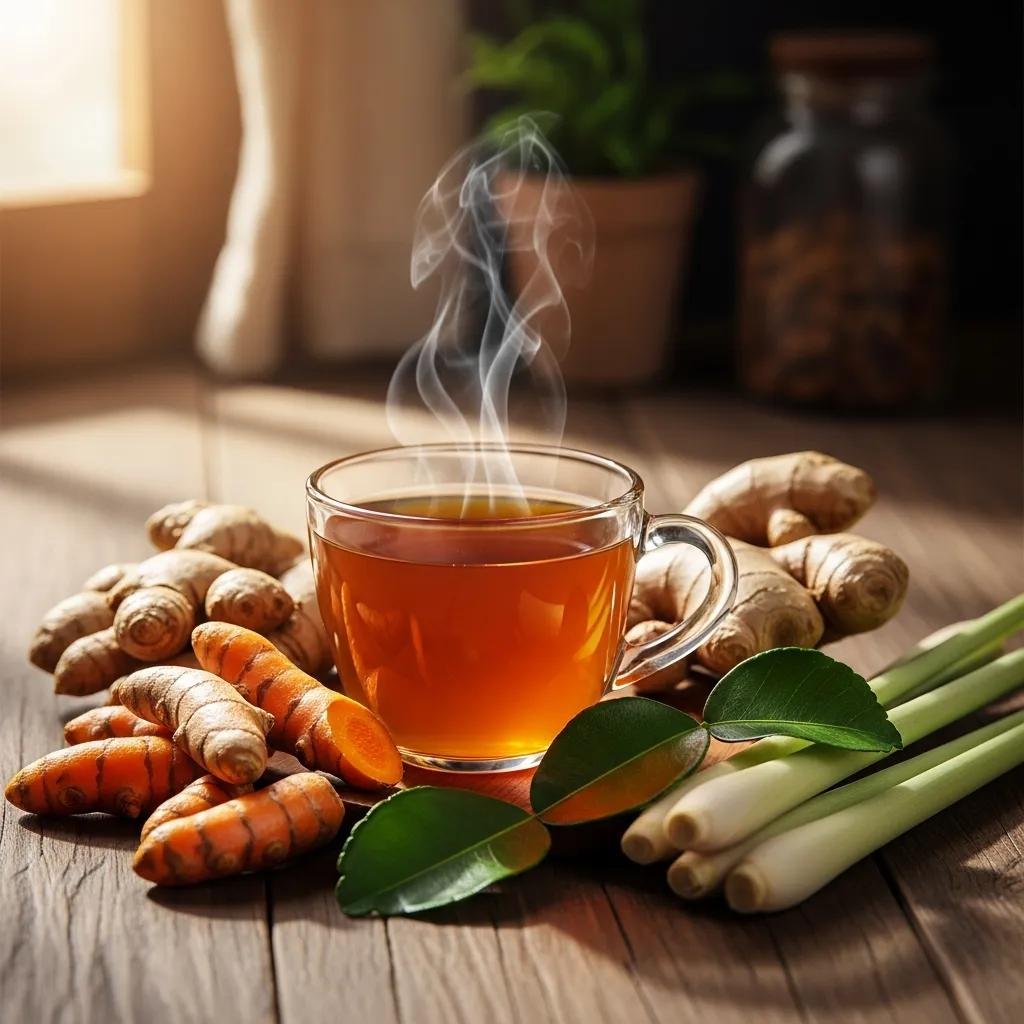
Thai Herbal Tea includes herbs such as turmeric and ginger, which are well known in both Thai tradition and scientific literature for their roles in inflammation pathways when used in specific preparations. In food‑ and tea‑strength blends like Thai Herbal Tea, these herbs are present at more modest levels, contributing warmth and comfort that many people enjoy after activity or at the end of the day. Regular use, alongside stretching, balanced movement, and appropriate medical care, can be one small part of a broader approach to keeping joints feeling more at ease. For background on plant‑based anti‑inflammatory strategies, you can explore resources from the National Center for Complementary and Integrative Health (NCCIH).
Research also explores how Thai herbal formulas may influence oxidative stress and inflammatory markers in specific contexts.
Thai Herbal Approaches and Inflammation
One 2022 study examined a Thai topical herbal recipe (Pok‑Kao) used around the knee and found antioxidative and anti‑inflammatory activity in laboratory tests, supporting continued interest in Thai herbal approaches for joint comfort, while highlighting the need for careful, context‑specific interpretation.
Antioxidative and anti‑inflammatory effects of Thai traditional topical herbal recipe for osteoarthritis of knee, J Junlatat, 2022
In What Ways Is Thai Herbal Tea Linked with Digestive Comfort and Relaxation?

Alongside its joint‑focused herbs, Thai Herbal Tea features plants such as lemongrass and peppermint, which are commonly used in many cultures after meals. These herbs are associated with “carminative” effects in traditional frameworks—meaning they are used to support a feeling of lightness and ease in the digestive area. Many people find that a warm cup helps them pause, slow their breathing, and relax, which can in itself support more comfortable digestion and lower perceived stress.
Traditional use of plants for digestive comfort has been documented across different communities in Thailand, reflecting a long history of turning to herbs as first‑line options for mild, everyday digestive concerns.
Ethnomedicinal Plants for Digestive Comfort in Thailand
A 2015 ethnobotanical study documented how Karen communities in northern Thailand use a range of medicinal plants as first‑line options for common digestive discomforts, highlighting the depth of local knowledge about herbs that support the gut and digestive balance.
Ethnomedicinal plants used for digestive system disorders by the Karen of northern Thailand, 2015
Shop Authentic Thai Herbal Tea Now
Ready to Explore the Wellness Role of Thai Herbal Tea?
Discover how a thoughtfully blended Thai herbal tea can support your everyday routines. Thai Herbal Tea is used by many to complement joint‑focused habits, more mindful digestion, and daily relaxation.
Why Choose Authentic, Steroid‑Free Thai Herbal Tea with Thai FDA Oversight?
Choosing authentic Thai Herbal Tea matters for both your peace of mind and the consistency of your experience. Thai FDA processes help confirm that products follow national rules around ingredients, labelling, and basic safety checks—and that they are free from undeclared steroids and similar substances. This type of oversight, together with responsible sourcing, supports a safer, more transparent herbal‑wellness marketplace.
What Helps Support the Purity and Safety of Thai Herbal Tea?
The producers behind Thai Herbal Tea work within a multi‑step framework to support purity and safety. This includes Thai FDA review, Good Manufacturing Practice (GMP)‑style controls, and independent lab testing for contaminants such as heavy metals and pesticide residues. Herbs are selected and handled with quality in mind, and batches are checked to confirm they match their labels. For consumers, this means an added level of reassurance that what is in the cup aligns with what is promised on the pack.
How Does Thai FDA Oversight Support Authenticity?
Thai FDA oversight involves reviewing product formulas, label claims, ingredient lists, and manufacturing information. Products that display a valid Thai FDA number have been through this process, which helps distinguish genuine, declared products from unregistered copies or items with hidden additives. Choosing Thai Herbal Tea that references Thai FDA processes is one way to feel more confident that you are buying a product that respects current regulatory expectations and traditional knowledge alike.
What Are the 15 Organic Thai Herbs in Thai Herbal Tea and Their Traditional Roles?
Thai Herbal Tea is built from a blend of 15 organic Thai herbs and related botanicals, chosen for their flavour, aroma, and long‑standing roles in Thai and regional herbal traditions. These plants have been used in many formulas and home recipes aimed at supporting comfort, resilience, and general balance. The table below summarises some commonly referenced herbs, their key attributes, and typical traditional uses.
This style of documentation aligns with broader efforts by researchers and traditional practitioners to organise knowledge about Thai medicinal plants and make it more accessible.
Documenting Thai Herbal Knowledge
One 2022 project created a database of medicinal plants used in Cha‑Uat Thai traditional medicine club formulas, cataloguing herbs, plant parts, and uses to better preserve and share traditional knowledge for future generations.
A database system for the diversity of medicinal herbs used as traditional medicinal formulas of the Cha‑Uat Thai traditional medicine club, S Sintupachee, 2022
| Herb | Key Attribute | Traditional Focus |
|---|---|---|
| Turmeric | Warming, anti‑inflammatory in studies | Comfort around joints, digestive support |
| अदरक | Digestive and warming | Nausea and digestive discomfort, general warmth |
| Lemongrass | Aromatic, antioxidant | Post‑meal comfort, calm, refreshing flavour |
| Peppermint | Cooling, antispasmodic | Mild digestive upsets, head and tension relief |
| Holy Basil | Adaptogenic, calming | Stress resilience, general immune‑conscious use |
| Moringa | Nutrient‑dense, antioxidant | Overall vitality and anti‑fatigue support |
| Ginseng | Energy and focus | Stamina, alertness, handling busy days |
| Licorice Root | Soothing | Throat comfort, digestion, adrenal‑focused blends |
| Fennel | Carminative | Gas, bloating, appetite support |
| Chamomile | Relaxing | Sleep, relaxation, mild nervous tension |
| Cinnamon | Warming, antioxidant | Metabolic‑conscious blends, general warmth |
| Cardamom | Aromatic, digestive | Digestive comfort, breath freshness |
| Clove | Aromatic, antimicrobial | Oral‑care traditions, digestive blends |
| Black Pepper | Bioavailability‑enhancing | Supporting absorption in spice and herb mixes |
| Butterfly Pea Flower | Antioxidant, calming | Colourful drinks, stress relief, beauty‑focused blends |
Which Herbs in Thai Herbal Tea Are Linked with Joint and Digestive Comfort?
In Thai Herbal Tea, turmeric and ginger are central where joint comfort is the goal, thanks to their prominent place in both Thai cooking and research related to inflammation pathways. Lemongrass and peppermint are more closely associated with digestive balance and post‑meal ease. Together, these herbs are chosen to create a pleasant cup that aligns with joint‑ and digestion‑focused wellness habits without promising specific medical outcomes.
How Do Traditional Thai Herbs in Thai Herbal Tea Relate to Relaxation and Stress Relief?
Chamomile and holy basil in Thai Herbal Tea are often linked to calming, “wind‑cooling” roles in traditional frameworks. Chamomile is globally known for helping people unwind in the evening, and holy basil is widely described as an adaptogen that supports the body’s response to everyday stress. In a tea blend, these herbs contribute to a gentle, sensory experience that many drinkers find helpful when transitioning from a busy day to a more restful night.
How Should You Prepare and Use Thai Herbal Tea in a Daily Wellness Routine?
Bringing Thai Herbal Tea into your daily routine is straightforward and can be a pleasant anchor for other healthy habits. Preparation only takes a few minutes and can be paired with mindful breathing, stretching, or screen‑free time to make the most of the ritual.
What Is a Simple Way to Brew Thai Herbal Tea?
- Boil water: Heat fresh, filtered water to about 200 °F (93 °C).
- Add tea: Place 1–2 teaspoons of Thai Herbal Tea into a teapot, mug infuser, or similar strainer.
- Steep: Pour the hot water over the tea and steep for 5–7 minutes, adjusting time to taste.
- Strain and enjoy: Strain the tea and drink it warm, or let it cool and serve over ice for a refreshing option.
How Can Thai Herbal Tea Fit into a Holistic Lifestyle?
Here are a few ways people commonly use Thai Herbal Tea:
- Morning: A warm cup instead of a sugary drink to start the day more gently and mindfully.
- After activity: A cup after walking, yoga, or workouts to pair warmth and hydration with recovery‑focused habits.
- Evening: A calming drink after dinner as part of an evening wind‑down that also includes light stretching, reading, or journalling.
By making Thai Herbal Tea part of repeatable rituals, you can link the flavour and aroma of the blend with moments of pause, reflection, and balance throughout your day.
Where Can You Buy Authentic Thai Herbal Tea Online with Free Worldwide Shipping?
Buying Thai Herbal Tea from a trustworthy source helps ensure you receive a genuine, well‑handled product. कलाकारथाई.कॉम focuses specifically on Thai cultural goods and herbal wellness blends, including Thai Herbal Tea, and offers free worldwide shipping to make the product more accessible.
What Makes ArtisanThai.com a Trusted Place to Buy Thai Herbal Tea?
कलाकारथाई.कॉम specialises in authentic Thai tea and wellness products and is committed to clear sourcing stories, third‑party lab checks, and Thai FDA references where applicable. The company shares details about farms, ingredients, and certifications so customers can better understand what they are buying. Direct relationships with Thai producers help support local communities and give buyers more insight into how the tea is grown and prepared.
Where Is Free Shipping for Thai Herbal Tea Available?
कलाकारथाई.कॉम offers free worldwide shipping on Thai Herbal Tea to many countries. For the most up‑to‑date information, including any exclusions or delivery time estimates, check the current shipping policy page before ordering.
अक्सर पूछे जाने वाले प्रश्न
What is a good time of day to drink Thai Herbal Tea?
It depends on your goals. Morning is useful if you want a gentle start, after meals works well for a digestion‑focused ritual, and evening suits those using Thai Herbal Tea as part of a wind‑down routine. Many people enjoy 1–3 cups spaced across the day.
Can everyone drink Thai Herbal Tea, including children and pregnant people?
Thai Herbal Tea is based on natural herbs, but not every herb is suitable for every person or life stage. Children, people who are pregnant or breastfeeding, and anyone with long‑term health issues should speak with a healthcare professional before using herbal blends regularly.
How does Thai Herbal Tea differ from other herbal teas?
Thai Herbal Tea combines about 15 organic Thai and regional herbs, rather than focusing on a single ingredient. This multi‑herb approach is designed to support joint comfort, digestive ease, and relaxation in one cup, whereas many herbal teas focus on just one of those areas.
Are there any possible side effects?
Most people tolerate Thai Herbal Tea well when used as directed, but mild digestive upset or allergy‑type reactions are possible for those who are sensitive to specific herbs. Start with a small amount and stop use if you notice anything unusual. If you take medications or live with ongoing conditions, ask your healthcare provider before making Thai Herbal Tea a daily habit.
How should Thai Herbal Tea be stored?
Keep Thai Herbal Tea in a cool, dry place away from direct sunlight and strong odours, ideally in an airtight container. This helps preserve aroma, flavour, and quality over time.
Can Thai Herbal Tea be used in recipes?
Yes. Brewed Thai Herbal Tea can be used as a base for smoothies, light broths, or even to cook grains like rice or quinoa, adding gentle herbal notes to your meals while keeping your routine varied and enjoyable.
Conclusion
Thai Herbal Tea brings together organic Thai herbs, Thai FDA‑aligned practices, and careful sourcing to create a herbal blend that fits naturally into modern wellness routines. While it is not a medicine and should not replace professional care, many people find it a helpful part of their approach to joint comfort, digestive ease, and daily relaxation. If you are looking to explore Thai herbal traditions in an accessible way, authentic Thai Herbal Tea from कलाकारथाई.कॉम can be a thoughtful addition to your day‑to‑day rituals.
 English
 Chinese
 French
 German
 Hindi
Hindi Indonesian
 Malay
Malay Portuguese
 Spanish