
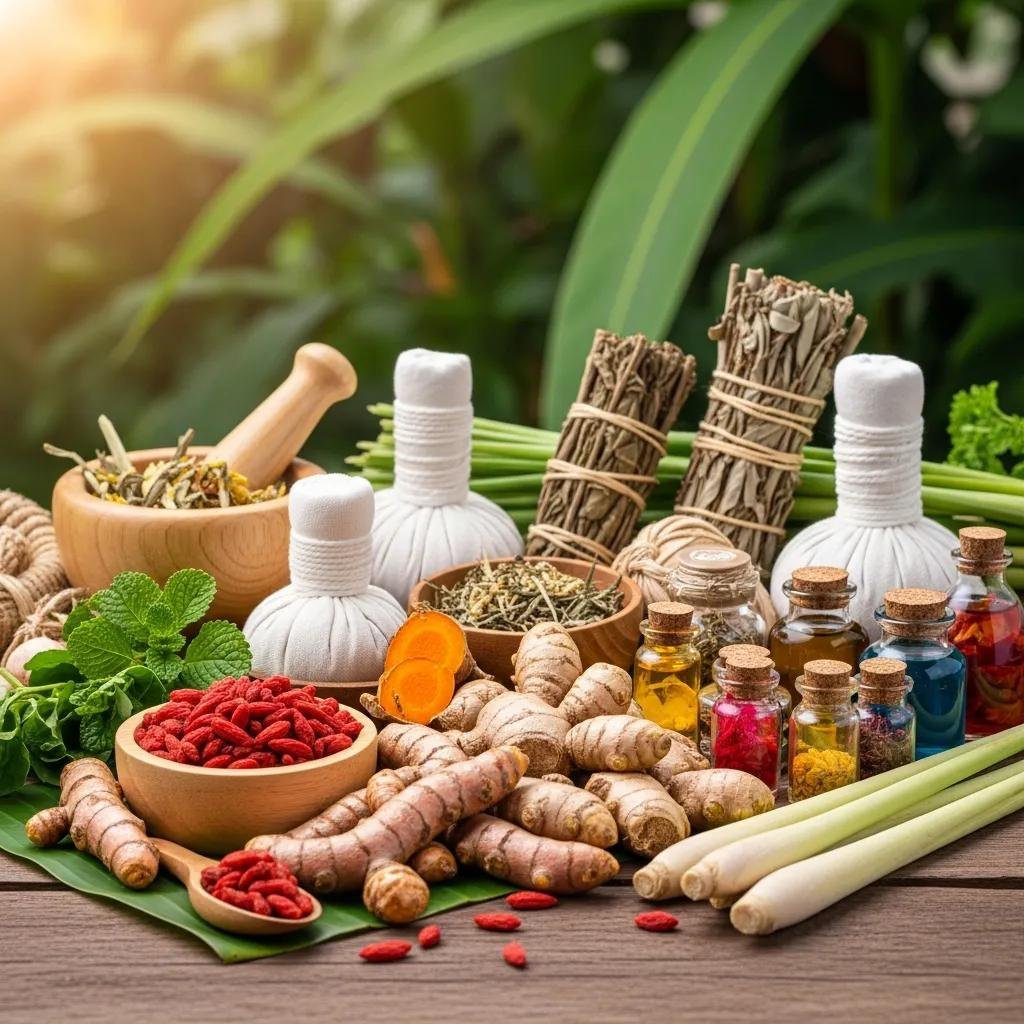
What Are the Benefits of Thai Herbal Products? Discover Traditional Thai Herbs for Health and Wellness
Thai herbal products have been used for centuries as part of a holistic approach to health and wellness. Rooted in traditional knowledge, they bring together natural ingredients to support comfort, balance, and everyday vitality. In this article, we explore how Thai herbs are described in traditional practice, the roles they play in daily life, and how they can be integrated into modern routines. You will learn about specific herbs, their commonly discussed wellness roles, and practical ways to enjoy them through teas, foods, and topical products. Many people today look for natural options alongside conventional care, and Thai herbal products provide a rich tradition to draw from. This guide covers key wellness themes, the calming use of herbal teas, support for energy and resilience, examples of common herbs, and tips for recognising quality and authenticity.
What Are the Key Wellness Roles of Traditional Thai Herbal Products?
Traditional Thai herbal products are often framed around balance and harmony, using plant ingredients to support the body’s own processes. Rather than being positioned as cures, they are typically used to promote comfort, ease, and resilience in daily life. Common areas of focus include joint and muscle comfort, digestive balance, and general vitality.
How Do Thai Herbs Relate to Joint and Muscle Comfort?
Thai herbs such as turmeric and ginger are widely known in both kitchens and traditional practice for their association with joint and muscle comfort. Turmeric contains curcumin, a compound that has been extensively studied for its influence on inflammatory pathways in research settings, including arthritis models. Ginger is often used in connection with circulation and a feeling of reduced stiffness after activity. Including these herbs in food and drink is one way people seek to support mobility and overall ease.
Curcumin’s Role in Inflammation Research
Curcumin, a natural polyphenolic substance, has long been studied for its strong effects on inflammatory pathways in various experimental models, including arthritis. One challenge is its low water solubility, which limits absorption and bioavailability, so different formulations are being compared to improve how it behaves in the body.
Anti-inflammatory effect of different curcumin preparations on adjuvant-induced arthritis in rats, I. Rinkunaite, 2021
Which Thai Herbs Are Associated with Digestive Wellness?
Digestive comfort is another area where Thai herbs are often used. Lemongrass has a long history in Thai cuisine and herbal infusions, where it is linked with a feeling of lightness and reduced bloating. Peppermint and similar aromatic herbs are commonly discussed in relation to soothing the gastrointestinal tract. Enjoying these herbs as teas or as part of meals offers a gentle, traditional way to support a sense of digestive ease.
How Can Thai Herbal Teas Support Relaxation and Stress Management?
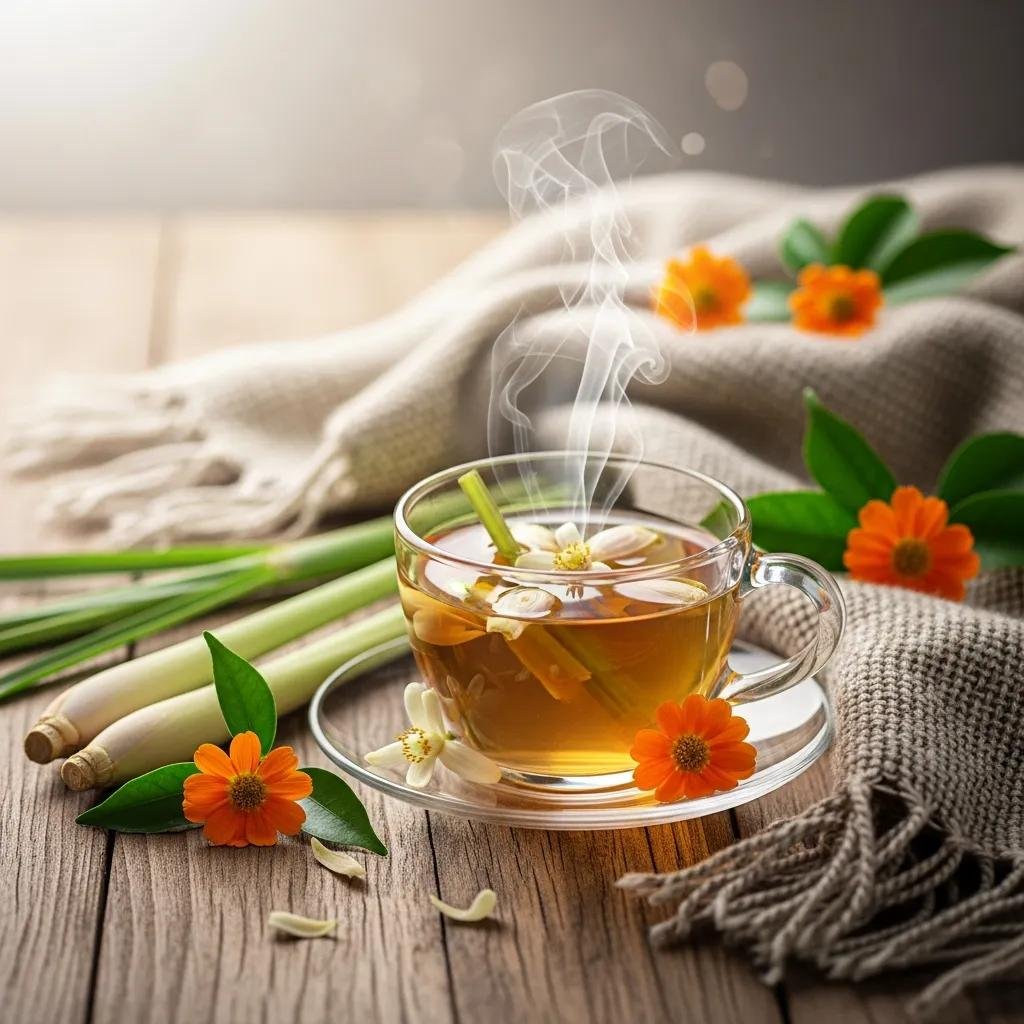
Thai herbal teas are appreciated for their flavors and their calming place in daily routines. Sitting down with a warm infusion can act as a small ritual that helps signal the body and mind to slow down. Certain herbs used in these teas are especially associated with relaxation and emotional balance.
Given how common stress is worldwide, many people look for gentle, natural practices to complement other stress‑management tools.
Why Everyday Stress Management Matters
Stress, anxiety, and low mood are increasingly common across the globe, with a large proportion of adults reporting stress‑related symptoms such as headaches, tiredness, and sleep issues. Stress can affect mental outlook as well as physical health, directly and through changes in habits, so it is important to encourage a range of stress‑lowering strategies to support wellbeing and tranquility.
Feasibility and Efficacy of a Novel Mindfulness App Used With Matcha Green Tea in Generally Healthy Adults: Randomized Controlled Trial, 2024
What Are the Calming Roles of Sandalwood, Orange Blossom and Ginseng?
Sandalwood is valued for its soft, grounding aroma that many people associate with reduced tension and a sense of peace. Orange blossom, often used in teas or aromatic blends, has a gentle, sweet fragrance linked with uplifted mood and relaxation. Ginseng is frequently described as an adaptogenic herb, traditionally used to help the body cope with stress and maintain energy. When combined, these ingredients can create a soothing tea or aroma blend that many find helpful in wind‑down rituals.
How Does Tapee Tea Bring Together Herbs for a Relaxing Experience?
Thé Tapee is a multi‑herb Thai tea blend that includes ingredients such as lemongrass, ginseng, and orange blossom. It is designed as a calming herbal infusion, and many users enjoy it in the evening or during breaks as a way to pause and reset. The combination of aromatic and adaptogenic herbs aims to create a pleasant sensory experience that supports relaxation within a busy day.
Which Thai Herbs Are Linked with Immunity and Circulation in Traditional Use?
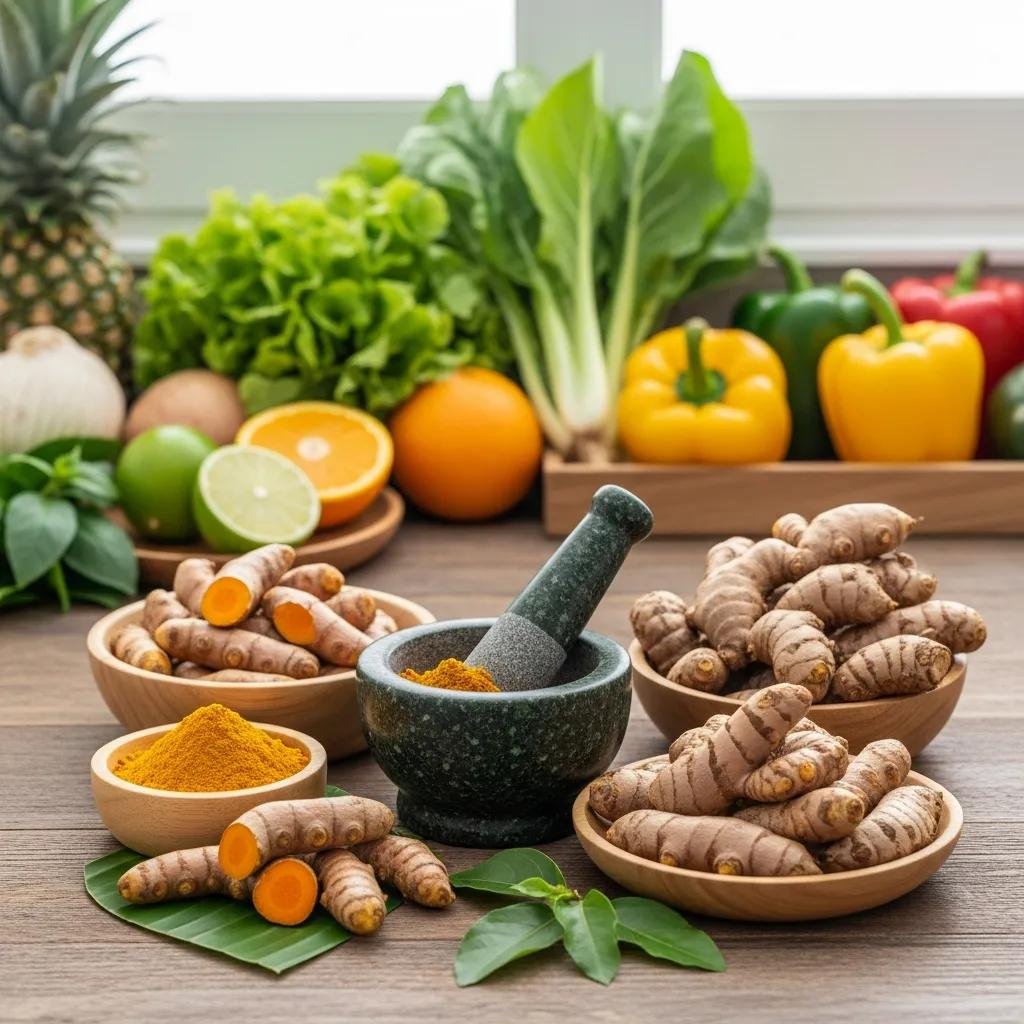
Some Thai herbs are traditionally associated with feeling strong, energised, and well supported throughout the year. In modern wellness language, this is often framed around immune support, antioxidant intake, and healthy circulation.
What Do Turmeric and Goji Berry Contribute?
Turmeric is frequently highlighted for its antioxidant content and its extensive study in research on inflammatory and immune‑related pathways. Goji berries, rich in vitamins and plant compounds, are commonly used in both Asian and Western wellness traditions for nutritional support and everyday energy. Together, ingredients like these can help round out a diet that already emphasises whole foods and varied plant intake.
How Is Thai Black Ginger Used for Circulation and Energy?
Thai black ginger is a well‑known herb in Thailand, often discussed in connection with circulation and stamina. It is traditionally used in tonics and teas by people who want to feel more energetic and less fatigued. While research is ongoing, in everyday practice it is seen as a way to support an active lifestyle and overall vitality.
What Are Common Thai Herbs and Their Traditional Uses?
Knowing a few widely recognised Thai herbs and how they are traditionally used can make it easier to choose products and recipes that fit your preferences.
Which Herbs Feature in Tapee Tea, and How Are They Described?
Tapee Tea typically includes herbs such as lemongrass, ginseng, and orange blossom, among others. Lemongrass is associated with digestion and a sense of lightness, ginseng with energy and stress resilience, and orange blossom with calm and pleasant aroma. Together, these ingredients create a blend that supports a relaxing tea‑drinking moment and reflects Thai herbal traditions around comfort and balance.
How Are Thai Herbs Used in Food and on the Body?
Thai herbs are highly versatile. In the kitchen, herbs such as basil, cilantro, galangal, and kaffir lime add aroma, flavor, and color to soups, curries, and salads. For topical use, Thai practice includes herbal oils, balms, and compresses applied to the skin during massage or self‑care to provide warmth, comfort, and a pleasant scent. This combination of culinary and topical use shows how deeply herbs are woven into daily Thai life.
How Can You Check Authenticity and Quality When Choosing Thai Herbal Products?
When selecting Thai herbal products, paying attention to quality and authenticity helps you use them more confidently as part of your routine.
Why Is Thai FDA Oversight Relevant for Herbal Products?
Thai regulatory authorities, including the Thai FDA, oversee certain categories of herbal products to ensure they meet local standards for safety and labelling. When a product is registered or listed, it means its formulation and label have been reviewed under Thai regulations. Looking for Thai FDA information on packaging can be one piece of your quality checklist, alongside brand reputation and transparency.
These efforts form part of a broader push to strengthen Thailand’s herbal product system and integrate traditional products into modern frameworks.
Thailand’s Herbal Product System in Transition
Recent reviews of Thailand’s herbal medicinal product system note that, despite decades of supportive policy, there are still challenges in industry capacity, research and development, and human resources. While registrations of herbal products have increased, relatively few scientifically developed herbal products receive full licences, and only a small fraction of medicines on the National List of Essential Medicines are herbal items. This underscores the need for ongoing work on quality, availability, and appropriate regulatory measures.
The Current Situation of the Herbal Medicinal Product System in Thailand, 2020
How Does ArtisanThai Approach Ethical Sourcing and Product Purity?
ArtisanThai focuses on working with trusted Thai suppliers and prioritises clear information about where herbs come from and how they are prepared. The company emphasises ethical sourcing, product testing where appropriate, and transparent communication so customers can better understand what they are buying. By supporting brands like ArtisanThai, you help encourage sustainable practices and fair relationships with growers and producers.
Why Consider ArtisanThai for Your Thai Herbal Wellness Journey?
Choosing a knowledgeable, transparent supplier can make exploring Thai herbal products easier and more enjoyable.
What Does ArtisanThai Offer with Tapee Tea?
ArtisanThai offers Thé Tapee, crafted from carefully selected herbs and produced with an emphasis on quality and ethical sourcing. The blend reflects traditional Thai herbal combinations and is designed as an everyday wellness tea rather than a medical product. Customers can appreciate both the flavor and the confidence that comes from knowing the herbs are sourced responsibly and clearly described.
How Does Worldwide Shipping Expand Access to Thai Herbal Products?
Through worldwide shipping, ArtisanThai makes it possible for people outside Thailand to experience Thai herbal teas, oils, and other products. This allows more individuals to explore Thai herbal traditions while still purchasing from a specialist supplier. The combination of online convenience, detailed product information, and a focus on authenticity makes ArtisanThai a practical choice for those interested in Thai herbal wellness.
| Herb | Wellness Focus | Traditional Use |
|---|---|---|
| Turmeric | Joint and general comfort | Used in foods and drinks linked with balance |
| Ginger | Circulation and post‑activity ease | Commonly used after exertion or in warming drinks |
| Lemongrass | Digestive comfort | Infused in teas and dishes for a light, soothing feel |
| Ginseng | Energy and resilience | Used in tonics associated with stamina and focus |
| Goji Berry | Nutritional support | Added to teas and soups for vitamins and plant compounds |
Thai herbal products offer many ways to complement a wellness‑focused lifestyle, from teas and tonics to culinary and topical uses. By understanding how key herbs are viewed in traditional practice and how to choose high‑quality, authentic items, you can explore this heritage in a thoughtful way. Always use Thai herbal products as part of a balanced routine and in conversation with healthcare professionals when you have specific health questions.
 English
 Chinese
 French
 German
 Hindi
Hindi Indonesian
 Malay
Malay Portuguese
 Spanish