
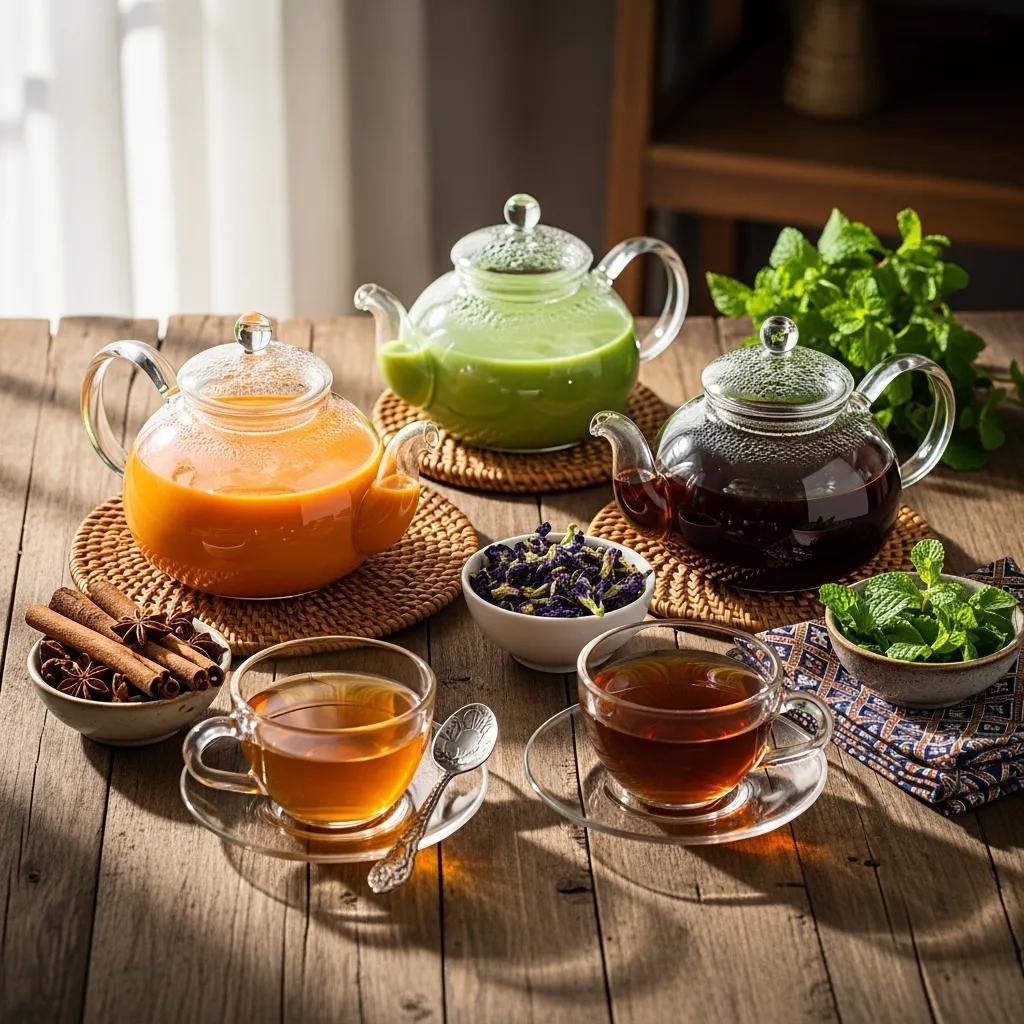
Exploring the Wellness Traditions of Authentic Thai Teas: Culture, Ingredients, and Benefits
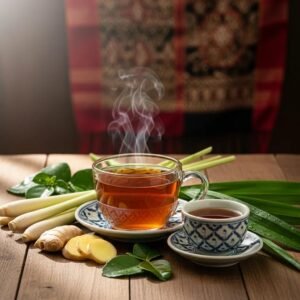
Authentic Thai teas sit at the crossroads of flavour, culture, and everyday wellness. They range from classic Thai milk tea made with black tea and sweetened milk to herbal infusions that highlight Thai botanicals such as lemongrass, ginger, and holy basil. This article introduces how these teas are traditionally prepared, what makes them uniquely Thai, and how they can fit into a modern wellness‑oriented lifestyle as supportive, enjoyable drinks rather than medical treatments.
You will learn how Thai teas are defined in a cultural context, which ingredients commonly appear in wellness‑focused herbal blends, and how products such as Tapee Tea bring multiple Thai herbs together in a single cup. We also explain how ArtisanThai approaches authenticity and ethical sourcing so you can choose teas that respect Thai traditions and meet contemporary quality expectations.
What Are Authentic Thai Teas and Why Are They Culturally Significant?
Authentic Thai teas are defined not only by ingredients but also by preparation methods and the social settings in which they are served. They often feature local herbs, spices, and strong black teas, reflecting Thailand’s culinary style and climate. In many families and communities, tea is part of gatherings, hospitality, and shared pauses in the day.
How Is Authentic Thai Tea Typically Defined?
When people refer to “authentic Thai tea,” they often mean Thai milk tea (cha yen): a strong black tea, sometimes spiced, sweetened generously with sugar or sweetened condensed milk, and finished with evaporated milk for creaminess. This style produces the familiar rich, sweet, orange‑tinted drink served over ice in cafes and street stalls. Herbal and green‑tea‑based Thai blends are also considered authentic when they use traditional Thai ingredients and preparation styles, even though they differ from the classic milk tea.
What Role Does Thai Tea Play in Thai Culture?
In Thai culture, tea is woven into everyday life as much as into special occasions. Sharing tea signifies welcome and care, whether it is a simple herbal infusion made at home or a sweet iced Thai tea enjoyed with family. Tea stalls and local shops also act as informal gathering points, where conversation and community connection are as important as the drink itself.
Key Wellness Themes in Thai Herbal Teas
Thai herbal teas use ingredients that have long been part of traditional Thai and regional herbal practices. While they are not medicines when sold as general wellness products, they are often chosen with particular goals in mind—such as digestive comfort, relaxation, or everyday joint ease. Many of these uses align with modern research on individual herbs, though results depend on dose, preparation, and the person’s overall lifestyle.
- Confort des articulations et des mouvements : Some Thai blends include herbs such as cat’s whiskers, turmeric, and ginger, which have been studied for their roles in inflammatory pathways and fluid balance in specific contexts.
- Digestive support: Lemongrass, ginger, and peppermint commonly appear in Thai herbal teas used after meals to support a sense of digestive ease.
- Détente et lutte contre le stress : Holy basil, jasmine, and other aromatic herbs are often used in calming evening teas and have been discussed in research on stress resilience and mood.
These effects are best understood as gentle support for everyday comfort, not as stand‑alone treatments for pain, anxiety, or digestive diseases.
Comment les tisanes thaïlandaises peuvent-elles contribuer au confort articulaire au quotidien ?
Thai herbal blends that include herbs like cat’s whiskers (Orthosiphon stamineus), turmeric, and ginger are often chosen by people who want to support comfortable movement as part of an overall wellness routine. Cat’s whiskers extracts have been studied for anti‑inflammatory and diuretic‑related properties in the context of gout and arthritis, including modulation of inflammatory mediators and uric‑acid‑related mechanisms. Turmeric and ginger are well known in research for influencing inflammatory signalling and oxidative stress.
In tea form, these herbs contribute flavour and plant compounds in relatively modest amounts compared with concentrated extracts used in clinical trials. For this reason, Thai herbal teas are best described as supportive, comfort‑oriented drinks that may complement, but not replace, medical care, movement, or prescribed medication for joint conditions.
How Do Thai Herbal Teas Fit Into Digestive Health and Relaxation Rituals?
Ingredients such as lemongrass, ginger, peppermint, and fennel are frequently used in Thai and global herbal traditions to support post‑meal comfort. Studies on lemongrass and ginger teas have examined digestive and carminative effects, including reductions in bloating and support for healthy gut motility. In a Thai context, these herbs are often brewed after meals to encourage a feeling of lightness and to mark the end of eating with a mindful pause.
At the same time, warm herbal teas featuring holy basil, jasmine, or pandan are commonly used to help unwind. Research on holy basil suggests adaptogen‑like effects on stress physiology and sleep quality in supplement forms, with trials showing moderated cortisol responses and improved subjective sleep in some participants. A cup of caffeine‑free Thai herbal tea in the evening can therefore contribute to a broader wind‑down routine that also includes reduced screen time and consistent bedtimes.
What Makes Tapee Tea a Notable Thai Wellness Blend?
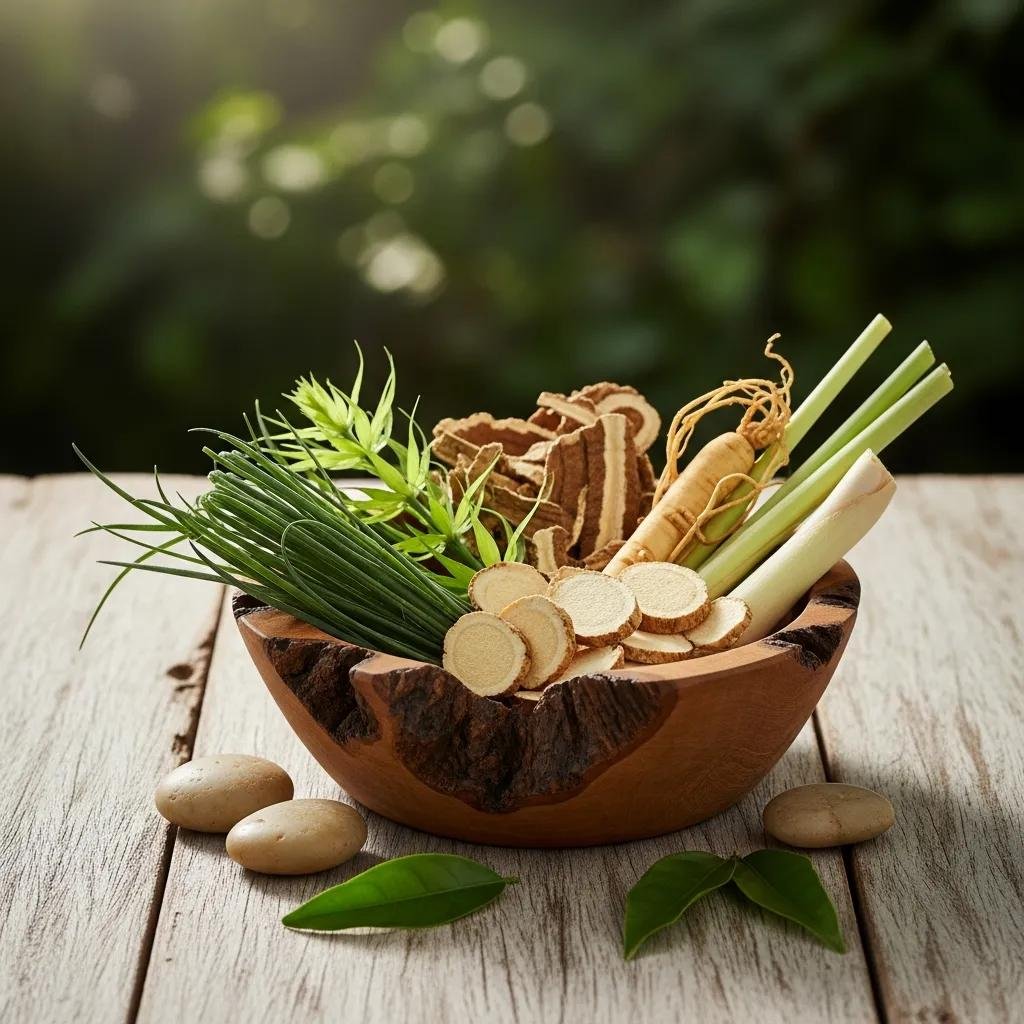
Tapee Tea is positioned as a multi‑herb Thai wellness blend that reflects local herbal traditions while remaining accessible as an everyday drink. It combines multiple Thai and regional herbs so that no single plant dominates the formula, aiming to offer a rounded flavour and broad spectrum of plant compounds rather than targeted pharmaceutical‑like dosing.
Which Herbs Are Commonly Included in Tapee Tea and How Are They Traditionally Viewed?
Different Tapee Tea recipes may vary slightly, but blends often use around 15 herbs. A typical profile includes:
| Herb | Traditional / Wellness Focus | Notes |
|---|---|---|
| Cat’s whiskers | Joint and fluid balance support | Used traditionally for gout and urinary issues; modern studies explore anti‑inflammatory and diuretic actions. |
| Ginseng | Balanced energy and resilience | Ginsenosides are investigated for fatigue and cognitive support, often at higher doses than those in teas. |
| Lemongrass | Digestive comfort | Popular as a digestive tea and in cooking; research discusses antioxidant and mild diuretic properties. |
| Ginger | Nausea and post‑meal support | Extensively studied for digestive comfort and inflammation‑related pathways. |
| Turmeric | Warmth and everyday comfort | Curcumin is a major focus of anti‑inflammatory and antioxidant research. |
| Holy basil | Stress and mood support | Clinical data suggest adaptogenic effects on stress and sleep markers. |
| Moringa | Nutrient‑dense leafy support | Rich in vitamins, minerals, and polyphenols. |
| Butterfly pea | Antioxidant and beauty‑conscious routines | Anthocyanin‑rich flower with research on neurocognitive and antioxidant aspects. |
| Pandan | Aromatic relaxation | Used for its soothing scent and flavour in Thai desserts and drinks. |
| Green tea | Antioxidant and metabolism‑conscious blends | Provides catechins such as EGCG and a small amount of caffeine when included. |
| Licorice root | Smoothness and throat comfort | Contains glycyrrhizin; high intakes can affect blood pressure, so moderation is important. |
| Jasmine | Calming aroma | Jasmine‑scented teas are often used for mood and relaxation. |
| Peppermint | Digestive ease | Commonly used worldwide for bloating and digestive comfort. |
| Fennel | Gentle digestive support | Traditionally used to ease gas and mild cramping. |
| Cinnamon & clove | Warm spice and seasonal comfort | Polyphenol‑rich spices with antioxidant and antimicrobial activity in lab studies. |
This diversity of herbs gives Tapee Tea a layered flavour and a broad phytonutrient profile. It is best positioned as a daily wellness tea that supports rituals and plant variety, rather than as a targeted treatment for specific health conditions.
How Might Tapee Tea Relate to Circulation, Mood, and Women’s Wellness?
Some Tapee Tea drinkers are interested in circulation, mood balance, or menstrual comfort. Herbs such as ginseng, cinnamon, and safflower are used in various traditions in circulation‑conscious contexts, while holy basil and jasmine are associated with stress resilience and emotional steadiness. However, human evidence for complex multi‑herb blends like Tapee Tea is still limited, and responses vary from person to person.
A practical way to frame Tapee Tea is as a pleasant, caffeine‑light or caffeine‑free option for times when you want warmth, aroma, and a sense of reset—whether that is after activity, during a work break, or as part of an evening routine—rather than as a gender‑specific or hormone‑active product.
How Does Traditional Thai Herbal Medicine Shape Modern Thai Teas?
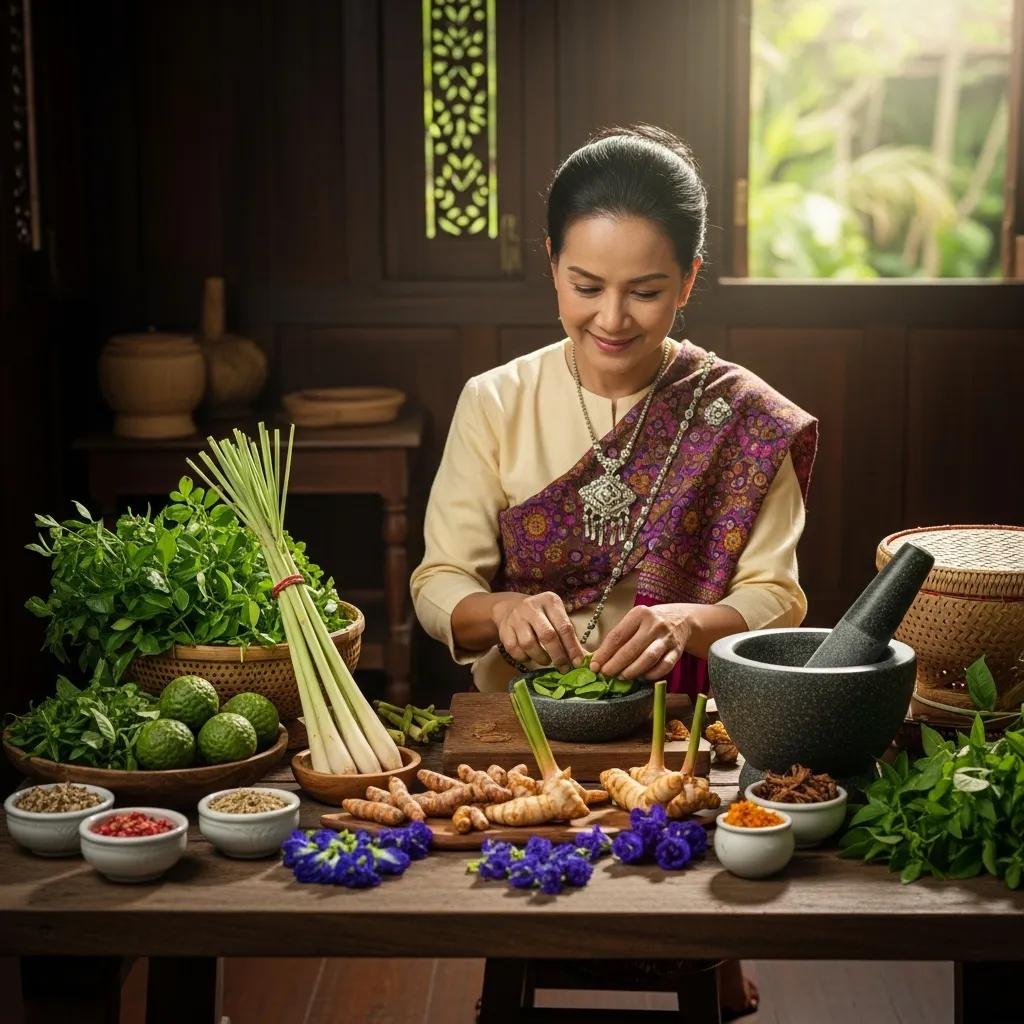
Modern Thai teas are influenced by principles and ingredient choices from Traditional Thai Medicine (TTM). TTM uses herbs, massage, diet, and mindfulness to support balance and is widely used in Thailand alongside conventional care, including among people managing chronic diseases. Many herbs that appear in Thai teas today were originally part of broader TTM formulas rather than stand‑alone beverages.
What Is the Basic Philosophy Behind Thai Herbal Remedies?
TTM views nature as a primary source of support for health, emphasising local plants and context‑specific combinations rather than isolated compounds. Formulas are tailored to an individual’s pattern (constitution, elements, lifestyle) and are meant to accompany other practices like movement, rest, and spiritual work. When herbs are used in tea form, they bring a small part of that tradition into an everyday, easily adopted format.
Which Herbs Commonly Bridge Traditional Practice and Modern Tea Drinking?
- Turmeric: Long used in Thai and regional practice and now extensively studied for inflammation‑related pathways.
- Ginger: A classic culinary and herbal root for digestion and warmth.
- Cat’s whiskers: Featured in Thai and Malaysian practice for urinary and joint‑related patterns; reviewed as anti‑inflammatory and diuretic in gout‑related research.
In tea blends, these herbs contribute taste and plant compounds in modest amounts, helping translate TTM concepts into simple daily habits.
Which Other Thai Teas Complement Tapee Tea?
Beyond Tapee Tea, a wide range of Thai teas can round out a wellness‑oriented tea shelf. These include both true teas (from the tea plant) and herbal or fruit infusions.
What Stands Out About ChaTraMue and Jasmine Green Tea?
ChaTraMue Thai milk tea is known for its robust black‑tea base and aromatic profile, usually served sweet and creamy with condensed and evaporated milk. It is more of an indulgent treat than a health drink, though it still provides black‑tea polyphenols. Jasmine green tea, by contrast, offers a lighter, floral experience with green‑tea catechins and a moderate amount of caffeine, making it a suitable daytime option for gentle alertness.
How Do Fruit Teas and Blends Expand Thai Tea Variety?
Fruit‑forward Thai blends featuring ingredients like roselle, bael fruit, or tropical flavours such as mango and passionfruit add natural tartness or sweetness and additional plant compounds. Roselle, for instance, is often studied for blood‑pressure‑related effects in concentrated preparations, while in tea it is best seen as an antioxidant‑rich, tangy drink that can replace sugary sodas. These blends allow people to enjoy Thai‑style teas even when they prefer not to consume dairy or high levels of caffeine.
How Does ArtisanThai Approach Authenticity, Ethical Sourcing, and Access?
ArtisanThai focuses on connecting global customers with Thai teas that are both culturally authentic and produced under modern quality standards. This includes working with local farmers and artisans, supporting fair prices, and respecting traditional knowledge while also paying attention to safety and labelling.
Why Is Thai FDA or Similar Certification Helpful for Herbal Teas?
Thai FDA registration or notification for certain products indicates that the manufacturer and product have passed basic regulatory checks appropriate to their category. This can include label review, manufacturing standards, and sometimes testing. While certification does not guarantee that a product is right for every individual, it provides an extra layer of oversight compared with unregistered items.
How Does ArtisanThai Support Producers and Serve Customers Worldwide?
ArtisanThai aims to:
- Source directly from Thai producers where possible, supporting local economies and preserving craft knowledge.
- Verify that partners follow good manufacturing practices and relevant Thai regulations.
- Offer international shipping so customers worldwide can access Thai teas without relying on anonymous bulk blends.
- Provide transparent information about ingredients, sourcing, and suggested use.
Frequently Asked Questions
Which Thai teas are good starting points for beginners?
Many beginners enjoy starting with Thai milk tea for its familiar dessert‑like profile, then exploring jasmine green tea and simple herbal blends such as lemongrass‑ginger. This progression introduces classic flavours while gradually reducing sugar and focusing more on herbs and green tea.
Can Thai teas be enjoyed every day?
Most Thai herbal teas and moderate amounts of true teas can be part of a daily routine for many healthy adults, especially when caffeine, sugar, and personal health conditions are taken into account. Those who are pregnant, breastfeeding, or managing chronic illnesses should consult a clinician before using herbal blends regularly.
How should Thai teas be prepared for good flavour and gentle benefits?
Herbal teas generally do well with 5–10 minutes of steeping in hot, but not boiling, water, while green teas require cooler water and shorter steeping to avoid bitterness. Traditional Thai milk tea is brewed strong and served sweet and creamy, making it more of an occasional treat than a daily wellness drink.
Can Thai teas help with specific medical conditions?
Thai teas are best thought of as supportive wellness drinks. Some herbs in them have been studied in connection with issues such as digestion, stress, or joint comfort, but tea alone should not be relied on for treating medical conditions. Always work with a healthcare professional for diagnosis and treatment, and view herbal teas as complementary.
How should Thai teas be stored?
Store Thai teas in airtight containers away from light, heat, and moisture. This helps preserve aroma, flavour, and the stability of sensitive plant compounds. Dark tins or jars in a cool cupboard usually work well.
How do Thai tea flavours compare to other tea traditions?
Thai teas often feature bold spices, bright citrus notes from lemongrass, or creamy sweetness from condensed milk, making them more aromatic and dessert‑like than many East Asian green teas or English breakfast‑style black teas. Herbal blends can be surprisingly complex, combining sweet, spicy, and floral elements in a single cup.
Avis de non-responsabilité : The information in this article is for educational purposes only and is not intended to diagnose, treat, cure, or prevent any disease. Always consult a qualified healthcare professional before using herbal products for specific health concerns or alongside medications.
Conclusion
Authentic Thai teas combine cultural richness with enjoyable, wellness‑oriented drinking habits. Whether you choose a classic Thai milk tea, a jasmine green tea, or a multi‑herb blend like Tapee Tea, these beverages can become meaningful parts of daily rituals that support relaxation, connection, and appreciation of Thai herbal traditions. By choosing well‑sourced, transparently labelled products from trusted vendors, you can enjoy Thai teas with both confidence and pleasure.
 English
 Chinese
 French
 German
 Hindi
Hindi Indonesian
 Malay
Malay Portuguese
 Spanish