
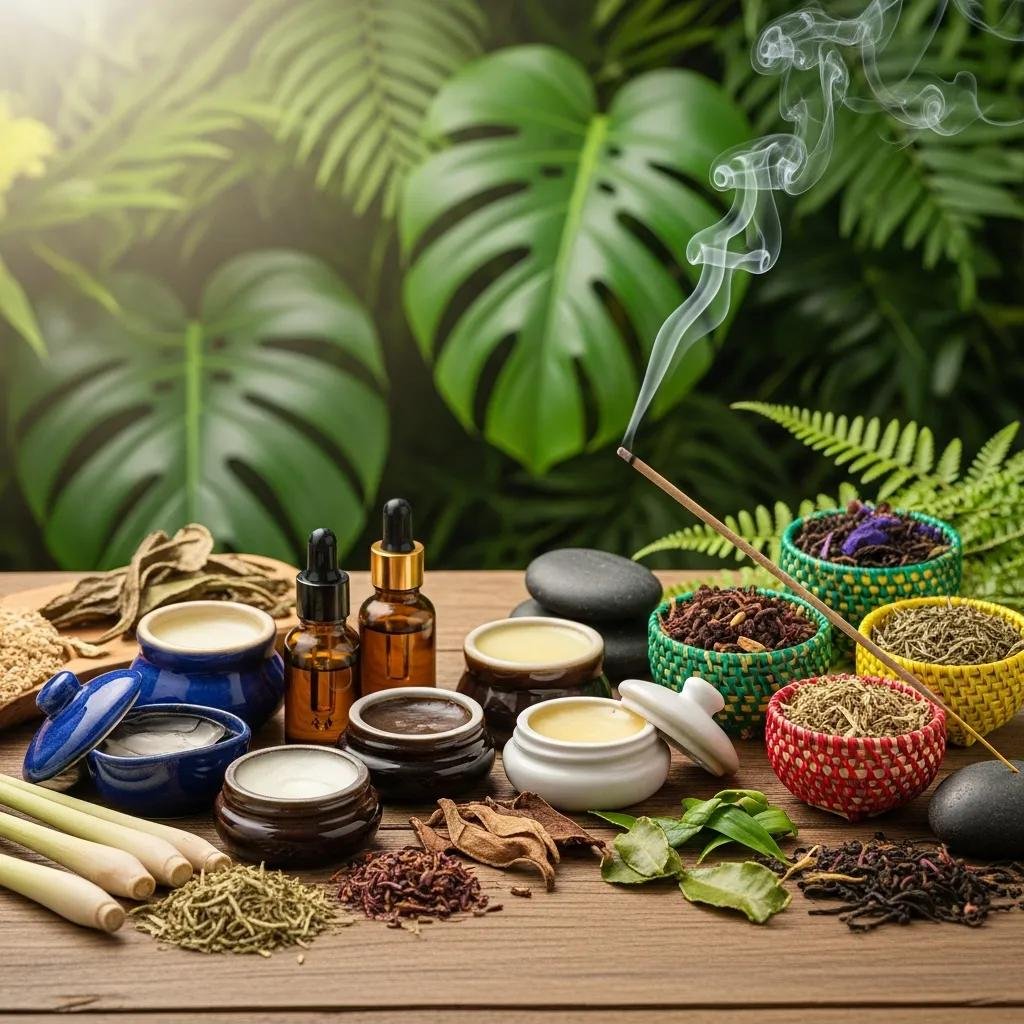
Essential Guide to Authentic Thai Herbal Products: Traditions, Herbs, and Everyday Wellness
Authentic Thai healing products draw on centuries of traditional Thai medicine, bringing together herbs, bodywork tools, and aromatic preparations that many people now use to support a more holistic lifestyle. This guide explains how Thai traditional medicine views health and balance, which product categories are most common, and what to look for when choosing safe, high‑quality items. It is designed for readers who are interested in natural, tradition‑based options to complement—not replace—conventional care.
Written by: Dr. Somchai Charoensuk, Traditional Thai Medicine Practitioner
Over 20 years of clinical experience. Certified by the Thailand Ministry of Public Health, with a Master’s degree in Thai Traditional Medicine from Chulalongkorn University, Bangkok. Specialised in therapeutic applications of Thai medicinal herbs within holistic wellness frameworks.
Contributing expertise: Niran Pongpanit, Certified Herbalist
Graduate of Wat Pho Thai Traditional Medical School with 15 years of experience in authentic Thai herb sourcing, quality verification, and traditional formulation.
Medically reviewed by: Dr. Lisa Anderson, MD
Board‑certified physician in integrative medicine with a focus on combining evidence‑based traditional practices and Western medical care.
Accuracy and safety note: All content is created and reviewed by licensed Thai traditional medicine practitioners and medical doctors to ensure it reflects traditional knowledge and current research as accurately as possible. It is educational in nature and does not replace personalised medical advice.
What Is Thai Traditional Medicine and How Does It View Wellness?
Thai traditional medicine (TTM) is a comprehensive system that emphasises balance among body, mind, and spirit. It integrates herbal formulations, Thai massage and other bodywork, dietary guidance, and spiritual or mindfulness practices to encourage a state of overall harmony rather than focusing only on symptoms [web:136][web:138]. In Thailand, TTM has developed alongside modern biomedicine for centuries, and many people use elements of both in their daily lives.
Thai Traditional Medicine: History and Role
Historical and modern overviews describe Thai traditional medicine as a holistic healing system, refined over more than 700 years, that uses natural products and manual therapies alongside spiritual concepts to support health and complement conventional care [web:136].
Based on Thai TTM introductions and recent research on traditional soaking formulas [web:136][web:162]
What Are the Core Principles and Components of Thai Traditional Medicine?
Key TTM principles include:
- Elemental balance: Health is framed in terms of elements and energy flows, with imbalance seen as a root contributor to discomfort [web:138][web:141].
- Individual constitution: Treatments are tailored to each person’s elemental make‑up and lifestyle, rather than applying a single protocol to everyone.
- Herbal support: Local plants are used in teas, decoctions, compresses, oils, and balms as everyday tools to support comfort, digestion, circulation, and resilience.
- Mind‑body connection: Emotional and spiritual states are seen as directly relevant to physical health, so mindfulness, meditation, and ethical living are considered part of care.
Herbs and bodywork are therefore only one part of a bigger picture that includes rest, movement, food, and mental life.
How Do Thai Healing Practices Combine Herbs, Bodywork, and Spiritual Elements?
In practice, Thai healing often involves:
- Herbal medicine: Formulas tailored to a person’s pattern, using combinations of roots, leaves, barks, and flowers.
- Bodywork: Thai massage and related techniques work along energy lines (sen) to encourage circulation, mobility, and relaxation.
- Spiritual and mindfulness practices: Meditation, chanting, and breathwork are used to support clarity, focus, and emotional steadiness.
These elements are not meant to replace modern medical treatment, but to accompany it in a way that reflects Thai cultural perspectives on health.
Which Key Categories Define Authentic Thai Healing Products?
Authentic Thai healing products generally fall into a few main categories. Each reflects a traditional use, updated with modern quality standards:
- Herbal balms and ointments: Semi‑solid preparations with herbs and essential oils for topical application.
- Herbal compresses: Cloth bundles filled with aromatic and warming herbs, steamed and applied to the body.
- Essential oils and inhalers: Concentrated aromatic distillates and blends used for scent‑based rituals and perceived openness or alertness.
- Herbal teas and decoctions: Dried herb blends prepared as drinks to fit daily routines.
- Natural skin and body products: Soaps, scrubs, and oils based on traditional ingredients like turmeric, kaffir lime, and rice bran.
Understanding the intended use and proper application of each type helps you choose products that fit your needs and expectations.
How Are Thai Herbal Balms and Ointments Commonly Used?
Thai herbal balms typically combine base oils or waxes with herbs such as lemongrass, ginger, turmeric, camphor, or menthol. They are used externally for:
- Creating a warming or cooling sensation on areas of perceived muscle or joint tension.
- Providing aromatic stimulation, which some people find helpful for focus or feelings of clear breathing.
- Supporting massage routines by adding glide and scent.
Balms should always be used on intact skin, with patch‑testing first for sensitive individuals. They are not meant for open wounds or as a replacement for medical pain management.
What Is Traditional Thai Herbal Compress Therapy and How Can It Be Used at Home?
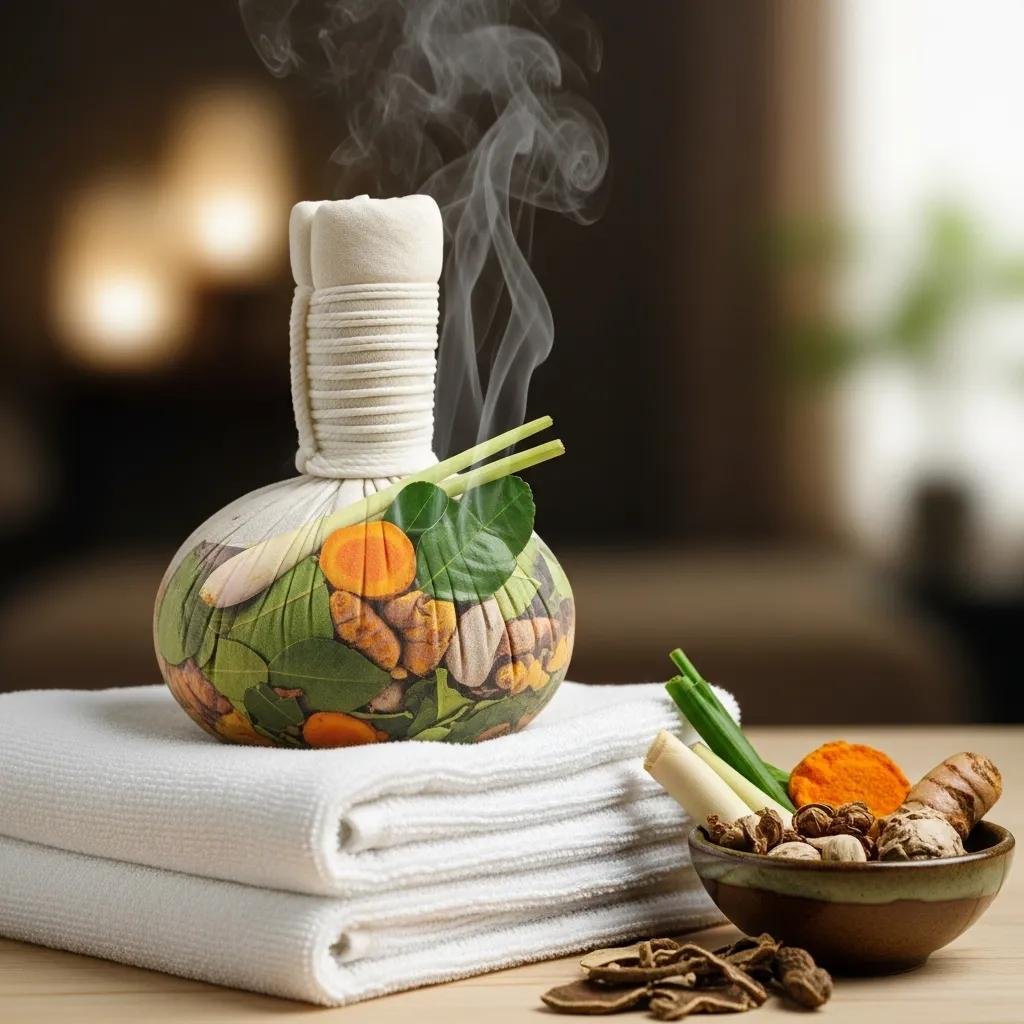
Thai herbal compresses (Luk Pra Kob) are cloth bundles filled with herbs such as lemongrass, kaffir lime, ginger, turmeric, and other aromatics. They are steamed to release heat and aroma, then gently pressed or rolled over the body.
In wellness settings, they are used to:
- Encourage relaxation and a sense of warmth.
- Complement massage in areas of perceived tightness.
- Provide an aromatic spa‑like experience at home.
At home, pre‑made compresses can be steamed carefully (following safety instructions) and applied with caution to avoid burns, especially in children, older adults, or people with reduced sensation.
What Are the Main Thai Herbs in Healing Products and How Are They Discussed in Research?
Thai healing products often highlight a small group of well‑known herbs. These plants show up repeatedly in both traditional recipes and modern research discussions.
How Is Lemongrass Linked With Digestive Comfort and Stress Relief?
Lemongrass is used in Thai teas, broths, and topical blends for its bright, citrusy aroma. Traditional and modern sources describe it as:
- Supporting digestion and a sense of lightness after meals.
- Acting as a mild diuretic in some contexts, which may help with fluid balance [web:172][web:175].
- Offering calming aromatics that many people associate with relaxation [web:170][web:178].
Lemongrass essential oil and extracts have also been studied for antimicrobial and anti‑inflammatory properties in laboratory settings [web:170]. In everyday use, small amounts in food or tea are generally preferred over high‑dose supplements, and people on diuretics or blood‑pressure medications should consult their clinicians before frequent use.
What Do Turmeric and Holy Basil Contribute to Thai Healing Formulas?
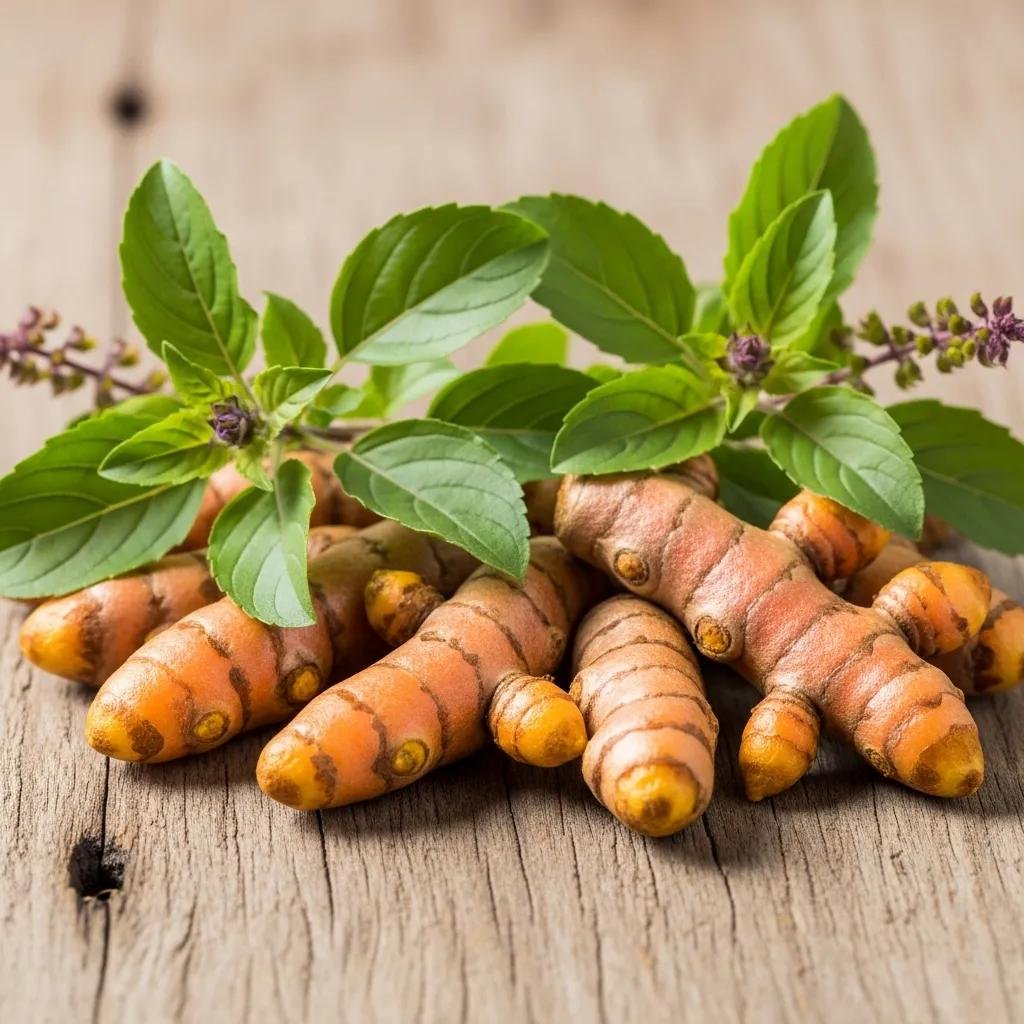
Turmeric and holy basil frequently appear together in Thai and regional wellness discussions:
- Turmeric (Curcuma longa): Curcumin and related compounds have been examined for anti‑inflammatory and antioxidant activity, including modulation of NF‑κB signalling, in cell and animal models [web:171][web:165][web:177]. In Thai‑style products, turmeric is used in topical blends, teas, and soaks as part of comfort‑oriented routines, not as a stand‑alone treatment.
- Holy basil (Tulsi, Ocimum sanctum): Clinical and review papers describe holy basil as an adaptogen that may help support stress resilience, mood, and sleep quality, in part by influencing cortisol and other stress‑related pathways [web:143][web:176]. In Thai and broader Southeast Asian practice, it is drunk as tea and used in certain culinary dishes.
Recent work on Thai traditional soaking formulas, which often include turmeric and other herbs, has reported antioxidant and anti‑inflammatory activity in laboratory tests, suggesting plausible mechanisms for their traditional use in comfort‑focused foot and hand baths [web:162].
How Can You Check Authenticity and Quality When Buying Thai Healing Products?
Because herbal and traditional products vary widely in quality, checking authenticity and safety is essential. Issues such as mis‑identified plants, contamination, or undeclared ingredients have been documented in herbal markets around the world [web:146].
What Should You Look For in Genuine Thai Herbal Products and Transparent Sourcing?
Signs of well‑documented products include:
- Clear ingredient lists: Latin names and plant parts are ideal, not just generic trade names.
- Origin information: Regions, farms, or co‑ops are named, not “Asia” or “herb mix.”
- Quality certifications: GMP, organic certification, or Thai FDA registration or notification where applicable [web:144][web:148].
- Lab testing: Access to results showing checks for heavy metals, pesticides, microbes, and, where relevant, active markers.
- Responsible claims: Products are described as supporting wellness, not as curing or preventing diseases.
Beyond standard labels, modern tools such as DNA barcoding are being developed to verify plant identity in certain Thai pharmacopoeia‑listed species, helping reduce mislabelling and adulteration [web:148].
Why Consider ArtisanThai.com for Thai Wellness Products?
ArtisanThai.com focuses on connecting customers with Thai handicrafts and herbal wellness products that honour traditional practices while meeting contemporary quality expectations. The company emphasises:
- Working with suppliers registered with Thai authorities where required.
- Traceable sourcing from known farms, clinics, and artisan groups.
- Clear information on ingredients and traditional context.
- Independent testing and documentation for selected products.
This combination helps customers purchase with greater confidence and a better understanding of what they are using.
How Can Authentic Thai Healing Products Fit Into Your Wellness Routine?
Thai healing products can be integrated into daily life in flexible, gentle ways. They are best seen as part of a broader self‑care picture that includes sleep, movement, nutrition, and appropriate medical care.
What Types of Benefits Do People Commonly Seek From Thai Herbal Products?
Many users turn to Thai herbal products for:
- Aromatherapeutic experiences that support relaxation or focus.
- Topical warmth or cooling sensations in areas of perceived muscle tension.
- Gentle digestive comfort after meals.
- Rituals that connect them to Thai culture and herbal traditions.
These products should not be used as substitutes for diagnosis or treatment of serious conditions, but they can be meaningful complements when chosen carefully and used with awareness.
How Do You Choose Products That Match Your Needs?
When selecting products, consider:
- Your main goal (relaxation, post‑exercise comfort, digestive support, etc.).
- Preferred formats (tea, balm, compress, oil, inhaler).
- Any allergies, sensitivities, or medications you use.
- The level of documentation and testing the brand provides.
For complex health concerns or long‑term use, partnering with a practitioner (TTM or integrative medicine) can help ensure that herbal choices align safely with conventional treatments.
Quality, Safety, and Regulatory Considerations
Herbal products occupy a space between food and medicine, which makes quality and regulation especially important. Some Thai products—such as certain herbal inhalers or teas—have been subject to regulatory warnings when undeclared pharmaceuticals or contaminants were discovered [web:150][web:153].
What Differentiates Compliant From Non‑Compliant Products?
Generally compliant wellness‑oriented products:
- Use declared herbal ingredients only, without hidden pharmaceutical drugs.
- Provide complete ingredient and allergen information.
- Offer batch numbers and, where required, Thai FDA or equivalent regulatory details [web:144].
- Make modest wellness support claims rather than disease treatment claims.
Warning signs to avoid:
- Exaggerated promises to “cure” or “treat” specific diseases.
- Missing or vague ingredient lists.
- No batch, lot, or manufacturer information.
- Reports of undeclared drugs or contaminants from regulators.
How Does ArtisanThai Structure Its Quality Protection Approach?
ArtisanThai uses a multi‑step approach for herbal products it offers:
- Supplier vetting: Checking that manufacturers hold appropriate Thai registrations and operate under recognised standards such as GMP [web:147][web:151].
- Independent testing: Screening for contaminants and confirming that no undeclared pharmaceutical ingredients are present.
- Documentation: Keeping Certificates of Analysis (COAs) and regulatory documents available for review.
- Batch tracking: Recording batch and lot numbers for traceability in case follow‑up or recalls are needed.
- Ongoing review: Monitoring regulatory updates and adjusting sourcing if issues are identified.
Customers can request additional documentation for specific products, supporting informed decisions.
Frequently Asked Questions
What should I prioritise when buying Thai healing products online?
Look for reputable sellers with clear ingredient lists, sourcing information, and accessible quality statements or lab data. Check that claims are realistic and that there are ways to contact customer service. When regulatory numbers (such as Thai FDA notifications) are provided, you can cross‑check them on official websites where available [web:144][web:145].
Are Thai herbal remedies always safe because they are “natural”?
Not necessarily. Herbs can interact with medications, cause allergies, or be contaminated if not produced under good standards. Discuss regular or intensive use with a healthcare professional, especially if you are pregnant, breastfeeding, managing chronic conditions, or taking prescription drugs.
How can I start incorporating Thai healing practices into daily life?
You might begin with small steps, such as adding a Thai herbal tea to your evening routine, using a balm during self‑massage, or including more Thai herbs in cooking. Over time, you can explore additional practices like simple stretching, mindful breathing, or learning about Thai massage from qualified practitioners.
Can I use Thai healing products alongside conventional medicine?
Many people combine traditional and modern approaches, but coordination is important. Always inform your doctor or pharmacist about any herbal products you use so they can watch for interactions and ensure your treatments work together safely.
What is a common misconception about Thai traditional medicine?
One misconception is that it is unstructured or purely based on folklore. In fact, TTM is a system with documented principles, training pathways, and an evolving research base [web:136][web:138]. Another misconception is that herbal products are automatically safe for everyone; in reality, quality and individual context matter a great deal.
Medical disclaimer: The information in this article is for educational purposes only and does not constitute medical advice. Always consult qualified healthcare providers before using herbal products for specific health concerns or alongside medications.
Conclusion
Authentic Thai healing products offer a way to connect with Thai herbal and bodywork traditions while supporting your own sense of balance and wellbeing. By focusing on high‑quality, well‑documented items from trusted sources—and by using them alongside, not instead of, appropriate medical care—you can integrate Thai healing elements into a modern, thoughtful wellness routine.
 English
 Chinese
 French
 German
 Hindi
Hindi Indonesian
 Malay
Malay Portuguese
 Spanish